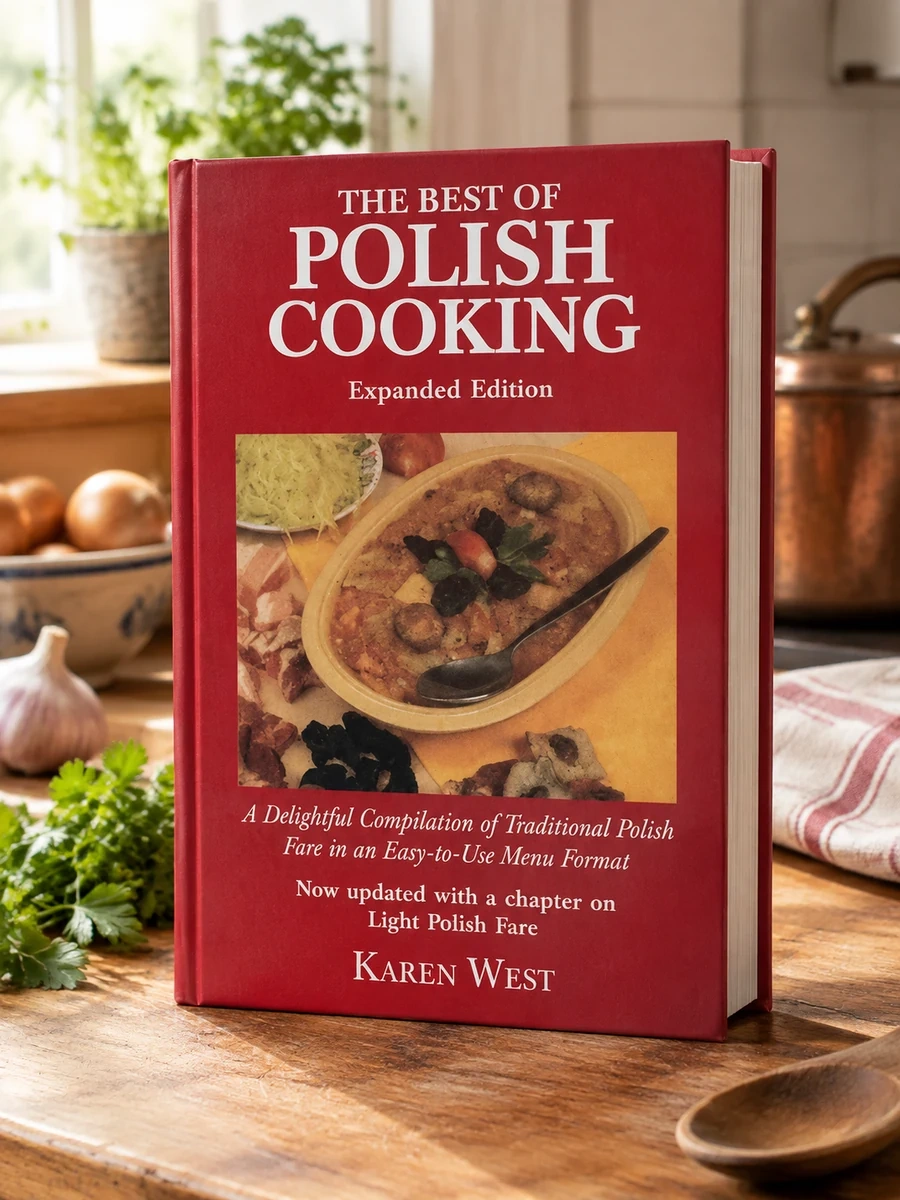
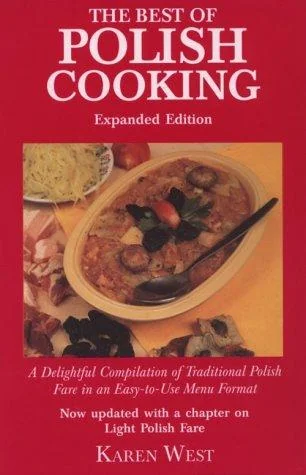
Best of Polish Cooking (Expanded) (Expanded)
✍️ West, KarenA seasonal guide to authentic Polish recipes with new low-fat options.
This volume bridges the gap between traditional Polish cooking and contemporary health concerns. West retains the integrity of classic dishes while introducing a chapter focused on lightened fare. The inclusion of alternatives for high-calorie ingredients like sour cream allows cooks to maintain authenticity while reducing fat intake. The seasonal organization encourages meal planning that aligns with natural harvest cycles. Specific examples like the Twelve-Fruit Brandied Compote demonstrate how traditional desserts can be adapted. The woodcut illustrations add a charming visual element to the text. This approach makes the cuisine accessible to those wary of heavy, calorie-dense meals.
First published in 1983 and expanded for a new audience, this book reflects a period when home chefs sought authentic resources for Polish cuisine. The inclusion of lightened recipes responds to growing dietary concerns regarding fat and calories while preserving the cultural heritage of Eastern European cooking traditions.


📝 Description: Best of Polish Cooking (Expanded) (Expanded)
💎 Expert review
📖 Why choose it
Why this book is worth reading
Home cooks seeking to explore authentic Polish flavors without the guilt of heavy, calorie-dense meals will find this edition invaluable. West’s seasonal organization helps readers align their cooking with natural harvest cycles, fostering a deeper connection to ingredients. The inclusion of low-fat alternatives for staples like sour cream allows enthusiasts to maintain cultural integrity while adhering to dietary restrictions. Those interested in Eastern European culinary traditions but wary of traditional richness will appreciate the practical tips and conversion tables provided. This book offers a gentle introduction to Polish cuisine, making it accessible to beginners who want hearty, flavorful dishes that are easier on the body.
⭐ Reader reviews
Reader rating
West’s guide successfully modernizes classic Polish fare for health-conscious readers by integrating lightened recipes alongside traditional staples. The seasonal structure is a thoughtful touch, encouraging mindful meal planning based on availability rather than rigid calendar dates. However, the book may disappoint those seeking avant-garde fusion techniques or complex culinary theory; it remains firmly rooted in practical, home-style cooking. Readers looking for non-Polish regional cuisines will find this volume too specific and narrow in scope. The woodcut illustrations add charm but do not substitute for advanced technique. Ultimately, it is a solid resource for traditionalists willing to compromise slightly on richness for health benefits.