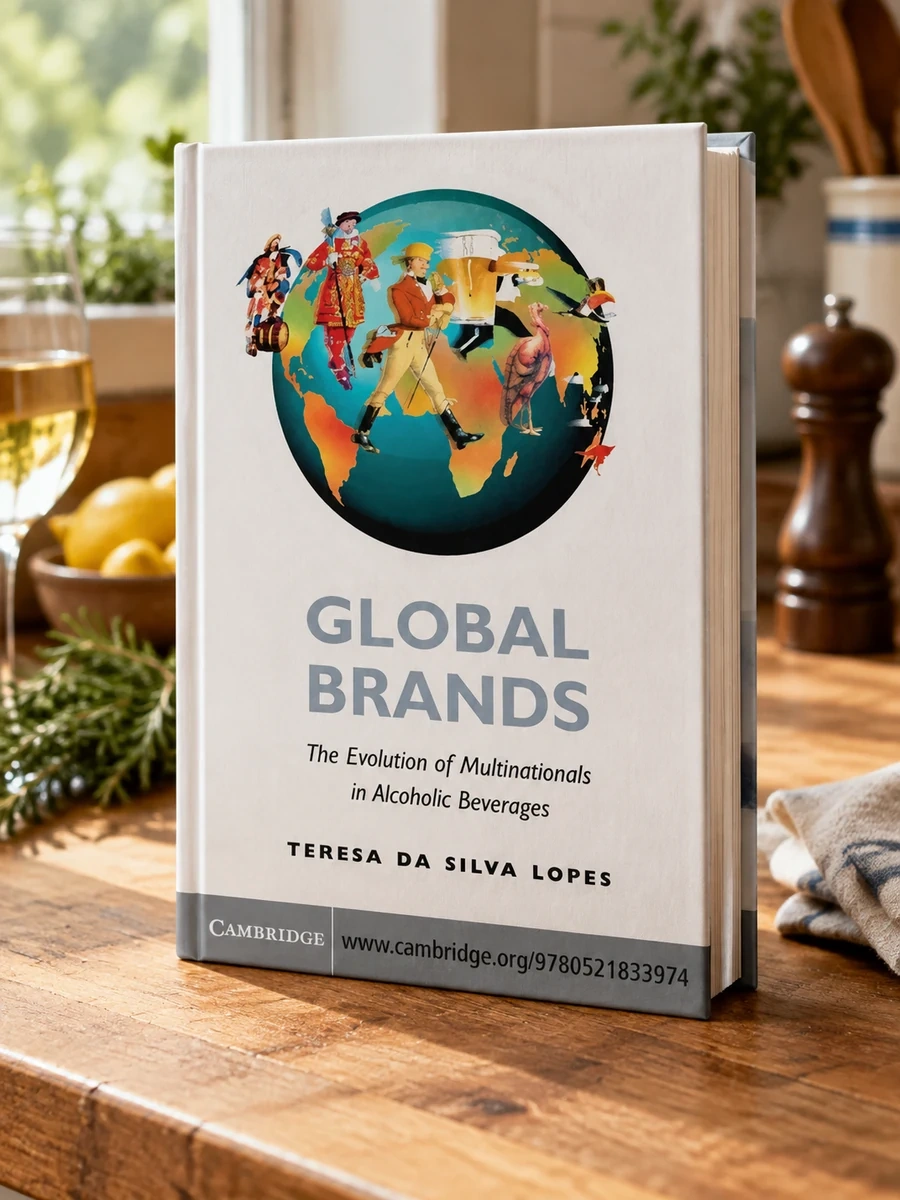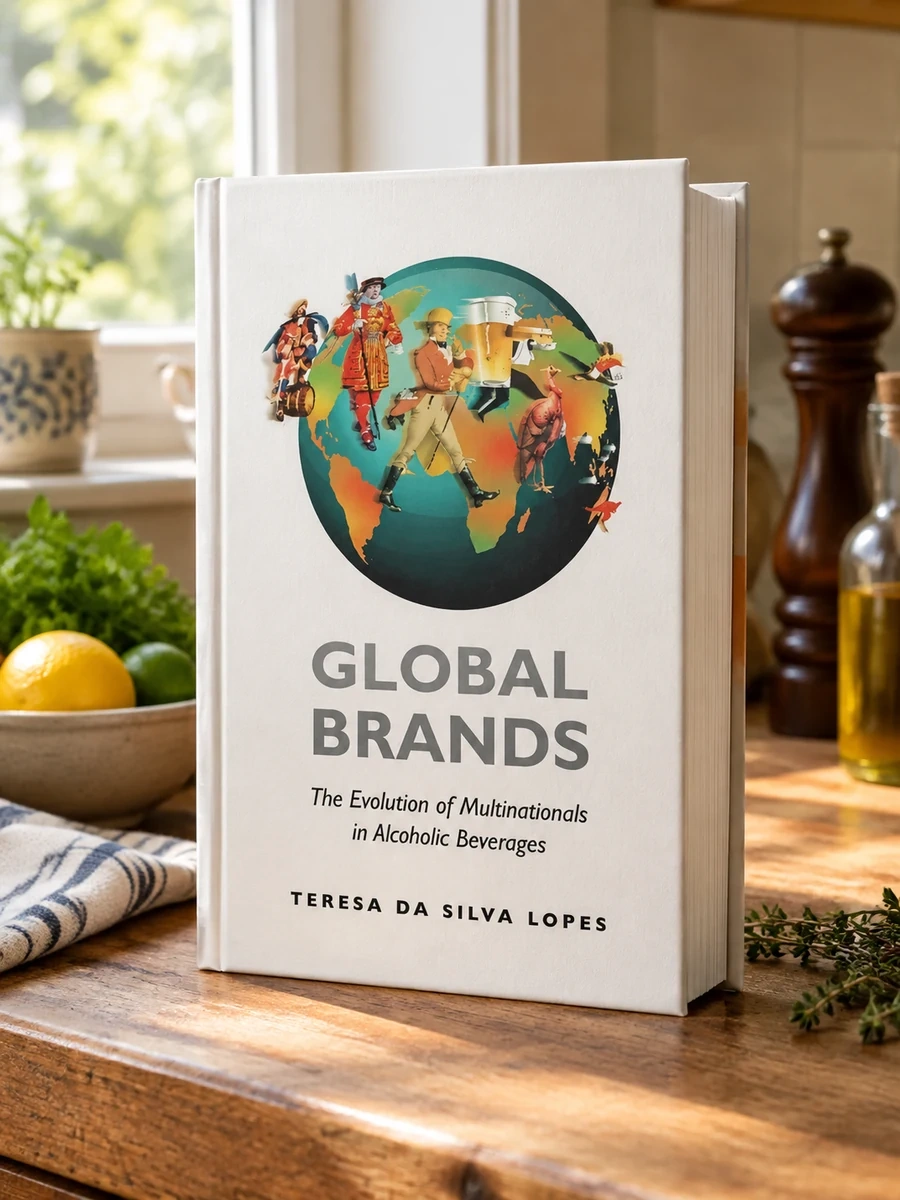
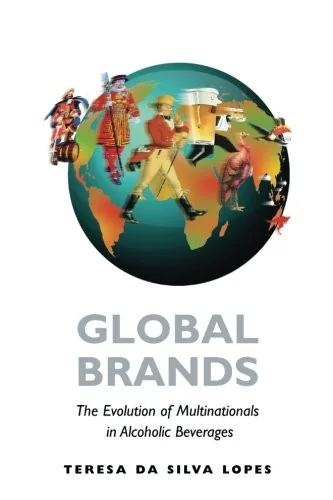
Global Brands: The Evolution of Multinationals in Alcoholic Beverages
✍️ Lopes, Teresa Da SilvaAn academic study of trademark strategy in global alcohol corporations.
Lopes investigates the strategic use of trademarks by leading alcohol producers to maintain global leadership. The analysis covers corporate governance in marketing-heavy sectors and the rationale behind competitor alliances. It situates these business practices within twentieth-century economic history, highlighting how established firms leverage brand equity over technical patents to sustain market position.
This work sits at the intersection of business economics and modern history. It focuses on twentieth-century developments in international trade, specifically examining how established firms in the alcoholic beverage industry adapted their corporate structures to maintain dominance in a global market.


📝 Description: Global Brands: The Evolution of Multinationals in Alcoholic Beverages
💎 Expert review
📖 Why choose it
Why this book is worth reading
Business historians, corporate strategists, and scholars of international trade gain a rigorous examination of how multinational alcohol producers achieved global dominance. Readers discover how established firms leverage brand equity and trademark strategy rather than technical patents to sustain market position. The text illuminates the complex corporate governance structures of marketing-heavy sectors and explains the economic rationale behind competitor alliances. By situating these business practices within twentieth-century economic history, the book offers valuable insights into the structural mechanics of large-scale commerce and the critical role of intellectual property rights in shaping international trade.
⭐ Reader reviews
Reader rating
Teresa Da Silva Lopes delivers an insightful academic study into the corporate governance and trademark strategies of leading international beverage corporations. The analysis effectively highlights how brand identity serves as the primary driver of success in marketing-based industries, bypassing traditional reliance on patents. However, prospective readers should note that this is strictly a work of economic theory and business history. It contains no practical recipes, mixology guides, or casual drinking advice, making it entirely unsuitable for casual enthusiasts seeking beverage preparation techniques. Scholars and commerce professionals will find it compelling, but casual readers looking for cocktail recipes will be disappointed.
❓ Frequently asked questions
📖 Who should read this
This volume targets business scholars and marketing professionals interested in corporate strategy rather than home cooks. It suits readers analyzing trademark law or economic history within the global alcohol industry. Those seeking practical beverage recipes will find this text irrelevant to their culinary needs.