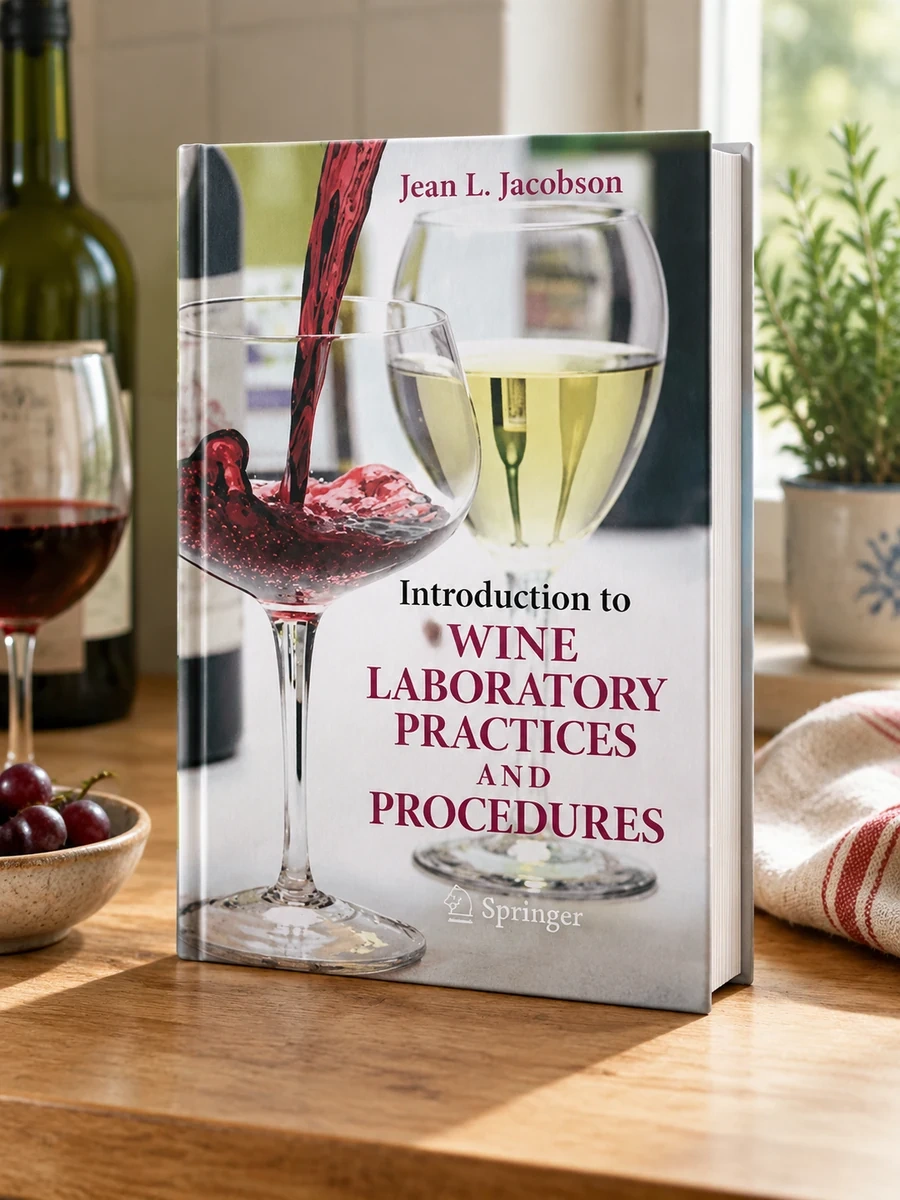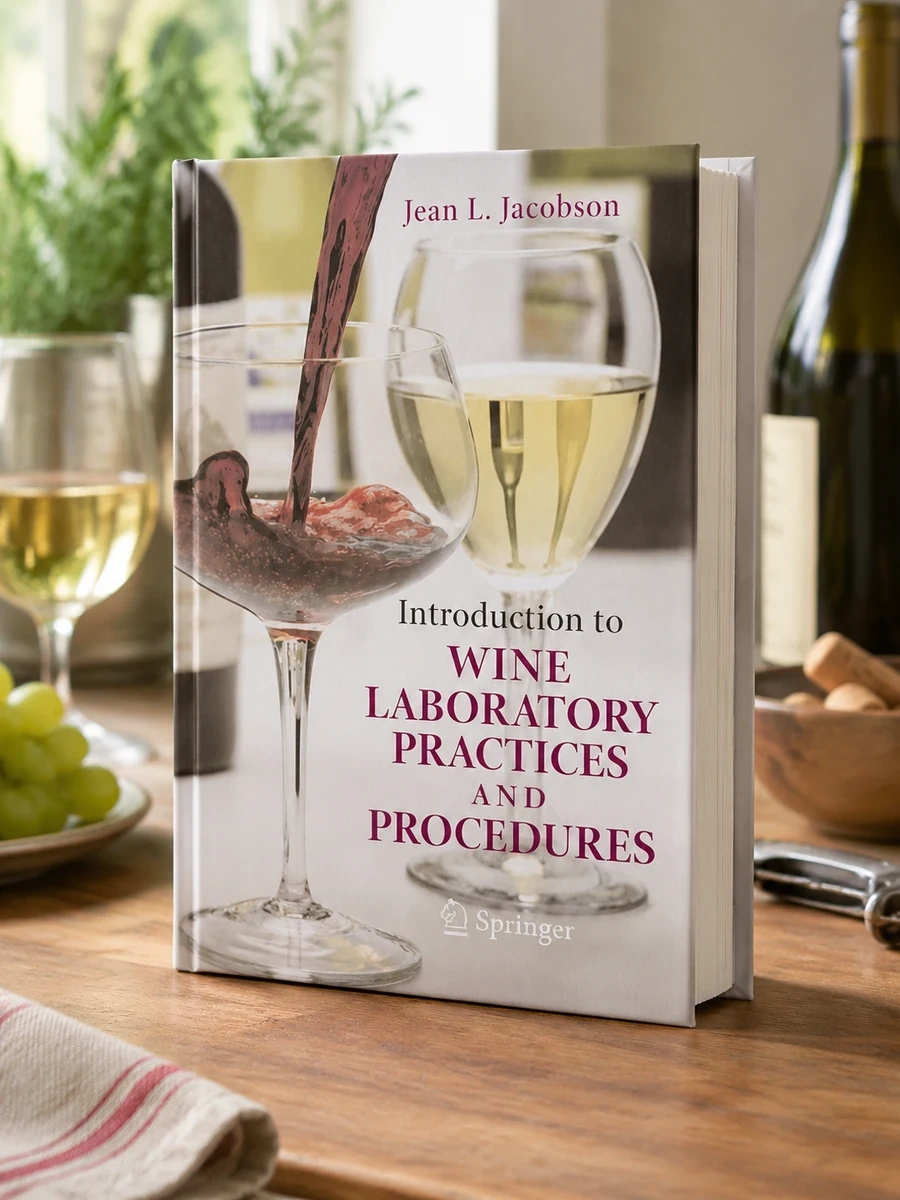
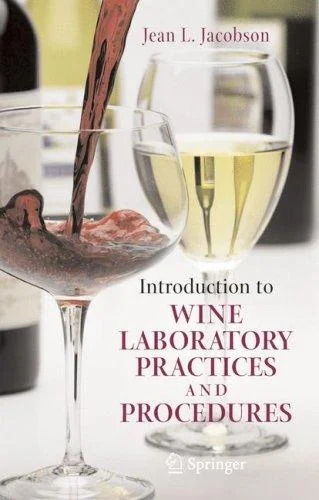
Introduction to Wine Laboratory Practices and Procedures (2006)
✍️ Jacobson, Jean LA practical guide to wine lab skills by practitioner Jean L. Jacobson.
Jacobson targets the gap between romantic ideals and industrial reality in winemaking. She explains how science provides tools for producing high-quality wines in a complex trade. The text covers the integration of viticulture, enology, and chemistry into daily laboratory operations. It emphasizes the need for knowledgeable staff to handle routine duties and advanced analysis. The guide addresses the intimidation felt by those new to enology, offering a structured path through essential tasks. It highlights the moving target nature of winemaking and the necessity of continual education. The book is designed for individuals entering the industry or seeking to understand its scientific foundations.
The book reflects the rapid growth of the wine industry and the increasing complexity of winemaking technology. It addresses the need for continual advancements in education to sustain quality in a multibillion-dollar trade. The text responds to the demands placed on laboratory staff by modern commercial production methods.
📝 Description: Introduction to Wine Laboratory Practices and Procedures (2006)
💎 Expert review
📖 Why choose it
Why this book is worth reading
Professionals entering the wine laboratory sector, enology students, and serious home winemakers will find this volume indispensable for demystifying the technical realities of commercial production. Jacobson bridges the gap between romanticized winemaking narratives and the complex chemical necessities of quality control. By offering structured guidance on routine duties and advanced analysis, she provides a practical roadmap for navigating the intimidation of enology science. The book is particularly valuable for those seeking to understand the integration of viticulture and chemistry in daily operations, ensuring they can sustain high standards in an evolving multibillion-dollar trade without being overwhelmed by excessive jargon.
⭐ Reader reviews
Reader rating
This guide serves as a functional manual rather than a literary narrative, strictly focusing on technical procedures and scientific application. It is ideal for novices and intermediate technicians needing clarity on laboratory safety and essential tasks. However, readers seeking historical anecdotes, regional cultural insights, or poetic reflections on the romance of wine will find this edition dry and unsuitable. It is a solid reference for technical grounding but lacks the engaging storytelling found in broader culinary literature.
❓ Frequently asked questions
📖 Who should read this
This guide is for enology students and laboratory technicians seeking practical skills in wine analysis. It suits professionals who need to bridge the gap between theoretical chemistry and daily industrial operations. Readers wanting a structured path through essential lab duties will find this resource directly applicable to their technical training needs.