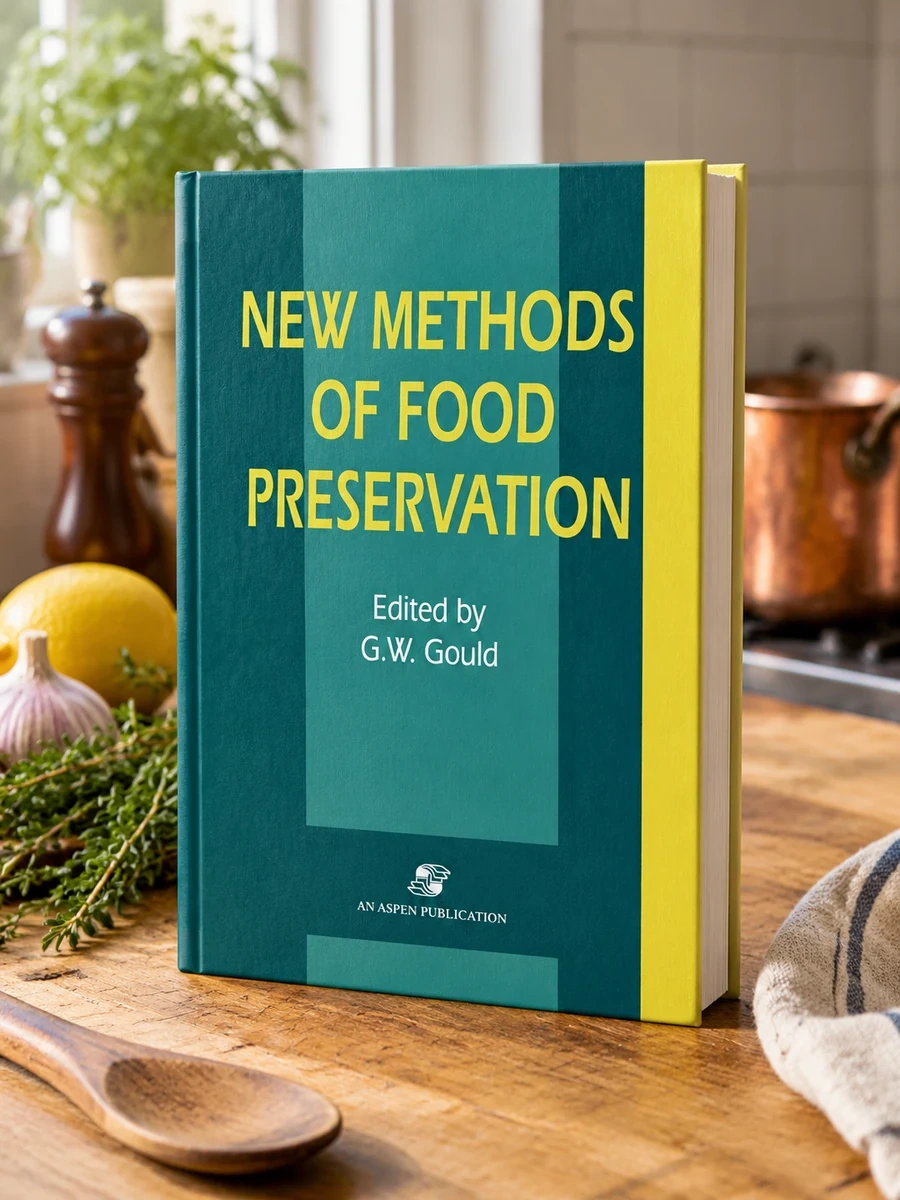
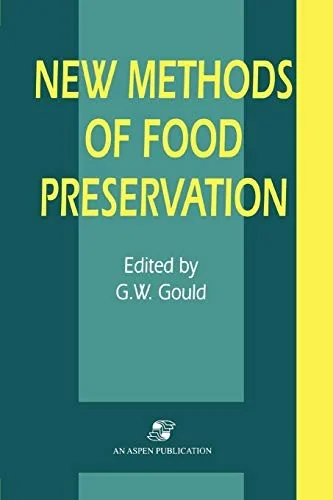
New Methods of Food Preservation
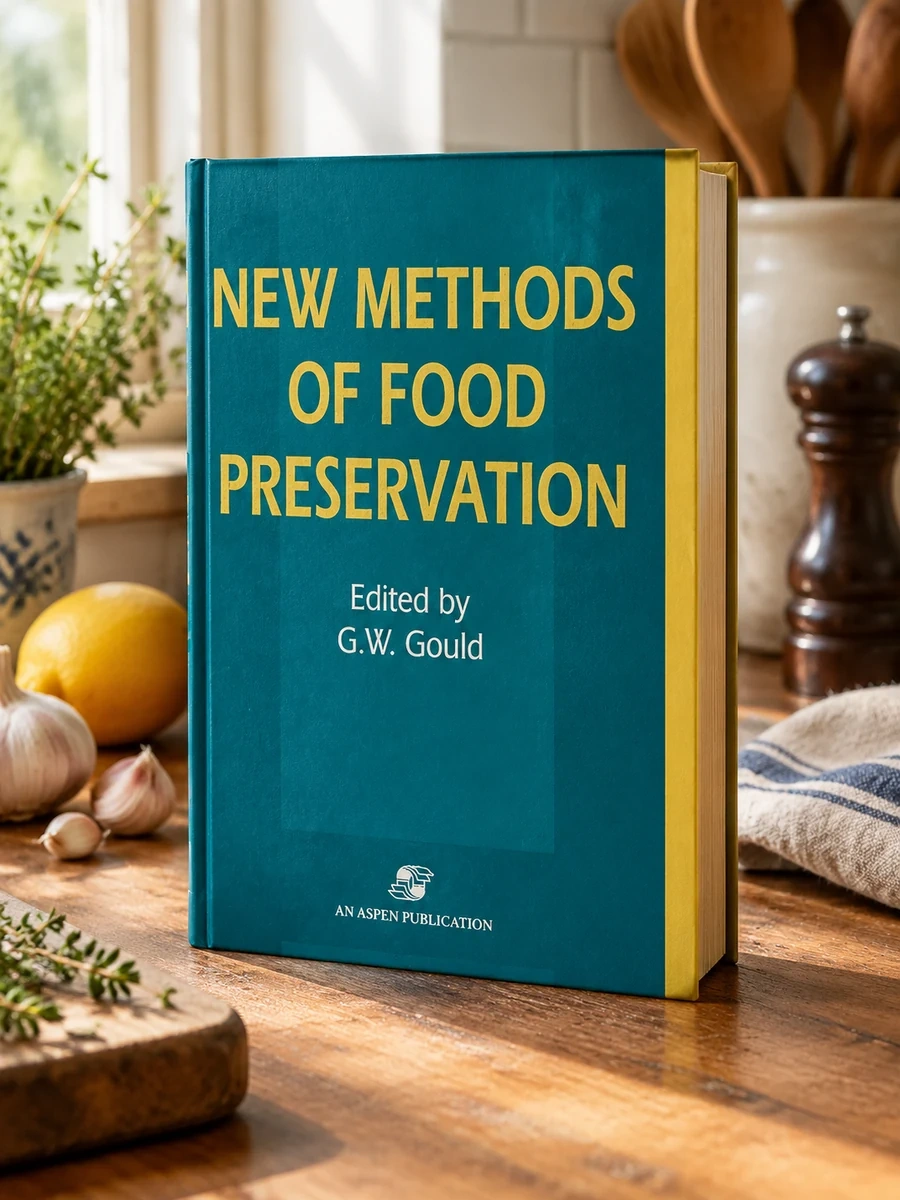
✍️ Gould, Grahame WA technical guide to emerging commercial food preservation methods by Grahame W. Gould.
This publication provides a detailed examination of advanced food preservation technologies that are transitioning into commercial use. Gould brings together contributions from respected experts to explain how chemical, biological, and physical methods can be applied to extend food stability. The text highlights combination preservation methods alongside newer techniques like high hydrostatic pressure and voltage pulse treatments. It also explores the role of ultrasonic radiation in microbial inactivation. The structure supports professionals who need to understand the engineering and scientific basis of these innovations. It avoids general interest topics, focusing strictly on the technical implementation of these emerging systems for industry application.
Published in 2010 by Springer, this paperback volume sits at the intersection of technology, engineering, and food science. It addresses the shift toward commercially exploiting new preservation methods during a period when traditional techniques were being combined with emerging physical approaches for industrial use.


📝 Description: New Methods of Food Preservation
💎 Expert review
⭐ Reader reviews
Reader rating
This volume offers a rigorous examination of advanced food preservation technologies for professionals. Gould compiles expert contributions to explain how physical and chemical methods extend stability, highlighting combination techniques and ultrasonic radiation. It is an essential resource for those needing the scientific basis of these innovations. However, home cooks or general readers will find this text inaccessible due to its strict focus on technical implementation and engineering principles rather than practical culinary application.
❓ Frequently asked questions
📖 Who should read this
This text is designed for food scientists and engineering professionals seeking to understand advanced preservation technologies. It suits researchers and industry specialists who require a technical grasp of chemical, biological, and physical methods for extending food stability in commercial settings.