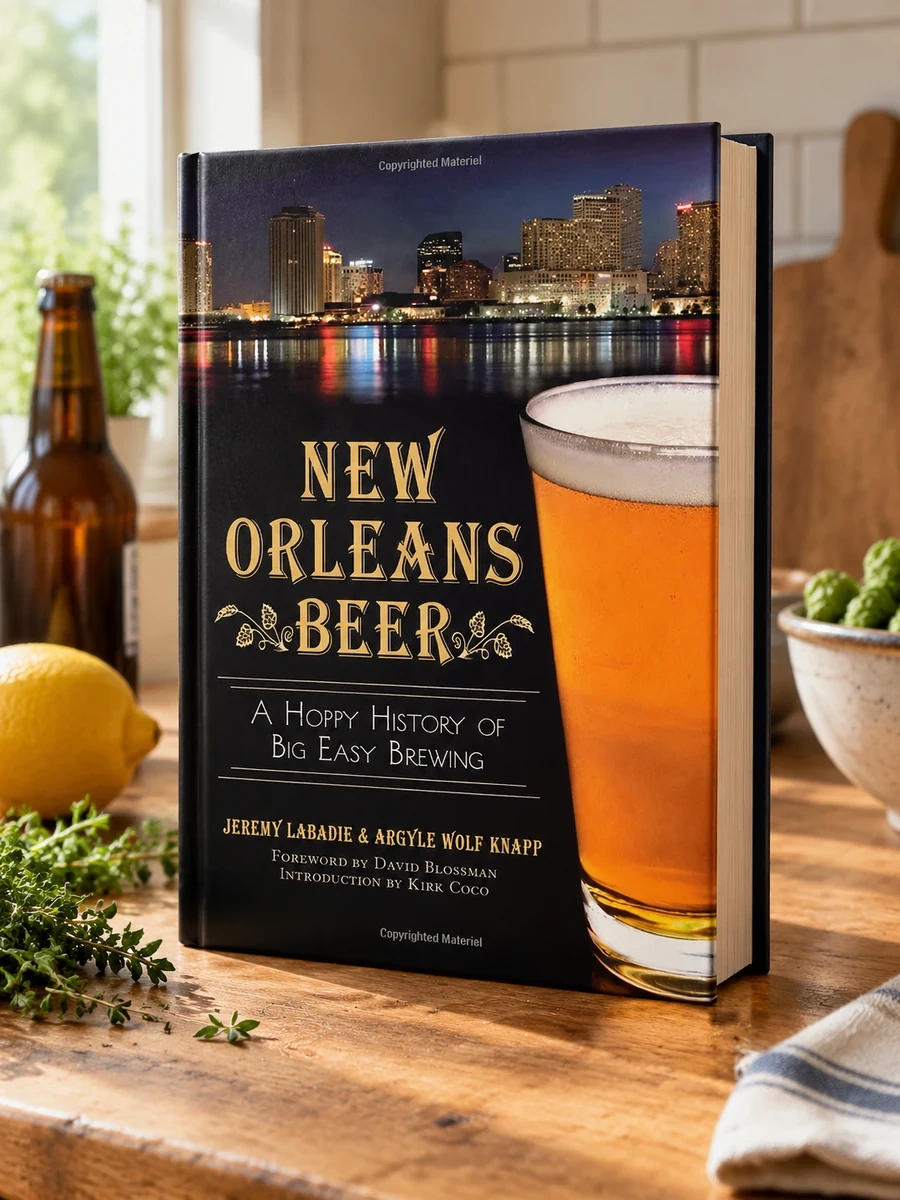
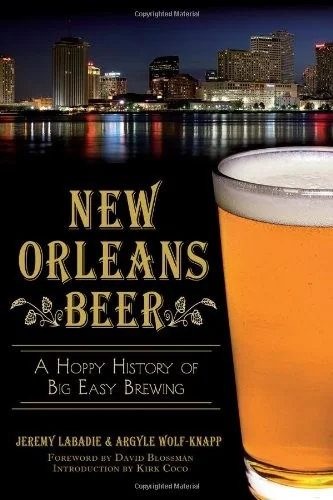
New Orleans Beer: A Hoppy History of Big Easy Brewing
✍️ LaBadie, JeremyA historical account of New Orleans brewing from early days to modern craft.
The book examines the industrial and cultural development of beer production in Louisiana. It covers the transition from large-scale traditional breweries to smaller craft operations. The author uses primary sources to document business strategies and market changes over time. This approach provides context for why certain brands survived while others faded. Readers gain insight into the economic forces that shaped the local beverage landscape.
New Orleans developed a unique drinking culture tied to its food traditions. The city's brewing scene spans 287 years, reflecting broader American trends while maintaining distinct local characteristics through industrial and craft eras.


📝 Description: New Orleans Beer: A Hoppy History of Big Easy Brewing
💎 Expert review
📖 Why choose it
Why this book is worth reading
This book is essential for readers interested in the specific mechanics of beverage industries and regional American history. Jeremy LaBadie provides a comprehensive record of how beer production evolved alongside New Orleans' cultural shifts, utilizing extensive archival research to document business strategies and market changes. It offers concrete details about historical timelines and industrial growth rather than culinary advice. Those seeking to understand why certain brands survived while others faded will gain valuable insight into the economic forces that shaped the local landscape. The text serves as a structured account for historians, collectors, and enthusiasts of Louisiana heritage who want to trace the continuity between past practices and current craft trends without distraction from recipes.
⭐ Reader reviews
Reader rating
LaBadie’s work is a rigorous examination of industrial development rather than a lifestyle guide. It appeals to those wanting concrete details about business operations and historical timelines in Louisiana. However, readers seeking immediate guidance on pairing food with ale or tasting notes will find this text less useful, as its focus remains strictly on historical development. It lacks the whimsy of general food writing but delivers necessary context for understanding the local beverage landscape. It is a functional resource for industry observers and history buffs, not a casual read for those expecting entertainment over archival depth.
❓ Frequently asked questions
📖 Who should read this
Readers interested in regional American history and the evolution of local brewing industries will find this text engaging. It suits those who appreciate detailed accounts of economic shifts and cultural changes within a specific geographic context without requiring prior expertise in beer production.