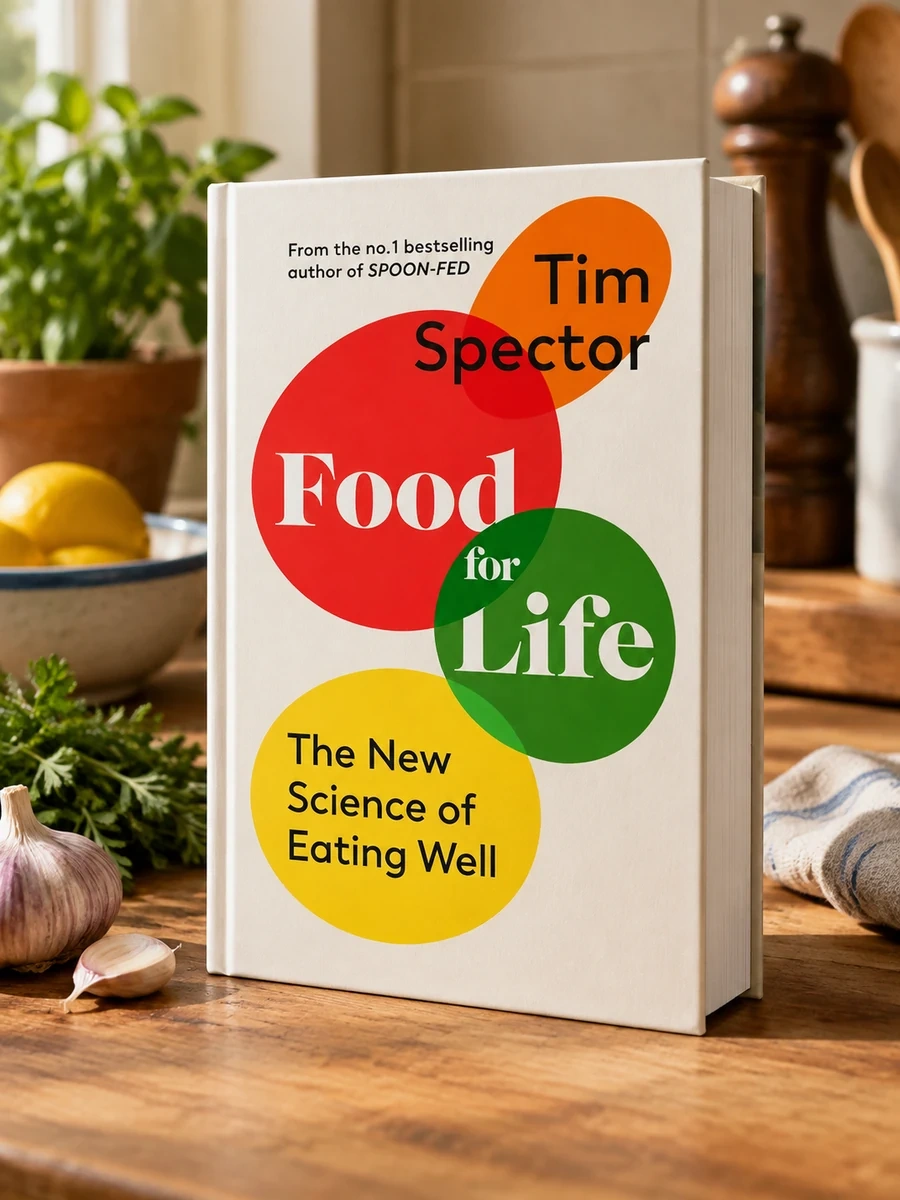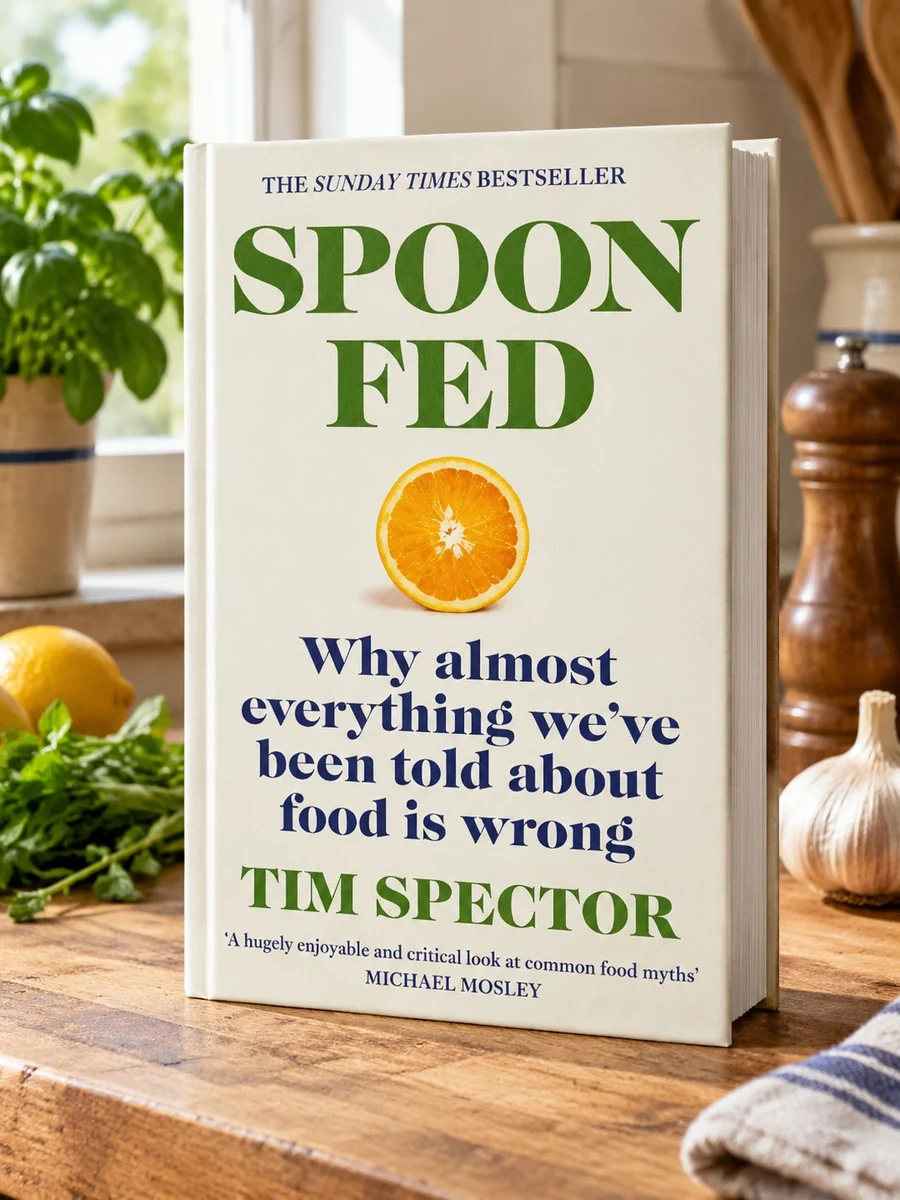
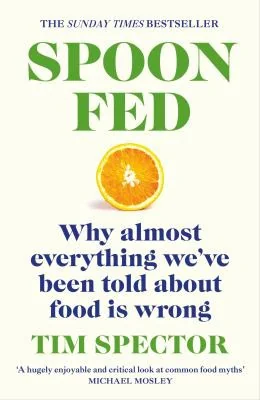
Spoon-Fed: Why Almost Everything We've Been Told about Food Is Wrong
✍️ Spector, TimTim Spector dismantles common dietary myths using scientific research.
This volume addresses the lack of robust science supporting many standard diet recommendations. It critiques how the food industry shapes public health policies and individual choices. The text urges a reevaluation of trusted sources, from government guidelines to commercial labels. By focusing on the evidence behind claims about breakfast, calories, and coffee, it reveals the mechanisms that sustain nutritional misinformation. Readers will find a framework for evaluating future dietary advice rather than accepting current dogma without question.
The book emerged in February 2022 as a response to growing confusion over nutrition guidelines. It reflects a period where public trust in official health advice was waning due to conflicting messages and perceived corporate control over dietary standards.


📝 Description: Spoon-Fed: Why Almost Everything We've Been Told about Food Is Wrong
💎 Expert review
📖 Why choose it
Why this book is worth reading
Readers who are weary of conflicting diet advice and seek a critical lens for evaluating nutritional claims will find this book invaluable. It is ideal for those interested in the intersection of health policy, food culture, and scientific integrity. By exposing how industry influence shapes government guidelines, Spector provides a framework for independent thinking rather than offering simple meal plans. This title serves individuals who want to understand the mechanisms behind dietary misinformation and wish to make informed choices based on robust evidence rather than commercial dogma or unverified wellness trends.
⭐ Reader reviews
Reader rating
Spector offers a compelling critique of standard dietary advice, dismantling myths about breakfast, calories, and coffee with rigorous scientific scrutiny. The book is best suited for analytical readers who enjoy dissecting the politics of nutrition and understanding how official channels propagate misinformation. It is not appropriate for those seeking straightforward recipes, quick fixes, or validation of existing wellness habits.
❓ Frequently asked questions
📖 Who should read this
Readers skeptical of mainstream dietary advice seeking evidence-based clarity. Ideal for those tired of conflicting nutrition dogma who want to understand the science behind food claims. Perfect for home cooks questioning government guidelines and commercial labels without accepting them blindly.