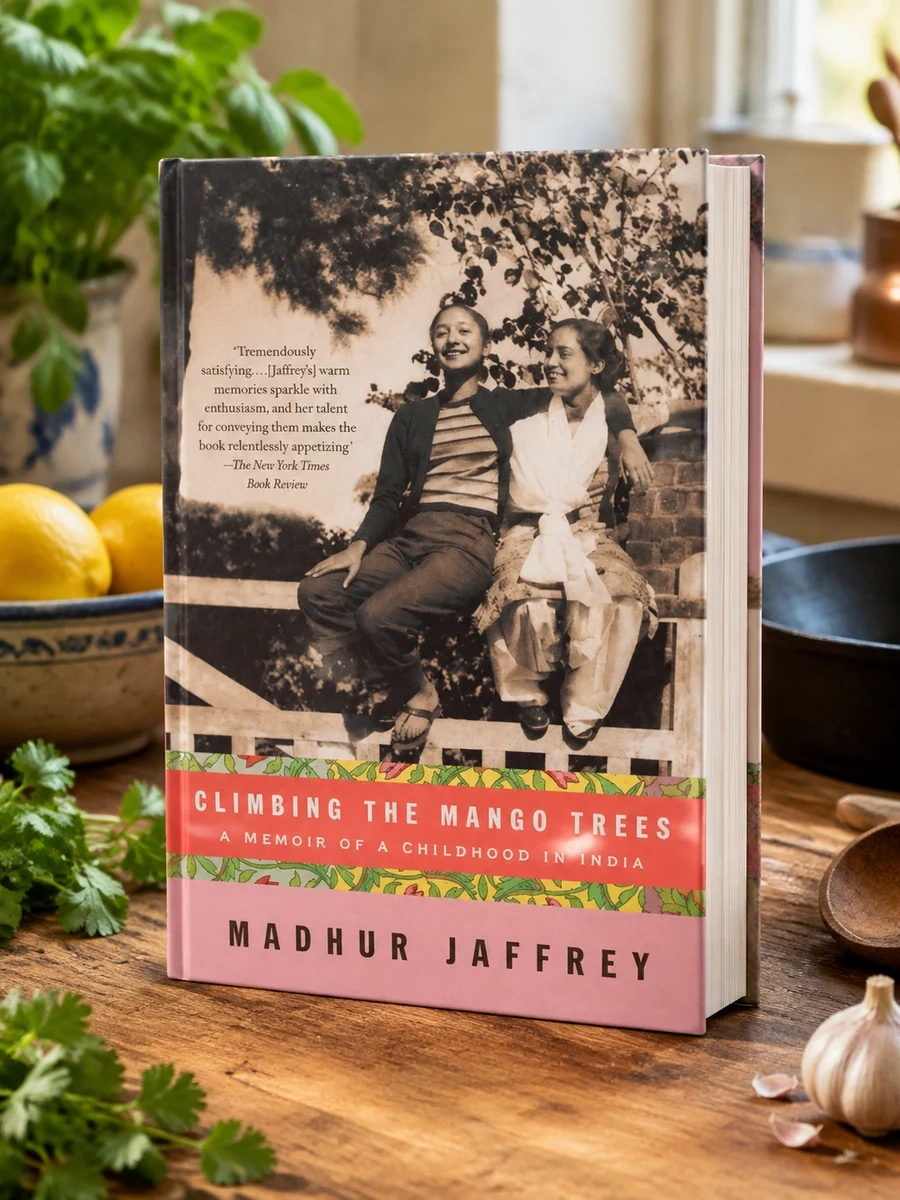
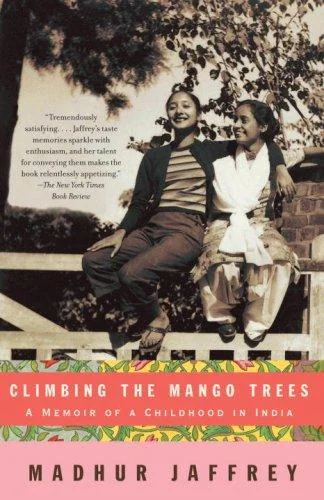
Climbing the Mango Trees: A Memoir of a Childhood in India (with Recipes)
✍️ Jaffrey, MadhurA memoir by Madhur Jaffrey recalling childhood food memories in India with accompanying recipes.
This volume shifts focus from culinary instruction to personal history, using specific meals to anchor recollections of growing up in Delhi. Jaffrey recalls distinct events like family picnics and orchard visits, linking them directly to the dishes prepared during those times. The text moves chronologically through her early years before extending to her time in Britain. By pairing narrative with over thirty recipes, the book offers a dual experience of reading and cooking. It highlights how sensory details preserve memory more effectively than abstract facts alone.
The memoir draws on Jaffrey’s upbringing in Delhi and her subsequent move to Britain. It reflects the culinary customs of her family during that era, offering a glimpse into domestic Indian life through the lens of a renowned chef who taught American audiences about these specific regional dishes.


📝 Description: Climbing the Mango Trees: A Memoir of a Childhood in India (with Recipes)
💎 Expert review
📖 Why choose it
Why this book is worth reading
Readers who appreciate the intersection of personal narrative and culinary history will find this volume deeply rewarding. It offers more than just recipes; it provides a vivid window into Jaffrey’s childhood in Delhi and her subsequent life in Britain. The book allows audiences to experience sensory memories anchored by specific dishes, such as picnics in the Himalayan foothills or orchard visits. Those interested in Indian culture, family history, and the power of taste to preserve identity will gain a nuanced understanding of how food shapes memory. It is particularly suitable for fans of Jaffrey’s broader body of work who wish to explore her personal background alongside her professional expertise in introducing Indian cuisine to Western audiences.
⭐ Reader reviews
Reader rating
This title serves as a nostalgic memoir rather than a strict instructional guide, appealing primarily to those interested in cultural history and personal anecdotes. While the writing is witty and clear, readers seeking detailed technical cooking instructions or objective historical records may find the content sparse regarding practical kitchen application. The reliance on personal memory over external documentation limits its utility for academic culinary study. Consequently, it does not suit individuals who prefer straightforward recipe collections devoid of autobiographical context. However, for those valuing the emotional resonance of food literature, it successfully bridges storytelling with kitchen practice through its accompanying dishes.
❓ Frequently asked questions
📖 Who should read this
Readers seeking a narrative-driven culinary experience rather than strict technique guides. Ideal for those who enjoy weaving personal history into their cooking routine and appreciate memoirs that connect specific meals to childhood memories in India.