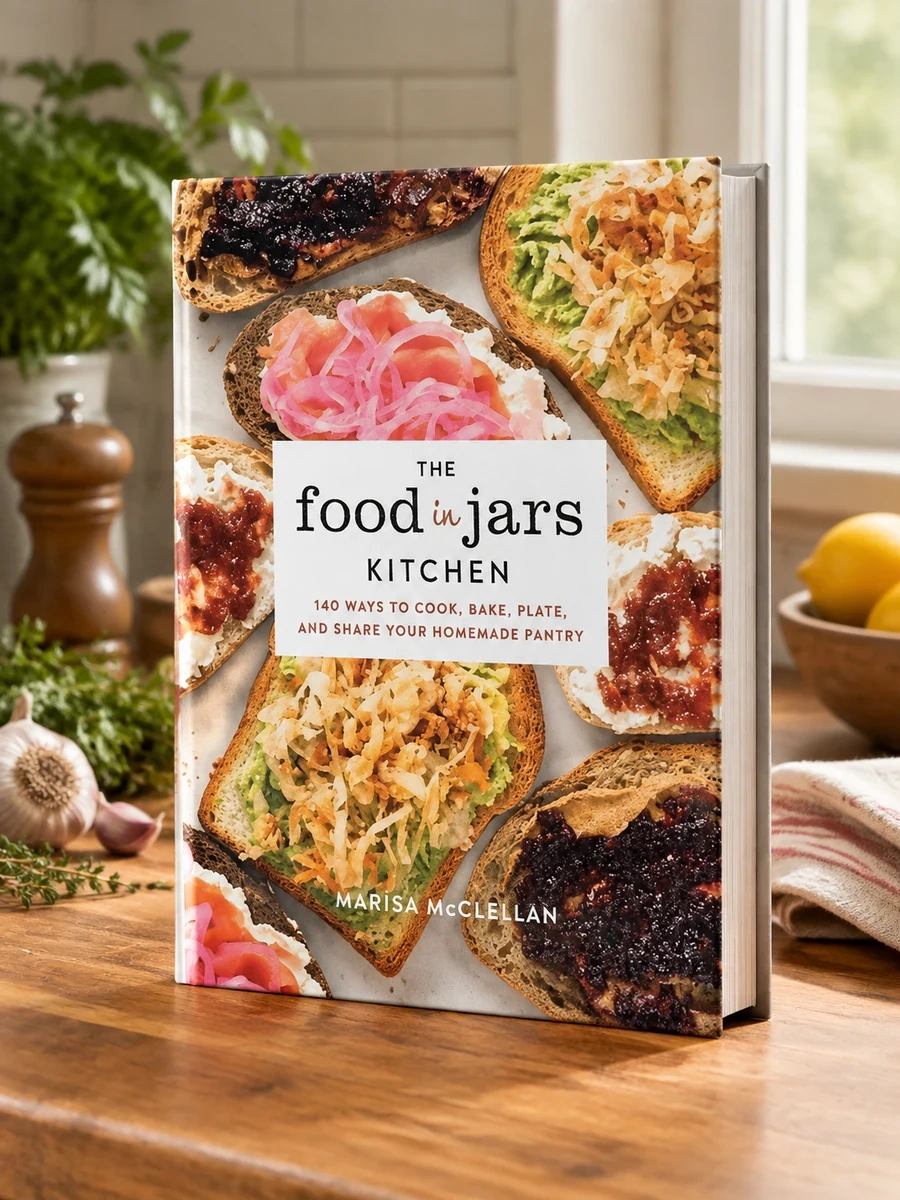
The Food in Jars Kitchen: 140 Ways to Cook, Bake, Plate, and Share Your Homemade Pantry
✍️ McClellan, MarisaA guide for using homemade preserves in daily cooking.
This volume functions as a practical reference for extending the life of preserved goods through savory and sweet applications. It targets home cooks who produce their own pantry items and seek variety in their daily diet. The content avoids rigid requirements for specific preserves, instead encouraging the use of available jars to enhance ordinary dishes. It suits individuals interested in reducing food waste and maximizing the utility of their preserving efforts. Those seeking advanced techniques for creating preserves from scratch may find this text less relevant than its companion works.
Published in 2019 by Running Press Adult, this hardcover work reflects the ongoing American tradition of home canning and preserving. It aligns with the broader movement toward self-sufficiency and utilizing seasonal ingredients to create long-lasting food stores for domestic consumption.


📝 Description: The Food in Jars Kitchen: 140 Ways to Cook, Bake, Plate, and Share Your Homemade Pantry
💎 Expert review
📖 Why choose it
Why this book is worth reading
Home cooks who have invested time in creating their own pantry staples will find immediate value in this practical guide to utilizing preserved goods. It is ideal for those seeking to reduce food waste and expand the utility of their jars beyond simple toast toppings. Readers looking for inspiration to incorporate bold, fermented, or sweet-sour flavors into everyday breakfast, lunch, and dinner recipes will appreciate the flexible approach. It serves as an essential reference for maximizing the culinary return on preserving efforts, offering accessible ideas for both novice and experienced preservers who wish to see tangible results from their kitchen labor.
⭐ Reader reviews
Reader rating
McClellan offers a refreshing pivot from preservation instruction to application, targeting the common problem of underutilized pantry jars. The meal-occasion organization provides clear utility for daily cooking rather than rigid technical constraints. However, it does not suit those seeking advanced canning techniques or foundational recipes for creating preserves from scratch. Readers expecting a comprehensive guide to fermentation science or complex baking will find this text too narrow in scope. It is best viewed as a companion volume for existing preservers rather than a standalone instructional manual, making its appeal specific to a particular stage of the home cooking journey.