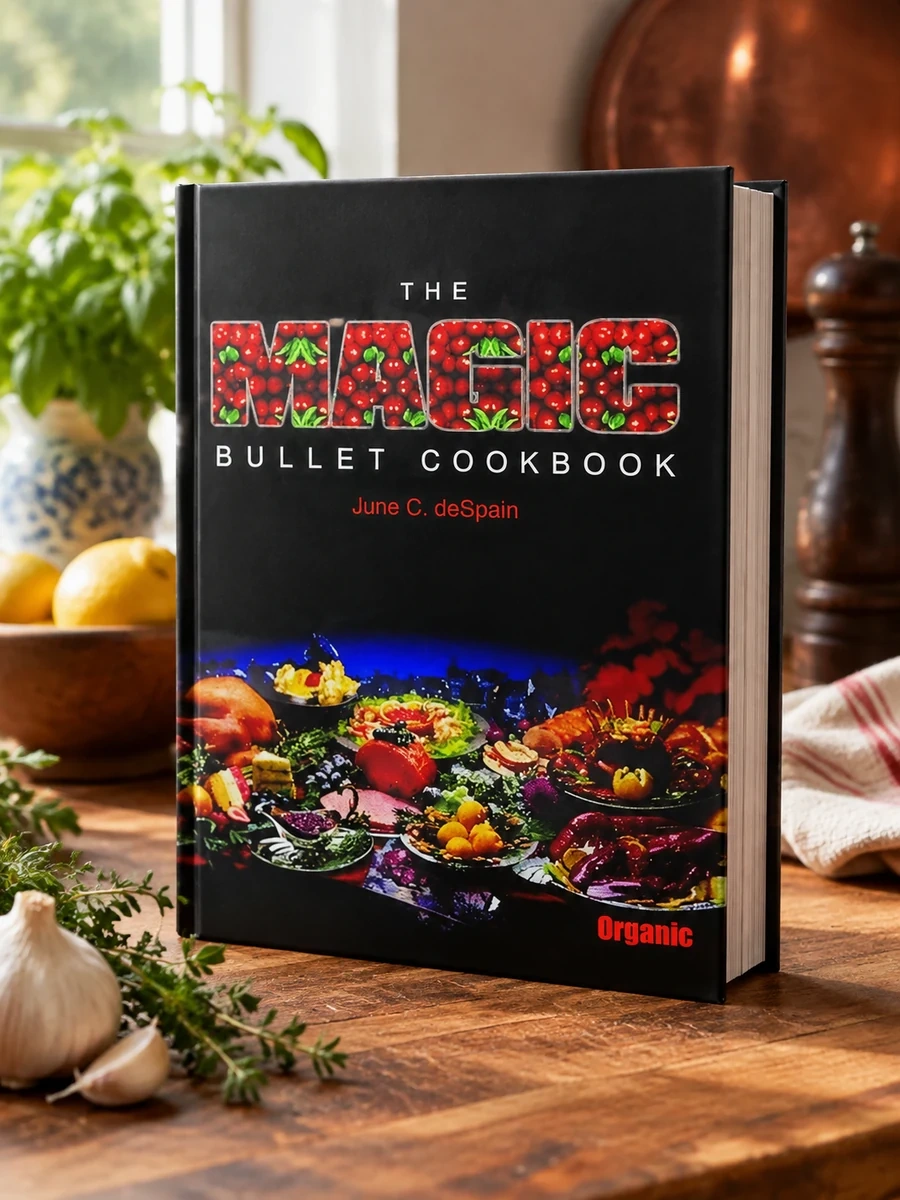
“If you are managing a heart condition or strictly reducing sodium, this book is your new kitchen staple. It suits home cooks with standard pantry staples who want familiar global flavors. Those seeking lightning-fast weeknight meals or traditional heavy-salt baking might find the prep demanding.
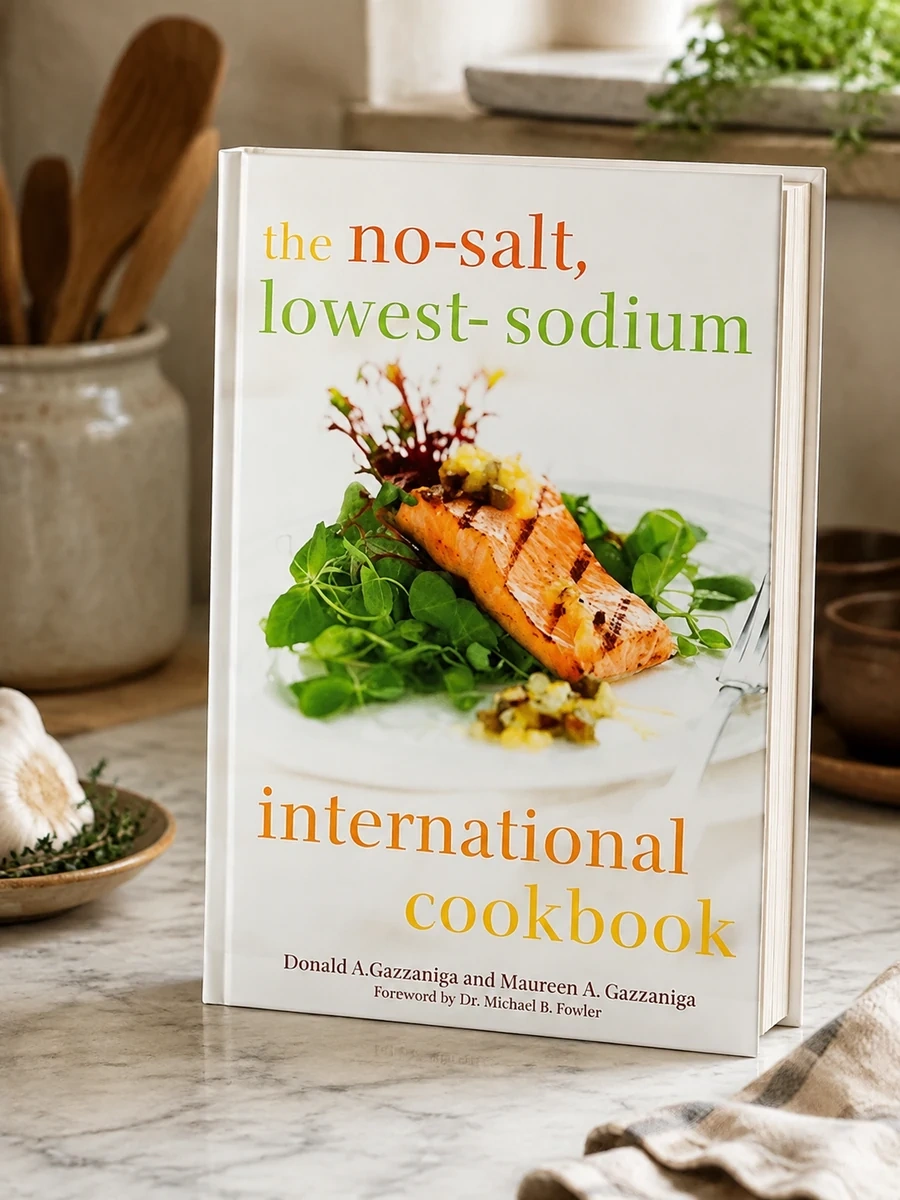
📝 Description: The No-Salt, Lowest-Sodium International Cookbook
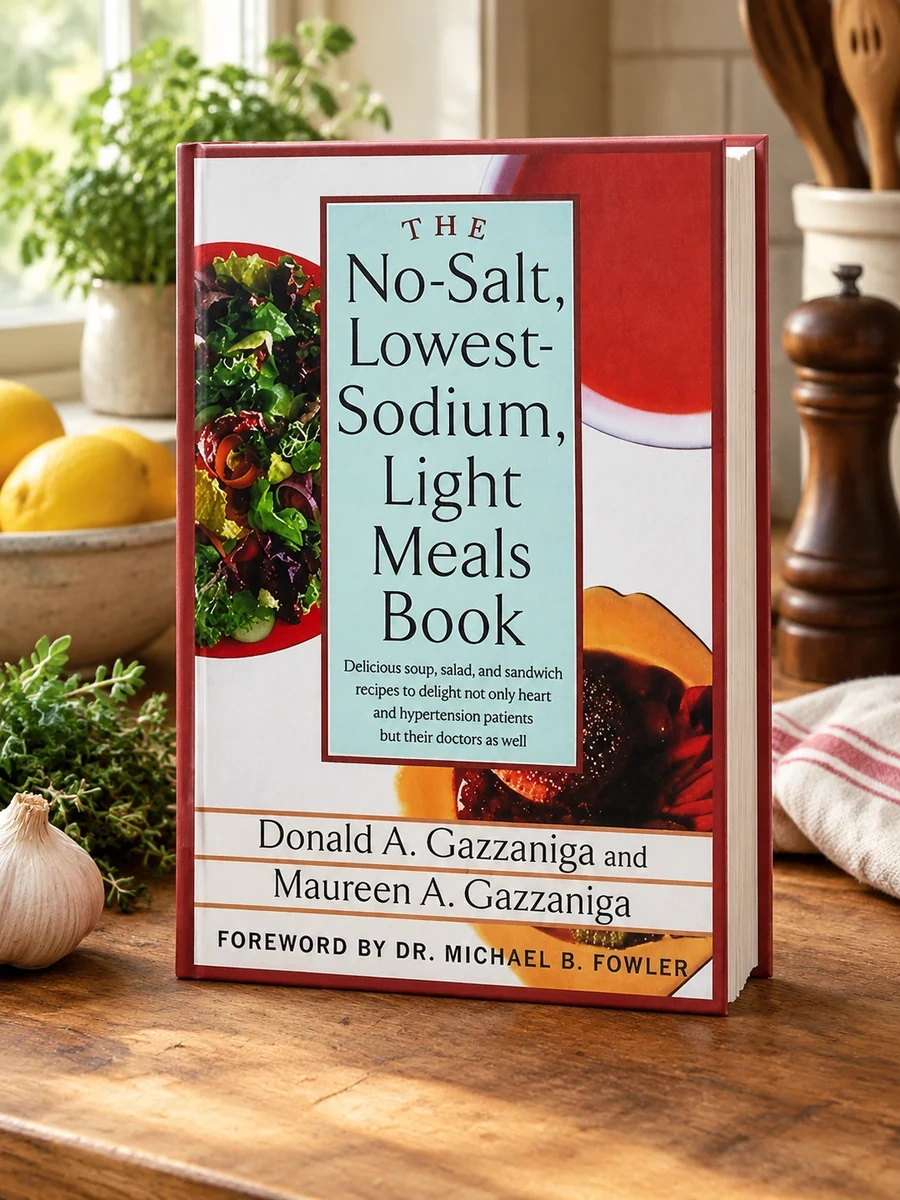
When a serious heart problem caused Don Gazzaniga to give up his career in communications, he was warned to keep to a diet with very little salt or other sodium. Undaunted, he discovered a way to continue enjoying the meals he loved and still keep his sodium level far below what most cardiologists feel they can expect from their patients. The idea has led to three published books found on the kitchen shelves of thousands of grateful families dealing with congestive heart failure. First came a large general cookbook. It was followed by a baking book, and then a book of recipes for light meals and snacks. What could be next? Before Don's illness, he and his wife, Maureen, traveled a lot. Don's job took him all over the globe. And wherever they went, they sought out that country's traditional dishes. When the light-meals book was finished, Don was looking for yet another low- sodium cookbook idea. He and Maureen pulled out their collection of recipes, did their magic of making them very low on sodium, and voila! A delicious and healthy treat for the entire family.
💎 Expert review
“
🍳
Eatbook Family editorial team
Cookbook desk
Gazzaniga’s work is a specialized tool for those with severe cardiac conditions requiring drastic sodium reduction. It does not suit casual cooks seeking bold, salty flavors or those unwilling to alter traditional recipes significantly. The tone is practical and encouraging rather than gourmet-focused. While the low-sodium constraint limits ingredient choices, the international scope prevents monotony. Readers expecting complex culinary techniques will be disappointed; this is about accessible health management through flavor substitution and global inspiration.
✓ EDITOR'S REVIEW
⭐ Reader reviews
The starting rating comes from the team Eatbook Family —
If you are managing a heart condition or strictly reducing sodium, this book is your new kitchen staple. It suits home cooks with standard pantry staples who want familiar global flavors. Those seeking lightning-fast weeknight meals or traditional heavy-salt baking might find the prep demanding.
Reader rating
4.4
Based on 1 reviews
5
0
4
1
3
0
2
0
1
0
E
Eatbook Family editorial team
Gazzaniga’s work is a specialized tool for those with severe cardiac conditions requiring drastic sodium reduction. It does not suit casual cooks seeking bold, salty flavors or those unwilling to alter traditional recipes significantly. The tone is practical and encouraging rather than gourmet-focused. While the low-sodium constraint limits ingredient choices, the international scope prevents monotony. Readers expecting complex culinary techniques will be disappointed; this is about accessible health management through flavor substitution and global inspiration.
❓ Frequently asked questions
Not at all; the recipes rely on accessible pantry items, ingeniously tweaked to replace high-sodium flavor boosters with aromatic herbs and spices.
The techniques are straightforward and geared toward everyday home cooking, though successfully removing salt requires patience and a willingness to build flavor from scratch.
📖 Who should read this
If you are managing a heart condition or strictly reducing sodium, this book is your new kitchen staple. It suits home cooks with standard pantry staples who want familiar global flavors. Those seeking lightning-fast weeknight meals or traditional heavy-salt baking might find the prep demanding.
📜 Historical context
Born from personal necessity after a serious cardiac diagnosis, this collection translates world cuisine into heart-healthy fare. Drawing on global travels and decades of adaptation, the author reshapes traditional international dishes to meet strict modern medical guidelines without sacrificing the rich cultural character of the food.