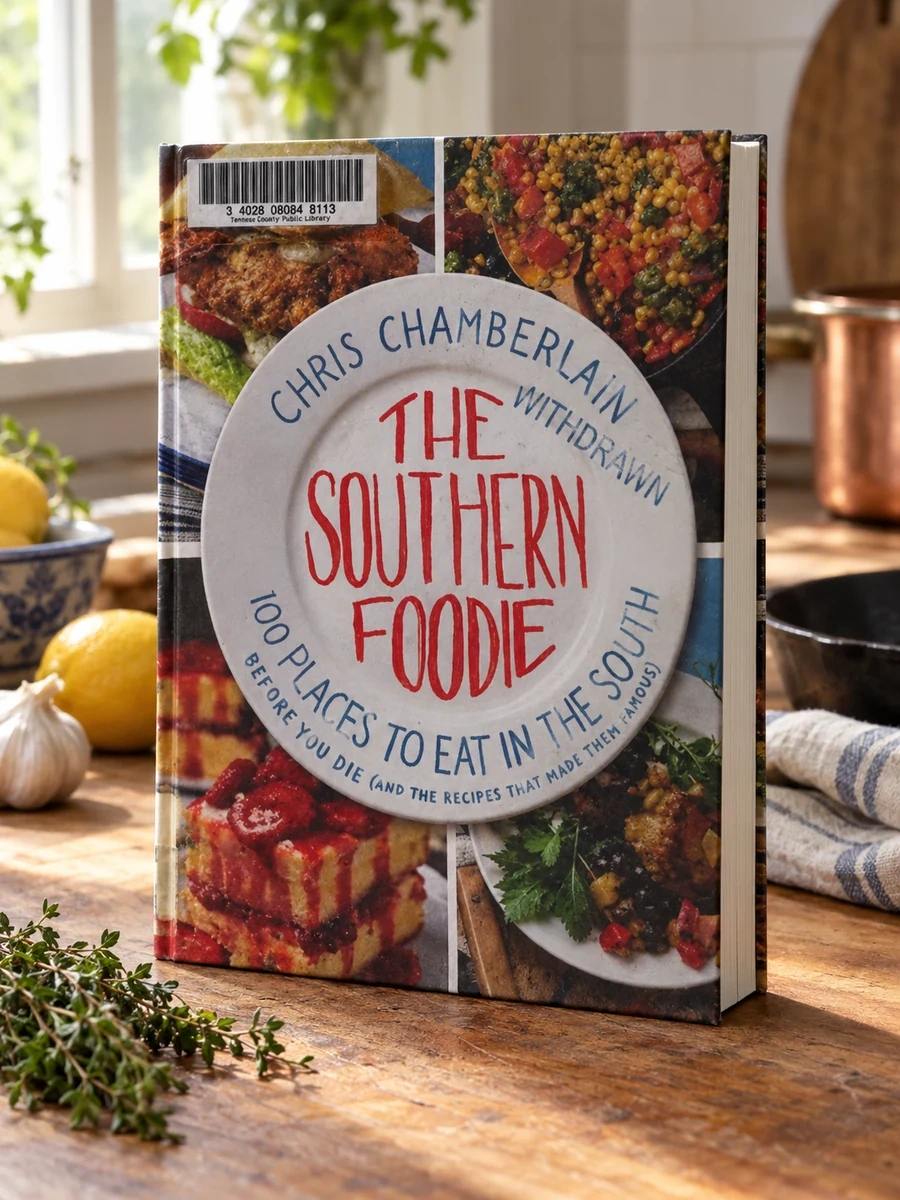
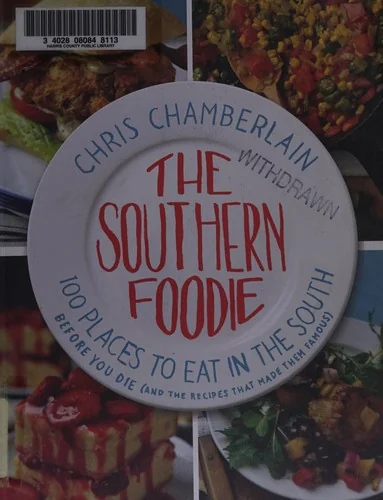
The Southern Foodie: 100 Places to Eat in the South Before You Die (and the Recipes That Made Them Famous)
✍️ Chamberlain, ChrisA guide to one hundred Southern restaurants with accompanying pork recipes.
Chamberlain focuses on the versatility of pork as a central protein in Southern cooking. He interviews chefs from fifty establishments to reveal their secret techniques for preparing bacon, barbecue, and other pig-based dishes. The narrative moves geographically through Southern states, showcasing local talents in Charleston and Lower Alabama. Each restaurant entry includes specific recipes that readers can attempt in their own kitchens. The text also provides guidance on selecting quality pork and understanding different cuts. This approach connects the dining experience directly to home preparation, bridging the gap between restaurant visits and domestic cooking.
The book reflects American Southern culinary traditions, specifically focusing on pork-centric dishes and regional dining culture. It draws on the practices of chefs and pitmasters from states like South Carolina and Louisiana, highlighting how local ingredients shape distinct flavors in the region.


📝 Description: The Southern Foodie: 100 Places to Eat in the South Before You Die (and the Recipes That Made Them Famous)
💎 Expert review
📖 Why choose it
Why this book is worth reading
Home cooks obsessed with Southern pork dishes will find this book indispensable for its direct link between restaurant experiences and kitchen execution. Readers seeking to master specific techniques for bacon, barbecue, and whole hog roasting benefit from the fifty chef contributions that demystify professional methods. The practical guidance on selecting cuts makes it a useful reference for grocery shopping, while the geographic structure aids in planning culinary trips. It bridges the gap between dining out and cooking at home effectively.
⭐ Reader reviews
Reader rating
This guide serves travelers and pork enthusiasts but excludes those seeking general Southern history or diverse protein options. Its narrow focus on pig-based dishes may alienate readers interested in seafood or vegetarian regional specialties. While the fifty chef interviews provide valuable technical insights, the lack of broad culinary context limits its appeal as a comprehensive cultural study. It is best suited for those who want concrete recipes and location data rather than abstract theory.
❓ Frequently asked questions
📖 Who should read this
Home cooks eager to recreate Southern pork dishes. Readers seeking restaurant guides paired with actionable recipes. Those interested in regional culinary history and chef interviews who want to bridge the gap between dining out and cooking at home.