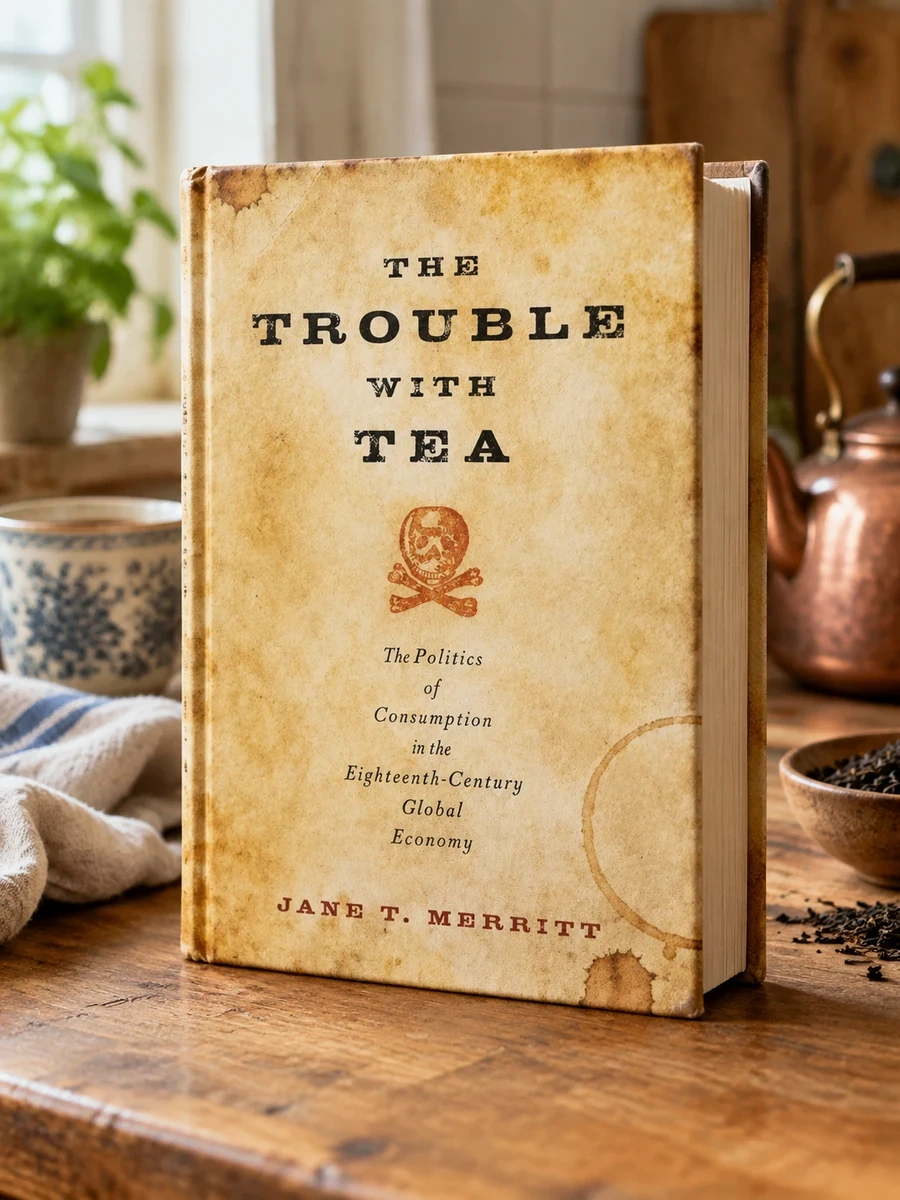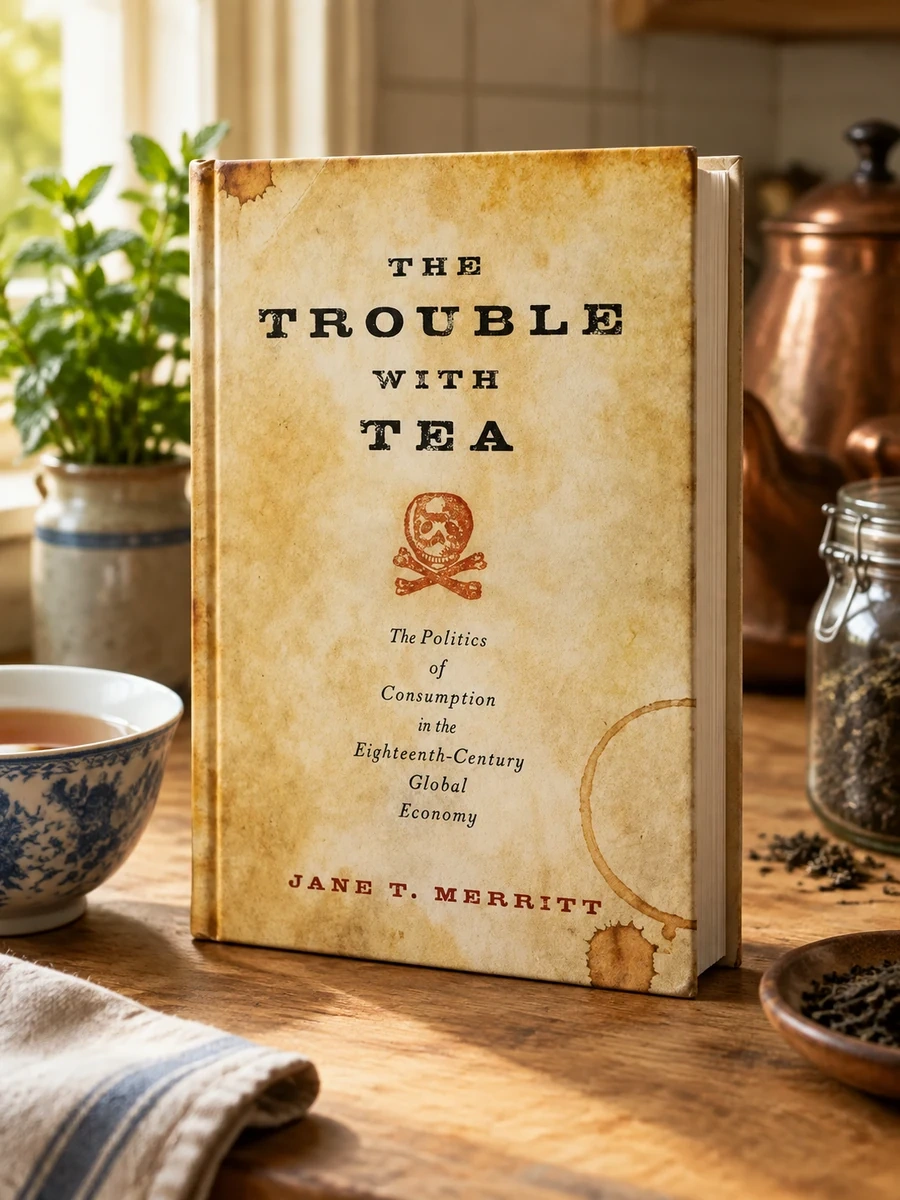
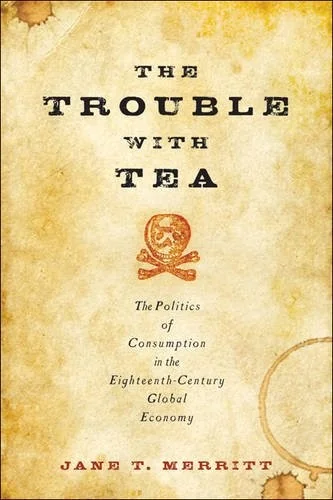
The Trouble with Tea: The Politics of Consumption in the Eighteenth-Century Global Economy
✍️ Merritt, Jane TA historical analysis of tea's role in eighteenth-century global trade and politics.
Merritt argues that the East India Company created a surplus of tea through corporate decisions, not just consumer demand. This surplus forced merchants to look toward North America for new markets. American consumers gradually adopted tea due to clever marketing and the availability of sugar from the Caribbean. By the 1750s, tea became a daily necessity rather than a luxury. The Boston Tea Party represented a rejection of this economic entanglement, symbolizing resistance to British taxation and control. Merritt shows that political meanings shifted alongside consumption habits, influencing both imperial policy and colonial identity.
This book focuses on the eighteenth century, specifically the period leading up to the American Revolutionary War. It examines the economic and political connections between Great Britain and its North American colonies during this era of imperial expansion and conflict.


📝 Description: The Trouble with Tea: The Politics of Consumption in the Eighteenth-Century Global Economy
💎 Expert review
📖 Why choose it
Why this book is worth reading
Readers interested in economic history, the Revolutionary Period, and the global trade dynamics of the eighteenth century gain a nuanced perspective on how everyday consumer habits intertwine with imperial politics. Rather than attributing market growth solely to consumer demand, this book reveals how corporate strategies by the East India Company and British imperial policies flooded markets with a tea surplus. Food historians, scholars of colonial identity, and those curious about the geopolitical roots of the Boston Tea Party will appreciate how a simple beverage transformed from an elite luxury into a daily necessity through strategic marketing and the parallel availability of Caribbean sugar.
⭐ Reader reviews
Reader rating
Jane T. Merritt delivers a rigorous and detailed examination of how corporate machinations and imperial ambitions influenced colonial politics and merchant finances. The text skillfully links daily consumption habits to broader imperial struggles, showing how political meanings shifted alongside changing market behaviors. However, prospective buyers should note that this is a dense academic and historical study rather than a casual beverage guide. It explicitly lacks simple recipes or light-hearted culinary trivia, making it poorly suited for readers seeking a relaxing casual read or practical drink-making advice.
❓ Frequently asked questions
📖 Who should read this
This title suits history students and scholars focused on eighteenth-century global trade networks. It appeals to readers interested in the economic origins of colonial identity and the political implications of daily consumption habits during this pivotal era.