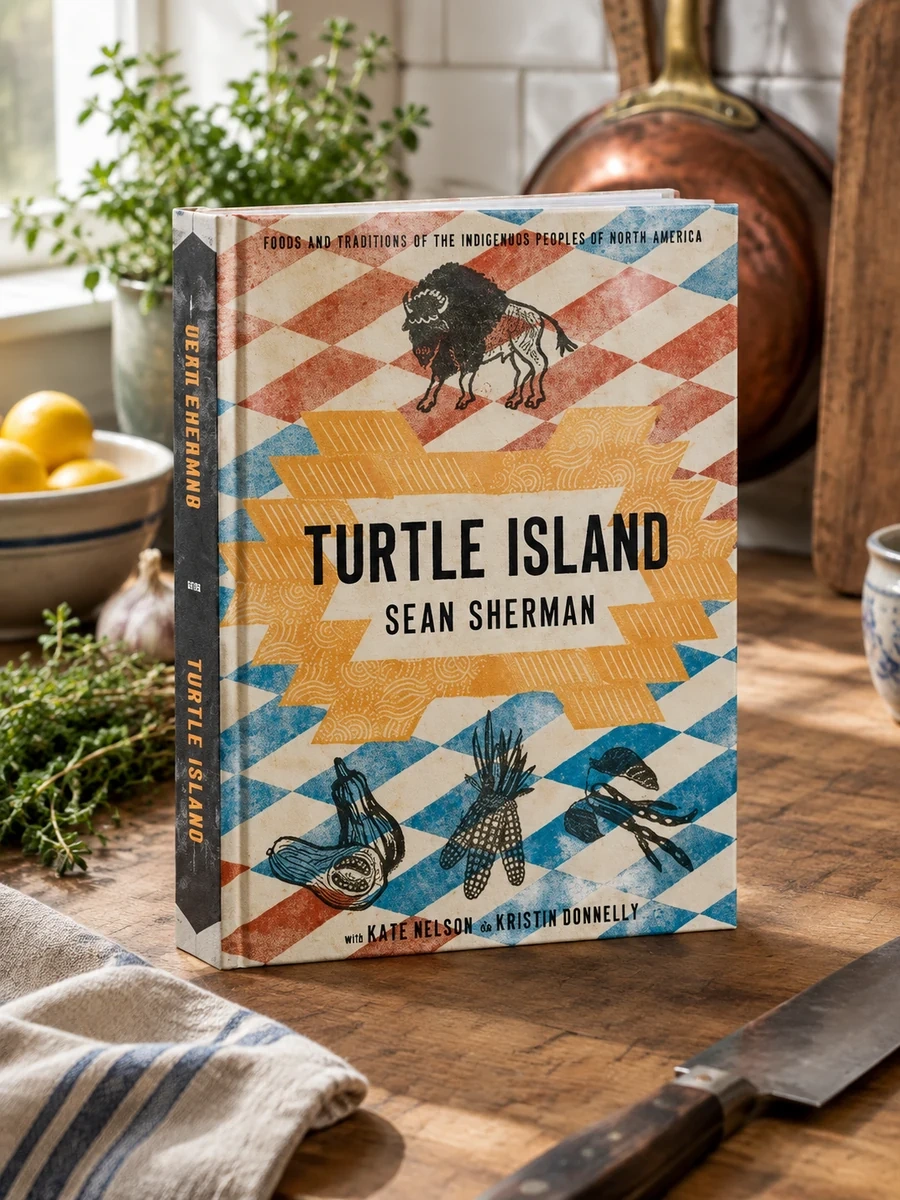
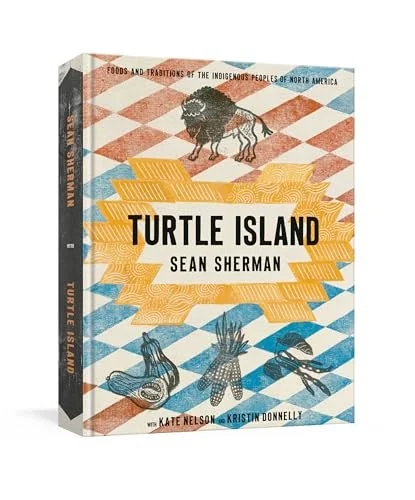
Turtle Island: Foods and Traditions of the Indigenous Peoples of North America
✍️ Sherman, SeanA regional guide to ancestral and modern recipes by chef Sean Sherman.
Sherman uses his expertise as a leading figure in the Indigenous food movement to document the diverse diets of Turtle Island. He moves beyond standard cookery by integrating social science perspectives on Native American history. The text serves as both a culinary instruction manual and a cultural record. It highlights how specific ingredients have sustained communities physically and spiritually for generations. By organizing content geographically, the author illustrates the variety of foodways across the continent. This structure allows readers to see how local landscapes dictate available resources and cooking methods.
The book addresses the history of Native American tribes in North America, specifically focusing on the period from ancestral times through modern eras. It centers on the continent known as Turtle Island across multiple Indigenous cultures, reflecting the enduring connection between these peoples and their land.


📝 Description: Turtle Island: Foods and Traditions of the Indigenous Peoples of North America
💎 Expert review
⭐ Reader reviews
Reader rating
Sherman effectively bridges the gap between culinary practice and historical documentation. The geographic structure provides clear insight into how specific environments dictate available resources and cooking methods across the continent. This approach ensures recipes are grounded in authentic cultural context rather than isolated techniques. However, readers seeking quick weeknight meals or purely instructional steps without historical background may find the dense social science elements overwhelming. It is a serious study of foodways that prioritizes cultural preservation over convenience.
❓ Frequently asked questions
📖 Who should read this
Home cooks seeking deep cultural context alongside practical recipes. Ideal for those interested in Indigenous history and regional foodways who want to understand how local landscapes shape traditional diets and sustain communities through ancestral knowledge.