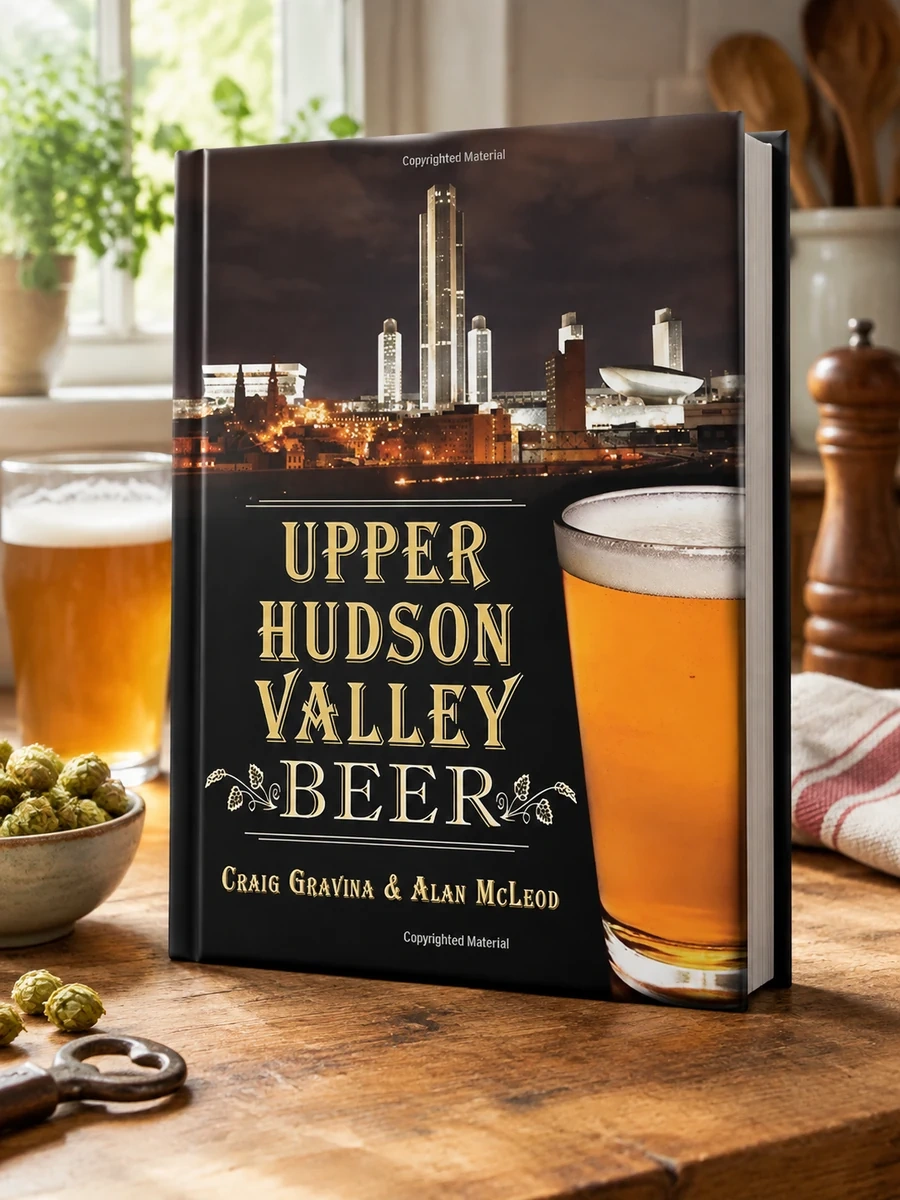
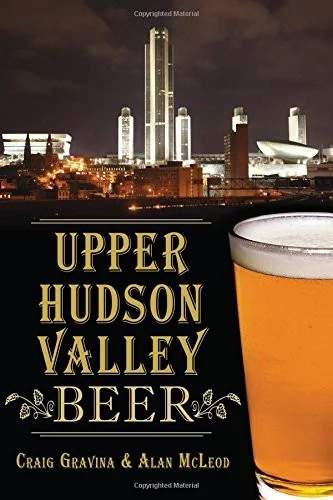
Upper Hudson Valley Beer
✍️ Gravina, CraigA historical account of brewing traditions in New York's Upper Hudson Valley from Dutch settlers to modern craft brewers.
This book examines the industrial and cultural shifts that shaped beer production in a specific New York region. It begins with early Dutch influences and moves through the colonial era, noting how wars impacted local trade. The authors analyze the economic boom driven by the Erie Canal and the export of Albany Ale. The narrative then addresses the suppression of the industry during Prohibition and its gradual recovery. Finally, it documents the resurgence of small breweries in the late twentieth century. The text relies on historical records rather than personal anecdotes or scientific analysis. It provides context for why certain towns became brewing hubs. The authors focus on the continuity of tradition despite external pressures. This approach appeals to history buffs who prefer factual accounts over romanticized narratives.
The book covers the period from the 1600s through the late twentieth century. It focuses on the Middle Atlantic region, specifically New York's Upper Hudson Valley and Capital District. The text addresses the transition from colonial Dutch settlements to modern craft breweries.


📝 Description: Upper Hudson Valley Beer
💎 Expert review
⭐ Reader reviews
Reader rating
Craig Gravina delivers a straightforward historical account of the Upper Hudson Valley brewing industry. The text effectively traces the evolution from Dutch settlers through the colonial era, highlighting the economic impact of the Erie Canal and the export of Albany Ale. It candidly addresses the suppression during Prohibition and the subsequent resurgence of small breweries. However, this book will not suit readers seeking practical brewing recipes or romanticized stories. It is strictly for those who prefer factual analysis of cultural and industrial shifts over personal anecdotes.
❓ Frequently asked questions
📖 Who should read this
Readers interested in New York state history and local brewing heritage will appreciate this detailed account. It suits those who enjoy factual narratives about cultural shifts rather than modern recipe collections or personal memoirs from contemporary brewers.