If you're wondering where to start with Beatrice Ojakangas, the answer depends on what you want to cook. Her work spans Scandinavian and Finnish food traditions, breads, pastries, and familiar American comfort food. That range is part of her appeal, but it also makes choosing a first book less straightforward than simply picking the title with the word baking on the cover.
For most home cooks, a broad regional cookbook is the most useful starting point. From there, a dedicated Finnish cookbook makes sense if you want to understand the traditions behind the recipes, while a bread specialist is a better next step if mixing dough and learning how ingredients behave are your main interests. You don't need to read every book in publication order; you need an order that matches your appetite, experience, and kitchen routine.
This guide arranges nine Ojakangas books by practical usefulness rather than publication date. The descriptions and recommendations focus on each title's stated subject and intended appeal, so you can distinguish a broad introduction from a more specialized addition to your cookbook shelf.
Start with Scandinavian and Finnish cooking
Begin here if you're new to Ojakangas or want a book that connects recipes with a specific food culture. These first three choices establish the regional foundation before you move into more technical baking or narrower subjects.
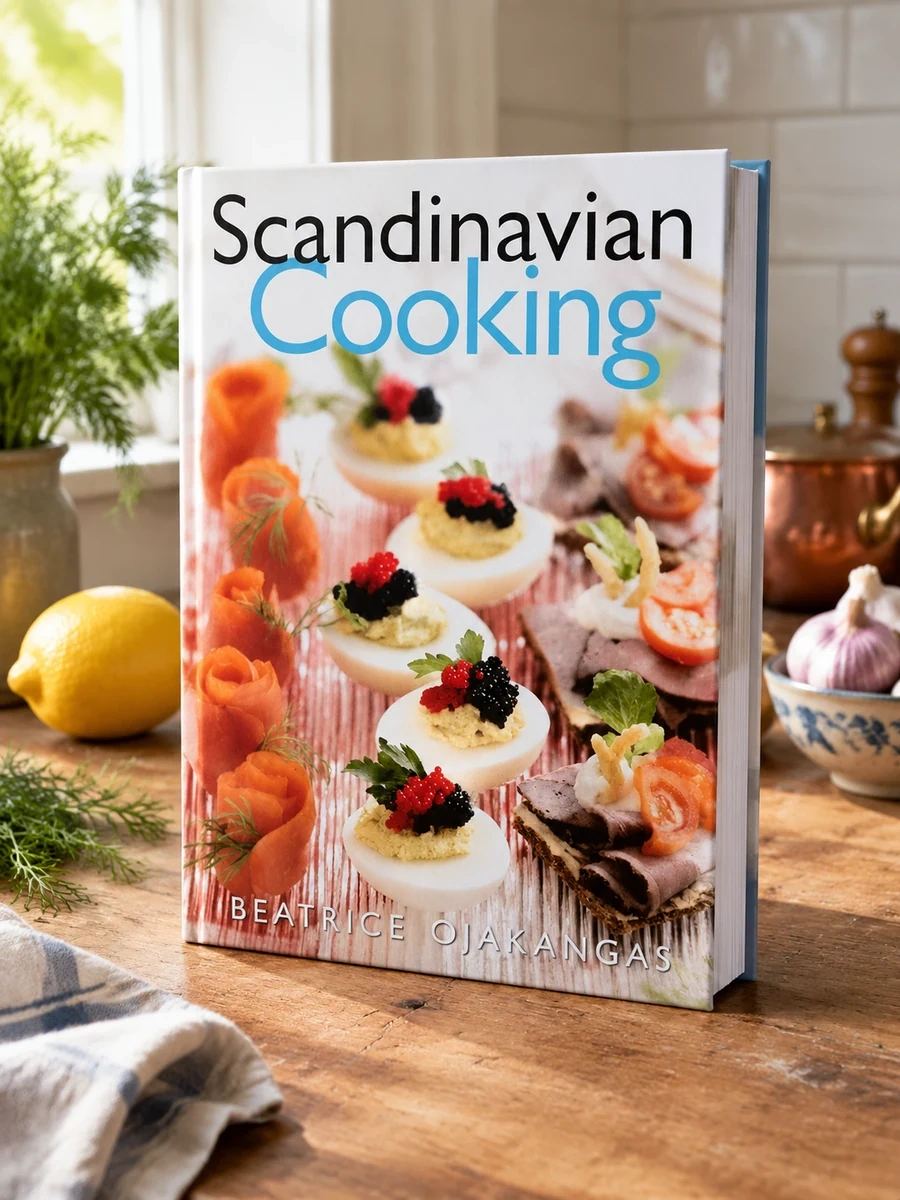
1. Scandinavian Cooking (Univ of Minnesota PR) — Beatrice Ojakangas
This is the strongest first stop for a reader who wants to explore Scandinavian cooking as a whole rather than specialize in one baked good. Its regional scope makes it the natural foundation for understanding the food traditions that connect the rest of Ojakangas's work. Start here if you want flexibility: a general Scandinavian cookbook gives you a broader frame for deciding which dishes and techniques deserve more attention next.
It is also the sensible choice for a household with several interests at once. Someone drawn to Nordic food for its everyday cooking can start with this book, while a baker can use it as a starting point before moving to the more focused bread titles. If you want one Ojakangas book first and don't yet know which branch of her work will hold your attention, this is our recommendation.
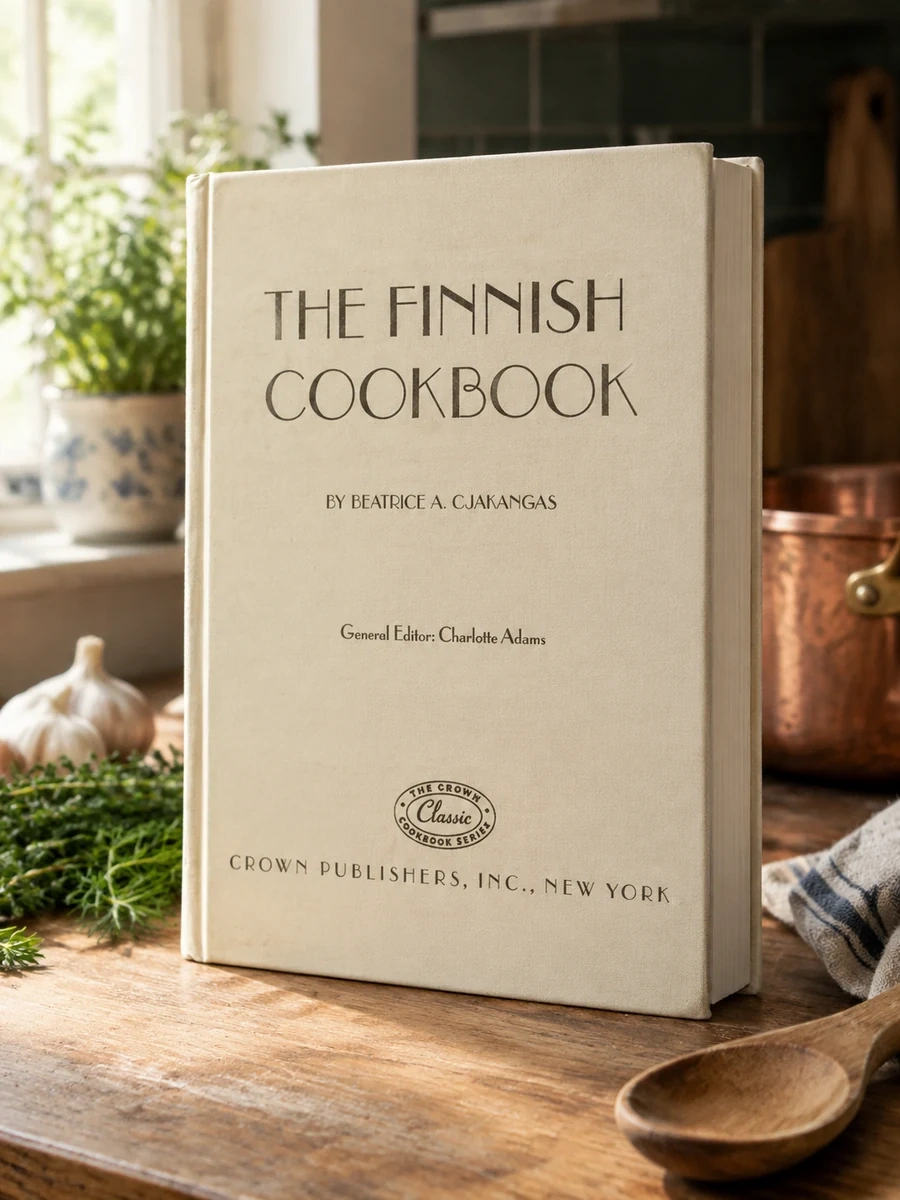
2. The Finnish Cookbook: Finland's Best-Selling Cookbook Adapted for American Kitchens Includes Recipes for Sour Rye Bread, Bishop's Pepper Cookies, and Finn — Beatrice Ojakangas
Choose this next if Finnish food is the specific tradition you want to understand. The catalog title highlights sour rye bread and Bishop's pepper cookies, making clear that baking is part of its appeal, but the book's larger identity is Finnish cooking adapted for American kitchens. That combination is useful for cooks who want to explore a national food tradition without treating every recipe as a specialized baking project.
Compared with a general Scandinavian collection, this is the more focused choice. It makes sense for readers interested in Finnish heritage cooking, for anyone drawn to rye bread and traditional cookies, and for cooks who want a clearer cultural reference point before branching into more technical bread books. If Finland is your main interest, you can reasonably make this your first purchase instead of following the numbered order strictly.
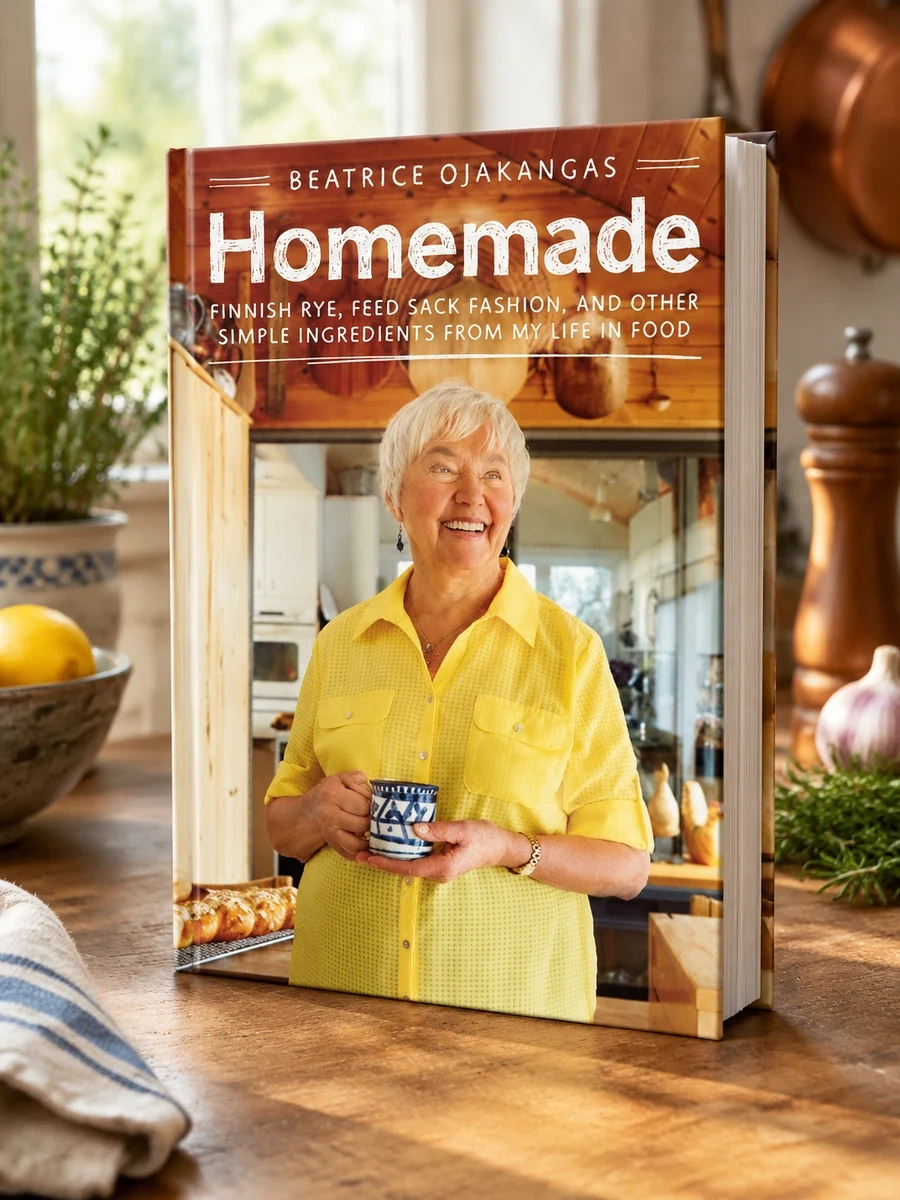
3. Homemade: Finnish Rye, Feed Sack Fashion, and Other Simple Ingredients from My Life in Food — Beatrice Ojakangas
After exploring the recipes, turn to this more personal title if you want to connect food with the experiences and everyday ingredients that shape a cook's life. Its subtitle brings together Finnish rye, feed-sack fashion, and simple ingredients, suggesting a broader food-and-life perspective rather than a narrowly technical manual. It is the best fit here for readers who enjoy the story behind a culinary tradition as much as the dishes themselves.
This book is not the one to prioritize if your immediate goal is to master bread shaping or find the fastest route to dinner. Think of it as a companion to the more recipe-focused books: it can add context and personality to a collection already rooted in Scandinavian or Finnish cooking.
Move into bread baking at your own pace
Once you know which flavors and traditions interest you, choose a bread book according to the kind of work you want to do. The difference between quick breads and whole-grain baking is practical, not just stylistic: one emphasizes convenience, while the other offers a more focused exploration of grains and bread-making.
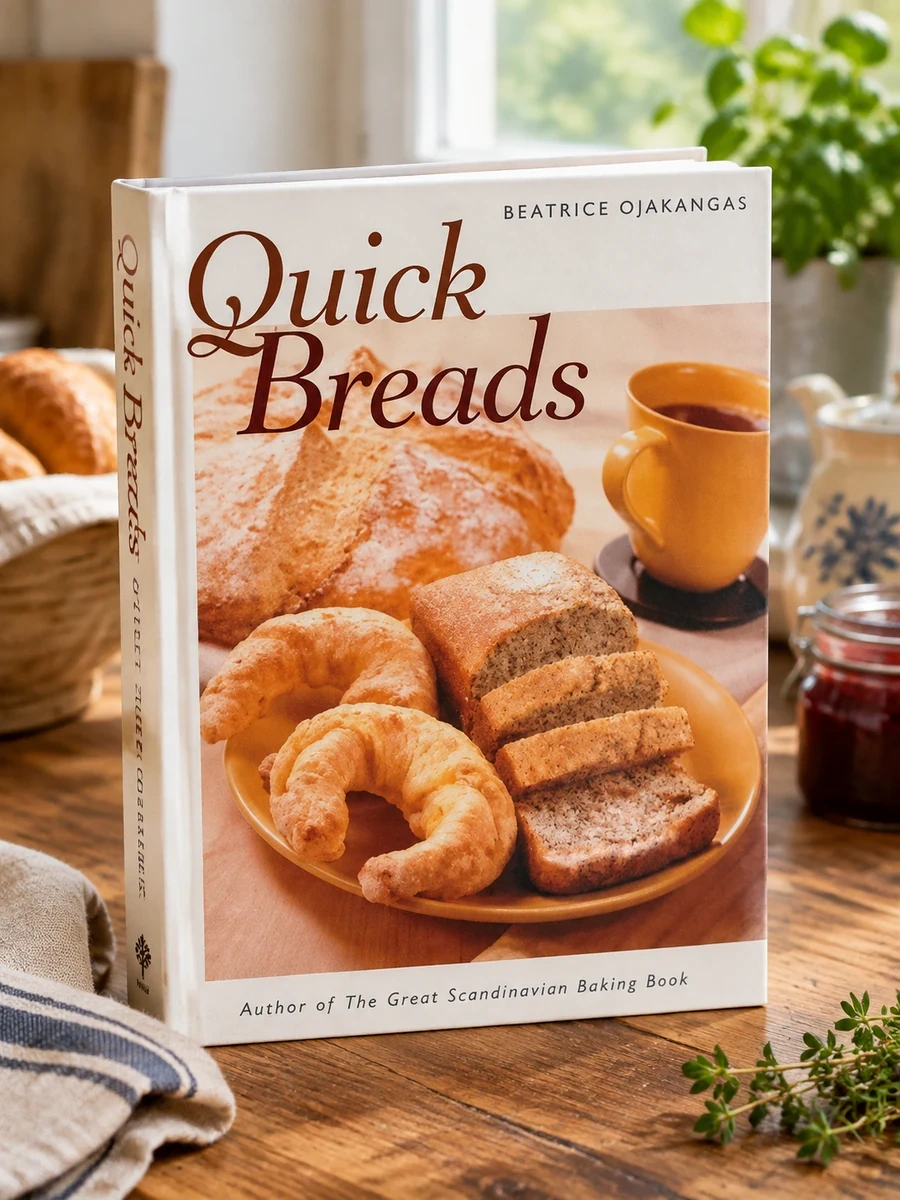
4. Quick Breads — Beatrice Ojakangas
For a busy home cook or an inexperienced baker, this is the easiest next step. Quick breads avoid the waiting and rising associated with conventional yeast breads, so the format suits days when you want a homemade loaf or similar bake without scheduling your afternoon around dough. It is the practical choice if convenience matters more than studying traditional fermentation or working through longer bread-making processes.
Start here if you're still building confidence with measuring, mixing, and recognizing when a batter is ready for the oven. It also makes a useful counterpoint to the more specialized books in this list: you can practice baking regularly while leaving the more involved projects for weekends. Readers who already bake quick breads often may prefer to skip ahead to the whole-grain title.
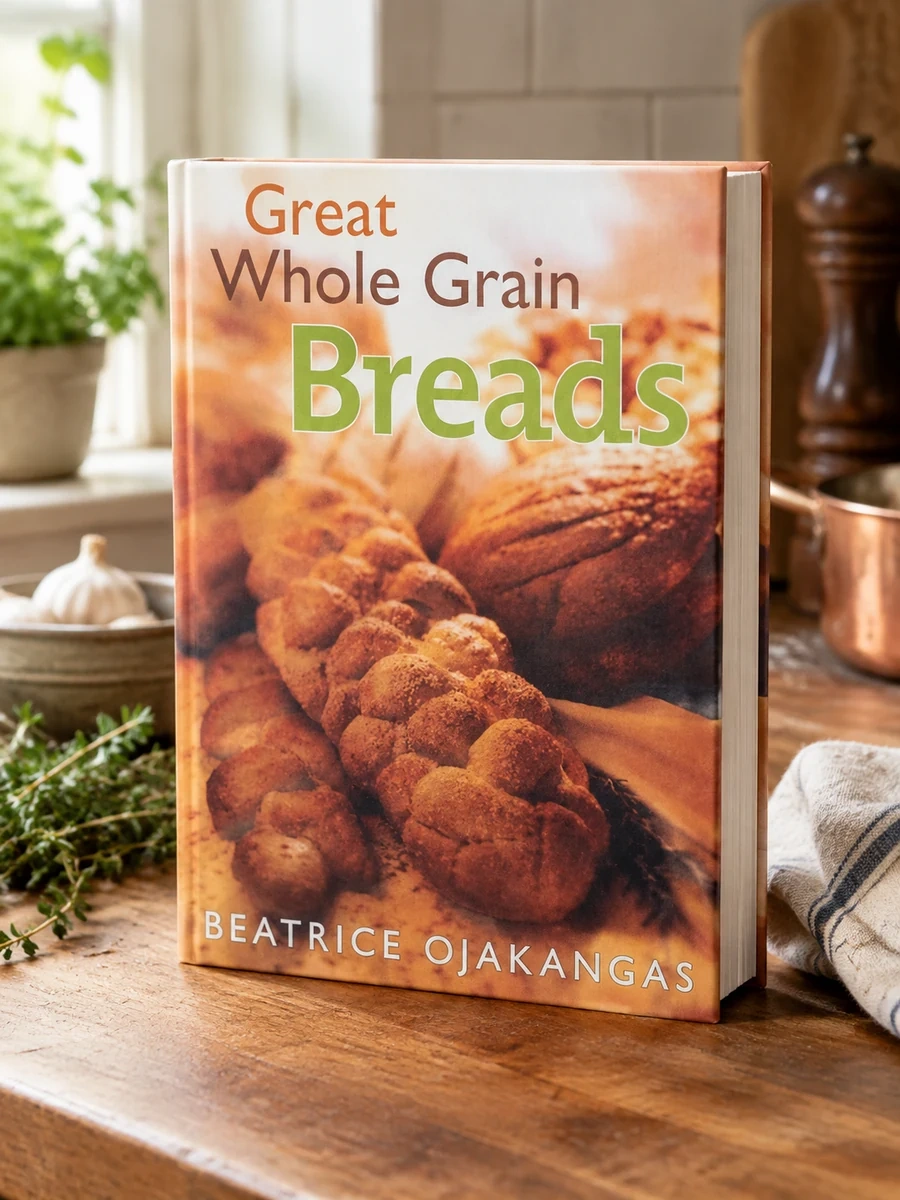
5. Great Whole Grain Breads — Beatrice Ojakangas
This is the next choice for someone who wants to concentrate on bread rather than keep baking as an occasional side activity. Its subject is explicit: whole-grain breads. That narrower focus makes it a better match for readers who are curious about using grains beyond the familiar white loaf and want a book centered on this category of baking.
It is not necessarily the easiest first book for someone who has never baked anything. If you're learning the basics, begin with Quick Breads and move here when you're ready to spend more attention on bread ingredients and technique. Experienced home bakers, meanwhile, can start with this title immediately if whole-grain baking is the reason they came to Ojakangas in the first place.
Expand into regional baking and everyday comfort food
The final four books take you beyond the initial regional overview and the first bread projects. One offers another perspective on American food, one narrows the field to a particular dish, and two round out the collection with practical combinations of familiar foods.
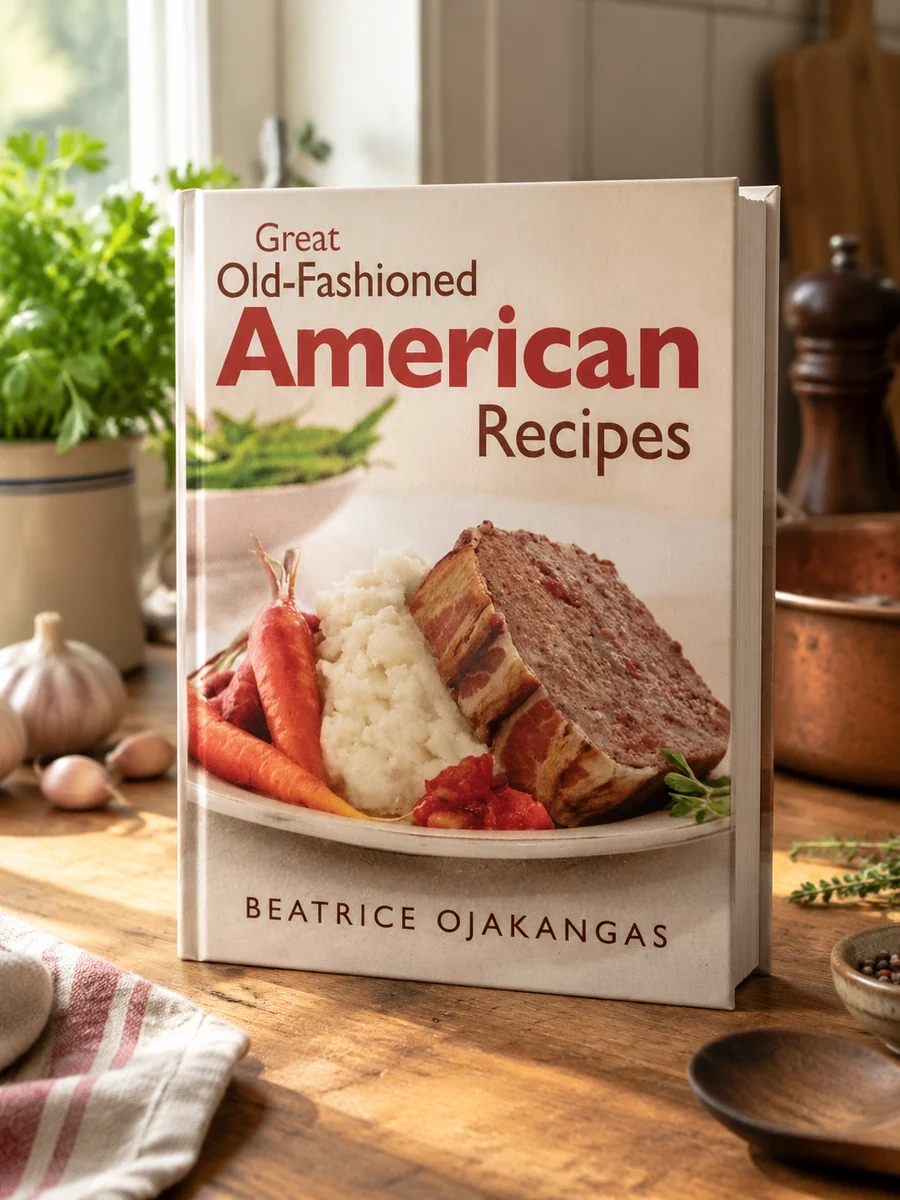
6. Great Old-Fashioned American Recipes — Beatrice Ojakangas
Not every Ojakangas reader is looking for Nordic cooking every night. This title offers a route into traditional American recipes, making it a useful choice for people who enjoy home-style food and want to broaden their collection beyond Scandinavian specialties. It belongs in the reading order after the regional introductions because it changes the culinary lens rather than simply deepening the focus on Finland or bread.
Choose it if your everyday cooking tends toward familiar, traditional dishes and you want a book that fits that preference. It is also a reasonable gift for a home cook who appreciates classic American food but may not be looking for a baking-intensive project. If regional cooking is your priority, this can move much higher on your personal list.
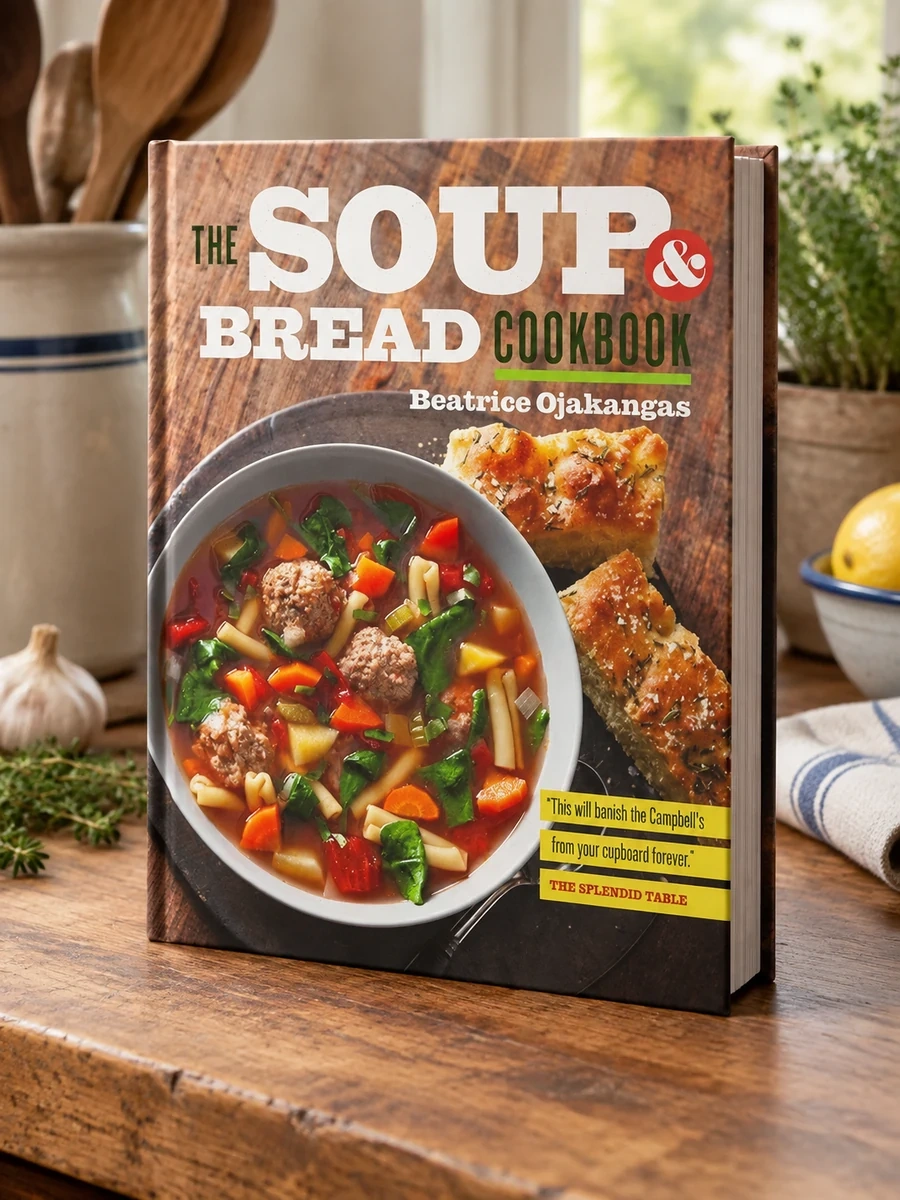
7. The Soup and Bread Cookbook — Beatrice Ojakangas
Soup and bread are a natural pairing for cooks who want a meal that feels complete without building a menu around several separate dishes. This title focuses on that combination, giving it a clear role in a practical home-cooking collection. It is especially appealing if you want to connect your interest in bread with a familiar everyday meal rather than treat baking as a standalone hobby.
For a reader who already owns a general regional cookbook, this is a sensible next addition because its subject is more specific. It also offers a useful bridge between the bread-focused titles and broader cooking: bread becomes part of a meal plan, not simply something to serve on its own. If your priority is weeknight practicality, consider moving this book ahead of the more specialized baking projects.
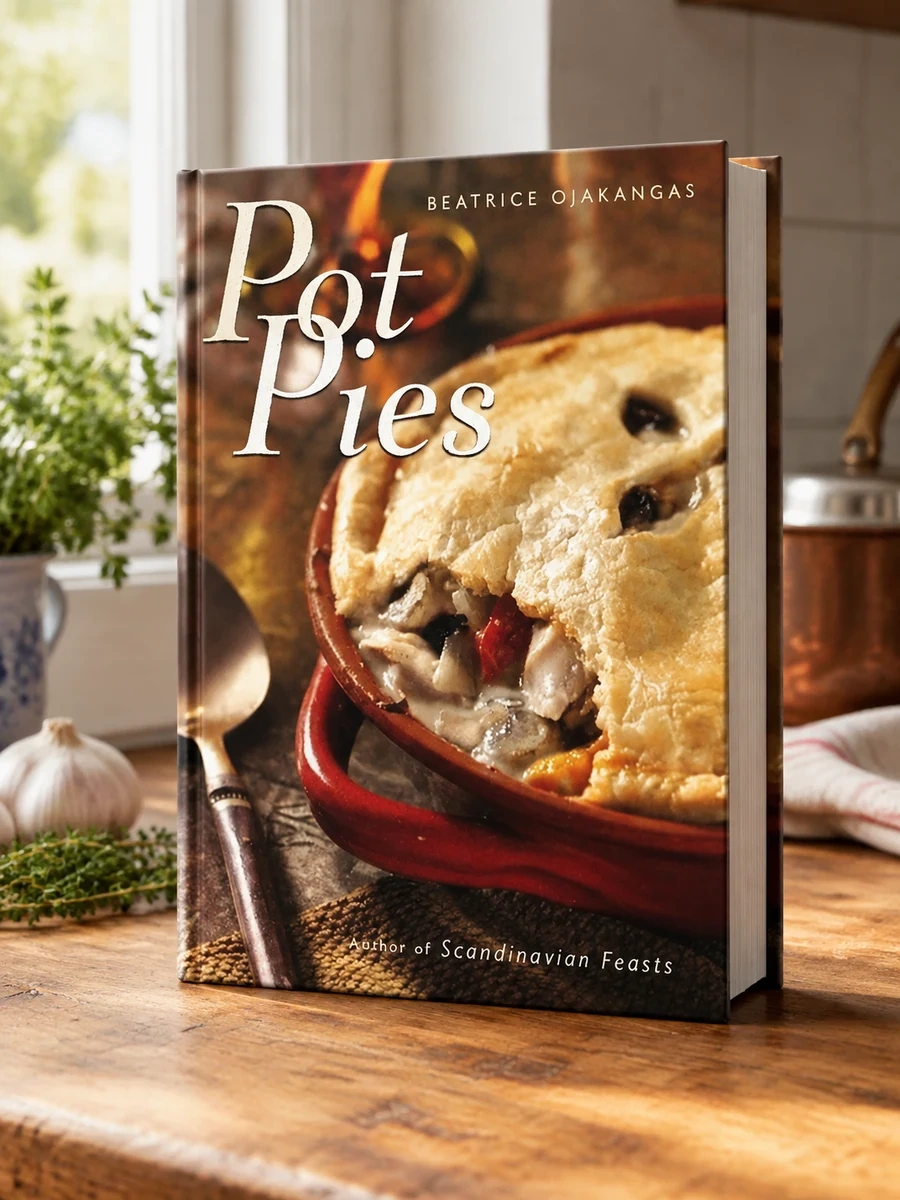
8. Pot Pies — Beatrice Ojakangas
Pot pies are the choice for cooks who want a focused book devoted to one familiar comfort-food format. Rather than adding another broad regional survey, this title concentrates your attention on a particular kind of dish. That makes it appealing to readers who already know they enjoy savory pies and want a dedicated reference for exploring them further.
It is a more specialized purchase than the first few books, so there is little reason to put it ahead of a general cookbook unless pot pies are already a favorite. Consider it a targeted addition for a home cook who likes the contrast of a savory filling and a pastry or crust topping. It also offers a different direction for someone whose Ojakangas collection has so far been dominated by breads and Scandinavian baking.
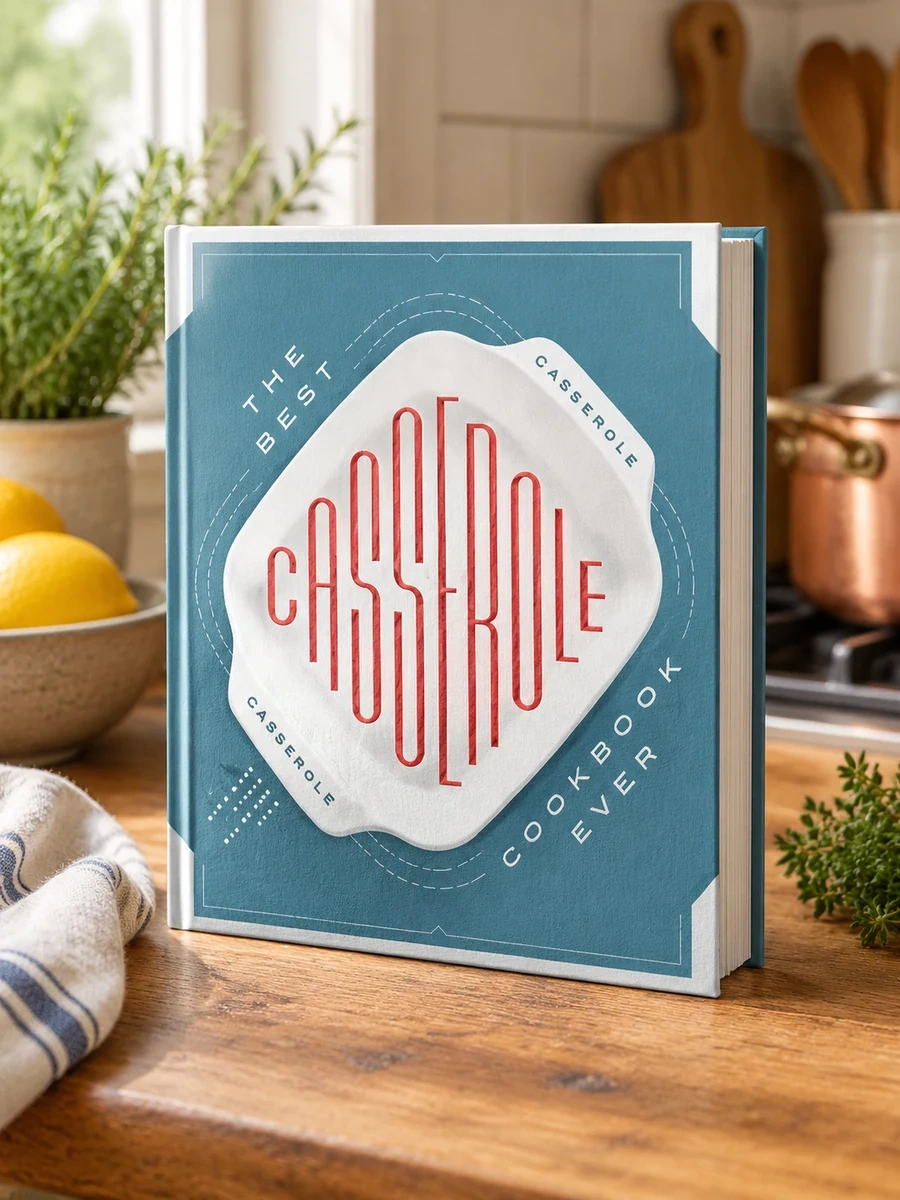
9. The Best Casserole Cookbook Ever — Beatrice Ojakangas
Finish the sequence with a book devoted to casseroles if you want to round out your collection with another familiar meal format. This is a practical, subject-specific title rather than an introduction to Scandinavian food or a guide to bread technique. It makes the most sense once you know that you enjoy Ojakangas's approach and want another focused resource for everyday cooking.
For some shoppers, this could actually be a better first book than several earlier entries. If your main interest is assembling comforting dishes for family meals, there is no need to start with Scandinavian cooking simply because it comes first in this guide. The numbering describes a useful route through the catalog, not a rule about which food you should enjoy cooking.
How to choose the right Beatrice Ojakangas cookbook
The best reading order is the one that gets you cooking. Use the following shortcuts if you would rather choose by skill level or interest than work through the list from beginning to end.
- For your first Ojakangas book: Start with Scandinavian Cooking for the broadest regional introduction, or choose The Finnish Cookbook if Finnish food is your clear priority.
- For a beginner baker: Pick Quick Breads. Its focus on breads that do not require conventional rising time makes it the most approachable option for cooks who want to bake without a lengthy process.
- For a committed bread baker: Go directly to Great Whole Grain Breads. It is the more targeted choice if grain variety and bread baking are your main interests.
- For Finnish food and heritage: Read The Finnish Cookbook, then consider Homemade for a more personal food-and-life perspective.
- For everyday family meals: Choose The Soup and Bread Cookbook, Pot Pies, or The Best Casserole Cookbook Ever according to the dishes you most enjoy preparing.
- For classic American cooking: Make Great Old-Fashioned American Recipes your first choice if familiar regional and traditional dishes interest you more than Scandinavian specialties.
Price can help settle the decision when two books appeal equally. In this catalog, several of the shorter, focused cookbooks are under $20, so you can explore a specific interest without committing to a larger collection. Check the current listing before deciding, since prices can change.
Our overall recommendation is to begin with Scandinavian Cooking if you want the broadest introduction, then branch into The Finnish Cookbook for regional depth or Quick Breads for an easy practical baking project. Add whole-grain breads when you're ready to focus, and choose the American comfort-food titles according to what you cook most often. That approach builds a collection around your actual kitchen habits instead of leaving you with several books that all serve the same purpose.