Mark Bittman is one of those cookbook authors whose name can turn up in several different corners of a home cook's bookshelf. You might know him for the enormous ambition of How to Cook Everything, his practical approach to weeknight meals, his vegetarian cooking, or his writing about the relationship between food, health and the way we live. The difficulty is deciding where to begin when so many of his books seem to answer different questions.
The best approach is to treat his catalog as a progression rather than a competition. Start with the fundamentals, establish a reliable everyday cooking routine, and then move into the subjects that interest you most. Some books are reference works; others are designed to make a particular kind of cooking easier or encourage a different way of thinking about meals. You do not need every one of them to become a better cook.
This reading and buying order brings together nine useful Mark Bittman books, moving from beginner-friendly instruction toward more specialized cooking and broader food philosophy. It is designed to help you choose a first book, build a practical collection over time, or find a thoughtful gift for someone who enjoys spending time in the kitchen.
Start with the foundations: learning to cook and building confidence
If you are new to Bittman, resist the temptation to begin with whichever specialist cookbook happens to catch your eye. His greatest strength is making ordinary cooking feel manageable. These first two books establish the basic skills and the wider repertoire that make the rest of his catalog easier to appreciate.
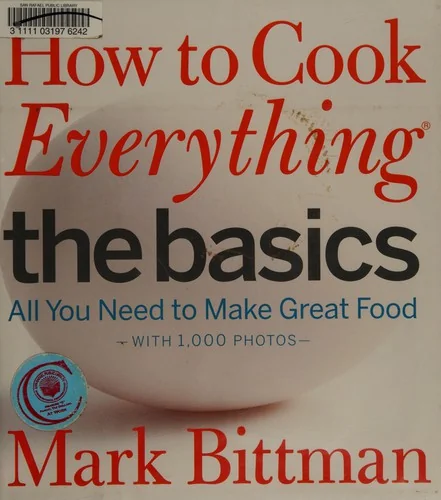
1. How to Cook Everything: The Basics: All You Need to Make Great Food--With 1,000 Photos — Mark Bittman
This is the most reassuring entry point for someone who is still learning what to do with a knife, a pan and a collection of everyday ingredients. Its defining feature is its extensive photographic approach: the book is intended to show foundational cooking processes rather than simply present a list of ingredients and expect the reader to work out the rest. That makes it particularly appropriate for nervous beginners who benefit from seeing what a technique should look like.
Think of this as the practical classroom version of Bittman's cooking philosophy. It is a sensible first purchase for a student moving into a first apartment, a new cook building confidence, or a family member who wants to become less dependent on prepared food. Experienced cooks may find it more introductory than they need, but for a genuine beginner that is precisely the point.
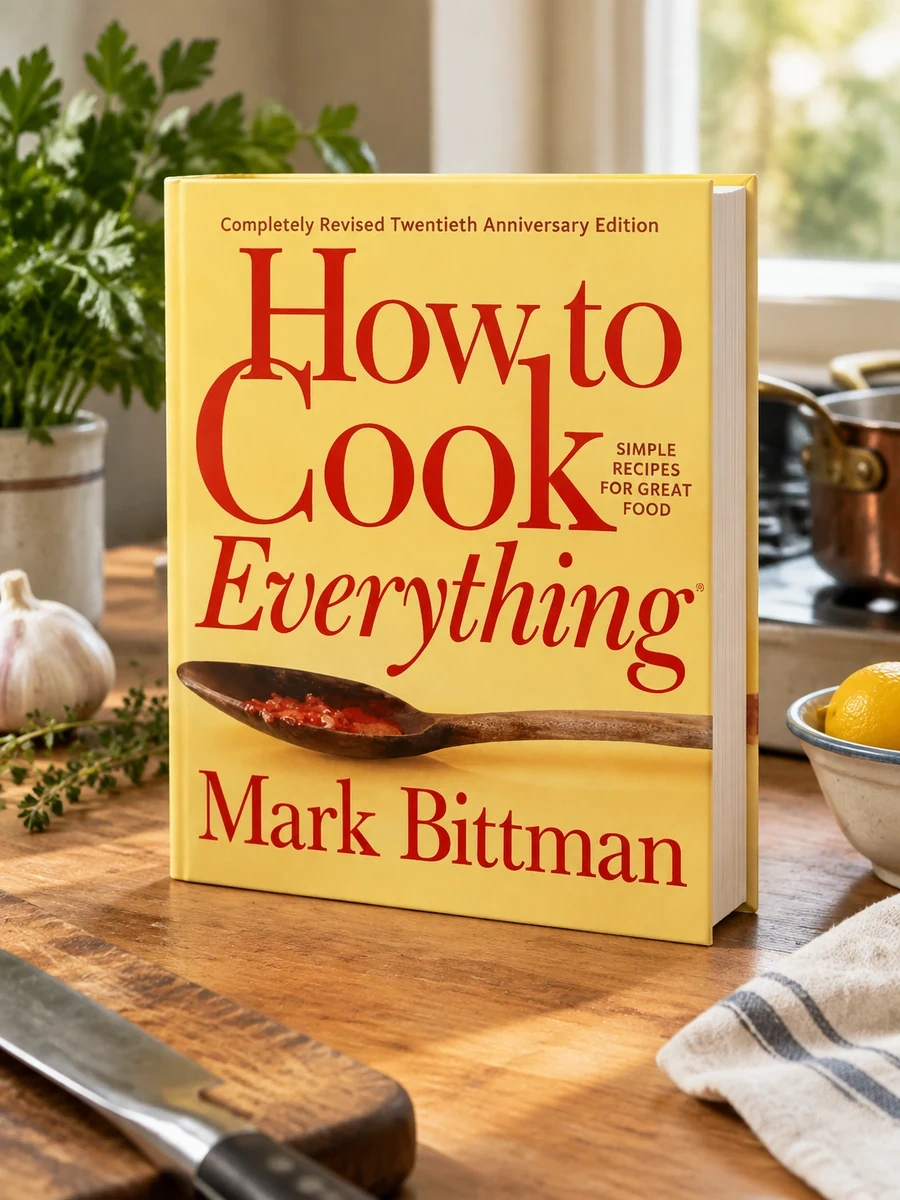
2. How to Cook Everything--Completely Revised Twentieth Anniversary Edition: Simple Recipes for Great Food — Mark Bittman
Once the basics feel familiar, move to the larger reference work. The twentieth-anniversary edition of How to Cook Everything is intended for a much broader cooking life: everyday meals, different ingredients and the practical decisions that arise when you want to make something without following a rigid, highly specialized formula. Its appeal is the breadth of its promise, bringing a large range of straightforward cooking into one reference volume.
There is an important distinction between this book and the first recommendation. The Basics is the more explicitly instructional choice, while the anniversary edition is the book to keep returning to as your interests expand. It makes an excellent foundation for a household cookbook collection, particularly if you want one substantial volume to consult before looking for more specialized titles. If you already cook comfortably, you can reasonably skip the first book and start here.
Make everyday cooking more flexible and interesting
With the foundations in place, the next step is to develop a repertoire that suits your schedule and tastes. Bittman's approach is particularly useful here because it does not insist that every meal should involve a complicated recipe. The following books explore speed, adaptability and a broader range of ingredients.
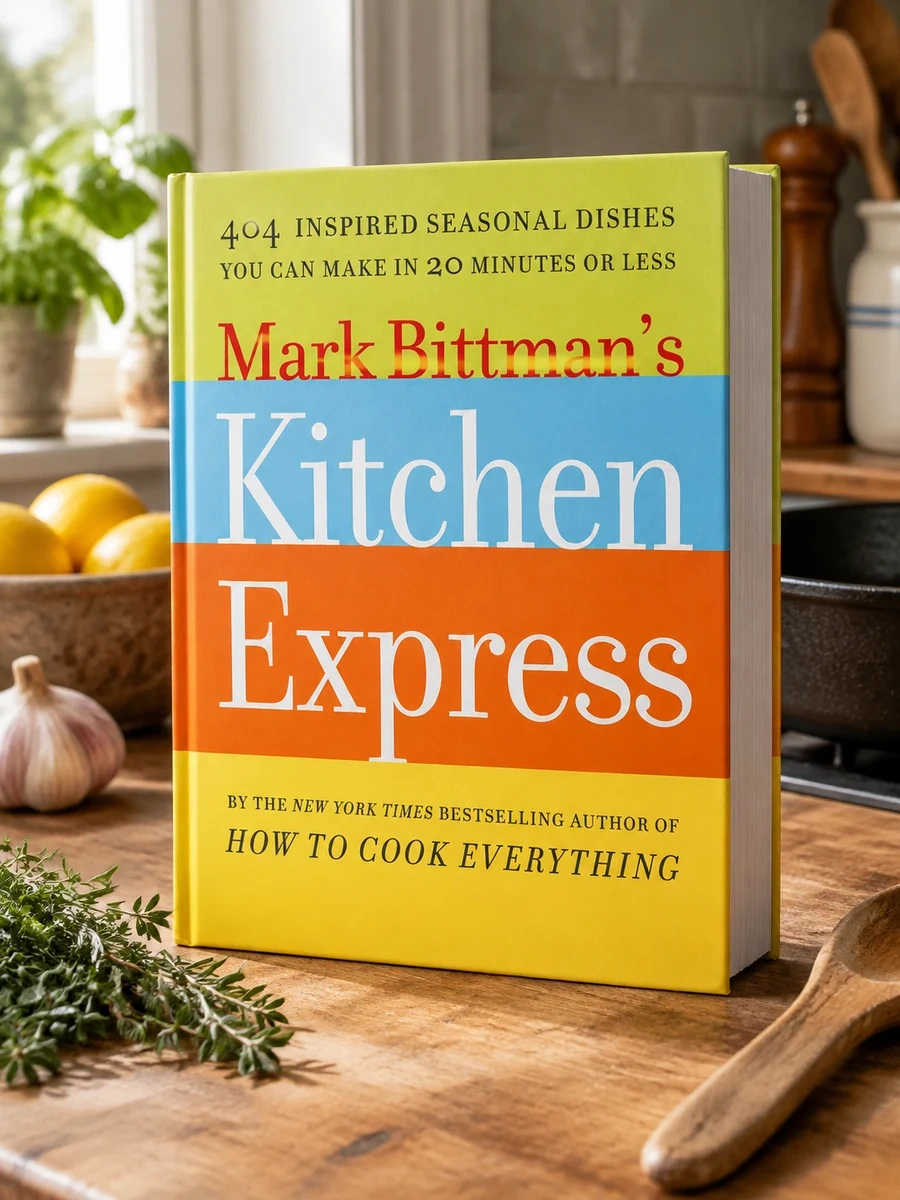
3. Mark Bittman's Kitchen Express: 404 Inspired Seasonal Dishes You Can Make in 20 Minutes or Less — Mark Bittman
This is the logical next purchase for someone who has learned the basics but struggles to translate cooking knowledge into dinner after a long day. The book centers on 404 seasonal dishes designed to be made in 20 minutes or less. That emphasis makes it especially attractive to cooks who want inspiration without committing to lengthy preparation or a complicated sequence of instructions.
The seasonal focus is also useful when deciding what to cook around the ingredients available at different times of year. Rather than treating a cookbook as a collection of elaborate weekend projects, Kitchen Express supports a more spontaneous approach to everyday meals. It is a strong choice for busy households, working professionals and confident beginners who want to cook more often without turning every evening into a production.
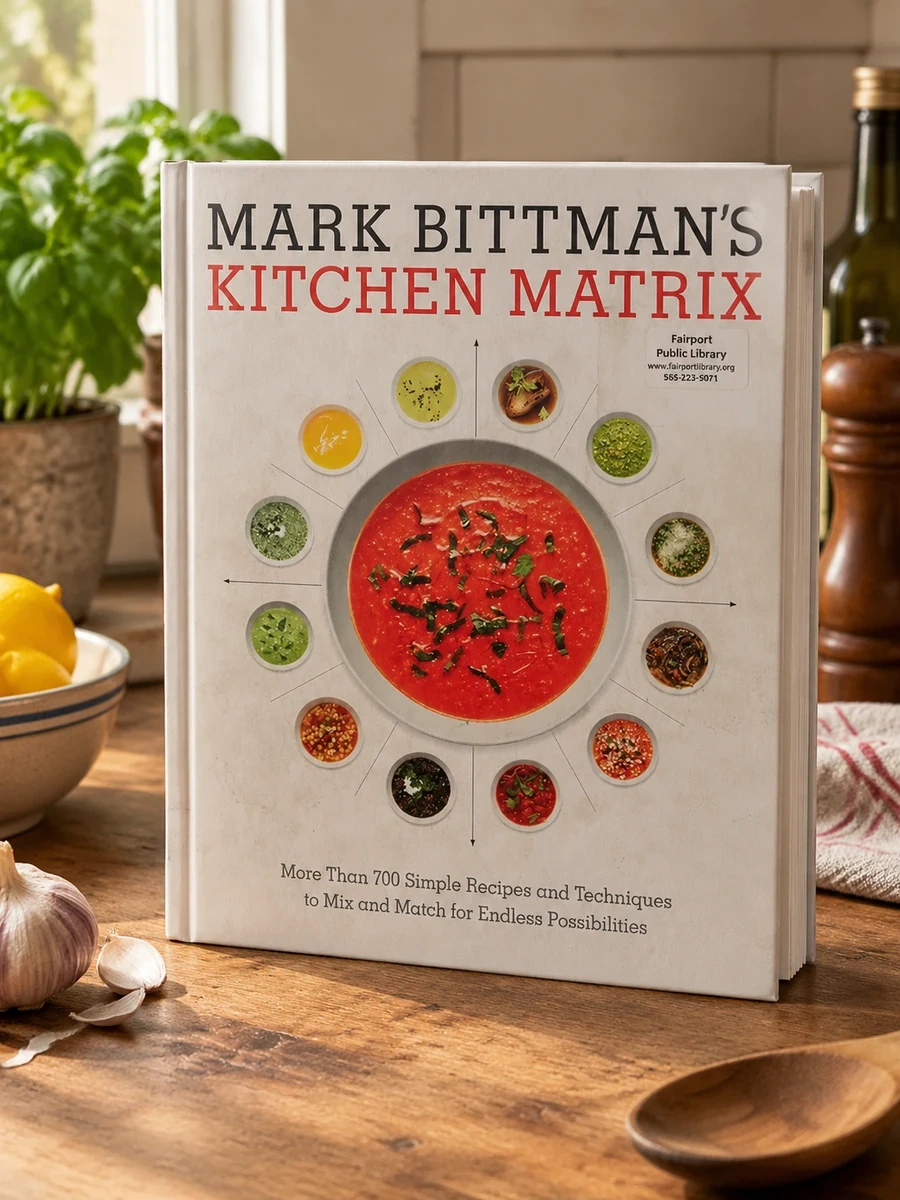
4. Mark Bittman's Kitchen Matrix: More Than 700 Simple Recipes and Techniques to Mix and Match for Endless Possibilities — Mark Bittman
After learning to follow recipes, one of the most useful developments in home cooking is learning how to vary them. Kitchen Matrix is built around the idea of combining and adapting simple recipes and techniques, with more than 700 possibilities to explore. Its mix-and-match premise makes it a particularly interesting bridge between following instructions and developing your own cooking instincts.
This is not necessarily the first Bittman book to give a complete beginner. It makes more sense once you understand basic preparation and cooking methods and can recognize how ingredients and techniques work together. Confident home cooks, especially those who dislike making the same meals repeatedly, will find its flexible approach appealing. It is also a good gift for someone who already owns a substantial collection of conventional recipe books.
Explore specialist cooking: vegetables, seafood, grilling and bread
At this stage, choose according to what you actually enjoy eating and making. You do not have to collect every subject-specific book. A vegetarian household may get more from Bittman's meatless cooking than from a seafood guide, while an enthusiastic outdoor cook may prefer the grilling book. These four titles extend the practical foundation into distinct areas of home cooking.
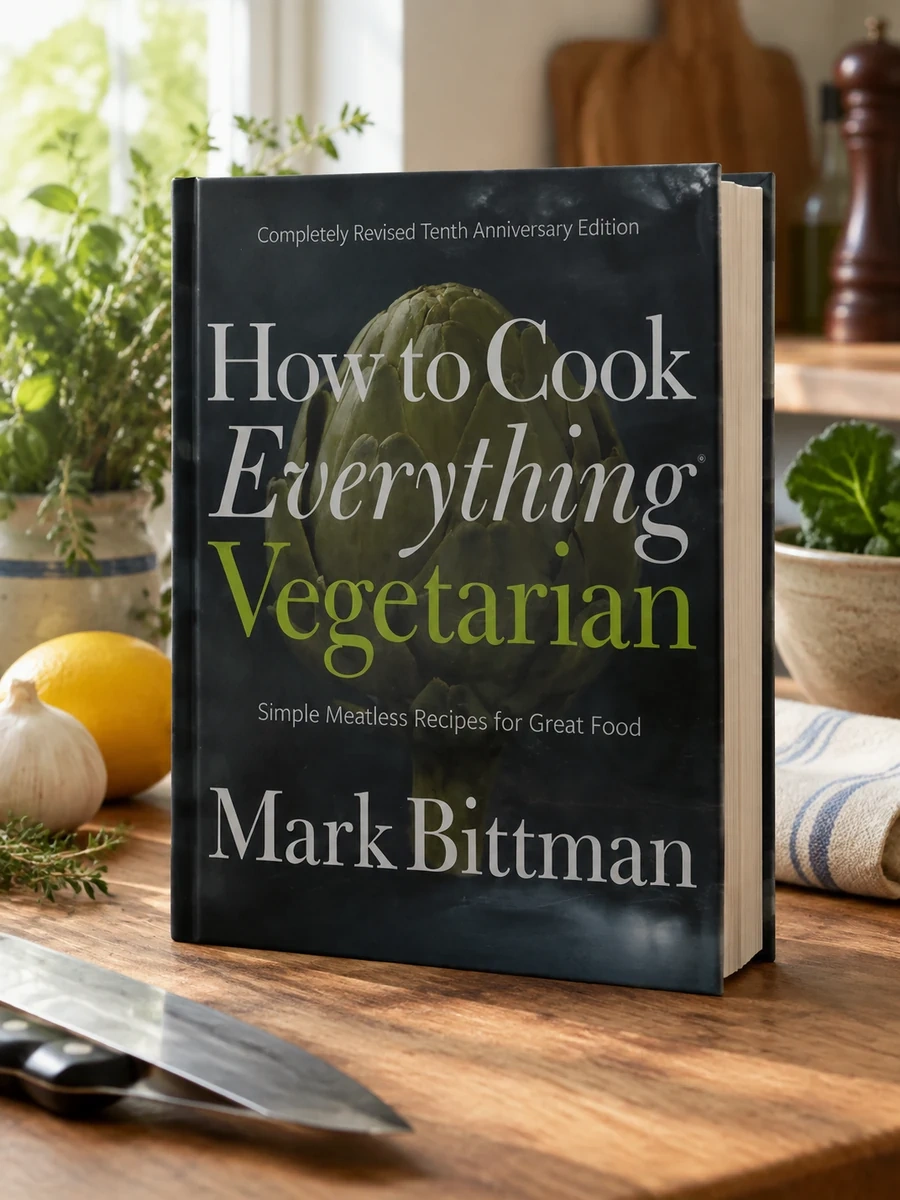
5. How to Cook Everything Vegetarian: Completely Revised Tenth Anniversary Edition — Mark Bittman
For anyone who wants to cook more meals without meat, this is one of the most useful directions to take after the general How to Cook Everything. Its subject is not an occasional vegetable side dish but vegetarian cooking as a substantial part of everyday life. The broad, practical approach is particularly relevant to households transitioning toward meatless meals or cooks looking for reliable options beyond a small collection of familiar vegetarian recipes.
It is also a sensible choice for an established cook who wants to broaden an existing repertoire. You do not need to identify as vegetarian to appreciate a book devoted to cooking vegetables, grains and other meatless ingredients well. As a gift, it suits someone experimenting with plant-forward meals, a household with different dietary preferences, or a cook who wants more variety in their weekly menu.
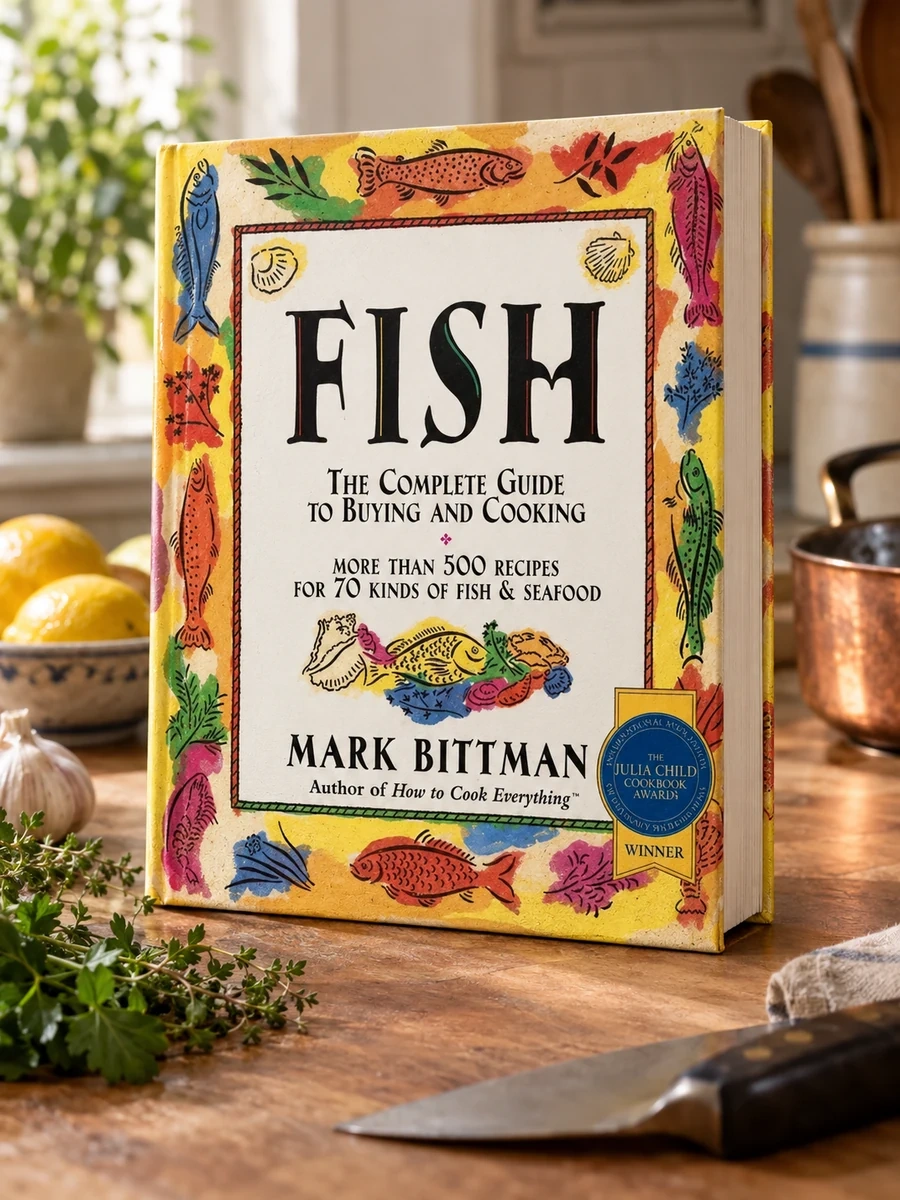
6. Fish: The Complete Guide to Buying and Cooking: A Seafood Cookbook — Mark Bittman
Seafood can intimidate otherwise capable cooks. Questions about buying, choosing and preparing fish often make people reluctant to experiment, even when they enjoy ordering seafood in restaurants. Bittman's Fish addresses the subject as a complete buying-and-cooking guide, making it the specialist volume to consider when you want to become more comfortable working with seafood.
This is a more focused purchase than either of the general cooking books, so its value depends on your kitchen habits. Regular fish eaters, curious home cooks and people who want to make seafood a more familiar part of their cooking will get the clearest benefit. It is also a thoughtful gift for someone who enjoys visiting fish markets or wants to develop confidence beyond the usual salmon or shrimp dishes.
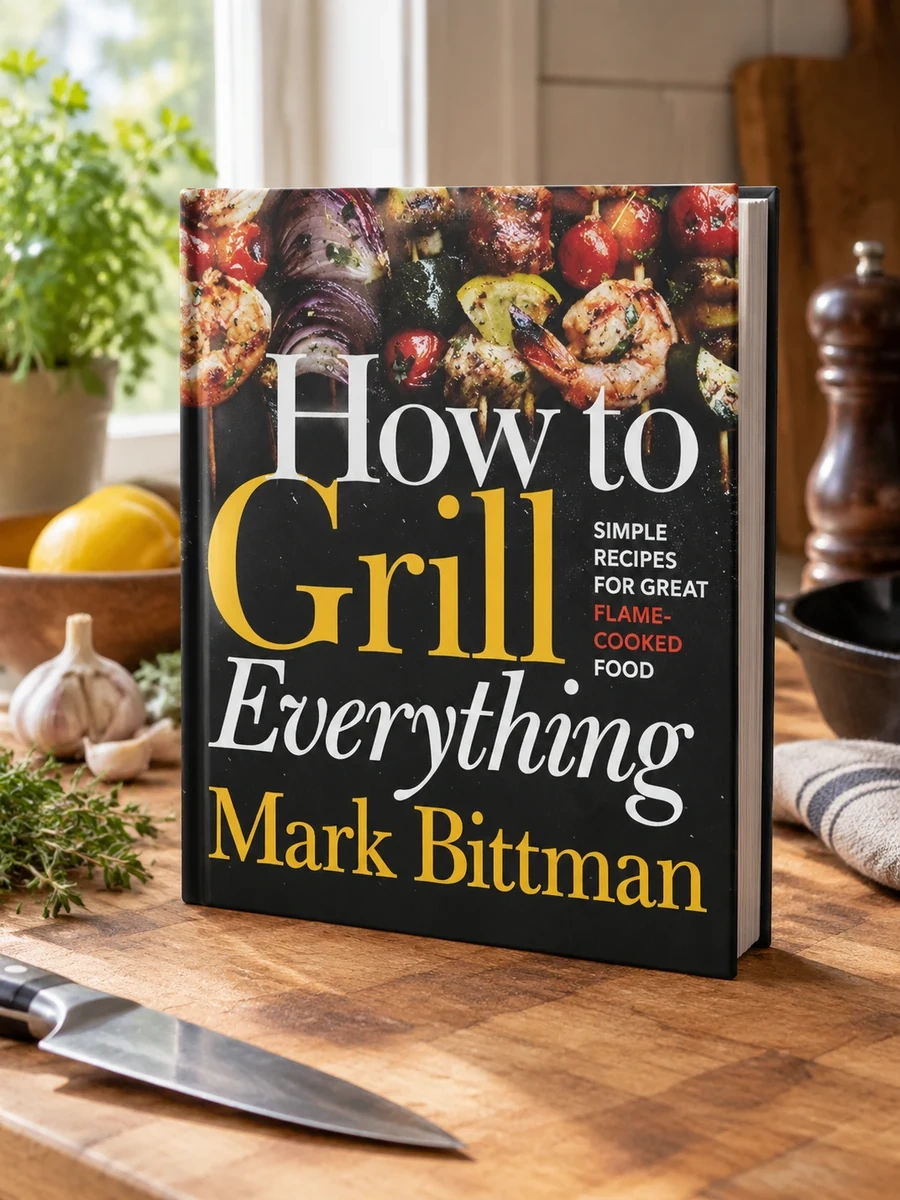
7. How to Grill Everything: Simple Recipes for Great Flame-Cooked Food: A Grilling BBQ Cookbook — Mark Bittman
Grilling deserves its own place in a practical cookbook collection because cooking over an outdoor flame presents a different set of decisions from preparing dinner on a stovetop. This book is aimed at home cooks who want to improve their flame-cooked food without needing an elaborate professional setup. Its straightforward approach makes it accessible across different experience levels, from occasional backyard cooks to people who regularly host outdoor meals.
It is a particularly good seasonal gift for someone who enjoys cooking outside, but it is not restricted to experienced grill enthusiasts. The broad scope makes it a useful companion for anyone who wants more ideas and a more organized approach to outdoor cooking. If grilling is not part of your routine, however, this is an easy title to postpone in favor of a more frequently used cookbook.
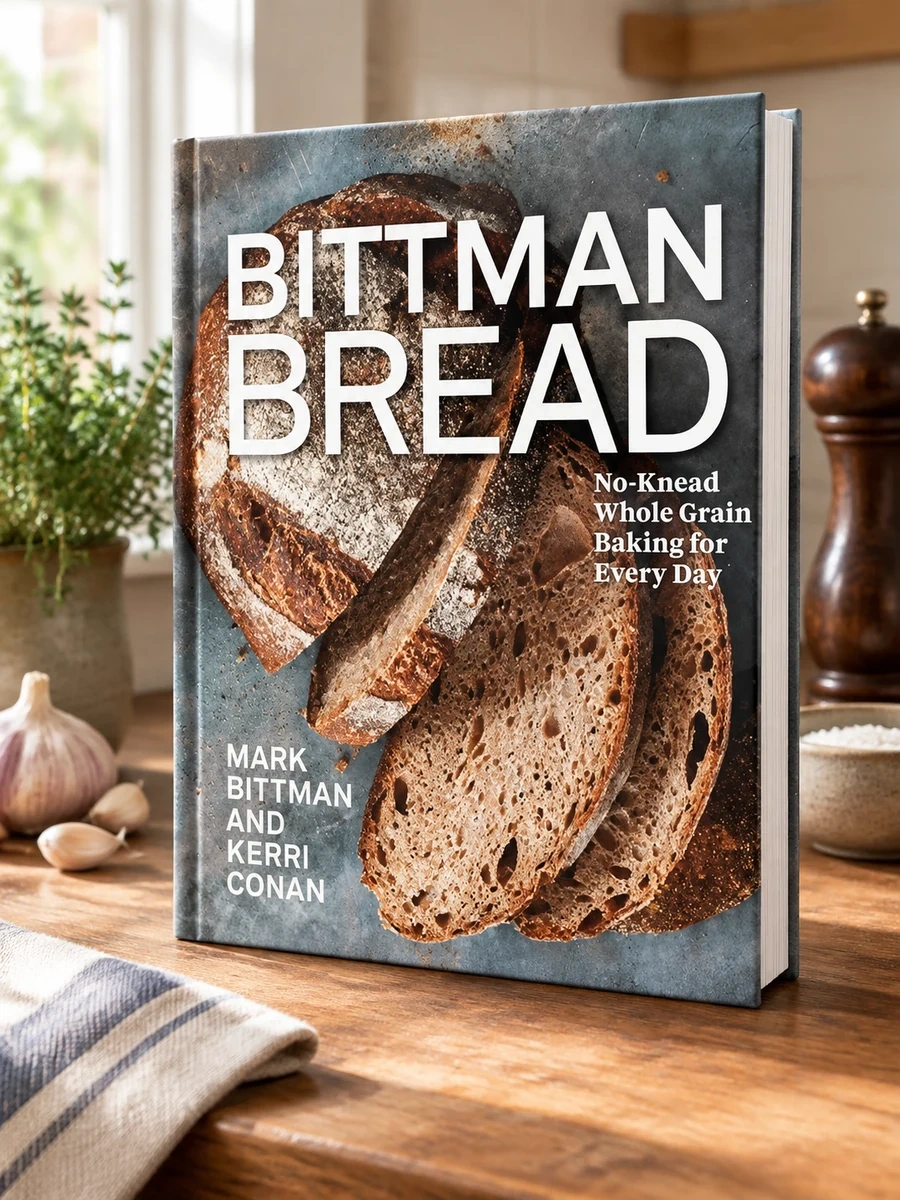
8. Bittman Bread: No-Knead Whole Grain Baking for Every Day: A Bread Recipe Cookbook — Mark Bittman
Bread baking is a different kind of kitchen project, rewarding patience and attention to process rather than simply fast preparation. Bittman Bread concentrates on accessible no-knead whole-grain baking for everyday use. That combination is especially appealing to home bakers who want to explore homemade bread but do not want the physical demands traditionally associated with kneading.
Its emphasis on whole grains gives this book a distinct place in the collection, and the no-knead approach makes it approachable for people who are new to bread baking. It is also a natural progression for cooks who have mastered basic meals and want to add a new skill to their kitchen routine. Bread enthusiasts looking for an accessible everyday baking book will find this a more relevant purchase than another general-purpose cookbook.
Move beyond recipes: understanding Bittman's food philosophy
The final recommendation takes the collection beyond practical cooking. Bittman's interests extend into questions about food choices, health and the wider consequences of what we eat. If you have followed the previous books, you will already have seen how his approach favors useful cooking habits and flexibility. This last title gives that approach a broader context.
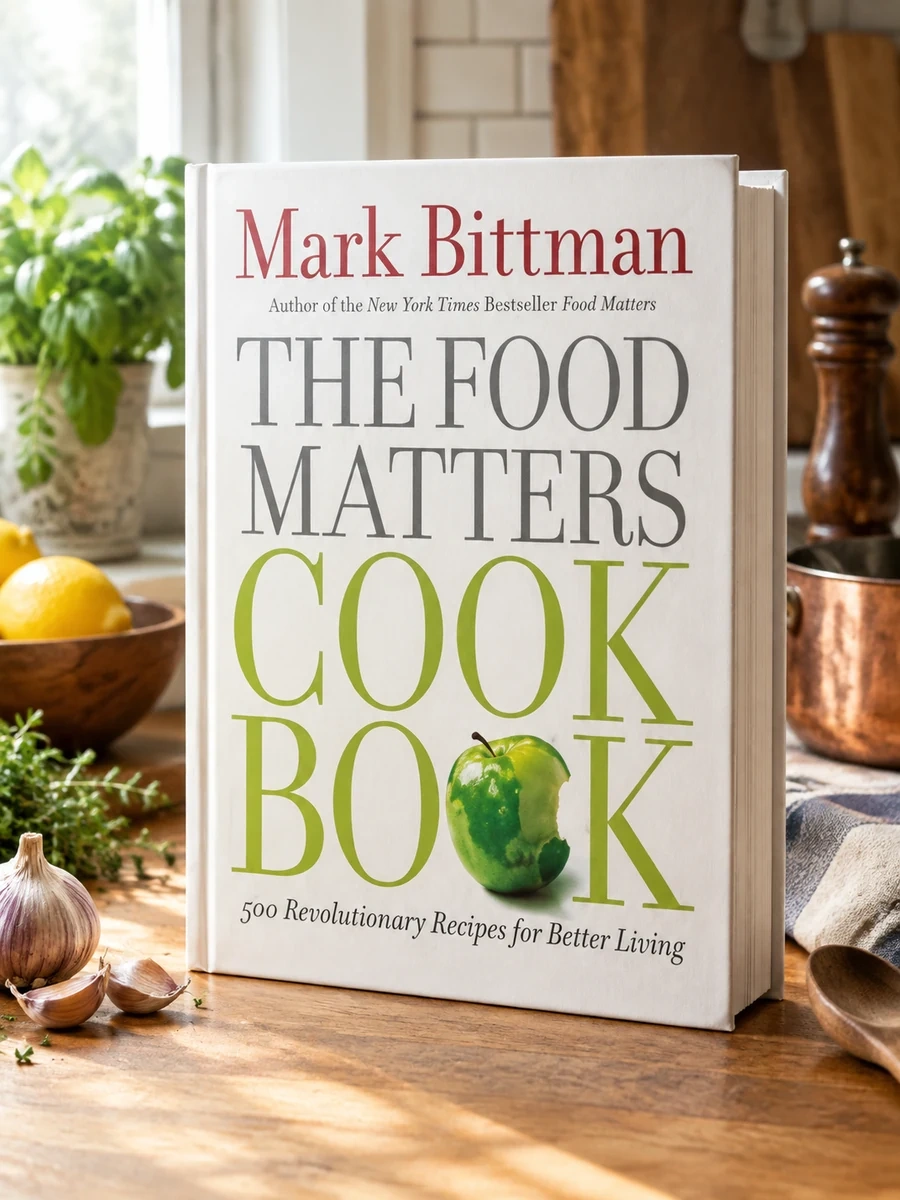
9. The Food Matters Cookbook: 500 Revolutionary Recipes for Better Living — Mark Bittman
The Food Matters Cookbook is the natural final stop for someone interested in the thinking behind Bittman's approach to everyday food. Its 500 recipes connect cooking with a broader idea of better living, rather than treating recipes as isolated instructions. It belongs in a different part of the collection from the foundational reference books: its appeal is as much about the choices and habits surrounding food as it is about what goes into a particular meal.
For readers interested in the relationship between food, health and more considered eating habits, this is a useful way to extend a practical cookbook collection into food philosophy. It also makes sense for an established home cook who wants inspiration that goes beyond simply expanding the number of dishes they can prepare. If you are specifically interested in food systems and the social implications of eating, approach this as an introduction to Bittman's wider food concerns rather than a comprehensive history or policy study. Its strongest role in this particular reading order is to connect the act of cooking with the larger decisions behind it.
How to choose the right Mark Bittman book for your kitchen
Nine books may sound like a lot, but the point of this order is not to suggest that every reader needs all nine. The best first purchase depends on your experience, your cooking habits and what you hope a cookbook will do for you.
- If you are a complete beginner: Start with How to Cook Everything: The Basics. Its extensive photography and introductory approach make it the clearest choice for learning foundational skills.
- If you already cook and want one dependable reference: Choose the twentieth-anniversary edition of How to Cook Everything. It offers the broadest starting point for building a practical home collection.
- If weeknight cooking is your biggest challenge: Pick Kitchen Express. Its emphasis on seasonal dishes that take 20 minutes or less makes it particularly relevant to busy schedules.
- If you want to become more creative: Consider Kitchen Matrix. Its mix-and-match approach is especially useful once you are comfortable with basic techniques.
- If you are reducing meat: Start with How to Cook Everything Vegetarian. It is the most directly relevant specialist book for everyday meatless cooking.
- If you have a specific cooking interest: Match the purchase to the subject. Choose Fish for seafood, How to Grill Everything for outdoor cooking, or Bittman Bread for accessible whole-grain baking.
- If you are interested in the bigger picture: Finish with The Food Matters Cookbook for a broader perspective on food choices and everyday eating.
For gifting, think about the recipient's actual kitchen rather than simply choosing the largest book. A first-time cook will appreciate clear instruction more than a specialist bread book, while someone who already has a well-stocked cookbook shelf may prefer the more distinctive focus of Kitchen Matrix or Bittman Bread. A vegetarian household is an obvious match for How to Cook Everything Vegetarian, while the anniversary edition of How to Cook Everything is a strong general-purpose gift for someone setting up a new home.
One final point: this is a recommended learning and buying order, not a required sequence or a ranking of literary importance. If you already know how to cook, skip the beginner material. If you rarely bake, there is no reason to prioritize bread. And if your interest is food philosophy rather than recipes, you can move directly to The Food Matters Cookbook. Bittman's catalog works best when you choose books that address a real need in your kitchen, then let your interests determine what comes next.