Patricia Wells is an especially rewarding cookbook author to explore, but choosing a first book can be surprisingly difficult. Her bibliography moves between the neighborhood bistros of France, the farmhouse kitchens of Provence, Italian family restaurants, and a more ingredient-focused approach to everyday cooking. These are not simply different collections of French recipes. They represent different ways of thinking about what belongs on the table and how much effort a satisfying meal should require.
The best place to start depends on what you want to learn. Someone interested in the foundations of French home cooking will get something different from someone looking for vegetable-led meals or a book to give a Francophile friend. Wells is also a journalist and cooking teacher, and her writing brings a sense of place to her recipes. Her books often make the surrounding food culture part of the experience, rather than treating recipes as isolated instructions.
There is no requirement to read her books in publication order. Instead, the following seven titles are arranged as a practical progression: begin with an accessible introduction to French cooking, explore the regional depth of Provence, and then branch into specialized and alternative collections. The sequence also makes clear which books are useful reference points and which are better enjoyed as focused additions to a cookbook shelf.
The best Patricia Wells books for understanding French cooking
Start here if your main interest is French cuisine. These books establish two important traditions: the informal, generous cooking of neighborhood restaurants and the distinctive ingredients and food culture of southern France.
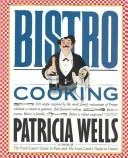
1. Bistro Cooking — Patricia Wells
Best starting point for traditional French home cooking.
If you want one book that explains why French cooking can be both satisfying and approachable, Bistro Cooking is the strongest first choice. Wells celebrates the food of neighborhood restaurants, emphasizing robust soups, rustic salads, country omelets, wine-scented stews, gratins, and traditional desserts. Its guiding idea is that good food does not need to be elaborate or reserved for special occasions.
The collection includes more than 200 recipes, with examples ranging from mussel soup and chicken Basquaise to beef stew with wild mushrooms and orange. Wells also brings restaurant culture into the book through notes and sidebars about the people and establishments behind the cooking. That makes it more than a recipe collection: it offers a useful introduction to the everyday French dining tradition.
For a less experienced cook, this is a sensible first encounter with Wells because the emphasis is on recognizable, generous dishes rather than culinary showmanship. Experienced cooks will appreciate the range of classic preparations and the book's historical place in modern American understanding of French cooking. It is also an excellent gift for someone who loves French food but prefers relaxed meals to elaborate restaurant-style projects.
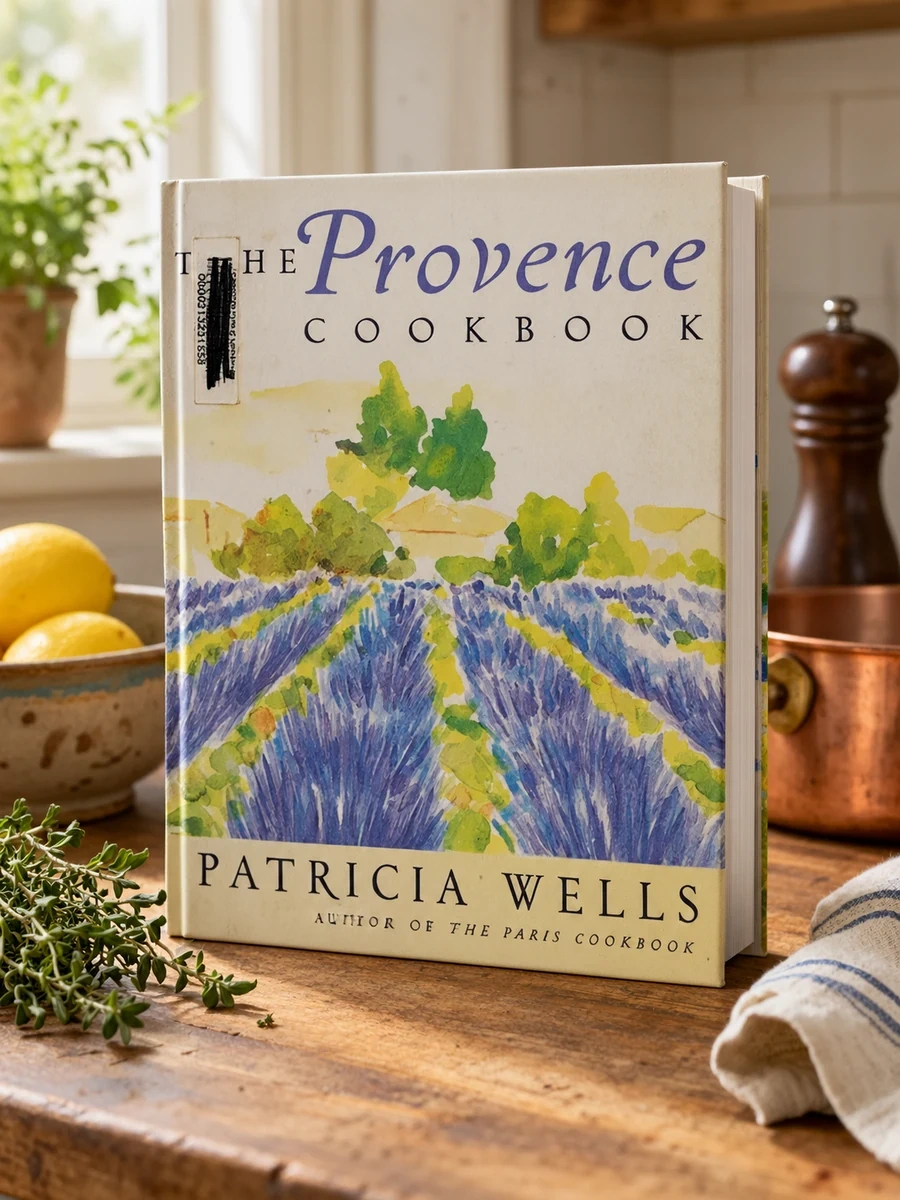
2. The Provence Cookbook: A James Beard Award Winning Cookbook — Patricia Wells
Best for exploring the ingredients and food culture of southern France.
After Bistro Cooking, move into the more geographically focused world of Provence. This award-winning collection draws on Wells's experience in the region and the people who shape its food: farmers, winemakers, shopkeepers, tradespeople, and restaurateurs. Its more than 200 recipes are accompanied by culinary observations that give the dishes a sense of local identity.
What makes this book particularly interesting is its relationship between cooking and place. A recipe is often an opportunity to learn about an ingredient, a local producer, or a regional custom. Wells's personal commentary helps explain why particular combinations belong together and how the character of a place influences its food. The result is a broader introduction to Provençal cooking than a collection organized around a handful of familiar Mediterranean dishes.
This is the book to choose if you already enjoy French cooking and want to understand its regional differences. It rewards cooks who enjoy shopping for good ingredients and building meals around seasonal produce. The James Beard recognition also gives it particularly strong gift appeal for a serious cookbook collector or someone with an affection for France.
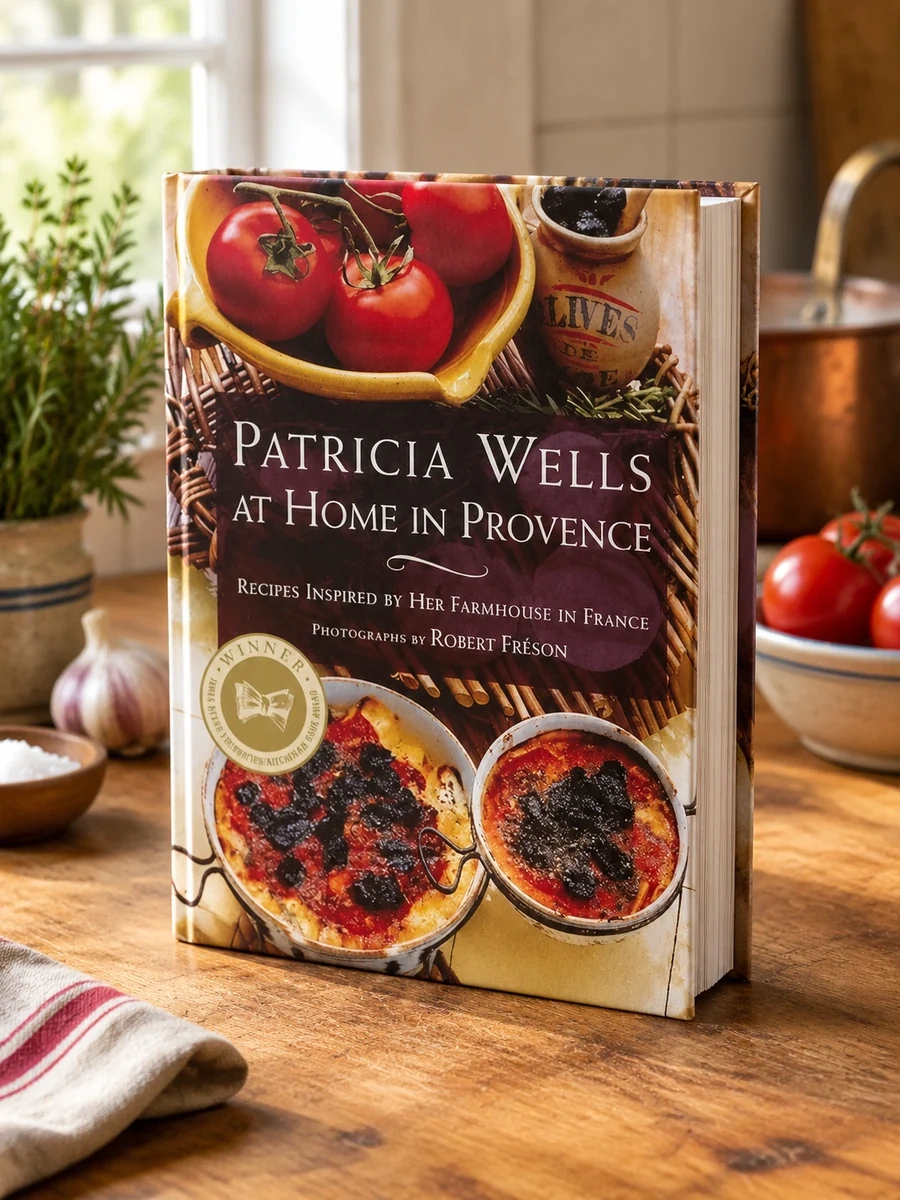
3. Patricia Wells at Home in Provence: Recipes Inspired by Her Farmhouse in France — Patricia Wells
Best for cooks who want to bring a Provençal farmhouse atmosphere into everyday meals.
Where The Provence Cookbook introduces the wider region, At Home in Provence feels more closely connected to the rhythms of a particular household. Wells draws on the cooking of her farmhouse in France, presenting more than 175 recipes across a wide range of meal components. Salads, vegetables, pasta, bread, fish, poultry, meat, and desserts all have a place.
The breadth is one of its strengths. Rather than concentrating on one category of food, the book offers a way to build an entire menu around the ingredients and cooking traditions of Provence. Its collection includes preparations such as tuna tapenade, monkfish bouillabaisse, slow-simmered daubes, and fruit-based desserts. There is enough variety to make it useful beyond occasional themed dinners.
For someone new to Wells, this is a particularly inviting alternative to starting with a more formal French reference. It suits cooks who like the idea of regional food but want recipes that can become part of their regular household routine. It also makes a lovely gift for someone who dreams of a French farmhouse kitchen or enjoys cookbooks with a strong sense of domestic life.
Branch out: Italian food, cooking lessons, and vegetables
Once you understand Wells's approach to regional cooking, the next three books offer different directions. One moves to Italy, another combines French recipes with lessons from the author's teaching experience, and the final title gives vegetables a more prominent role in meal planning.
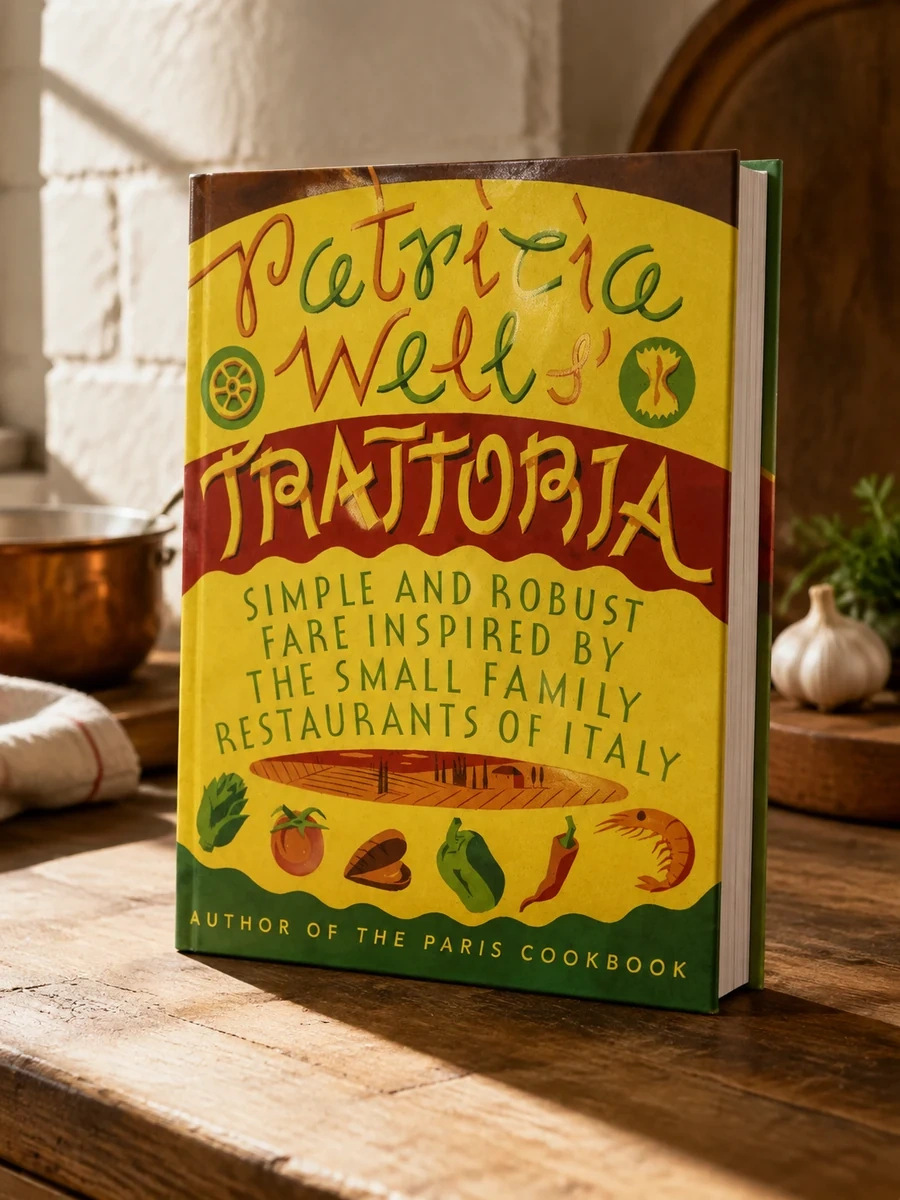
4. Patricia Wells' Trattoria: Simple and Robust Fare Inspired by the Small Family Restaurants of Italy — Patricia Wells
Best for fans of rustic Italian cooking.
Trattoria is an important reminder that Wells's interests extend beyond France. Inspired by small Italian family restaurants, this collection celebrates generous flavors, straightforward preparations, and the informal pleasure of eating well with other people. It contains more than 150 recipes and is built around the kind of food associated with neighborhood trattorias rather than elaborate restaurant dining.
The appeal is its straightforward culinary philosophy. Italian food here is about ingredients and flavor working together without unnecessary complication. It offers a different regional perspective from the Provençal titles while retaining the warmth and practicality that make Wells's writing appealing.
This is an excellent choice for someone who already owns French cookbooks and wants to broaden their collection without moving into an entirely different style of cooking. It is also a good gift for a home cook who enjoys rustic pasta dishes, hearty meals, and the atmosphere of family-run restaurants. You do not need to follow the French titles first; readers whose strongest interest is Italian food can comfortably begin here.
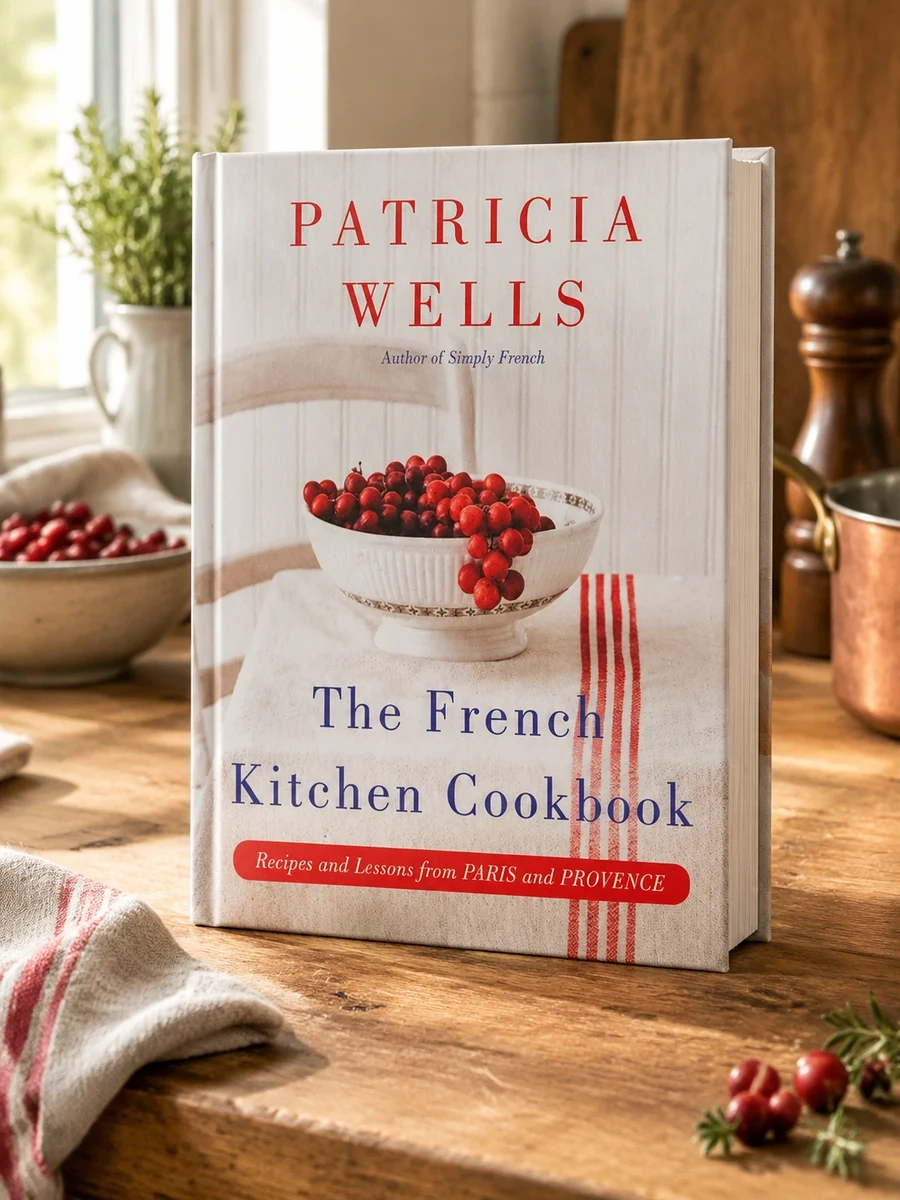
5. The French Kitchen Cookbook: Recipes and Lessons from Paris and Provence — Patricia Wells
Best for cooks who want practical instruction alongside recipes.
This is arguably the most useful choice for readers who want to develop their cooking skills rather than simply collect regional dishes. The French Kitchen Cookbook brings together favorite recipes and lessons from Wells's cooking classes in Paris and Provence. It covers a meal from appetizers through desserts, drawing inspiration from both the Provençal countryside and Parisian food culture.
The educational element is what distinguishes it from the other books in this guide. Wells shares techniques, tips, and rules developed through years of cooking and teaching. That makes the book particularly appealing to people who want to understand why a preparation works, not just follow a sequence of instructions. Its wider approach to food and entertaining also gives it value beyond the individual recipes.
For an intermediate home cook, this could be a better starting point than Bistro Cooking. It offers a combination of instruction and inspiration, particularly for someone who wants to become more confident with French meals. It is also an excellent gift for a motivated beginner who enjoys learning through cookbooks and appreciates having guidance alongside the recipes.
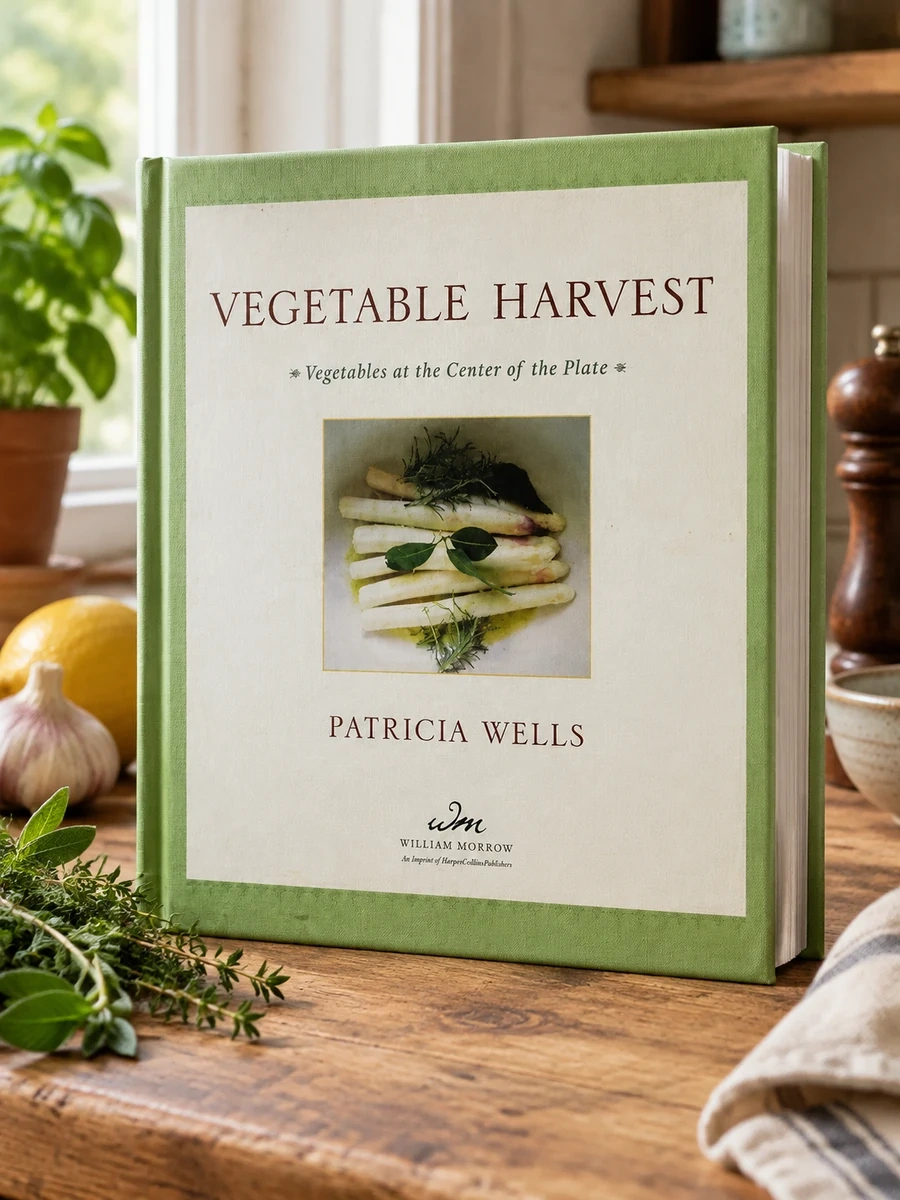
6. Vegetable Harvest: Vegetables at the Center of the Plate — Patricia Wells
Best for vegetable-focused cooks and seasonal cooking enthusiasts.
Vegetable Harvest changes the usual way of planning a meal. Instead of treating vegetables as supporting players alongside meat or fish, Wells puts them at the center of the plate. The book grew out of her work developing vegetable recipes while completing The Provence Cookbook, and it reflects a more ingredient-led approach to everyday cooking.
One of its most useful ideas is to explore different preparations of the same ingredient. Rather than always cooking zucchini, green beans, or eggplant in the same familiar way, Wells encourages cooks to consider several treatments and combinations. Her approach also broadens the definition of vegetables to include ingredients such as nuts, seeds, and fruits commonly treated as vegetables, including tomatoes, rhubarb, and avocado.
The book is particularly suitable for cooks who visit farmers' markets, enjoy seasonal produce, or want to make plant foods more substantial in their regular meals. Wells also includes nutritional information with recipes, giving readers additional context without making nutrition the sole purpose of the book. It is a more specialized choice than her broad French collections, but a valuable one for anyone looking to refresh their vegetable repertoire.
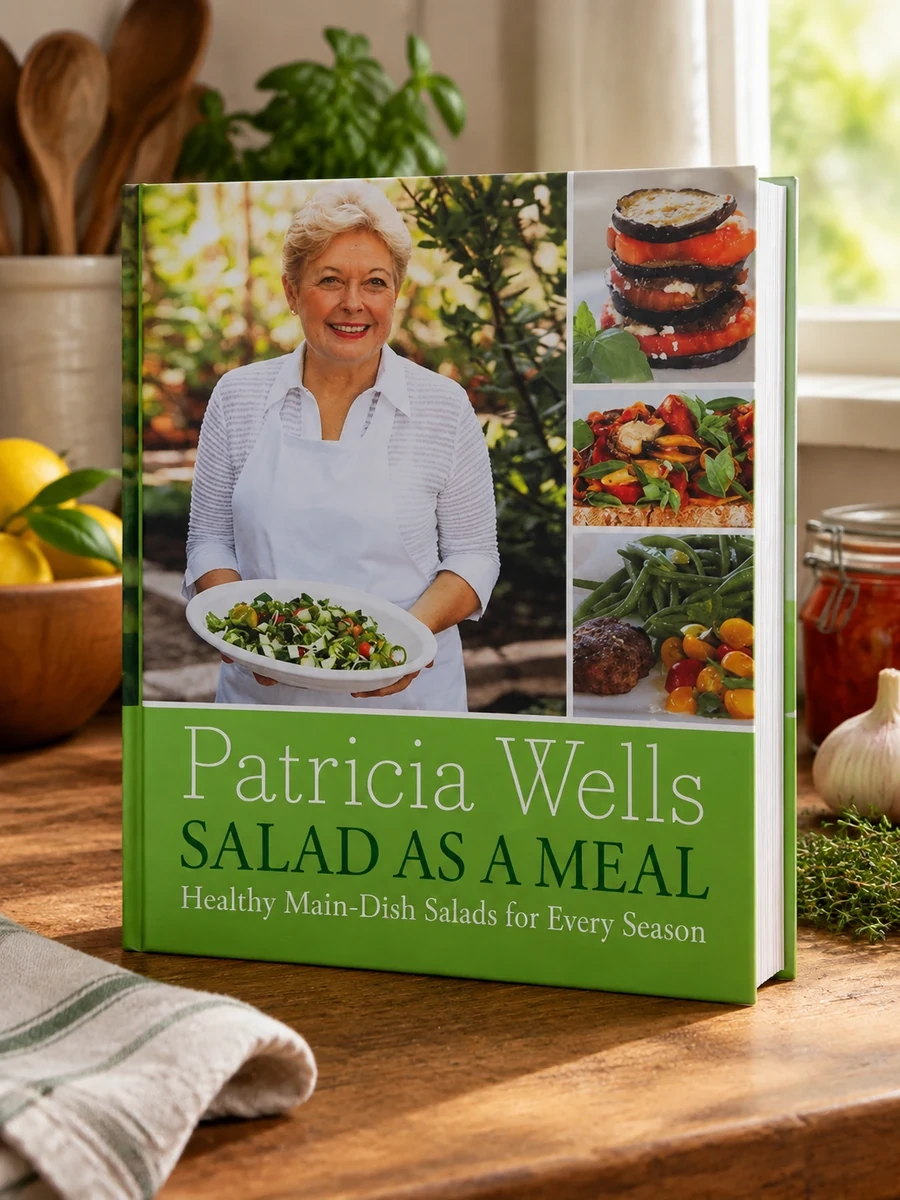
7. Salad as a Meal: Healthy Main-Dish Salads for Every Season — Patricia Wells
Best for everyday cooks who want satisfying, complete salads.
Salad as a Meal offers the most focused starting point in this selection. Its subject is not the small side salad that accompanies a main course, but the idea of building a satisfying meal around salad. The seasonal emphasis makes it especially appealing to cooks who like adjusting their menus according to what is available throughout the year.
Its narrower focus is also its greatest practical advantage. You do not need to be planning a complete French dinner to use a book devoted to main-dish salads. It makes sense for lunch, lighter evening meals, and households looking for more variety in everyday cooking. Readers who enjoy vegetable-forward meals will find a natural connection with Vegetable Harvest, although the two titles approach the subject from different directions.
Choose this one if salads are already an important part of your cooking or if you want to make them more substantial. It is a thoughtful gift for someone who enjoys fresh seasonal food but does not necessarily want a comprehensive French cookbook. For a first Patricia Wells purchase, however, it is best understood as a specialized collection rather than an introduction to her wider work.
How to choose the right Patricia Wells cookbook
The seven books above are not interchangeable, and buying them in numerical order is not essential. Think about the kind of cooking you actually want to do, how much instruction you need, and whether the book is intended for your own kitchen or someone else's.
- If you are new to French cooking: Start with Bistro Cooking. Its neighborhood-restaurant inspiration and generous range of traditional dishes make it an accessible introduction to Wells's approach.
- If you want to understand Provençal cuisine: Choose The Provence Cookbook. It offers a particularly strong combination of regional recipes, culinary context, and personal observations.
- If you want a broad everyday French cookbook: Pick At Home in Provence. Its coverage of salads, vegetables, bread, pasta, seafood, meat, and desserts makes it a versatile household collection.
- If you prefer Italian food: Go directly to Trattoria. There is no reason to begin with French cooking if Italian family-restaurant food is what interests you most.
- If you want to improve your technique: Select The French Kitchen Cookbook. Its lessons from Wells's teaching experience give it a useful educational dimension.
- If vegetables are your priority: Choose Vegetable Harvest for a broad vegetable-centered approach, or Salad as a Meal for a more focused collection of substantial salads.
For gifts, consider the recipient's existing cookbook shelf. The Provence Cookbook is a strong choice for someone fascinated by French regional food, while At Home in Provence has the appeal of a welcoming household collection. The French Kitchen Cookbook is especially suitable for someone who enjoys learning new techniques, and Trattoria works well for an Italian-food enthusiast.
There is also a practical consideration: Wells's regional books are best appreciated by cooks who enjoy sourcing ingredients and understanding where dishes come from. If the recipient prefers quick, tightly structured weeknight recipes, a specialized vegetable or salad collection may be more immediately useful than a broad regional volume. Think about the meals they genuinely cook rather than choosing solely on the basis of a book's subject.
Our recommended overall starting point remains Bistro Cooking. It introduces the generous spirit of French neighborhood food and provides a useful foundation for understanding the other titles. From there, The Provence Cookbook and At Home in Provence are the natural next steps for anyone who wants to explore France further. The remaining books show how Wells's interests extend into Italian cooking, practical instruction, and ingredient-led meals. Follow your own appetite rather than treating the list as a compulsory syllabus: the best Patricia Wells cookbook is the one that gives you a reason to cook from it regularly.