Choosing your first Yotam Ottolenghi cookbook can feel surprisingly difficult. His books cover everything from practical weeknight meals to vegetable-centered cooking, regional food traditions, elaborate restaurant dishes, and baking. They share an interest in bold seasoning and generous flavor, but they do not all ask the same amount of time, planning, or confidence from the cook.
The best starting point depends on what you want to cook. If you need dinner ideas that fit around work, begin with Ottolenghi Simple: A Cookbook. If vegetables are your main interest, look toward Ottolenghi Flavor: A Cookbook or Plenty More. For a broader introduction to the food cultures associated with Ottolenghi's cooking, Jerusalem: A Cookbook is a compelling choice.
This reading order moves from accessible everyday cooking toward more specialized and ambitious books. It is not a strict publication chronology; it is a practical route through the catalog, with eight books selected for the different ways people want to cook.
Start with accessible cooking, then build your range
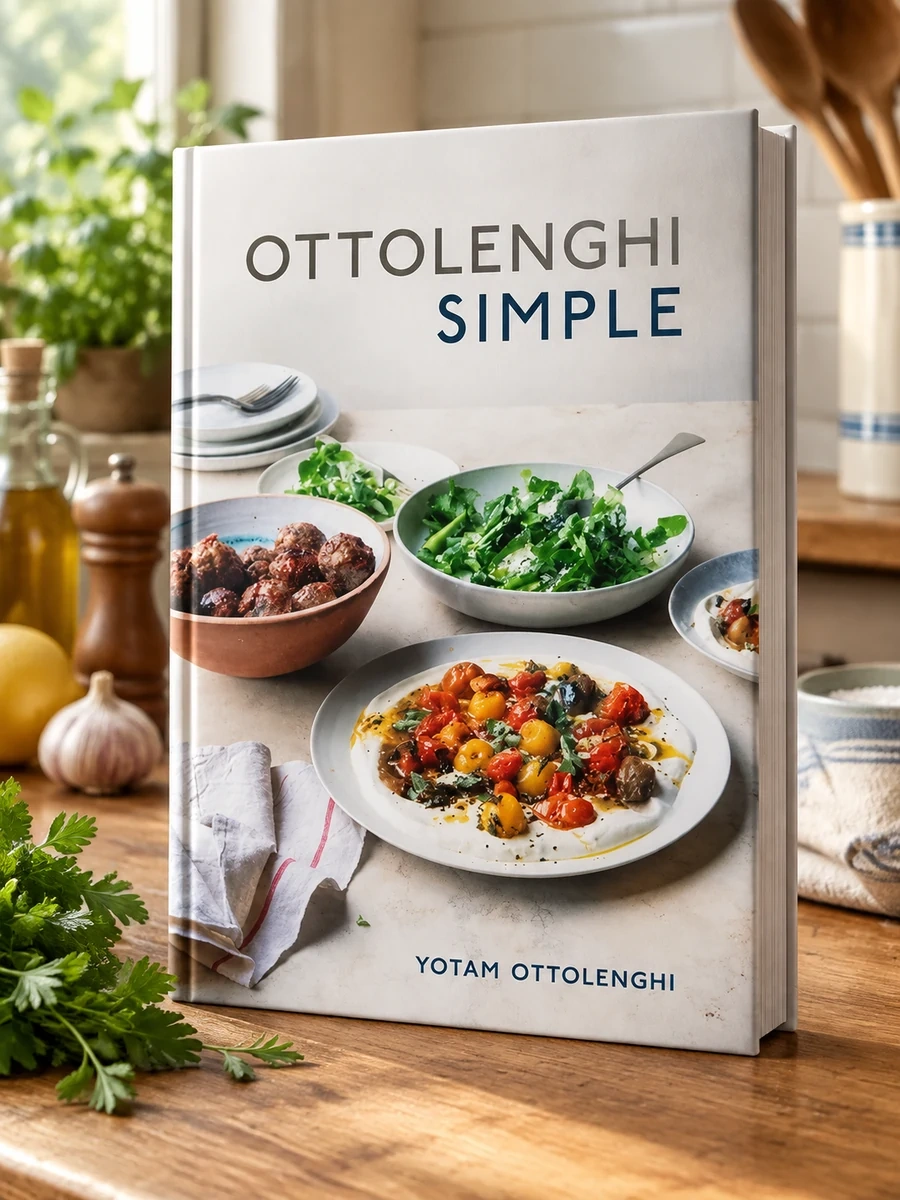
1. Ottolenghi Simple: A Cookbook — Yotam Ottolenghi
For most home cooks, this is the strongest first purchase. The title signals its appeal: a more approachable entry into Ottolenghi's style, suited to people who want distinctive food without making every meal an elaborate project. Start here if you are drawn to the combination of vegetables, assertive seasoning, and contemporary cooking but need recipes that can fit into an ordinary household routine.
Its position at the beginning of this list is deliberate. Before tackling more involved menus, learn what makes this style of cooking distinctive and which ingredients and flavor combinations you enjoy. As you cook, notice how a relatively small change in seasoning or the choice of a supporting ingredient can give a dish a different character. This is the book to reach for when you want to cook more adventurously without immediately committing to restaurant-level complexity.
Best for: First-time Ottolenghi readers, busy home cooks, and anyone looking for a useful everyday reference.
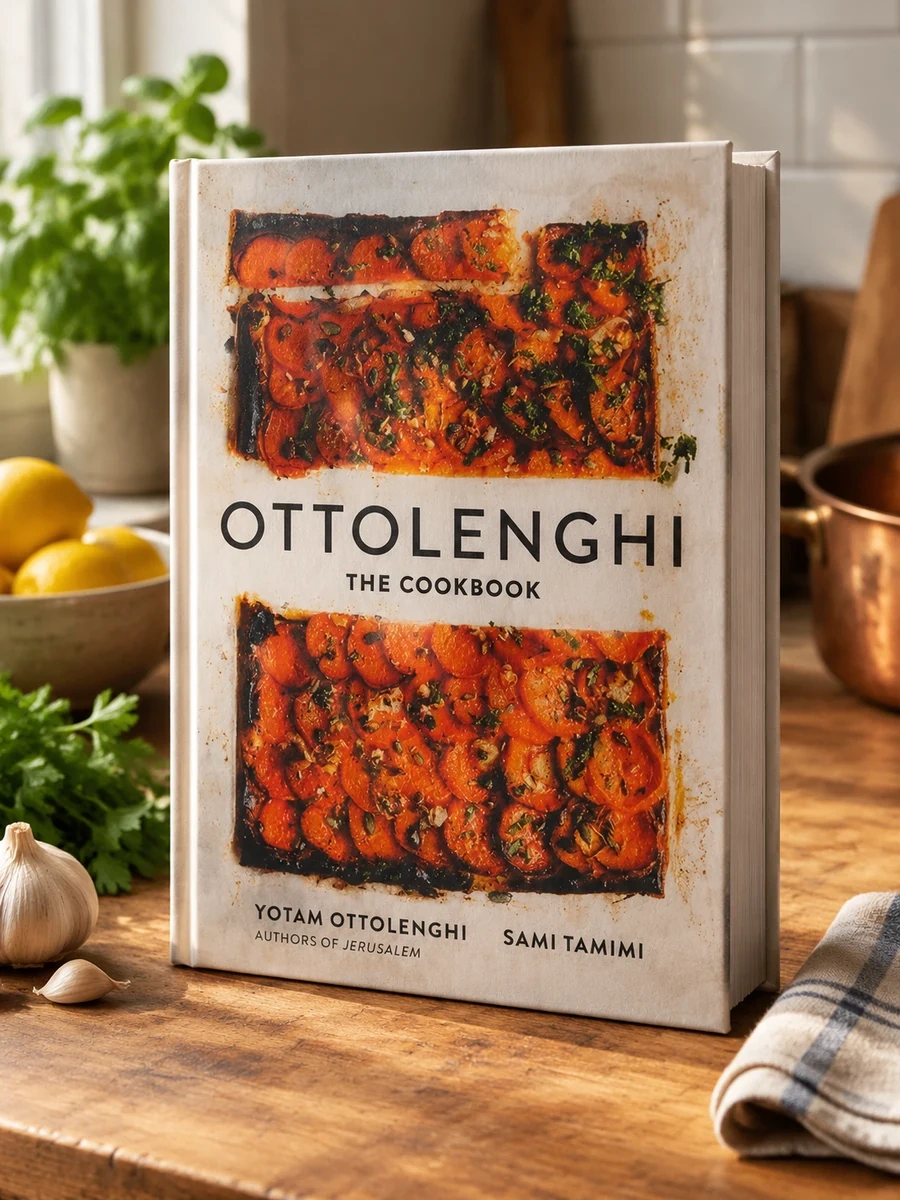
2. Ottolenghi: The Cookbook — Yotam Ottolenghi
Once you have an idea of the flavors you like, move to Ottolenghi: The Cookbook. It offers a broader entry into the author's culinary identity and is a sensible next step for cooks who want to explore beyond the everyday-first approach of Simple. Rather than treating it as a manual for quick meals, approach it as an introduction to the style and range associated with Ottolenghi.
This is a good choice if you want your collection to begin with a general-purpose book before branching into more specific subjects. It also makes sense for cooks who prefer to explore an author's established approach before specializing in baking or vegetable cookery. Keep Simple nearby for routine meals and use this book when you want a change of pace.
Best for: Curious cooks who want a broad introduction rather than a book devoted to one ingredient or cooking method.
Explore vegetables and the flavors behind the recipes
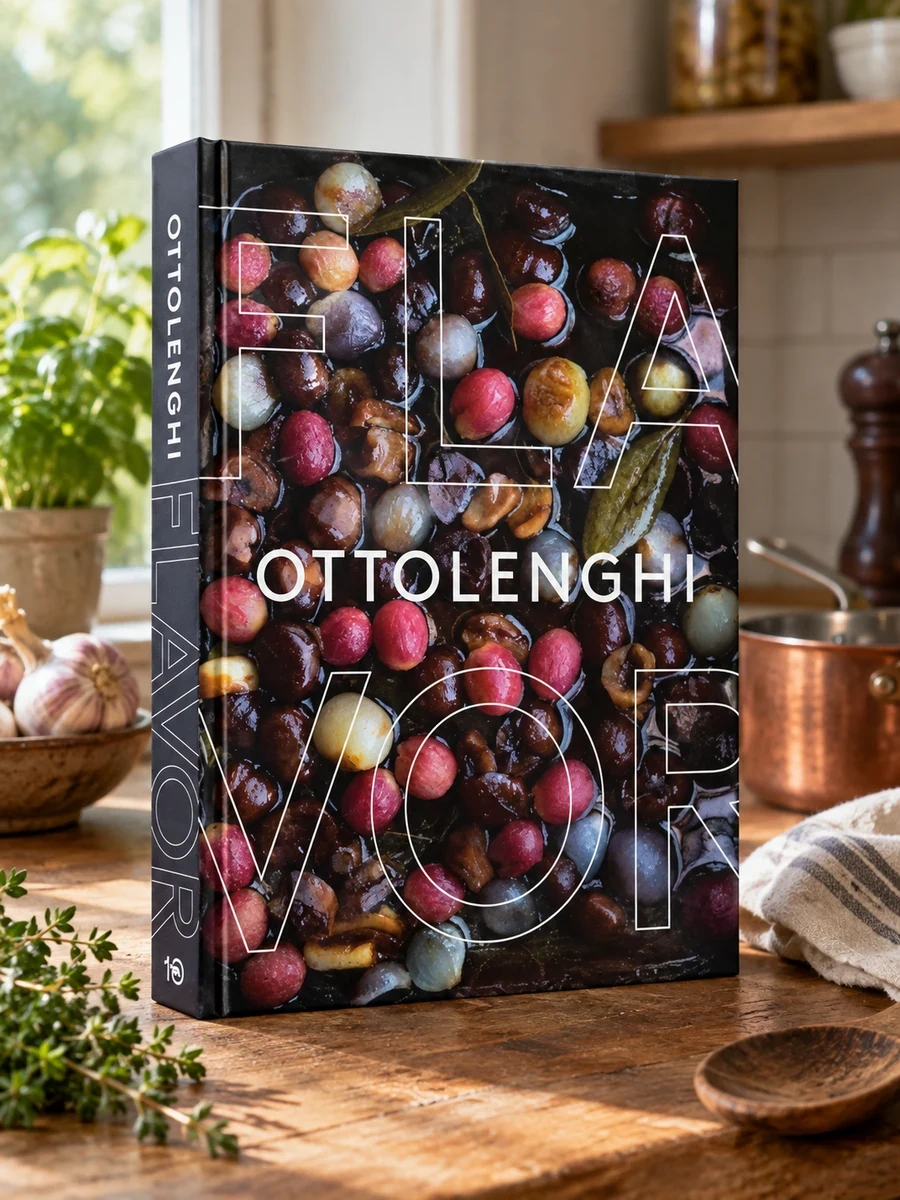
3. Ottolenghi Flavor: A Cookbook — Yotam Ottolenghi
If vegetables are already central to your cooking, or you want them to become more exciting, put Flavor near the top of your list. Its ingredient-centered focus makes it a natural progression from everyday recipes toward a more considered understanding of what gives a dish character. It suits cooks who want to make vegetables feel like the main event instead of treating them as an obligatory side.
Give this book a place in your routine when you have time to pay attention to how a recipe develops. It is especially relevant to cooks who enjoy learning through ingredients and want to expand the range of vegetable dishes they make at home. You do not need to be vegetarian to benefit: the approach is useful whenever you want plant-based food to carry a meal on its own.
Best for: Vegetable enthusiasts, flexible eaters, and cooks looking for more expressive plant-forward meals.
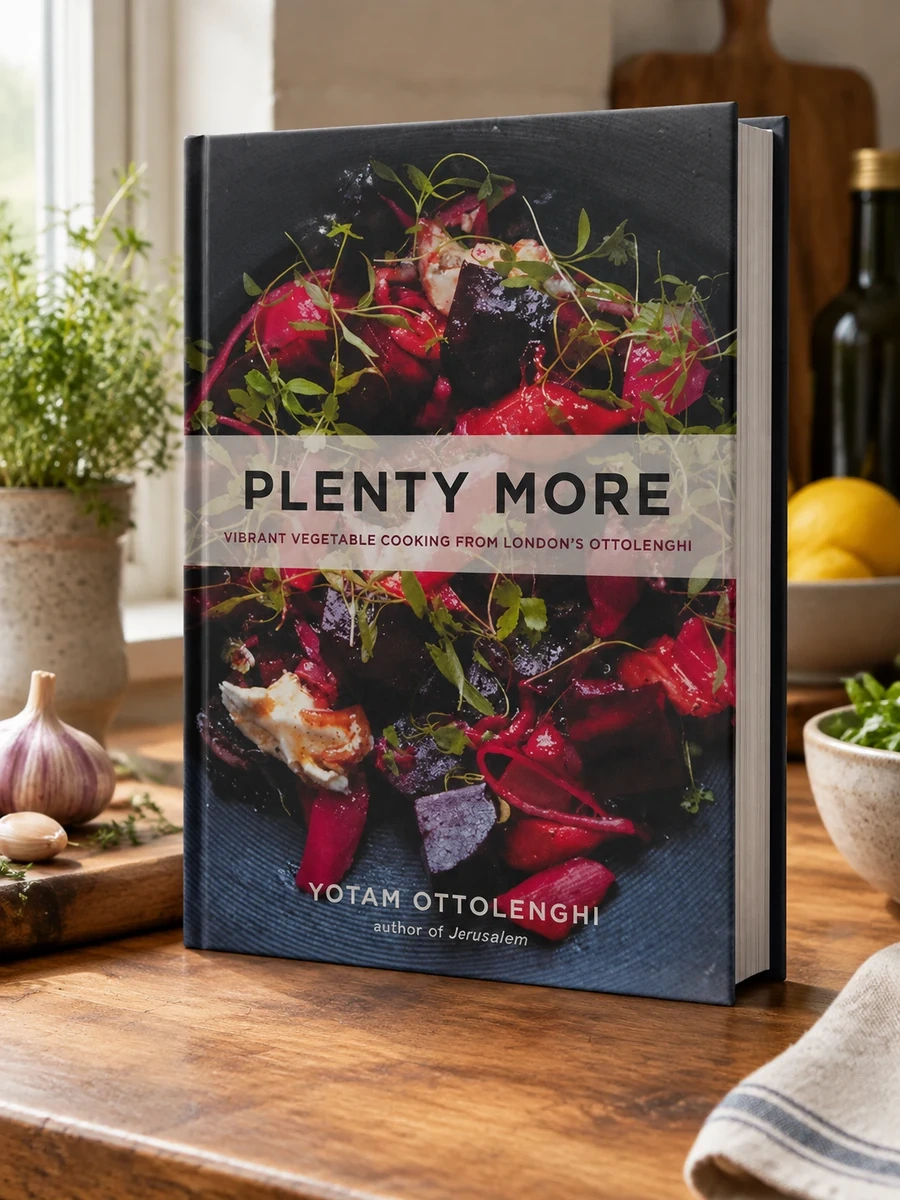
4. Plenty More: Vibrant Vegetable Cooking from London's Ottolenghi — Yotam Ottolenghi
Plenty More is the next logical stop if you want vegetable cooking to become a substantial part of your repertoire. Its explicit focus on vibrant vegetable dishes makes it a strong companion to Flavor, although the books need not be read in a fixed sequence. Choose it when you want to explore a dedicated vegetable cookbook rather than a general collection of meals.
For readers building a mostly vegetarian collection, this is one of the most relevant books on the list. It can also help omnivorous households think differently about the balance of a meal, placing vegetables in the foreground instead of relying on meat as the default centerpiece. Keep it within reach when planning a vegetable-led dinner or looking for a fresh direction for familiar produce.
Best for: Vegetarian home cooks, vegetable lovers, and anyone who wants more variety in plant-centered meals.
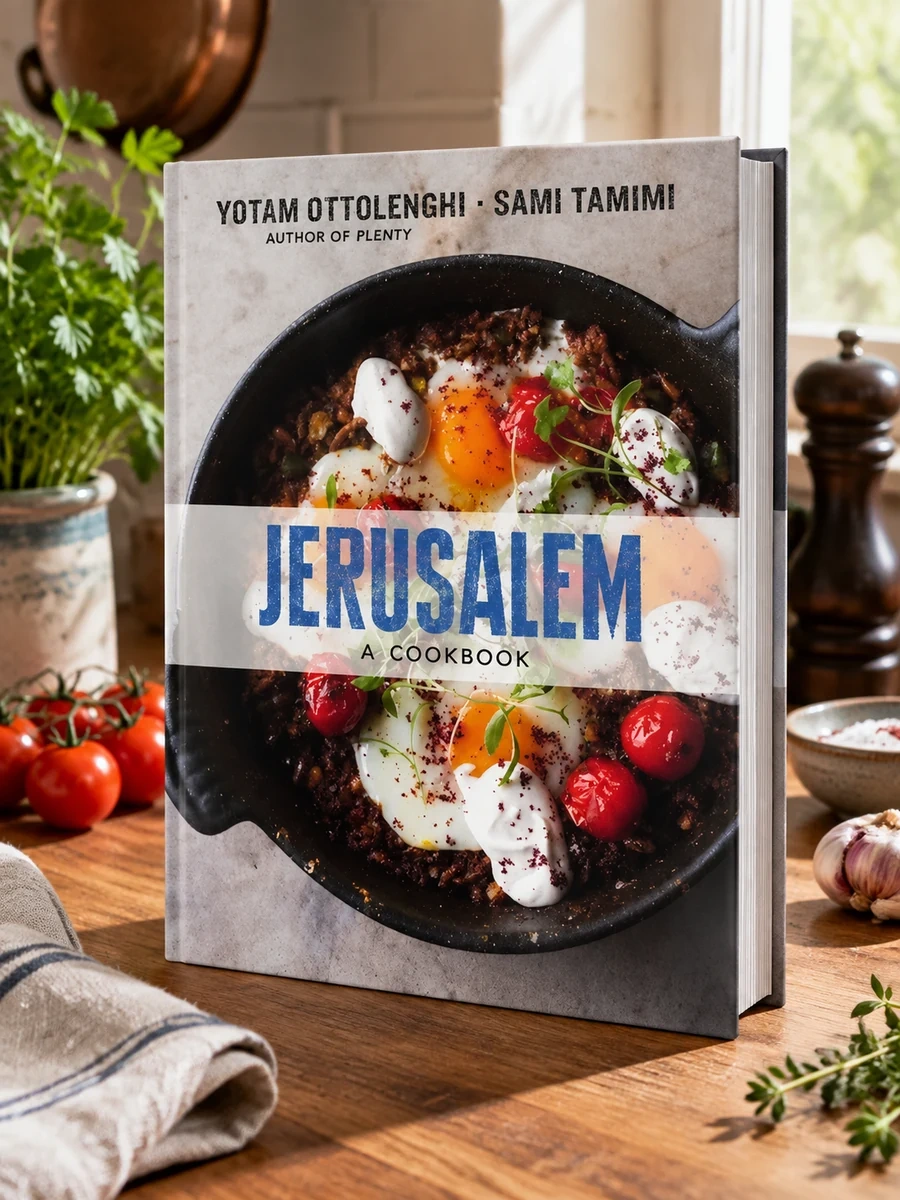
5. Jerusalem: A Cookbook — Yotam Ottolenghi
Choose Jerusalem when you want the cultural context of food to become part of the pleasure of cooking. The book explores the culinary traditions associated with Jerusalem, making it a particularly useful addition for readers interested in regional cooking as well as recipes. It offers a different kind of value from Simple: instead of starting with the demands of a busy schedule, it invites you to spend time with a particular food culture.
This is an especially good next book if you have enjoyed Ottolenghi's approach and want to understand more about the traditions and influences surrounding it. Read the contextual material alongside the recipes rather than treating the book solely as a list of dinner ideas. Its subject also makes it an appealing choice for cooks who like to build a meal around several dishes and share them at the table.
Best for: Readers interested in Middle Eastern food, regional traditions, and the stories behind what they cook.
Choose a specialty: baking or ambitious entertaining
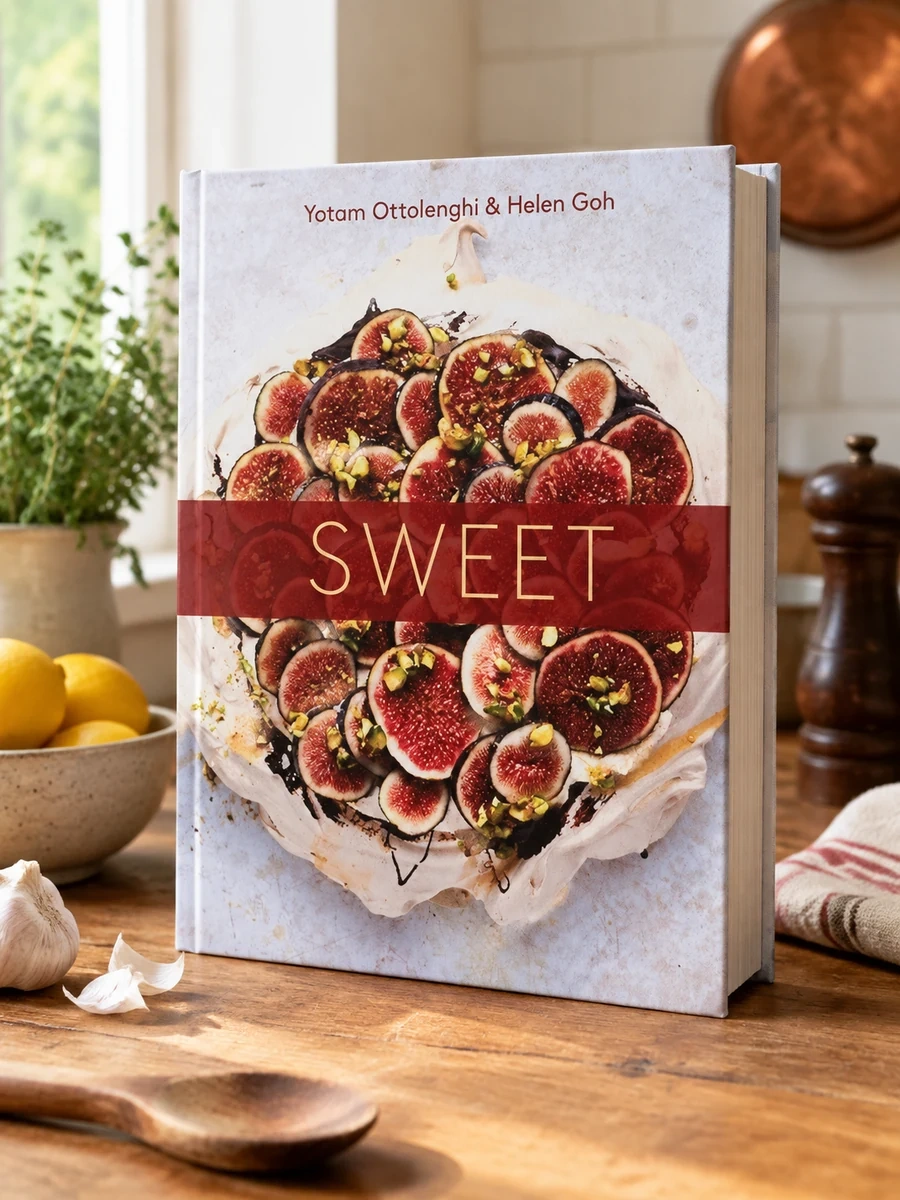
6. Sweet: Desserts from London's Ottolenghi [A Baking Book] — Yotam Ottolenghi
Not every Ottolenghi reader wants another dinner cookbook. If your favorite part of a meal is dessert, Sweet is the natural specialist choice. It concentrates on baking and desserts, giving readers a dedicated direction to explore instead of asking them to work through another broad savory collection.
Choose this book once you know that baking is an area you genuinely want to develop, or start here if desserts are your main reason for seeking out Ottolenghi. Baking generally rewards careful attention to measurements, preparation, and timing, so approach the recipes with the same planning you would bring to any dedicated baking book. It is also a useful way to broaden an Ottolenghi collection beyond vegetable dishes and main courses.
Best for: Dessert enthusiasts, home bakers, and cooks who want a dedicated sweet-focused cookbook.
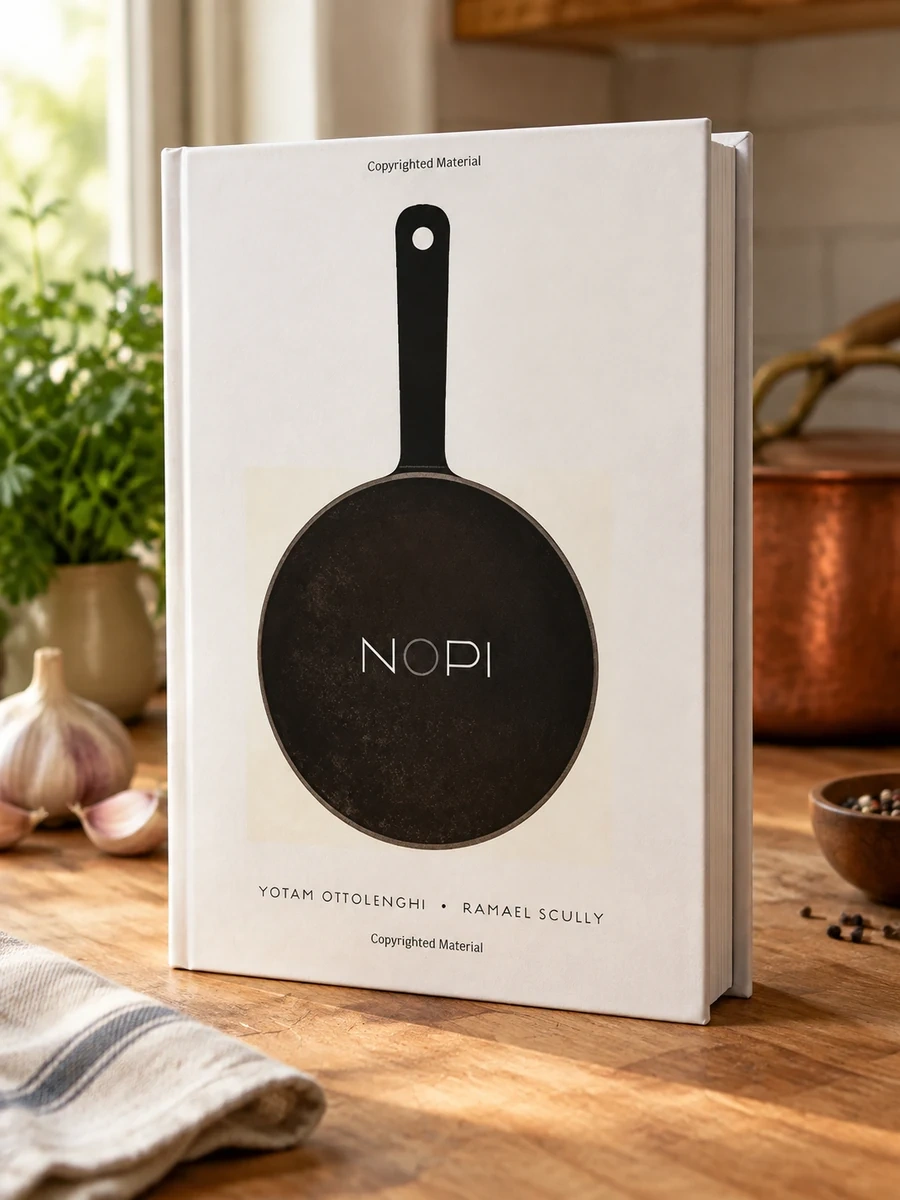
7. Nopi: The Cookbook — Yotam Ottolenghi
Nopi belongs later in a practical reading order because it is intended for cooks looking for more ambitious inspiration. It is associated with the NOPI restaurant and suits people who enjoy bold flavor combinations and are comfortable taking on complex ingredients and preparations. This is not the book I would recommend as your only Ottolenghi cookbook if you simply need help getting dinner on the table.
Instead, approach it as a source of ideas for special meals, more involved cooking sessions, and occasions when the process itself is part of the enjoyment. Having some experience with the author's approach will help you decide which recipes fit your kitchen, schedule, and skill level. For the right cook, its more ambitious direction makes it a valuable complement to an accessible everyday book.
Best for: Experienced home cooks, confident entertainers, and readers interested in restaurant-inspired cooking.
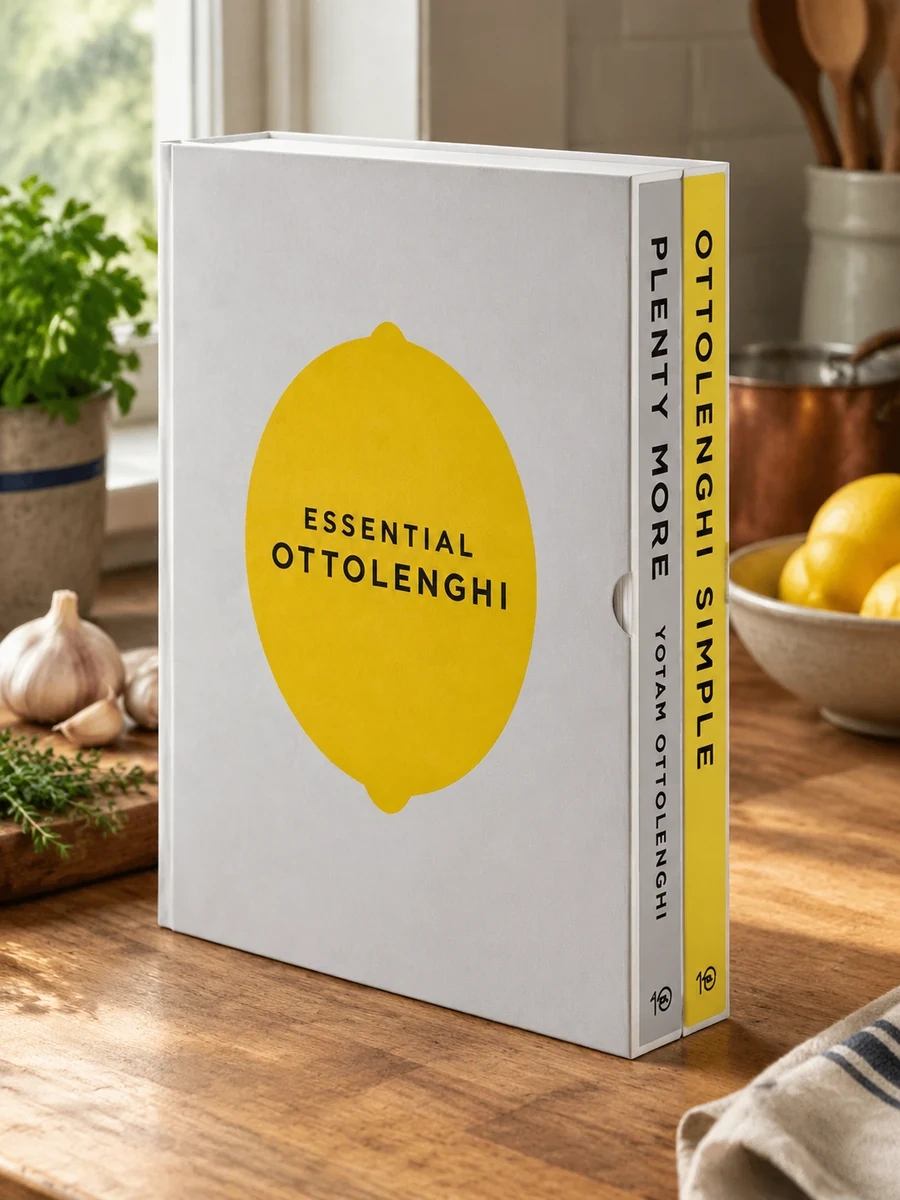
8. Essential Ottolenghi [Special Edition, Two-Book Boxed Set]: Plenty More and Ottolenghi Simple — Yotam Ottolenghi
If you are building a collection rather than selecting a single next read, this two-book boxed set is worth considering. It brings together Plenty More and Ottolenghi Simple, combining an everyday-oriented approach with a dedicated focus on vegetables. That pairing makes sense for a cook who wants both practical meal ideas and a larger source of vegetable inspiration.
The set appears last in this reading order because it is best understood as a collection decision rather than another step in the author's development. If you already own either of the included books, compare the contents before choosing the set to avoid unnecessary duplication. If you own neither, it offers a straightforward way to start with two complementary directions at once.
Best for: Readers building a small Ottolenghi library, especially those interested in both everyday cooking and vegetables.
How to choose the right Ottolenghi cookbook for you
You do not need to read all eight books, and the numbered order is a guide rather than a rule. The smartest choice is the book that matches the kind of cooking you actually do. A cookbook is most useful when it fits your schedule, interests, and willingness to try unfamiliar ingredients.
- If you are completely new to Ottolenghi: Start with Ottolenghi Simple. It is the most practical entry point in this selection.
- If vegetables are your priority: Choose Flavor or Plenty More. Pick one first, then add the other if you want to expand your collection.
- If you want regional and cultural context: Start with Jerusalem, especially if you enjoy reading about food traditions alongside cooking.
- If baking is your main interest: Go directly to Sweet. There is no need to begin with a savory cookbook first.
- If you enjoy ambitious cooking: Consider Nopi once you are ready for more complex restaurant-inspired ideas.
- If you want two complementary books: The Essential Ottolenghi boxed set combines everyday cooking with vegetable-focused recipes.
Think, too, about how you use cookbooks. If you cook from a book several nights a week, accessibility matters more than having the most ambitious collection. If you mostly cook for friends, a more specialized volume may earn its place through occasional elaborate meals. And if you read cookbooks as much as you cook from them, the cultural perspective of Jerusalem may be just as important as the recipes.
My recommendation is simple: begin with Ottolenghi Simple unless you already know that vegetables, regional food, baking, or restaurant-style cooking is your main interest. Add a second book only after you have identified what you want more of. That approach builds a useful collection around your own kitchen instead of leaving you with several cookbooks competing for the same space.