12,300+ cookbooks Ships from the US · 30-day returns
👤 My Account
🌍 Regional & Cultural

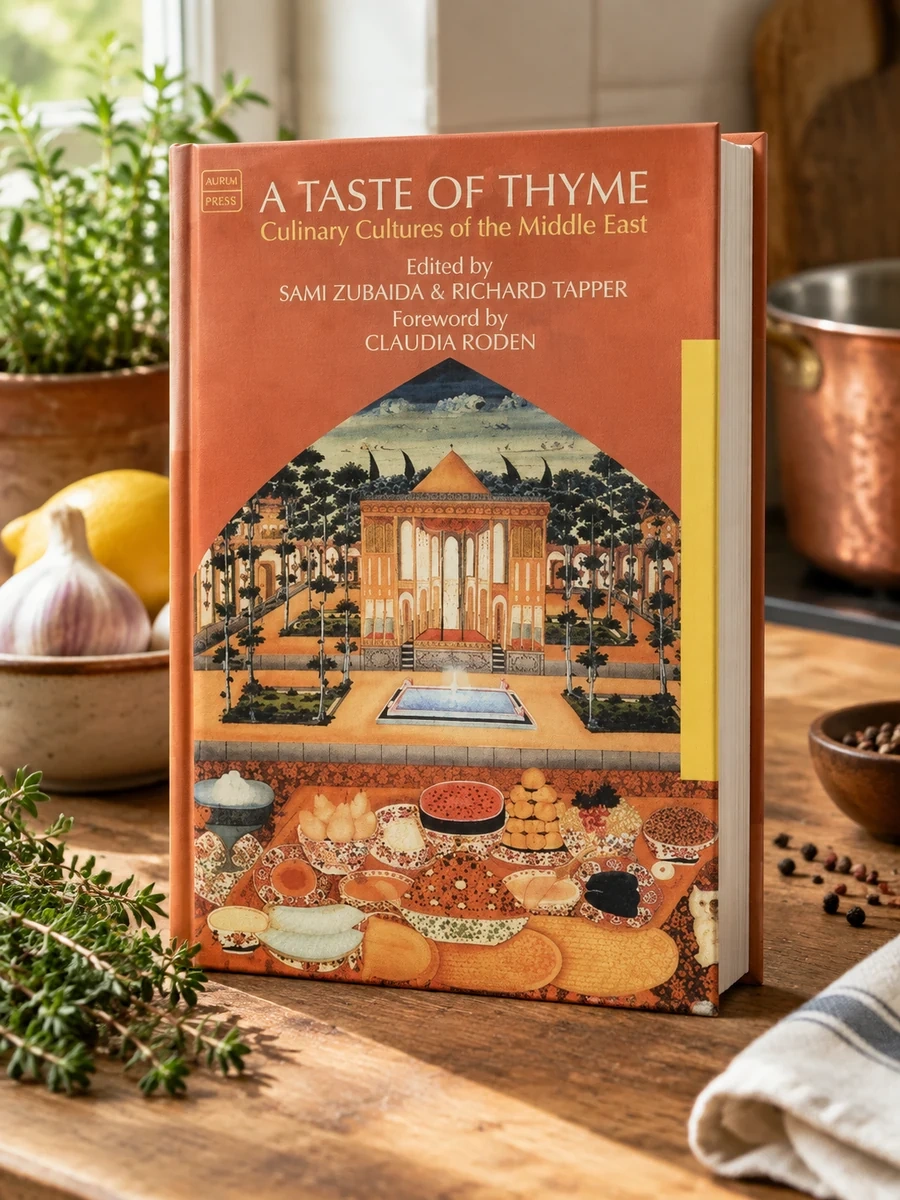
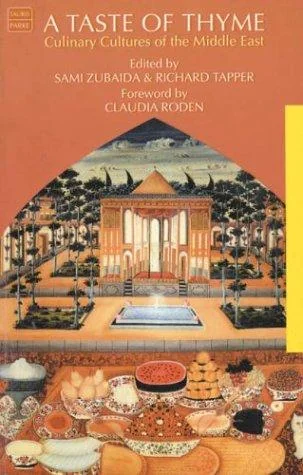
A Taste of Thyme: Culinary Cultures of the Middle East

✍️ Zubaida, Sami
Reader Score
4.4
(1 review)
$22.00
In stock — ready to ship Ships in 1–2 business days
📚 WHAT THE BOOK IS ABOUT

An academic analysis of Middle Eastern food culture by Sami Zubaida.

Zubaida compiles research from various disciplines to explain the role of food in Islamic societies. The volume moves beyond ingredients to discuss social customs, religious practices, and historical influences. It details how communities from Central Asia to Morocco interact with their culinary environment. The authors examine the impact of empires and revolutions on dietary habits. Specific attention is given to the symbolism of items like coffee and wine. The text also considers the roles of different social groups in food production and consumption.

Key Themes
Islamic food culture Ottoman Empire history Ramadan traditions
Literary Context

Published in 2001, this paperback volume by Tauris Parke Paperbacks situates itself within the study of Middle Eastern culinary cultures. It draws on scholarly perspectives from diverse fields to explore customs and traditions across the region.


Difficulty
●●● Challenging
Recommended For Fans Of
Laurie David's The Food Lab for its scientific approach to food · Rachel Laudan's Cuisine and Empire for historical depth · Any reader of The Oxford Companion to Food
🌍
Regional & Cultural
🏛 Tauris Parke Paperbacks 📅 2001 📔 Paperback ISBN: 9781860646034

📝 Description: A Taste of Thyme: Culinary Cultures of the Middle East

Sami Zubaida’s A Taste of Thyme examines food culture within the Islamic world through an interdisciplinary lens. Scholars from history, sociology, geography, anthropology, and literature analyze culinary traditions across a vast geographical span extending from Central Asia to Morocco. The text investigates how historical forces and social structures shape eating habits in this region. The book covers specific topics such as the preparation of rice, soup, and dairy products like yogurt and cheese. It also explores the cultural significance of coffee, alcohol, and wine, alongside ingredients including almonds, dates, honey, sugar, and barley. The narrative addresses complex social issues involving women, butchers, and religious observances like Ramadan. Historical contexts include the Ottoman Empire and the Islamic Revolution, while geographical focus areas encompass Egypt, Iran, Turkey, Lebanon, Syria, Morocco, Afghanistan, Azerbaijan, Kurdistan, Israel, Greece, India, and Istanbul. This work suits readers interested in the academic study of Middle Eastern customs and food history. It may not appeal to those seeking straightforward recipes or practical cooking instructions. The text provides a scholarly examination of how food functions within society rather than offering culinary guidance for the home kitchen.

💎 Expert review

“
🍳
Eatbook Family editorial team
Cookbook desk
This is a rigorous scholarly examination, not a cookbook. While it offers fascinating insights into the roles of women, butchers, and religious observances like Ramadan, it lacks practical guidance for the kitchen. The tone is academic and dense, analyzing food through history, sociology, and anthropology. It does not suit readers looking for straightforward recipes or quick meal ideas. Instead, it appeals to those who wish to understand the complex social structures and historical forces shaping Middle Eastern culinary traditions. It is a valuable resource for historians and cultural critics but may frustrate casual cooks seeking inspiration.
✓ EDITOR'S REVIEW

📖 Why choose it

📖

Why this book is worth reading

Readers seeking a deep, academic understanding of how food functions within Islamic societies will find this text invaluable. Zubaida moves beyond simple ingredients to explore the social customs, religious practices, and historical influences that shape dietary habits from Central Asia to Morocco. It is ideal for those interested in the symbolism of items like coffee and wine, or the impact of empires on cuisine. However, home cooks seeking practical recipes will find little utility here, as the focus remains strictly on cultural analysis, sociology, and history rather than culinary instruction.

⭐ Reader reviews

The starting rating comes from the team Eatbook Family —
⭐ eatbookfamily.com editorial review Editorial rating 4.5/5
★★★★★
This title is for readers interested in the social history of food rather than home cooks seeking recipes. It suits students and academics studying Middle Eastern culture, religious customs, or historical dietary shifts across Islamic societies from Central Asia to Morocco.

Reader rating

4.4
Based on 1 reviews
5
0
4
1
3
0
2
0
1
0
E
Eatbook Family editorial team

This is a rigorous scholarly examination, not a cookbook. While it offers fascinating insights into the roles of women, butchers, and religious observances like Ramadan, it lacks practical guidance for the kitchen. The tone is academic and dense, analyzing food through history, sociology, and anthropology. It does not suit readers looking for straightforward recipes or quick meal ideas. Instead, it appeals to those who wish to understand the complex social structures and historical forces shaping Middle Eastern culinary traditions. It is a valuable resource for historians and cultural critics but may frustrate casual cooks seeking inspiration.

❓ Frequently asked questions

No, it is an academic analysis of food culture and social customs rather than a practical cookbook with instructions.
324 pages, paperback.
Published in 2001 by Tauris Parke Paperbacks.
Orders ship from a US warehouse. The shipping cost is shown before you pay, and returns are accepted within 30 days.

📖 Who should read this

This title is for readers interested in the social history of food rather than home cooks seeking recipes. It suits students and academics studying Middle Eastern culture, religious customs, or historical dietary shifts across Islamic societies from Central Asia to Morocco.

📜 Historical context

Unlike standard cookbooks focused on ingredients and techniques, this work compiles interdisciplinary research to explain the role of food in Islamic societies. It moves beyond culinary instructions to examine social customs, religious practices, and the impact of empires on dietary habits within the region.

You might also like

See more →
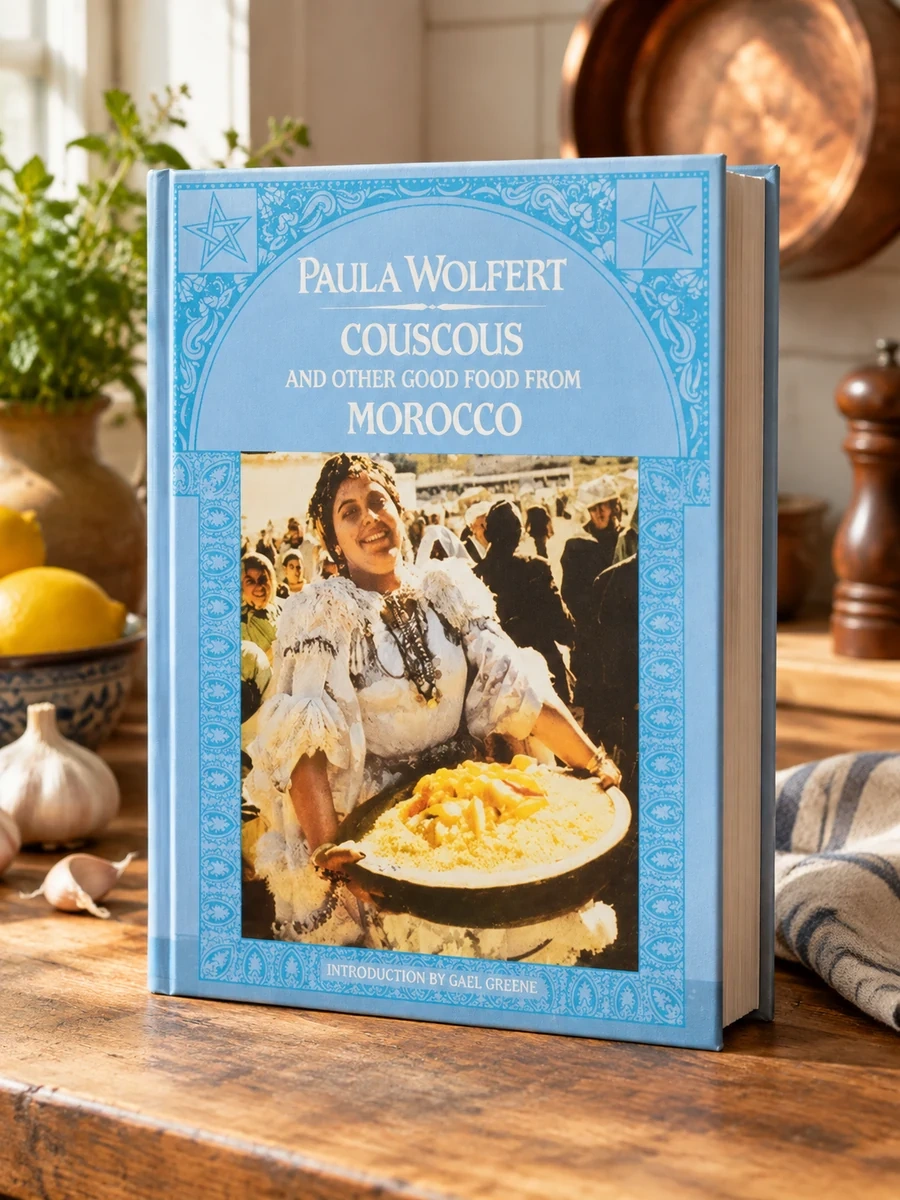
Couscous and Other Good Food from Morocco 👑 Masterpiece
★★★★★
★★★★★
4.8
1
Wolfert, Paula
Couscous and Other Good Food from Morocco
$22.99
95
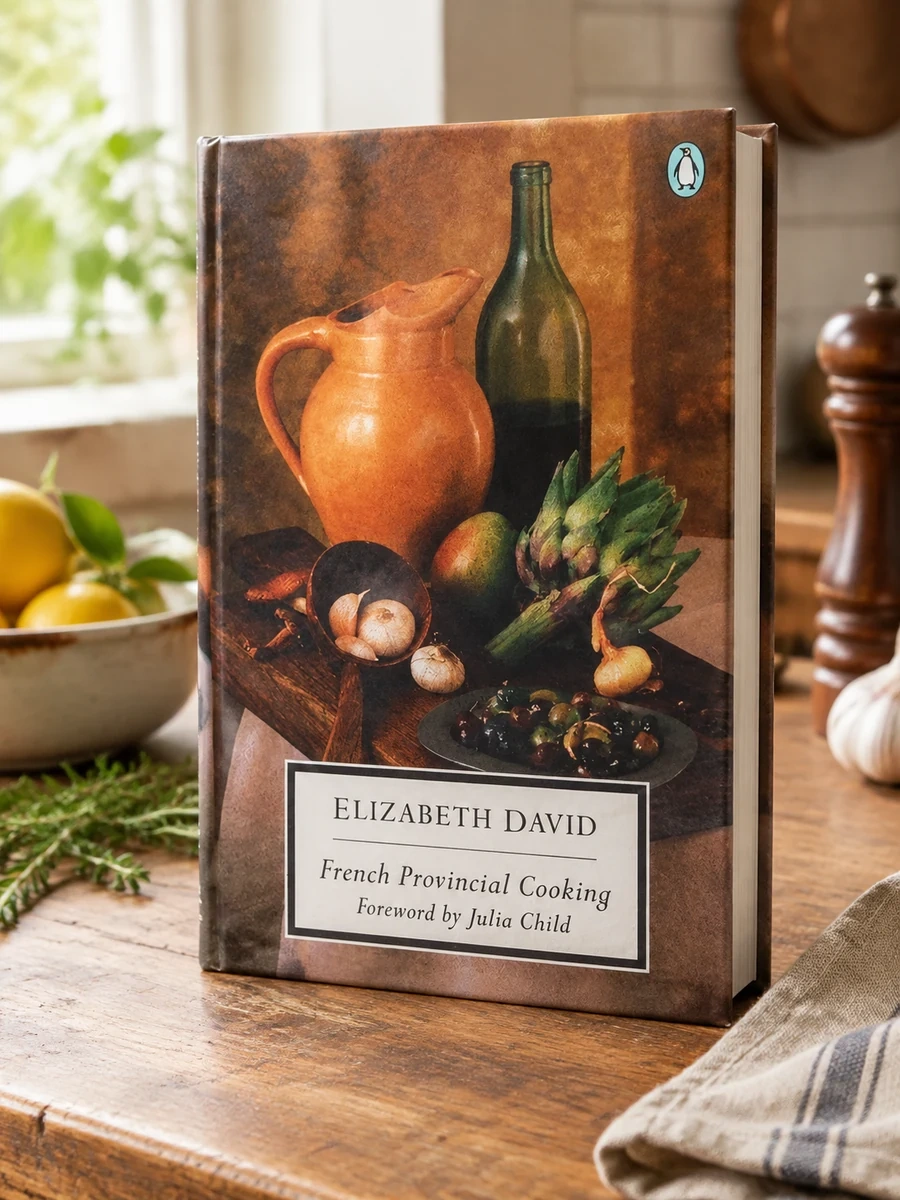
French Provincial Cooking
★★★★★
★★★★★
4.8
1
David, Elizabeth
French Provincial Cooking
$27.00
92
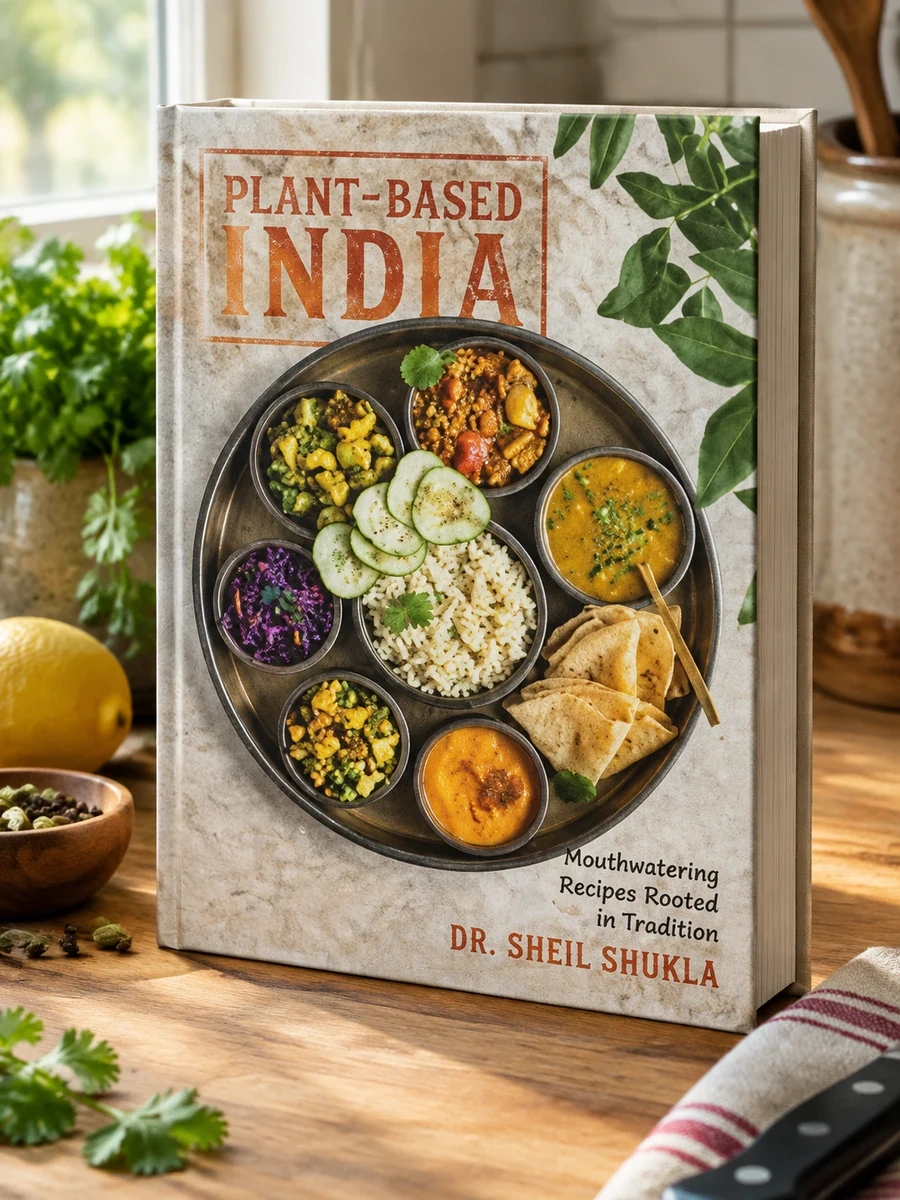
Plant-Based India: Nourishing Recipes Rooted in Tradition
★★★★★
★★★★★
4.8
1
Shukla, Sheil
Plant-Based India: Nourishing Recipes Rooted in Tradition
$32.50
92
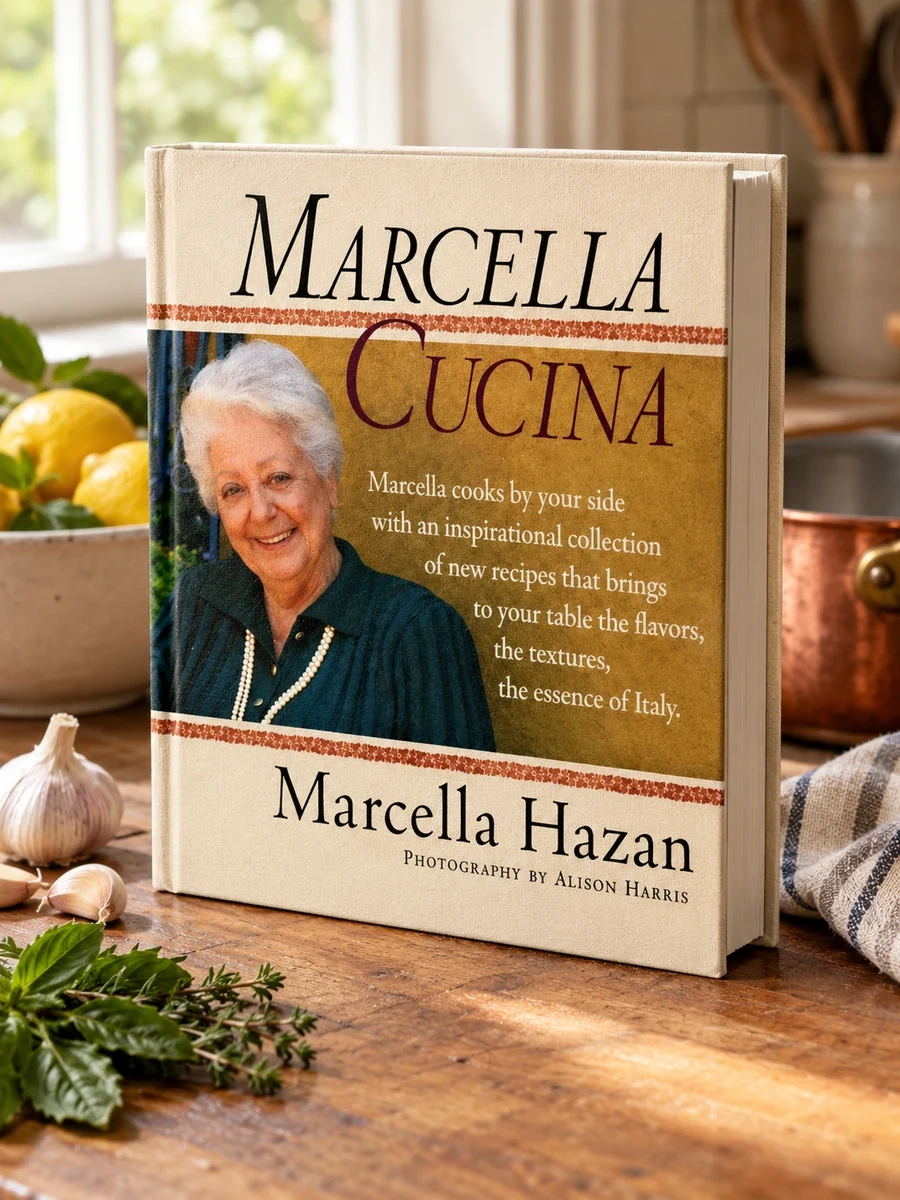
Marcella Cucina
★★★★★
★★★★★
4.8
1
Hazan, Marcella
Marcella Cucina
$37.95
92
Mastering the Art of French Cooking (2 Volume Box Set): A Cookbook
★★★★★
★★★★★
4.8
1
Child, Julia
Mastering the Art of French Cooking (2 Volume Box Set): A Cookbook
$110.00
92
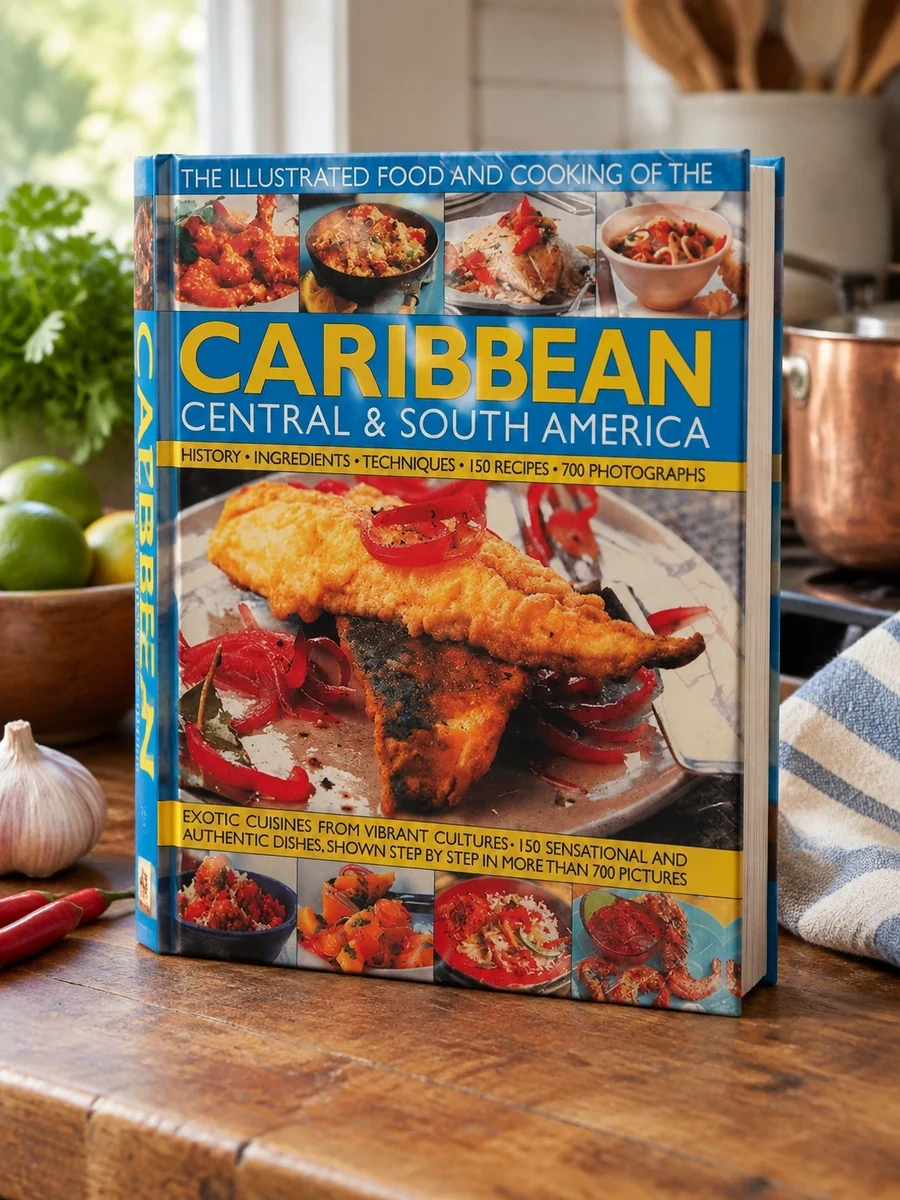
The Illustrated Food and Cooking of the Caribbean, Central & South America: History, Ingredients, Techniques
★★★★★
★★★★★
4.8
Fleetwood, Jenni
The Illustrated Food and Cooking of the Caribbean, Central & South America: History, Ingredients, Techniques
$21.99
91
Kitchen Diva! the New African-American Kitchen
★★★★★
★★★★★
4.8
Medearis, Angela Shelf
Kitchen Diva! the New African-American Kitchen
$21.95
91
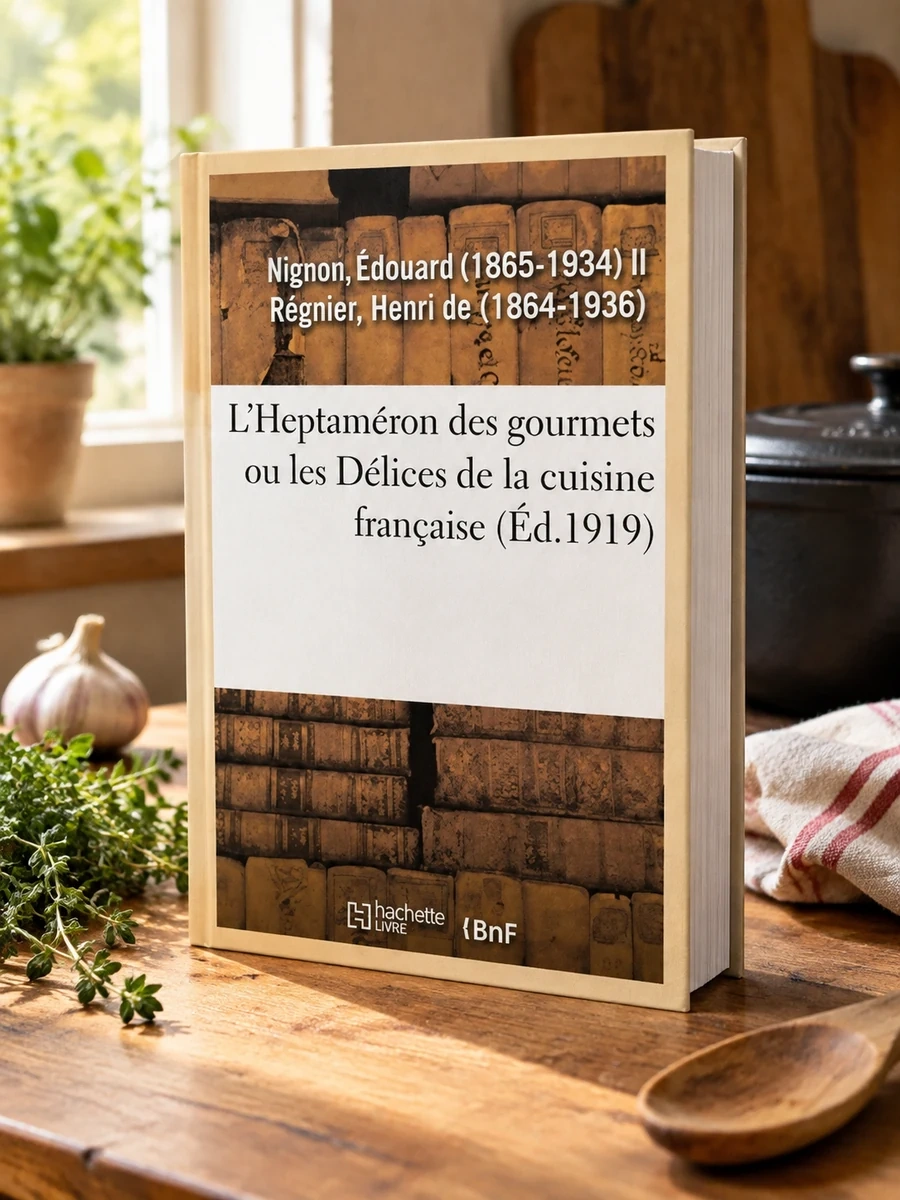
L'Heptameron des gourmets ou les Delices de la cuisine francaise
★★★★★
★★★★★
4.8
Nignon, Edouard
L'Heptameron des gourmets ou les Delices de la cuisine francaise
$22.95
91
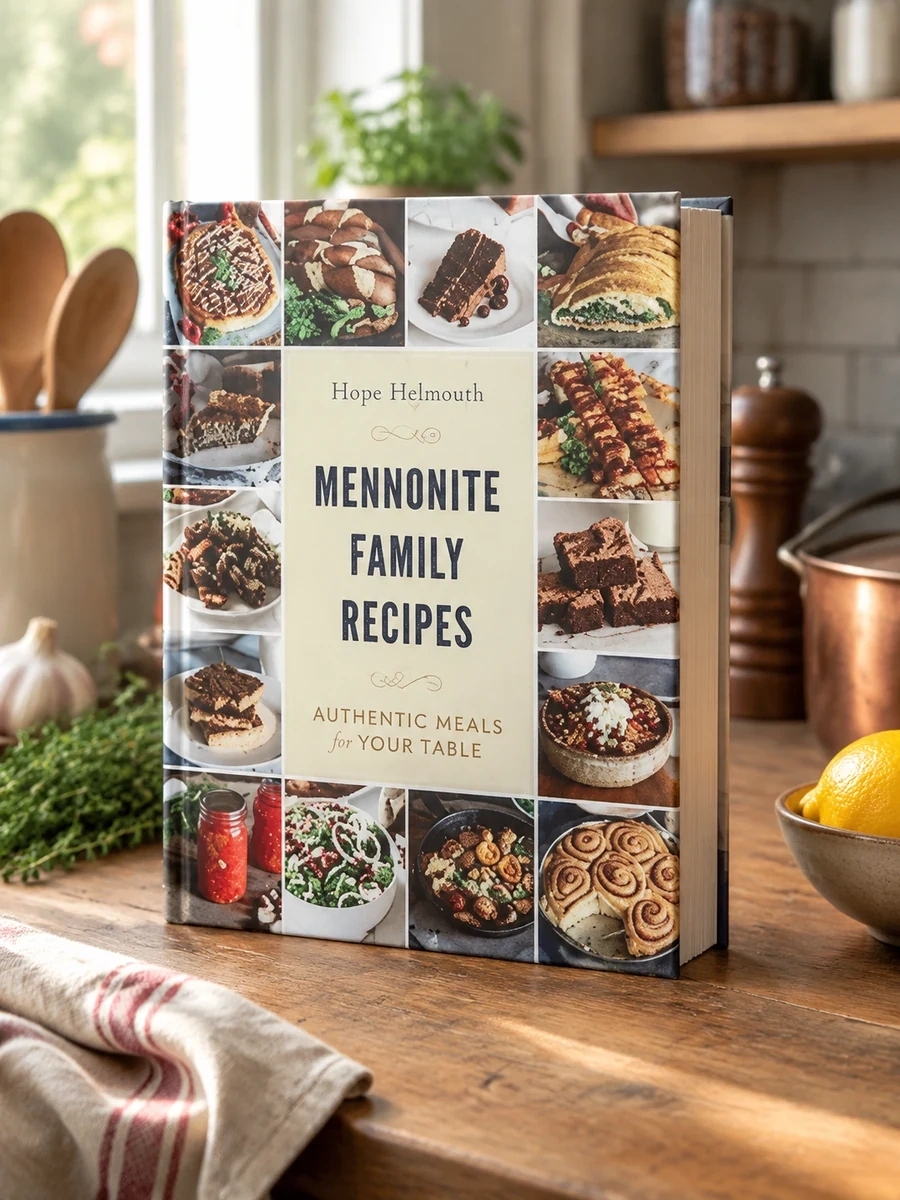
Mennonite Family Recipes
★★★★★
★★★★★
4.8
Hope Helmuth
Mennonite Family Recipes
$19.99
91

Have a question about this item?

Ask about the edition, condition, delivery or anything else — we reply by email or phone, usually within a day.

Home Genres
Cart
Wishlist