
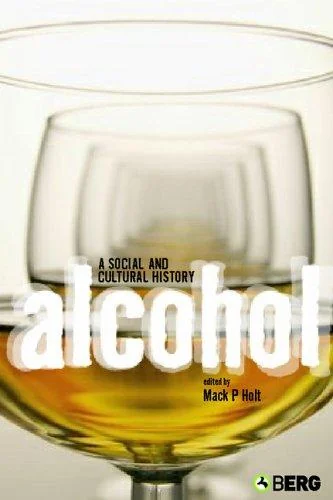
Alcohol: A Social and Cultural History
✍️ Holt, Mack PA scholarly look at alcohol's role in Western society from the Middle Ages to today.
This volume presents a multifaceted view of drinking habits through academic essays rather than a single narrative. It connects specific historical moments, such as the Reformation and the French Revolution, to broader themes like public health and social class. The contributors use primary sources like diaries and medical records to show how attitudes toward alcohol shifted over time. Readers will find detailed analyses of regional differences, including Russian taverns and Scottish claret consumption. The book emphasizes that understanding drinking requires looking at religion, medicine, and politics simultaneously.
Published in 2006 by Berg Publishers, this hardcover volume covers the period from the late Middle Ages to the present. It focuses on Western societies, specifically drawing examples from Europe, North America, and Australia to illustrate the evolution of alcohol's functions and uses over five centuries.


📝 Description: Alcohol: A Social and Cultural History
💎 Expert review
📖 Why choose it
Why this book is worth reading
Readers seeking a deep intellectual dive into the sociology of drinking will find this collection invaluable. It offers a multifaceted view of alcohol’s role in Western society, connecting historical moments like the Reformation to broader themes of class and public health. By utilizing primary sources such as diaries and medical records, the contributors illustrate how attitudes toward alcohol shifted over five centuries. This book is ideal for historians, sociologists, or curious minds who want to understand drinking not just as a habit, but as a complex cultural phenomenon influenced by medicine, politics, and religion. It provides context for modern ambivalence toward drink by exploring its historical functions in domestic versus recreational settings.
⭐ Reader reviews
Reader rating
This scholarly collection is unsuitable for home cooks seeking recipes or bartenders looking for mixing guides. Its dense academic tone and essay-based structure may alienate casual readers expecting a narrative arc. However, it excels as a rigorous examination of how alcohol shaped societal structures across Europe and North America. The detailed analyses of regional differences, from Russian taverns to Scottish claret consumption, offer unique insights into class and gender dynamics. While the lack of practical application is clear, the work’s strength lies in its comprehensive overview of beverage culture. It rewards patience with a nuanced understanding of how drink reveals broader historical trends.
❓ Frequently asked questions
📖 Who should read this
This volume suits serious history students and cultural researchers interested in Western society. It is ideal for readers who prefer academic essays over narrative cookbooks. The content appeals to those studying social class, public health, or religious shifts through the lens of drinking habits in historical contexts.