12,300+ cookbooks Ships from the US · 30-day returns
👤 My Account

Beans: A History

✍️ Albala, Ken
Reader Score
4.4
(1 review)
$61.00
In stock — ready to ship Ships in 1–2 business days
📚 WHAT THE BOOK IS ABOUT

A global history of legumes exploring their cultural impact over ten millennia.

Albala investigates the complex relationship between humans and beans, focusing on historical controversies rather than just agricultural facts. He analyzes how religious figures like St. Jerome condemned bean eating for moral reasons while ancient philosophers like Pythagoras assigned spiritual significance to them. The author connects these past beliefs to contemporary understandings of bean toxins and nutritional value. This approach demonstrates how food choices reflect broader social hierarchies and scientific knowledge. The book serves as a study in how a single ingredient can carry heavy symbolic weight in different contexts.

Key Themes
Pythagorean soul theories convent dietary prohibitions social class associations
Literary Context

Published by Berg Publishers in 2007, this hardcover volume examines legumes from ancient times through the modern era. It covers global civilizations that have cultivated beans for over ten thousand years, linking social history with culinary traditions.


Difficulty
●● Medium
Recommended For Fans Of
Food in History by Reay Tannahill · Consider the Fork by Bee Wilson · Salt: A World History by Mark Kurlansky · An Edible History of Humanity by Tom Standage
📜
Food Writing & History
🏛 Berg Publishers 📅 2007 📔 Hardcover ISBN: 9781845204303
📚 This Book in Collections

📝 Description: Beans: A History

Ken Albala traces the ten thousand year cultivation of legumes across global civilizations in Beans: A History. He examines how societies have viewed this staple food through varying lenses of health, morality, and class status. The text moves beyond simple culinary history to explore the cultural baggage attached to beans. Albala details specific historical attitudes, such as Pythagoras’ belief that beans housed human souls and St. Jerome’s prohibition of bean consumption in convents due to concerns about bodily functions. He also addresses modern scientific perspectives on the toxins found in these common foods. The narrative highlights how beans have been simultaneously scorned as poor man's meat and praised for their health benefits and patriotic symbolism. This new edition includes a preface by Albala that frames this exploration through diverse cuisines and cultures. This work suits readers interested in social history, the anthropology of food, and the intersection of religion and diet. It may not appeal to those seeking only recipes or practical cooking advice. The book offers a scholarly look at how attitudes toward basic foodstuffs reveal deeper truths about societal values across different eras.

💎 Expert review

“
🍳
Eatbook Family editorial team
Cookbook desk
Ken Albala provides a fascinating scholarly look at how attitudes toward legumes reveal deeper truths about societal values across different eras. The narrative highlights historical controversies, moving through ancient philosophical beliefs, religious prohibitions, and modern scientific perspectives on toxins and nutrition. It effectively demonstrates how beans have been simultaneously scorned as poor man's meat and praised for health benefits or patriotic symbolism. However, this work distinctly does not suit readers seeking only recipes or practical cooking advice. Its academic focus on cultural history and symbolic weight is tailored specifically for those drawn to food history, rather than kitchen technique or everyday meal preparation.
✓ EDITOR'S REVIEW

📖 Why choose it

📖

Why this book is worth reading

Readers interested in the social history, anthropology of food, and the intersection of religion and diet will gain profound insights from this scholarly examination. Ken Albala investigates the complex relationship between humans and legumes, moving far beyond simple agricultural facts to explore historical controversies and cultural baggage. By looking at how religious figures, ancient philosophers, and modern scientists viewed beans, readers discover how a single ingredient can carry heavy symbolic weight. It shows how food choices reflect broader social hierarchies and scientific knowledge across ten millennia, making it a rewarding choice for anyone fascinated by the deeper truths revealed through basic foodstuffs and societal values.

⭐ Reader reviews

The starting rating comes from the team Eatbook Family —
⭐ eatbookfamily.com editorial review Editorial rating 4.5/5
★★★★★
This title suits history enthusiasts and culinary scholars interested in the cultural anthropology of food rather than home cooks seeking recipes. It appeals to readers who enjoy analyzing how social hierarchies and scientific knowledge shape our dietary choices across different eras and regions.
Reader rating

4.4
Based on 1 reviews
5
0
4
1
3
0
2
0
1
0
E
Eatbook Family editorial team

Ken Albala provides a fascinating scholarly look at how attitudes toward legumes reveal deeper truths about societal values across different eras. The narrative highlights historical controversies, moving through ancient philosophical beliefs, religious prohibitions, and modern scientific perspectives on toxins and nutrition. It effectively demonstrates how beans have been simultaneously scorned as poor man's meat and praised for health benefits or patriotic symbolism. However, this work distinctly does not suit readers seeking only recipes or practical cooking advice. Its academic focus on cultural history and symbolic weight is tailored specifically for those drawn to food history, rather than kitchen technique or everyday meal preparation.

❓ Frequently asked questions

No, the text focuses on historical controversies and cultural impact rather than providing agricultural facts or practical culinary instructions.
241 pages, hardcover.
Published in 2007 by Berg Publishers.
Orders ship from a US warehouse. The shipping cost is shown before you pay, and returns are accepted within 30 days.

📖 Who should read this

This title suits history enthusiasts and culinary scholars interested in the cultural anthropology of food rather than home cooks seeking recipes. It appeals to readers who enjoy analyzing how social hierarchies and scientific knowledge shape our dietary choices across different eras and regions.

📜 Historical context

Unlike standard cookbooks that focus on agricultural facts or practical preparation, this work investigates the complex relationship between humans and legumes. It highlights historical controversies and symbolic weight, distinguishing itself by connecting past religious beliefs to contemporary nutritional understanding through a historical lens.

✍️ More books by this author Albala, Ken

All books by this author →
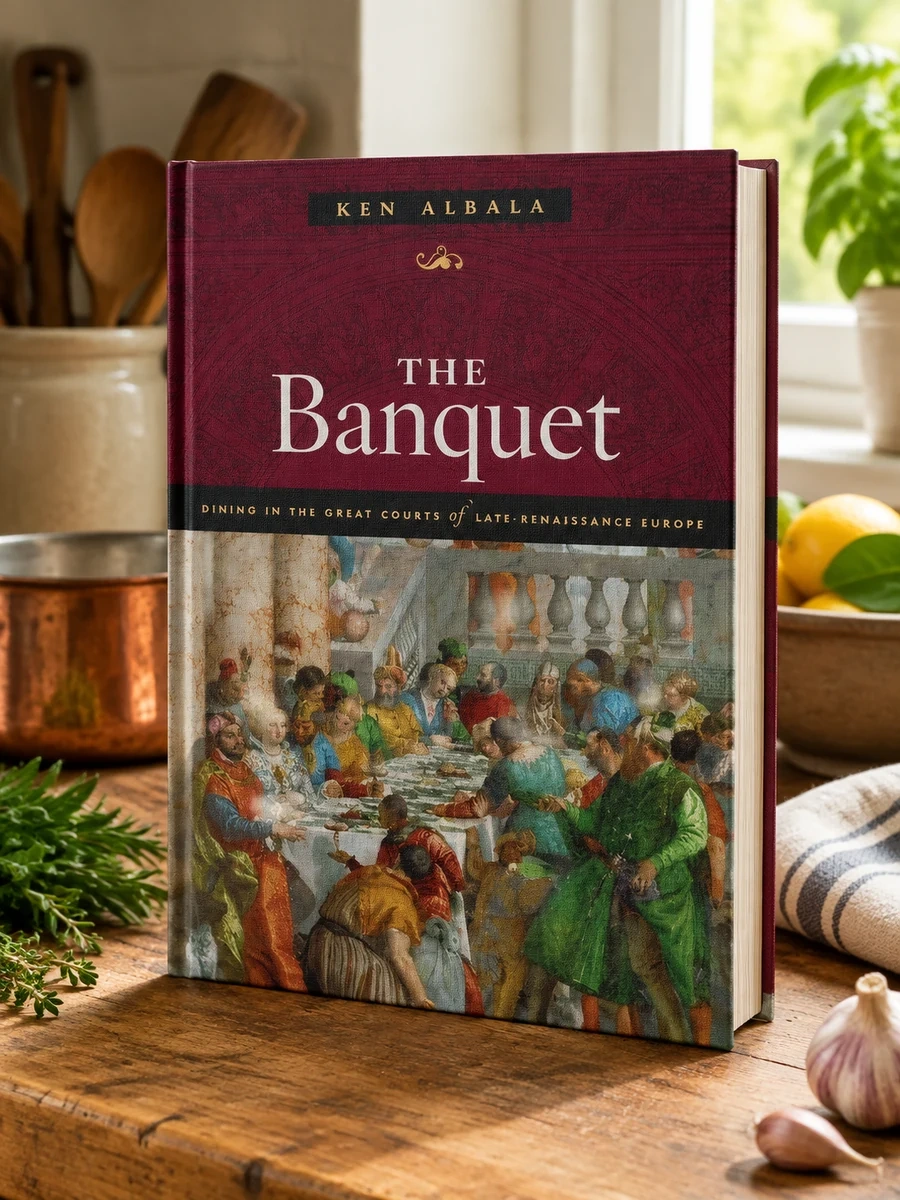
The Banquet: Dining in the Great Courts of Late Renaissance Europe
★★★★★
★★★★★
4.6
Albala, Ken
The Banquet: Dining in the Great Courts of Late Renaissance Europe
$25.00
84
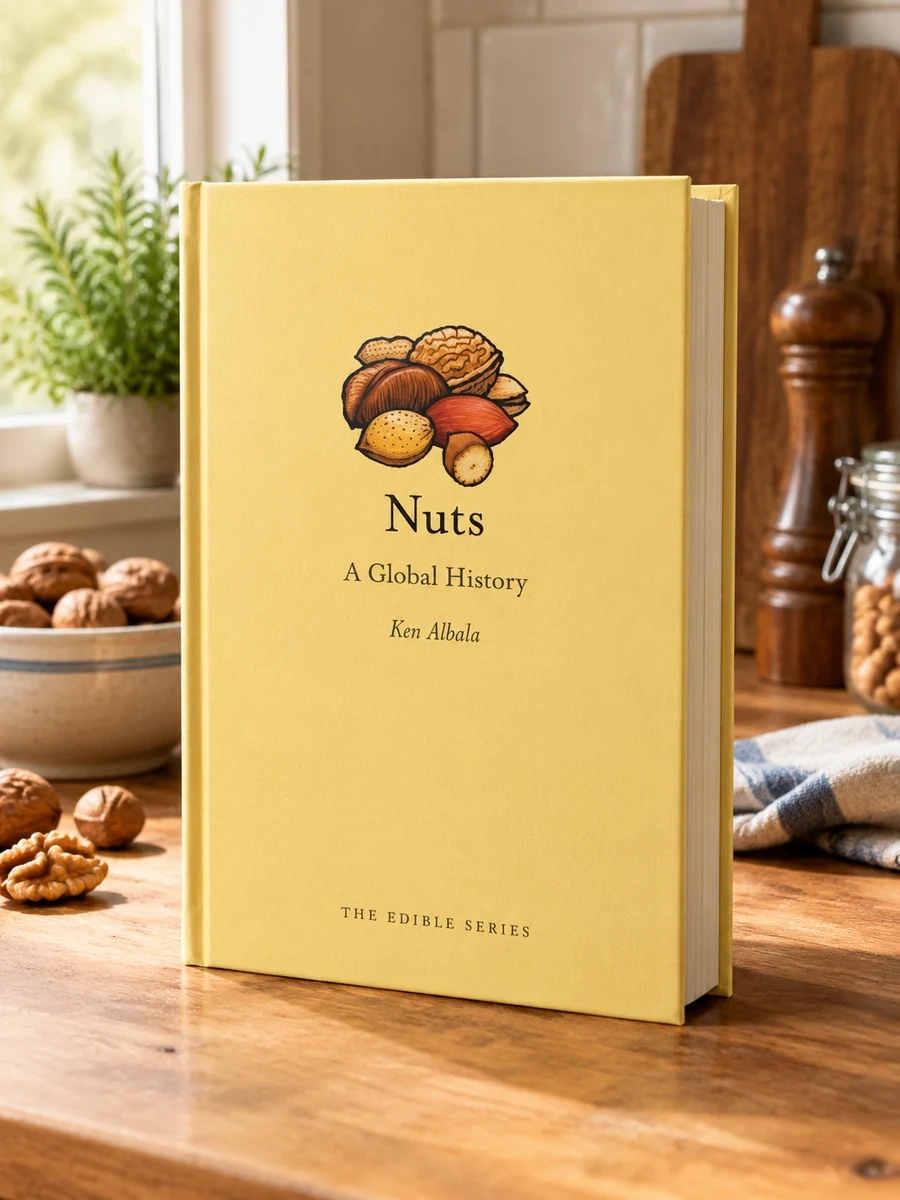
Nuts: A Global History
★★★★★
★★★★★
4.6
Albala, Ken
Nuts: A Global History
$23.00
86
The Banquet: Dining in the Great Courts of Late Renaissance Europe
★★★★★
★★★★★
4.6
Albala, Ken
The Banquet: Dining in the Great Courts of Late Renaissance Europe
$45.00
83
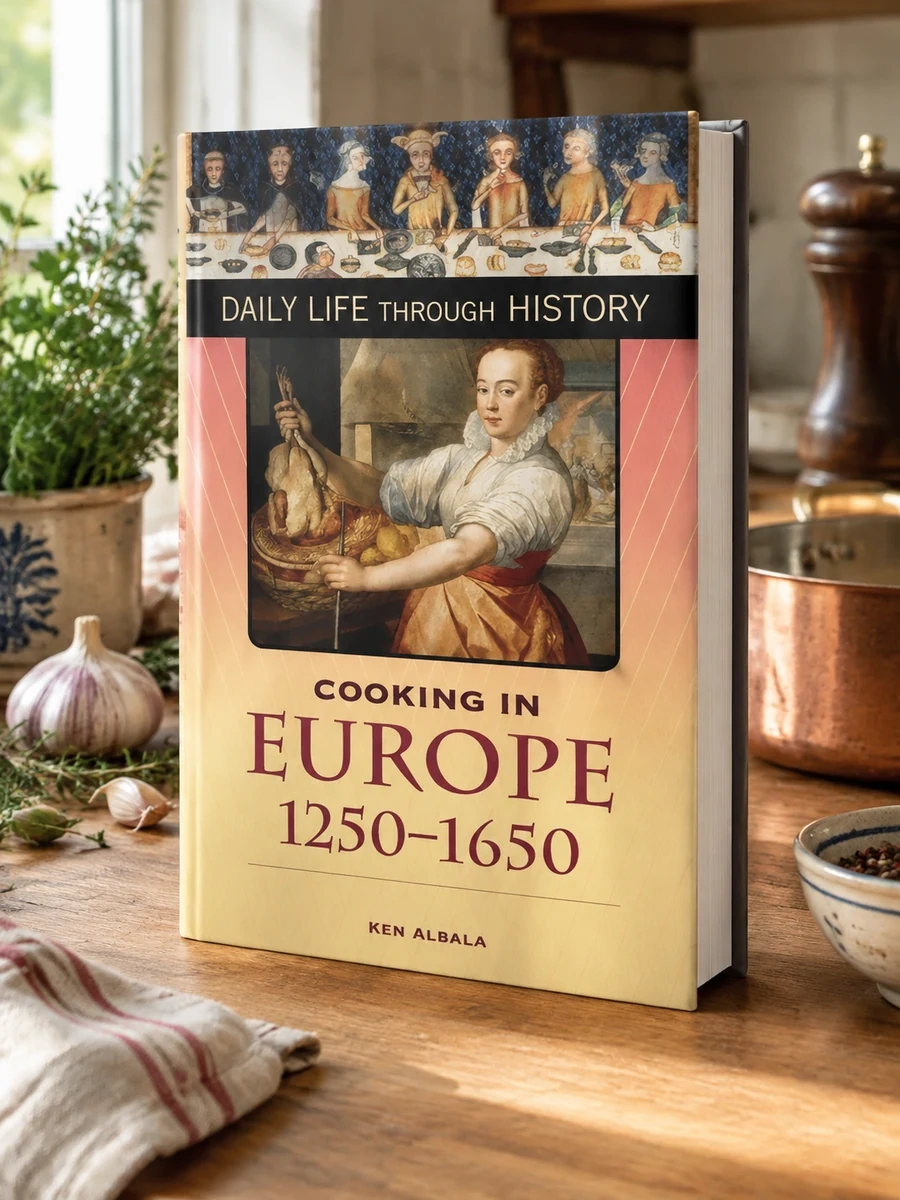
Cooking in Europe, 1250-1650
★★★★★
★★★★★
4.5
Albala, Ken
Cooking in Europe, 1250-1650
$58.00
78
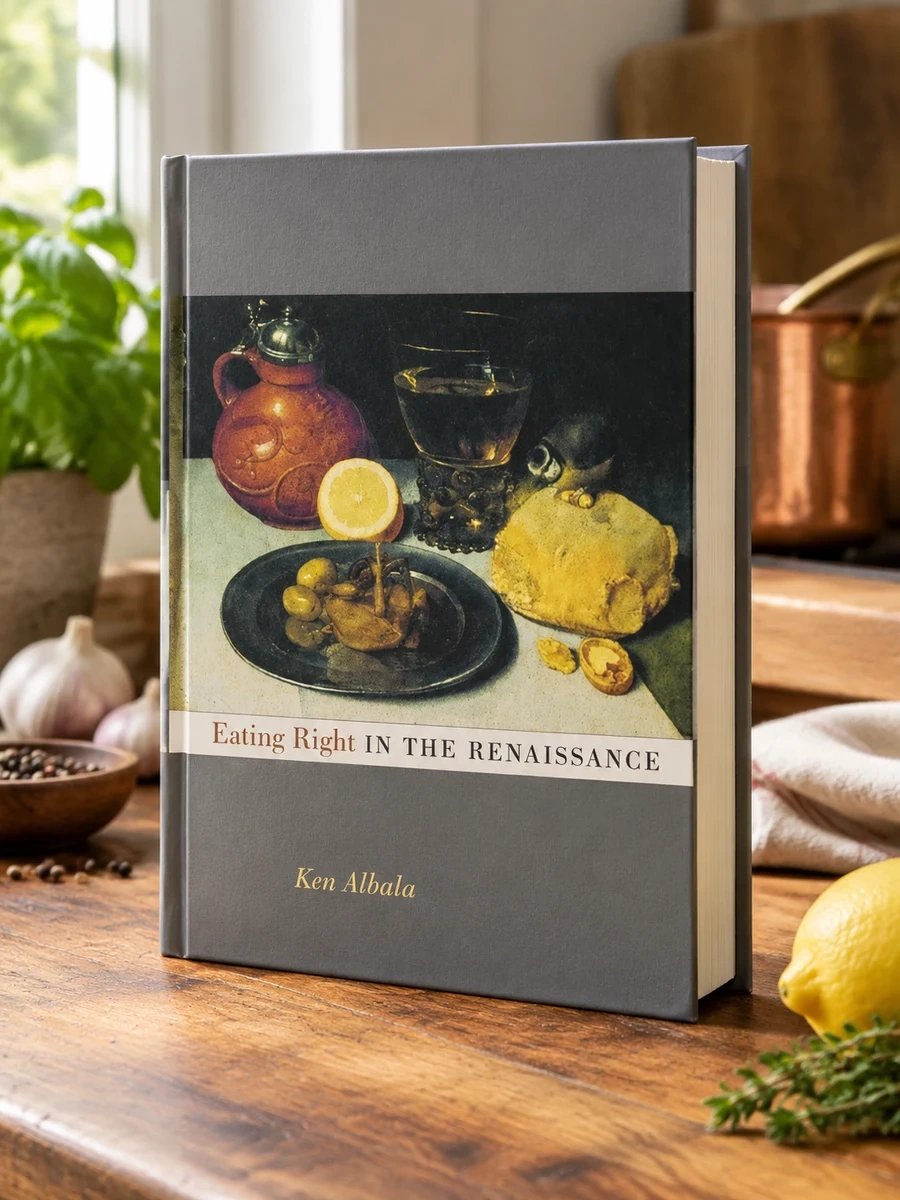
Eating Right in the Renaissance: Volume 2
★★★★★
★★★★★
4.6
Albala, Ken
Eating Right in the Renaissance: Volume 2
$47.95
86

🏛 Books from this publisher Berg Publishers

All books from this publisher →
Kitchen Secrets
★★★★★
★★★★★
4.6
Short, Frances
Kitchen Secrets
$190.00
85
Bite Me: Food in Popular Culture
★★★★★
★★★★★
4.5
Parasecoli, Fabio
Bite Me: Food in Popular Culture
$190.00
78
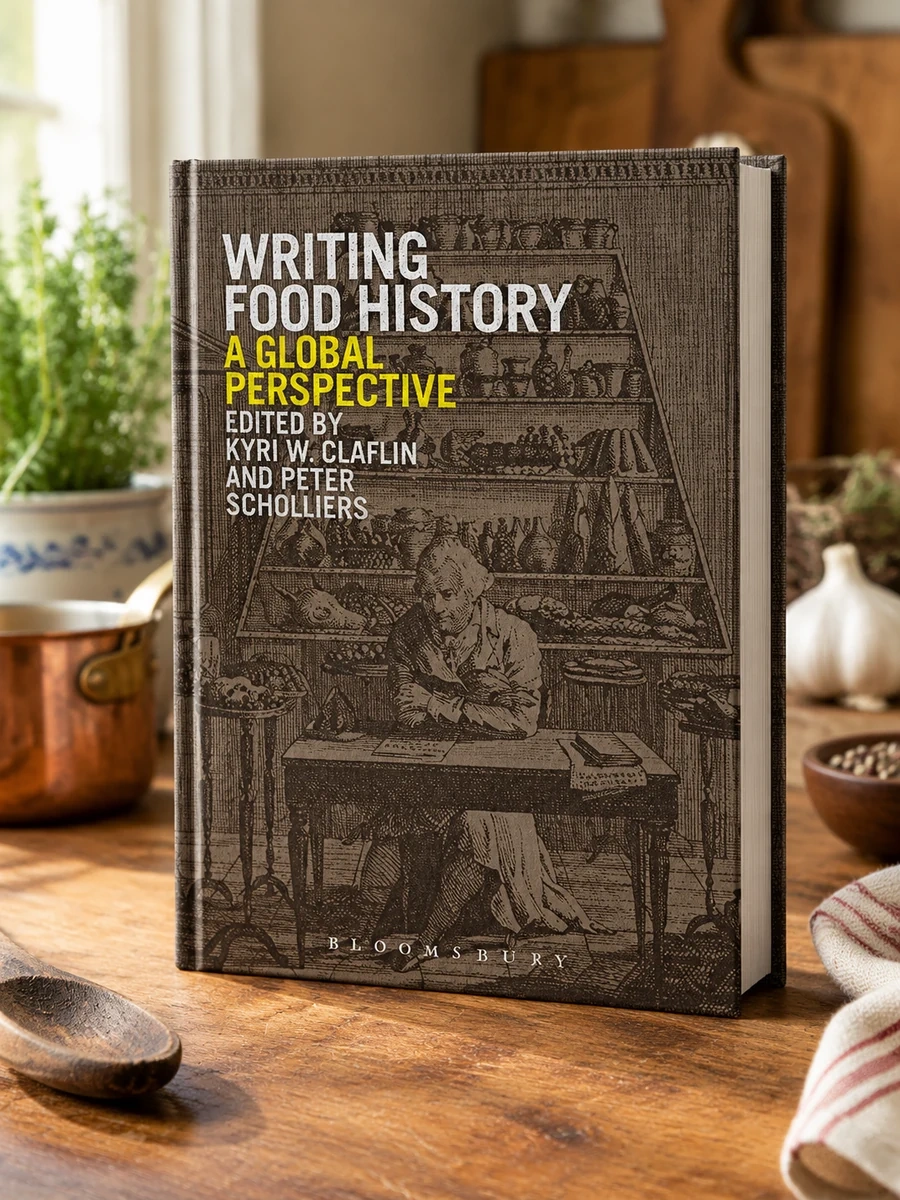
Writing Food History: A Global Perspective
★★★★★
★★★★★
4.5
Claflin, Kyri W
Writing Food History: A Global Perspective
$160.00
81
Culinary Art and Anthropology
★★★★★
★★★★★
4.5
Adapon, Joy
Culinary Art and Anthropology
$175.00
81
Brazilian Food: Race, Class and Identity in Regional Cuisines
★★★★★
★★★★★
4.5
Fajans, Jane
Brazilian Food: Race, Class and Identity in Regional Cuisines
$150.00
78
Alcohol: A Social and Cultural History
★★★★★
★★★★★
4.5
Holt, Mack P
Alcohol: A Social and Cultural History
$150.00
78
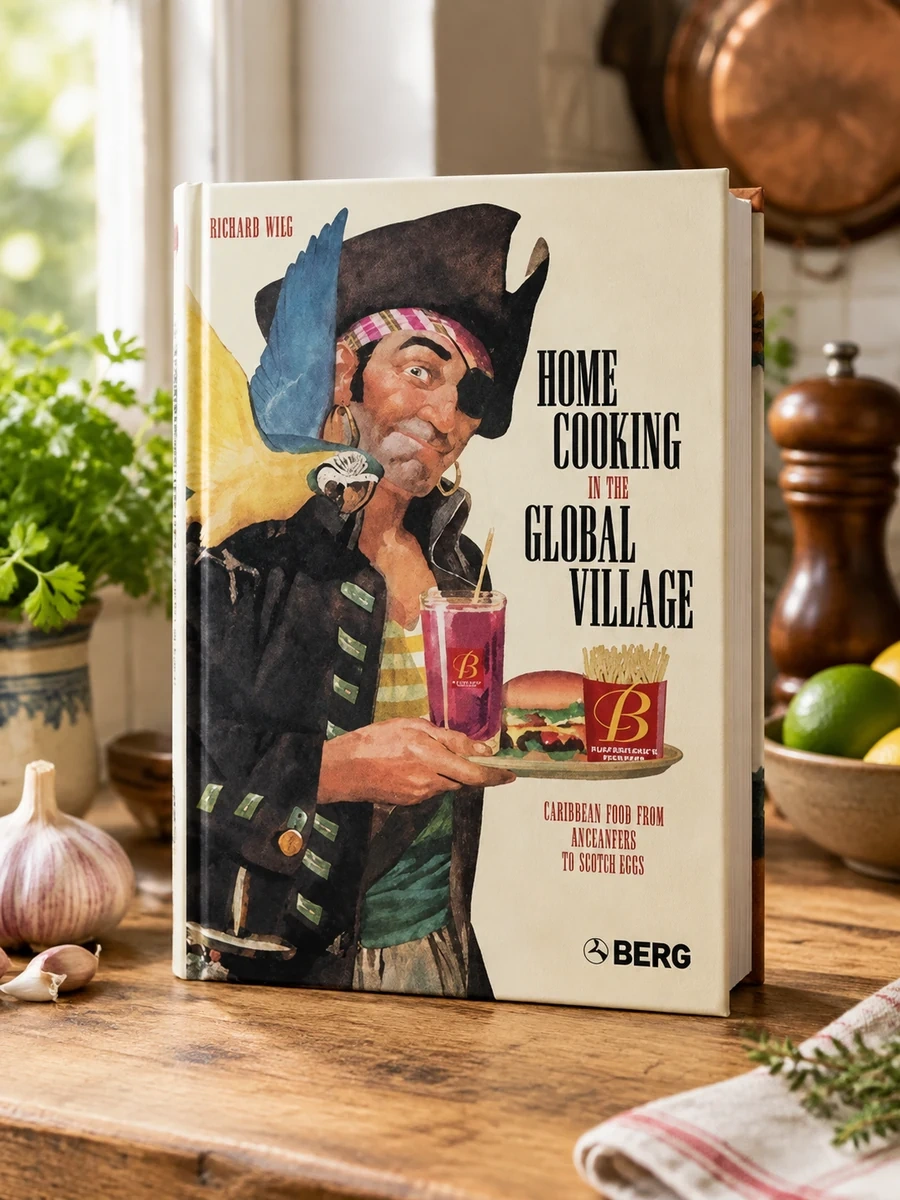
Home Cooking in the Global Village: Caribbean Food from Buccaneers to Ecotourists
★★★★★
★★★★★
4.6
Wilk, Richard
Home Cooking in the Global Village: Caribbean Food from Buccaneers to Ecotourists
$190.00
86

You might also like

See more →
Eating Right in the Renaissance: Volume 2
★★★★★
★★★★★
4.6
1
Albala, Ken
Eating Right in the Renaissance: Volume 2
$47.95
86
Home Cooking in the Global Village: Caribbean Food from Buccaneers to Ecotourists
★★★★★
★★★★★
4.6
1
Wilk, Richard
Home Cooking in the Global Village: Caribbean Food from Buccaneers to Ecotourists
$190.00
86
Writing Food History: A Global Perspective
★★★★★
★★★★★
4.5
1
Claflin, Kyri W
Writing Food History: A Global Perspective
$160.00
81
The French Laundry, Per Se
★★★★★
★★★★★
4.8
1
Keller, Thomas
The French Laundry, Per Se
$75.00
92
Kitchen Confidential: Adventures in the Culinary Underbelly (Updated)
★★★★★
★★★★★
4.8
1
Bourdain, Anthony
Kitchen Confidential: Adventures in the Culinary Underbelly (Updated)
$18.99
92
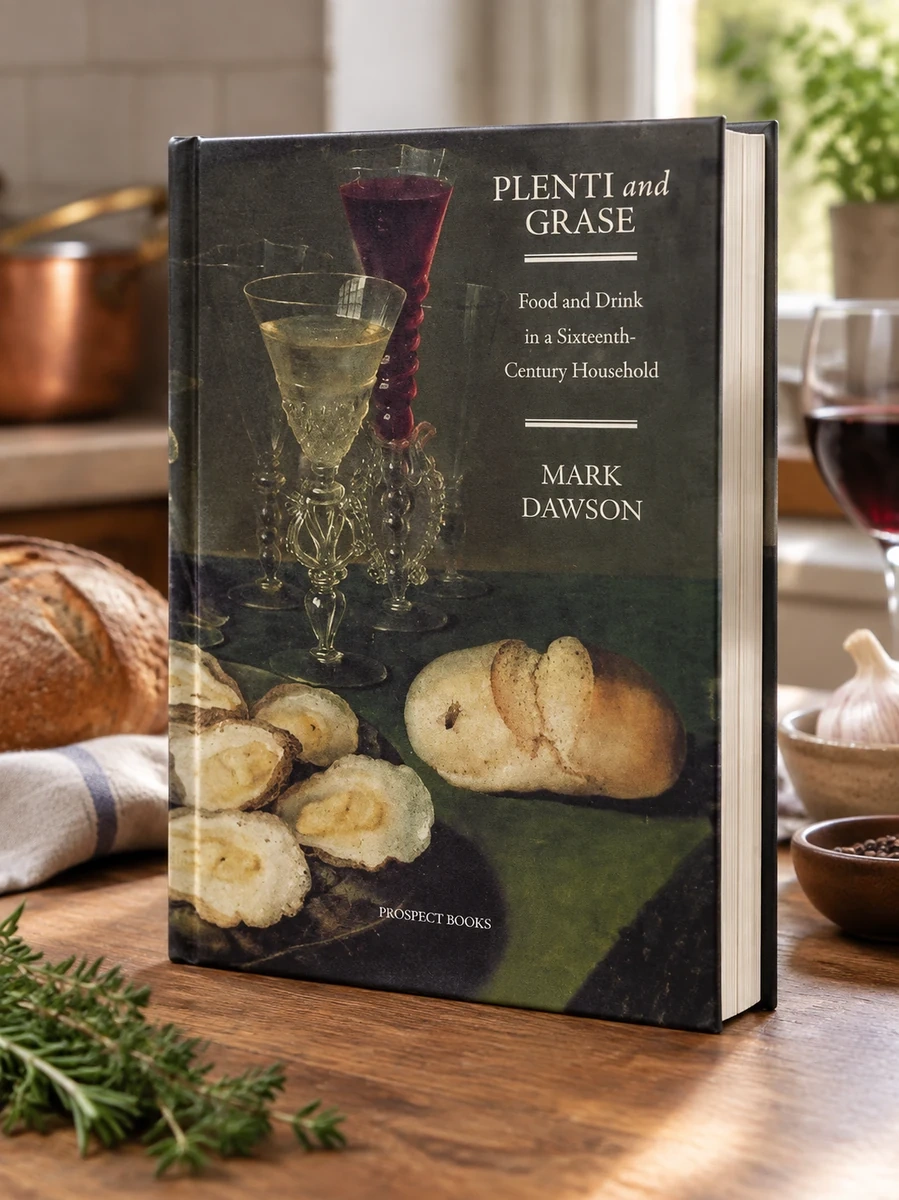
Plenti and Grase: Food and Drink in a Sixteenth-Century Household
★★★★★
★★★★★
4.8
Dawson, Mark
Plenti and Grase: Food and Drink in a Sixteenth-Century Household
$60.00
91
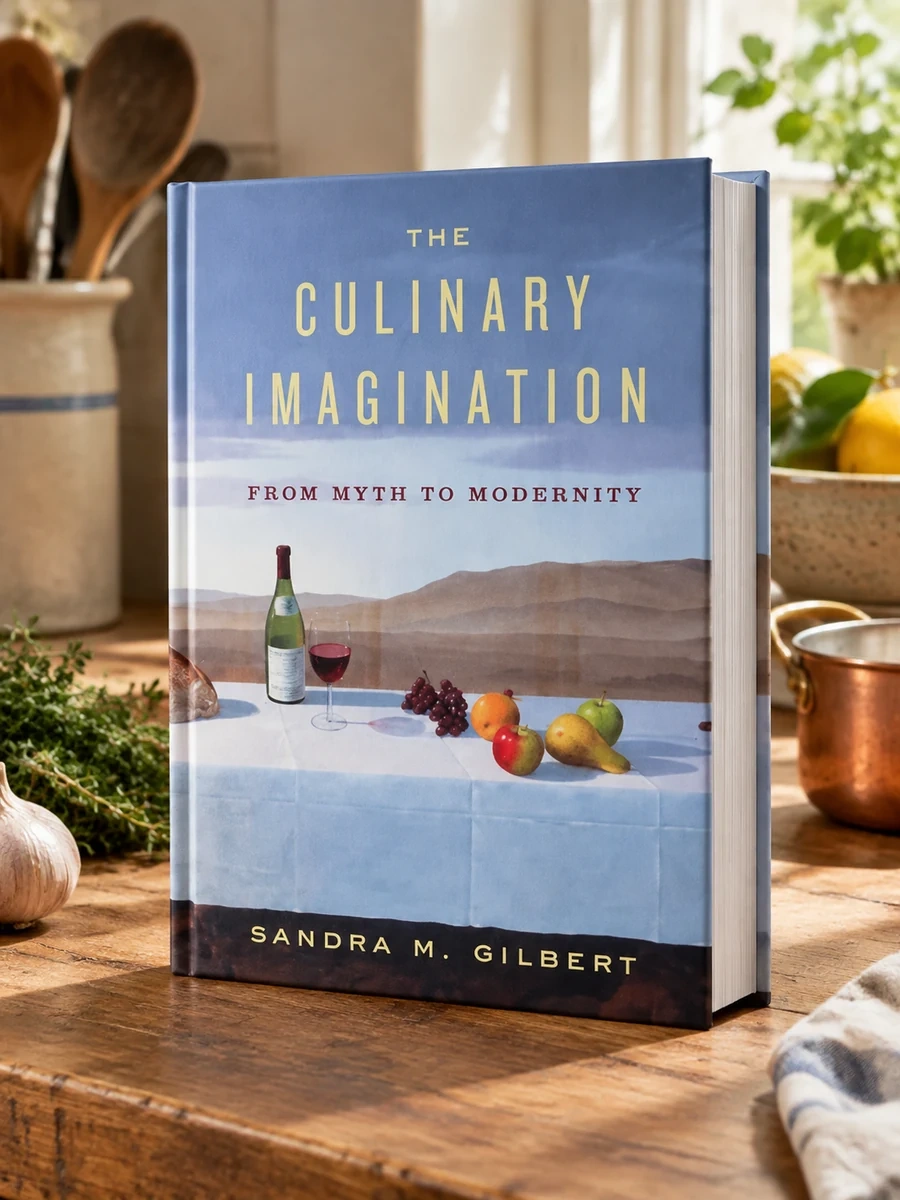
The Culinary Imagination: From Myth to Modernity
★★★★★
★★★★★
4.8
Gilbert, Sandra M
The Culinary Imagination: From Myth to Modernity
$29.95
91
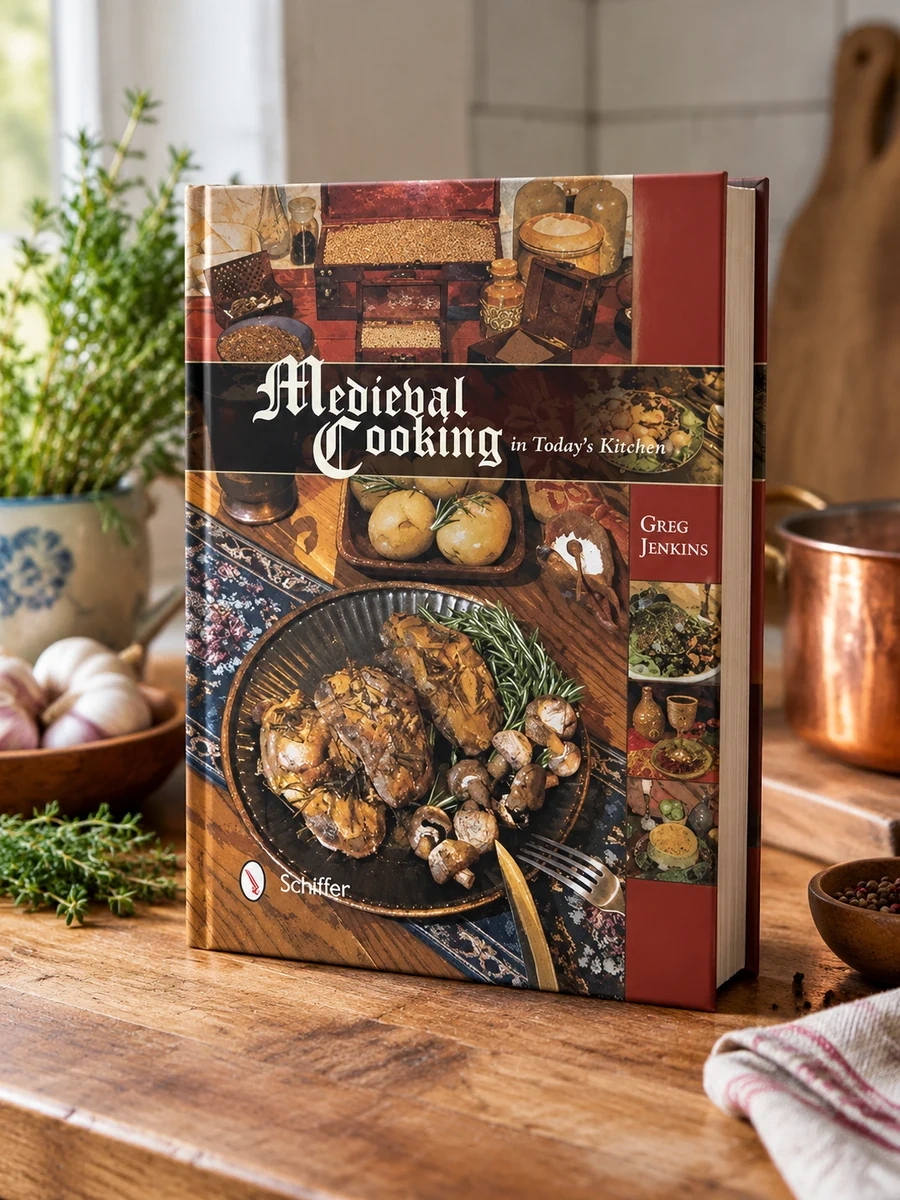
Medieval Cooking in Today's Kitchen
★★★★★
★★★★★
4.8
Jenkins, Greg
Medieval Cooking in Today's Kitchen
$24.99
91
Pacific Northwest Cheese: A History
★★★★★
★★★★★
4.8
Parr, Tami
Pacific Northwest Cheese: A History
$22.95
91
Home Genres
Cart
Wishlist