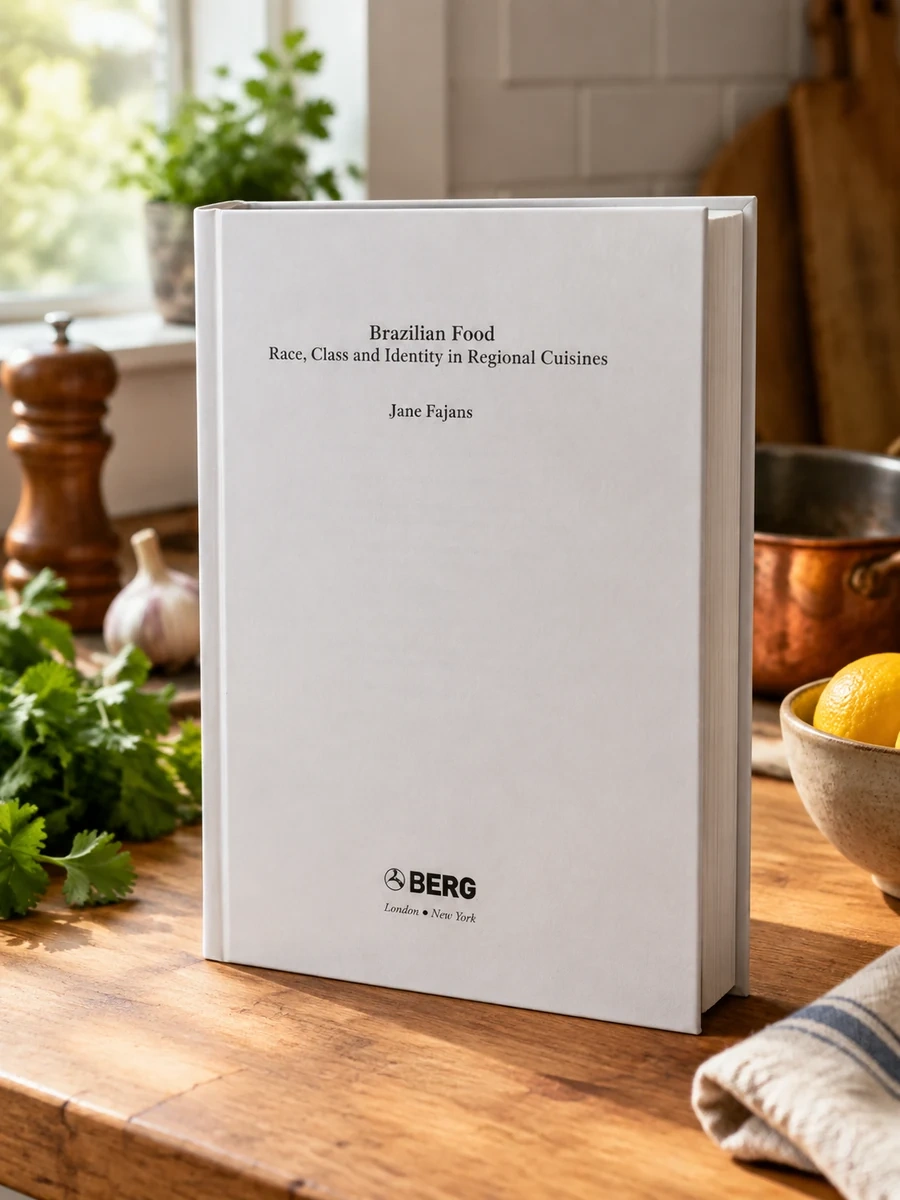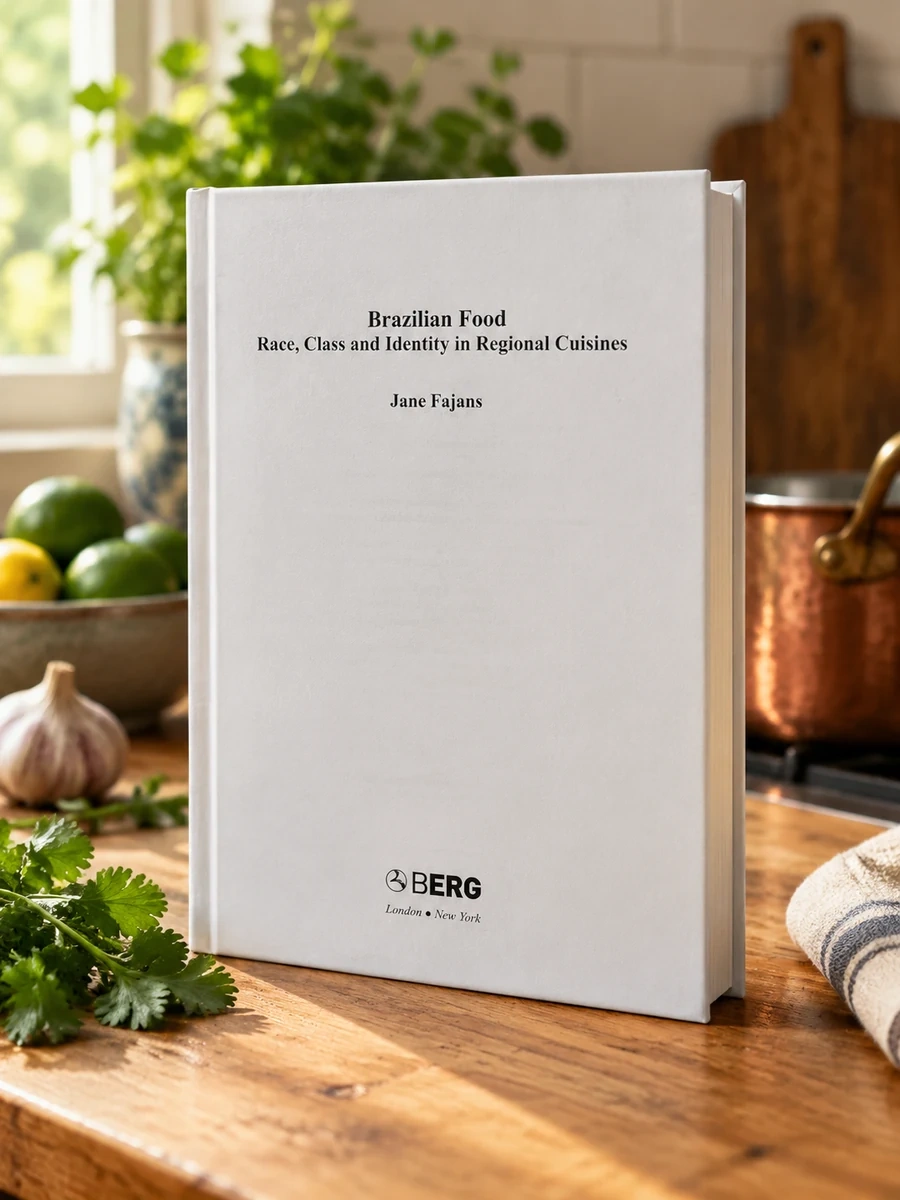
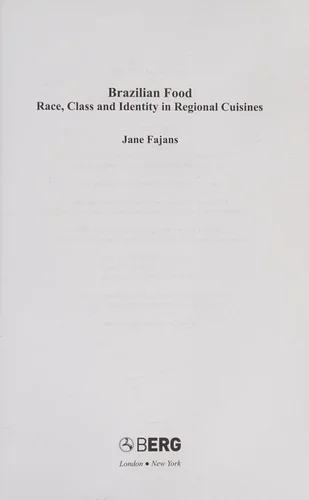
Brazilian Food: Race, Class and Identity in Regional Cuisines
✍️ Fajans, JaneAn academic study of how race and class shape Brazilian regional cuisines.
This volume investigates the sociological dimensions of eating in Brazil. It connects immigration history to modern culinary practices. The author uses case studies to show how food markets operate as cultural ambassadors. The text links agricultural policy with social identity construction. It is a scholarly resource for understanding food systems rather than a practical guide for home kitchens.
Published in 2012 by Berg Publishers, this hardcover work sits at the intersection of social science and culinary studies. It addresses political science topics regarding agriculture and public policy while focusing on South American cultural contexts.


📝 Description: Brazilian Food: Race, Class and Identity in Regional Cuisines
💎 Expert review
📖 Why choose it
Why this book is worth reading
Readers interested in the intersection of food systems, social identity, and cultural studies will find this volume deeply rewarding. Scholars, students of anthropology, and political policy researchers gain a structured look at how geography, climate, and settlement patterns shape regional and national cuisines in Brazil. By examining specific case studies, the book demonstrates how food markets operate as cultural ambassadors and how culinary traditions spread globally through ingredients, cookbooks, and restaurants. It offers valuable insights into the social mechanisms that elevate certain dishes into broader national narratives, making it an essential resource for anyone looking to understand the complex relationship between food production and cultural identity.
⭐ Reader reviews
Reader rating
Jane Fajans delivers a scholarly exploration of how race, class, and identity manifest through regional Brazilian foodways. Rather than serving as a practical handbook for the home kitchen, the text leans heavily into sociological analysis, moving well beyond basic flavor profiles to dissect agricultural policy and global perception. This rigorous approach makes it an outstanding addition to our regional-cooking and food writing shelves for researchers and cultural historians. However, casual cooks seeking simple recipes or straightforward culinary instruction will find this text entirely unsuited to their needs. It demands an academic audience prepared to engage with dense social science and structural analysis.
❓ Frequently asked questions
📖 Who should read this
This volume is designed for academic researchers and sociology students who study cultural identity or food systems. It suits scholars analyzing the intersection of race, class, and regional history in Brazil. It is not intended for home cooks seeking practical recipes or culinary inspiration for everyday meals.