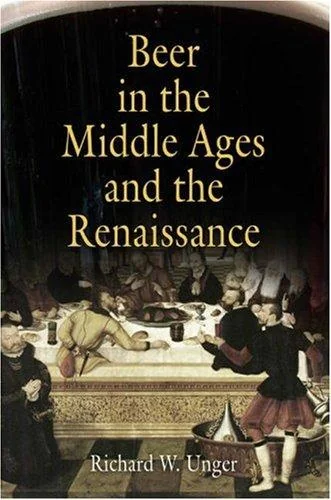
Beer in the Middle Ages and the Renaissance
✍️ Unger, Richard WA scholarly look at beer as a daily necessity and economic force in medieval Europe.
This volume treats beer as a critical economic driver in early modern Europe. Unger demonstrates how urbanization facilitated the shift from small-scale housewifery to large commercial operations overseen by government authorities. The text emphasizes the role of brewing in public health, noting its use as medicine and its status as a safer alternative to untreated water. By examining the business practices and regulatory frameworks of the time, the book reveals how information distribution improved quality control. It is a study of industrial history rather than gastronomy, focusing on the structural changes that defined the industry.
The text focuses on Europe during the Middle Ages and Renaissance. It examines how urban populations relied on beer as a daily necessity due to unsafe water supplies. The work highlights the period when brewing transitioned from household chores to a regulated commercial sector dominated by wealthy interests and state oversight.


📝 Description: Beer in the Middle Ages and the Renaissance
💎 Expert review
⭐ Reader reviews
Reader rating
Unger provides a rigorous analysis of brewing as an industrial force, highlighting its role in public health and urbanization. The text excels at explaining how regulatory frameworks improved quality control through better information distribution. However, this is a study of industrial history, not gastronomy. Home cooks looking for recipes or brewing instructions will find little practical value here. It is best suited for academics and historians interested in the economic structures of medieval Europe rather than casual readers seeking culinary inspiration.
❓ Frequently asked questions
📖 Who should read this
Readers interested in European economic history and industrial development will find this volume essential. It suits scholars examining medieval urbanization rather than home brewers seeking recipes. The text appeals to those analyzing regulatory frameworks and public health strategies in early modern societies through the lens of brewing industries.