Brewing in Maine
✍️ Major, Thomas AA history of Maine's transition from temperance to craft beer leadership.
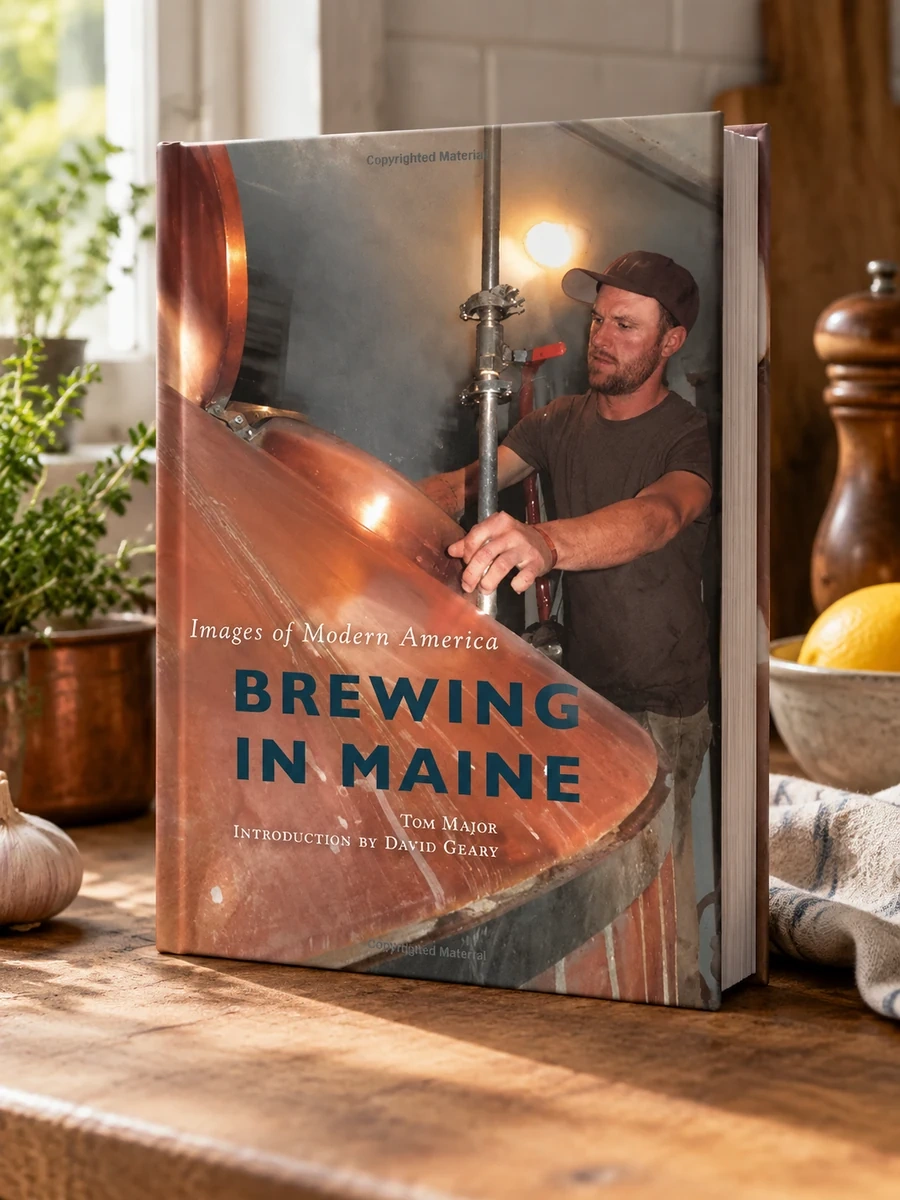
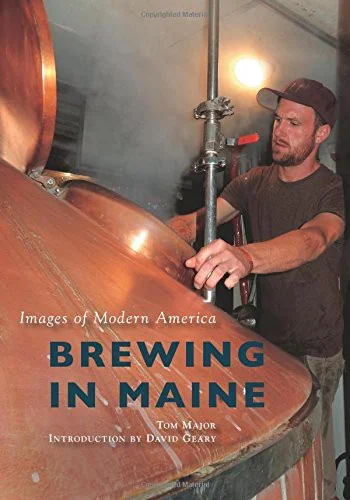
Major investigates the economic and cultural forces that allowed Maine to join the top ten states for breweries per capita. The text documents the expansion of the industry since 1986, noting the presence of two large craft breweries among the national top fifty. It maps the physical footprint of this growth across diverse landscapes. These include former industrial sites in Lewiston and Biddeford, factory spaces in Portland, and resort areas like Sugarloaf. The account also reaches distant locations such as Monhegan Island and historic wharves in Belfast. This approach highlights how brewers utilized existing structures and remote sites to build their businesses.
This book examines Maine's evolution from a national leader in the temperance movement to a key player in the craft beer industry over the last thirty years. It focuses on the state's unique position within New England and its specific ranking among top brewing states.


📝 Description: Brewing in Maine
💎 Expert review
📖 Why choose it
Why this book is worth reading
Readers interested in the intersection of regional culture and economic development will find this book valuable for its detailed mapping of Maine’s brewing infrastructure. It offers a unique perspective on how industrial sites, resorts, and remote islands have been repurposed for commercial production. Those curious about the business side of the craft beer boom, rather than the technical aspects of brewing, will appreciate the focus on location and expansion. The text serves as a geographic record of an industry that transformed a temperance stronghold into a national leader, providing context for the physical presence of breweries across diverse Maine terrains.
⭐ Reader reviews
Reader rating
This title is strictly for those interested in regional business history and the spatial distribution of Maine’s craft beer industry. It does not suit home brewers seeking recipes or tasting notes, nor casual readers looking for narrative-driven storytelling or personal anecdotes from brewers. The work focuses on economic forces and physical locations rather than sensory experience. While it provides a clear overview of the sector’s growth since 1986, its value lies in documenting the industrial footprint rather than offering culinary instruction. Readers should expect a dry, informational account of where breweries are located and how they utilize existing structures.
❓ Frequently asked questions
📖 Who should read this
Readers interested in New England regional history and the economic evolution of the craft beer industry. This volume suits those who appreciate local business case studies, industrial repurposing, and the cultural shift from temperance to modern brewing leadership in Maine.