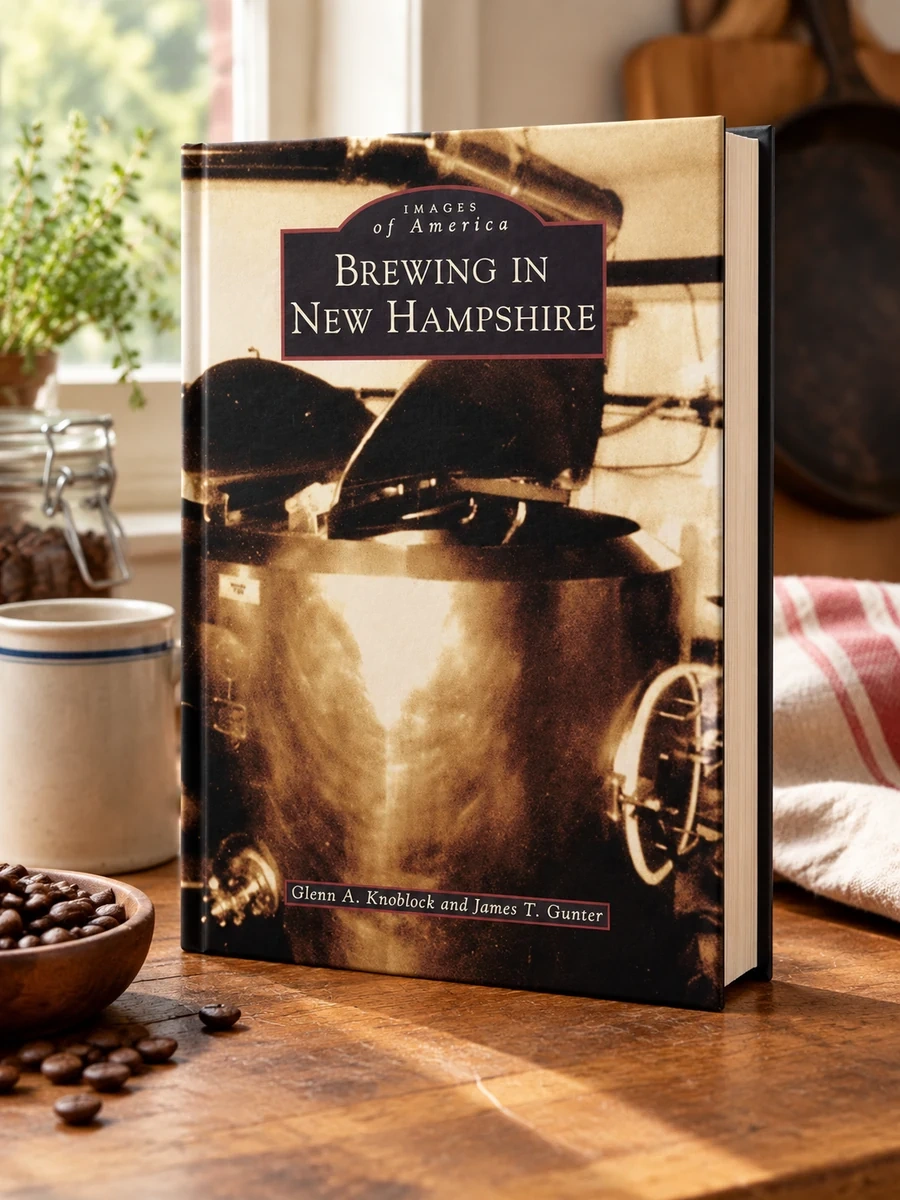
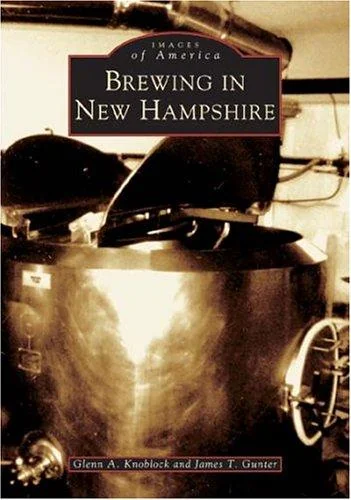
Brewing in New Hampshire
✍️ Knoblock, Glenn AA historical account of New Hampshire's brewing industry from colonial times to the modern craft era.
Knoblock’s work provides a detailed look at how beer production changed in New Hampshire over centuries. Starting with home-based colonial practices, the book identifies key figures like Frank Jones and early female owners. It uses rare images to support its narrative of industrial growth. The final sections address the modern craft scene, linking past traditions to current business models in the state.
This book sits within the broader context of New England local history and food science. It documents the shift from colonial tavern-based production to modern manufacturing, reflecting changes in American beverage culture and regional economic development over time.


📝 Description: Brewing in New Hampshire
💎 Expert review
📖 Why choose it
Why this book is worth reading
Readers with a specific interest in New Hampshire’s cultural heritage will find this volume essential for understanding the state’s brewing evolution. It appeals to those who appreciate how colonial domestic practices transformed into modern craft businesses. The inclusion of rare illustrations provides visual context often missing from standard texts. It is ideal for historians, local residents, and enthusiasts of alcoholic beverage industries seeking a broad overview rather than technical instruction. Those looking to connect past traditions with current business models in the region will gain valuable perspective on this niche market.
⭐ Reader reviews
Reader rating
Knoblock offers a thorough historical account of New Hampshire’s brewing industry, tracing changes from colonial times to the modern craft era. The book highlights key figures like Frank Jones and early female owners, supported by rare images that illustrate industrial growth. While it provides a comprehensive view of cultural significance and business evolution, it does not offer contemporary recipes or technical brewing guides. Consequently, readers seeking practical instruction may find the content sparse for their needs. However, for those interested in regional history and the development of local production methods, this work serves as a valuable documentation of industry changes over centuries without attempting to teach the craft itself.
❓ Frequently asked questions
📖 Who should read this
Readers interested in New England regional history and craft beer enthusiasts will appreciate this niche study. It suits those who enjoy local heritage narratives over practical cooking guides or modern brewing manuals with step-by-step instructions for home production.