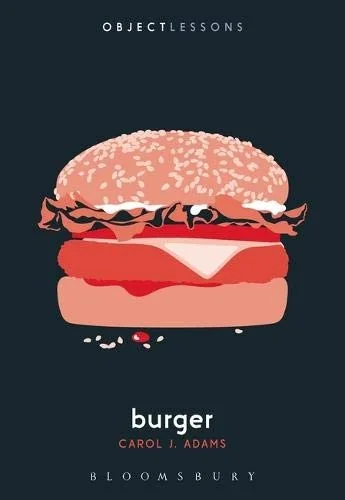
Burger
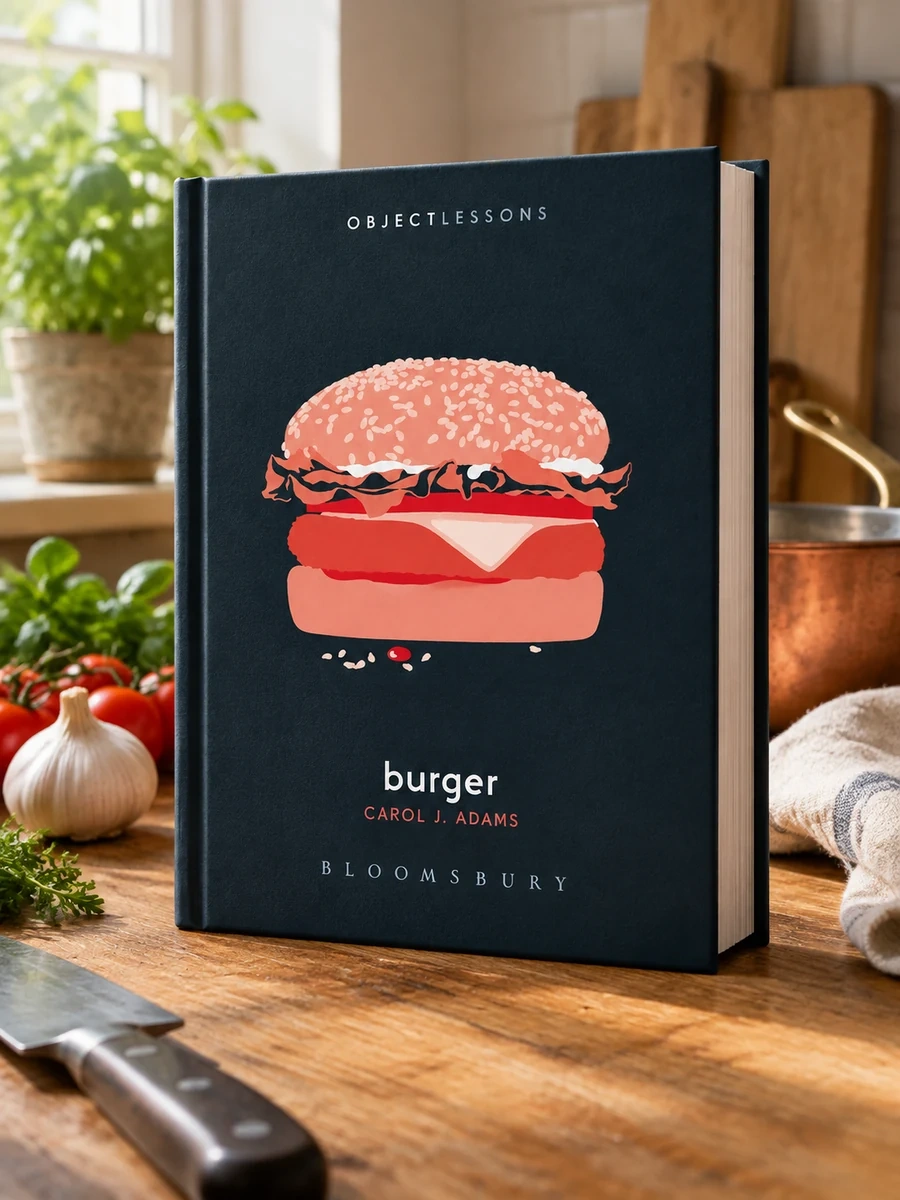
✍️ Adams, Carol JA study of the hamburger's shifting cultural and political identity.
The text positions the burger not merely as food but as a site of cultural negotiation. Adams connects the physical patty to larger discussions about agriculture, gender roles, and corporate innovation. By linking historical consumption patterns with modern technological interventions, the work reveals how deeply the humble sandwich is woven into American social fabric and global economic strategies.
Published by Bloomsbury Academic in 2018, this work emerges from the Object Lessons series. It reflects contemporary anxieties about food security and identity within American culture, linking social science perspectives with culinary history.


📝 Description: Burger
💎 Expert review
📖 Why choose it
Why this book is worth reading
Readers interested in food studies, anthropology, and public policy regarding agriculture will find significant value in this text. Adams offers a sophisticated look at how the humble sandwich carries complex social meanings, linking historical consumption patterns with modern technological interventions like plant-based alternatives driven by investors such as Bill Gates. The book is ideal for those who wish to understand the gender politics embedded in meat consumption and the business dynamics sustaining the industry. It provides an eclectic perspective on global economic strategies woven into our daily diets. However, individuals seeking simple recipes or straightforward nutritional advice will likely find the theoretical approach less relevant to their immediate culinary needs.
⭐ Reader reviews
Reader rating
Adams presents a rigorous academic examination of the hamburger’s shifting identity, blending social science with culinary history. The text is intellectually dense, focusing on political and biological debates surrounding meat consumption rather than cooking techniques. While insightful for scholars and critics analyzing the malleable nature of food in popular culture, it may alienate casual readers. Those expecting practical guidance or engaging narrative flair might find the tone dry and overly theoretical. This edition serves best as a scholarly resource on shelf 'food-history' for those dissecting the intersection of agriculture, gender, and corporate innovation.
❓ Frequently asked questions
📖 Who should read this
Readers interested in food studies and cultural history rather than home cooks seeking recipes. This text suits students of agriculture, gender roles, or corporate innovation who want to understand the burger as a site of cultural negotiation within American social fabric.