“If you love deep historical dives over quick weeknight dinners, this archival study belongs on your shelf. Readers seeking practical baking instructions or hands-on dough recipes will be disappointed, as this volume explores the socio-economic origins of the trade rather than culinary techniques.
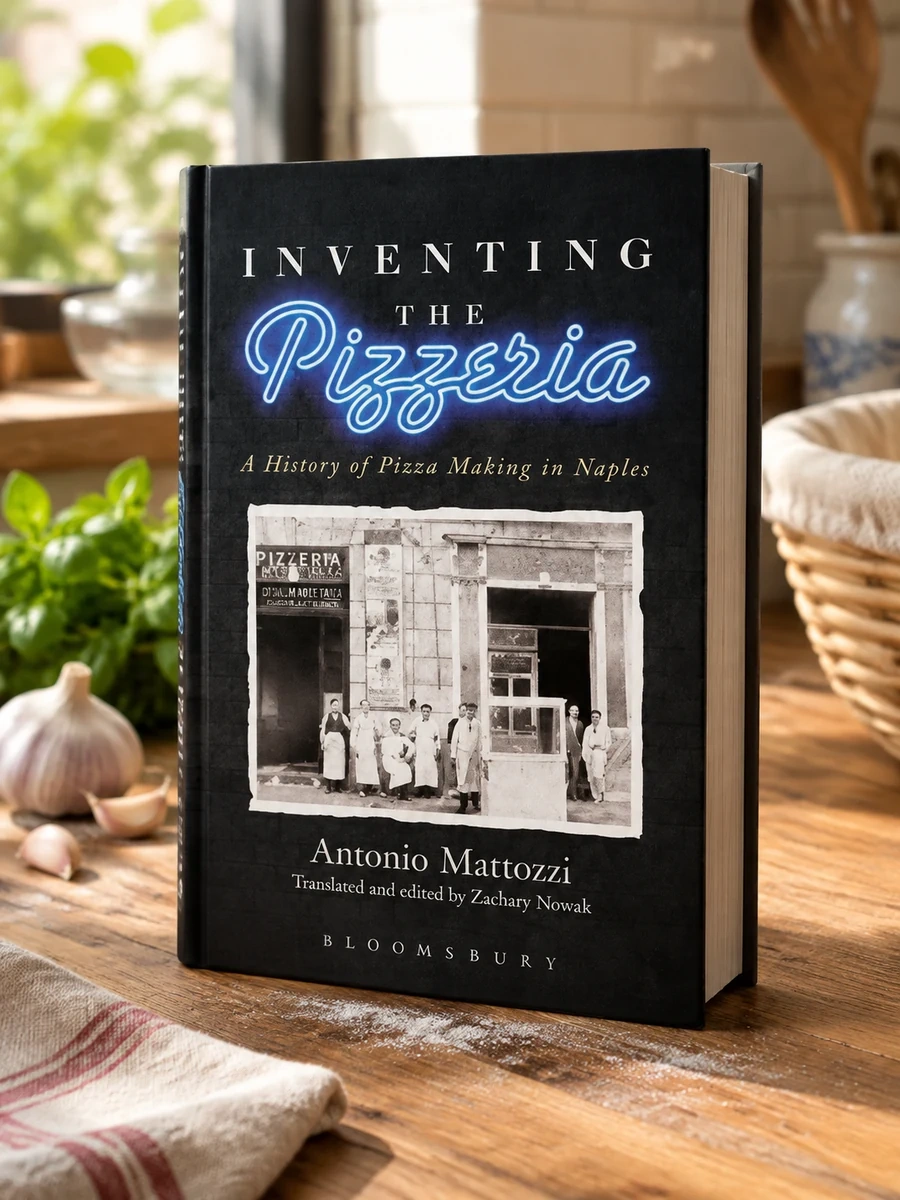
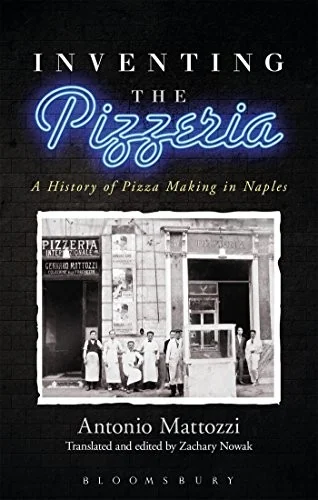
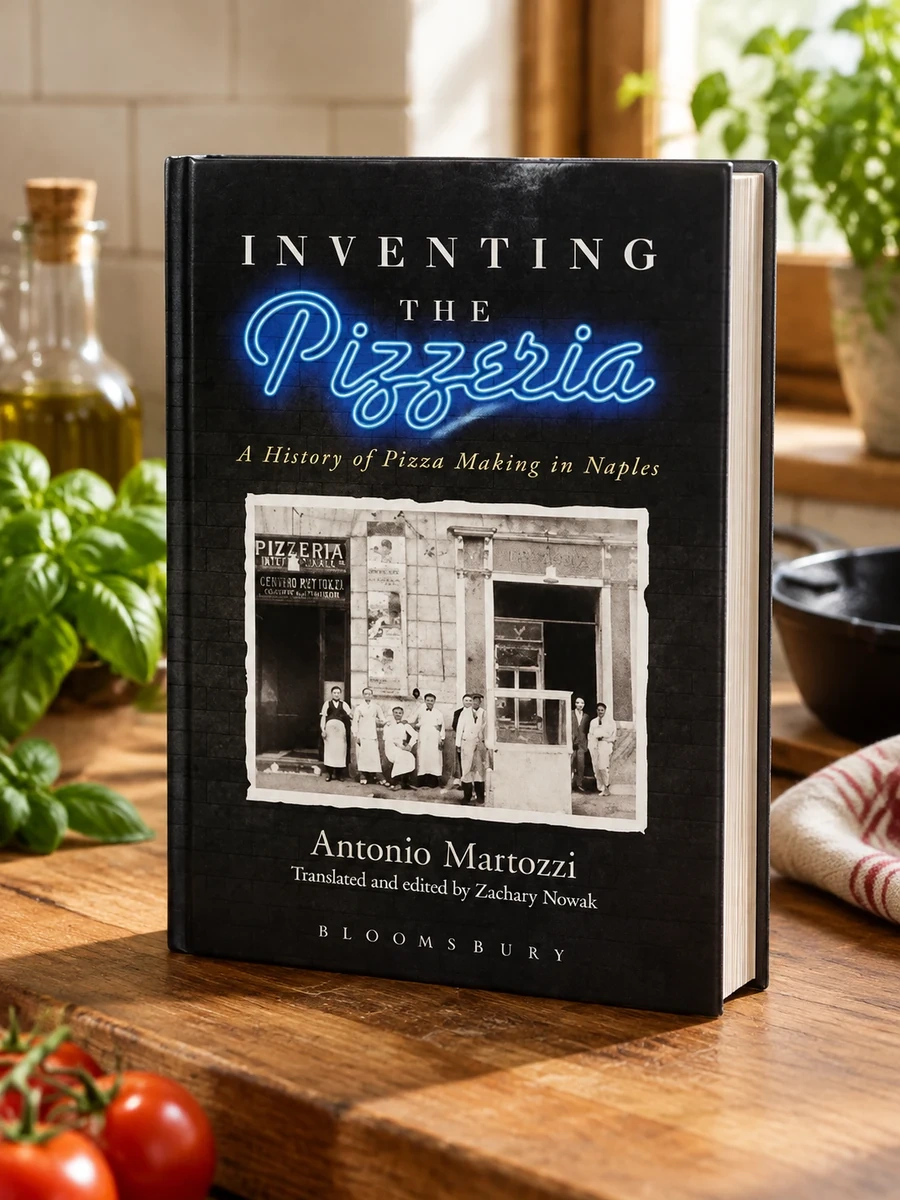
📝 Description: Inventing the Pizzeria: A History of Pizza Making in Naples
Pizza is one of the best-known and widely exported Italian foods and yet relatively little is known about its origins in the late 18th and early 19th centuries. Myths such as the naming of pizza margherita after the Italian queen abound, but little serious scholarly attention has been devoted to the topic. Eschewing exaggerated fables, this book draws a detailed portrait of the difficulties experienced by the then marginalized class of pizza makers, rather than the ultimate success of their descendants. It provides a unique exploration of the history of pizza making in Naples, offering an archival-based history of the early story of pizza and the establishment of the pizzeria. Touching upon issues of politics, economics and sociology, Inventing the Pizzeria contributes not only to the commercial, social and food history of Italy but also provides an urban history of a major European city, told through one of its most famous edible exports. Originally published in Italian, this English edition is updated with a revised introduction and conclusion, a new preface and additional images and sources.
💎 Expert review
“
🍳
Eatbook Family editorial team
Cookbook desk
While essential for specialists in Italian urban history or culinary sociology, this text is not for casual cooks seeking technique or flavor profiles. It lacks practical kitchen guidance, focusing instead on political and economic narratives. The tone is academic, potentially dry for generalists expecting a lively culinary memoir. However, it stands as a vital corrective to romanticized food lore, offering depth where lighter titles offer only surface-level nostalgia. Readers wanting to understand the 'why' behind pizza’s rise will find value here.
✓ EDITOR'S REVIEW
⭐ Reader reviews
The starting rating comes from the team Eatbook Family —
If you love deep historical dives over quick weeknight dinners, this archival study belongs on your shelf. Readers seeking practical baking instructions or hands-on dough recipes will be disappointed, as this volume explores the socio-economic origins of the trade rather than culinary techniques.
Reader rating
4.6
Based on 1 reviews
5
0
4
1
3
0
2
0
1
0
E
Eatbook Family editorial team
While essential for specialists in Italian urban history or culinary sociology, this text is not for casual cooks seeking technique or flavor profiles. It lacks practical kitchen guidance, focusing instead on political and economic narratives. The tone is academic, potentially dry for generalists expecting a lively culinary memoir. However, it stands as a vital corrective to romanticized food lore, offering depth where lighter titles offer only surface-level nostalgia. Readers wanting to understand the 'why' behind pizza’s rise will find value here.
❓ Frequently asked questions
No, this is a scholarly history of the trade in Naples, not a practical cookbook with ingredient measurements.
Yes, this updated English edition includes additional images and sources alongside the text.
📖 Who should read this
If you love deep historical dives over quick weeknight dinners, this archival study belongs on your shelf. Readers seeking practical baking instructions or hands-on dough recipes will be disappointed, as this volume explores the socio-economic origins of the trade rather than culinary techniques.
📜 Historical context
Tracing the roots of pizza in late-eighteenth and early-nineteenth-century Naples, this work bypasses romanticized culinary myths to examine the actual daily struggles of marginalized street vendors. Through extensive archival research, it sheds light on the economic, political, and social forces that shaped early Italian food culture and urban history.