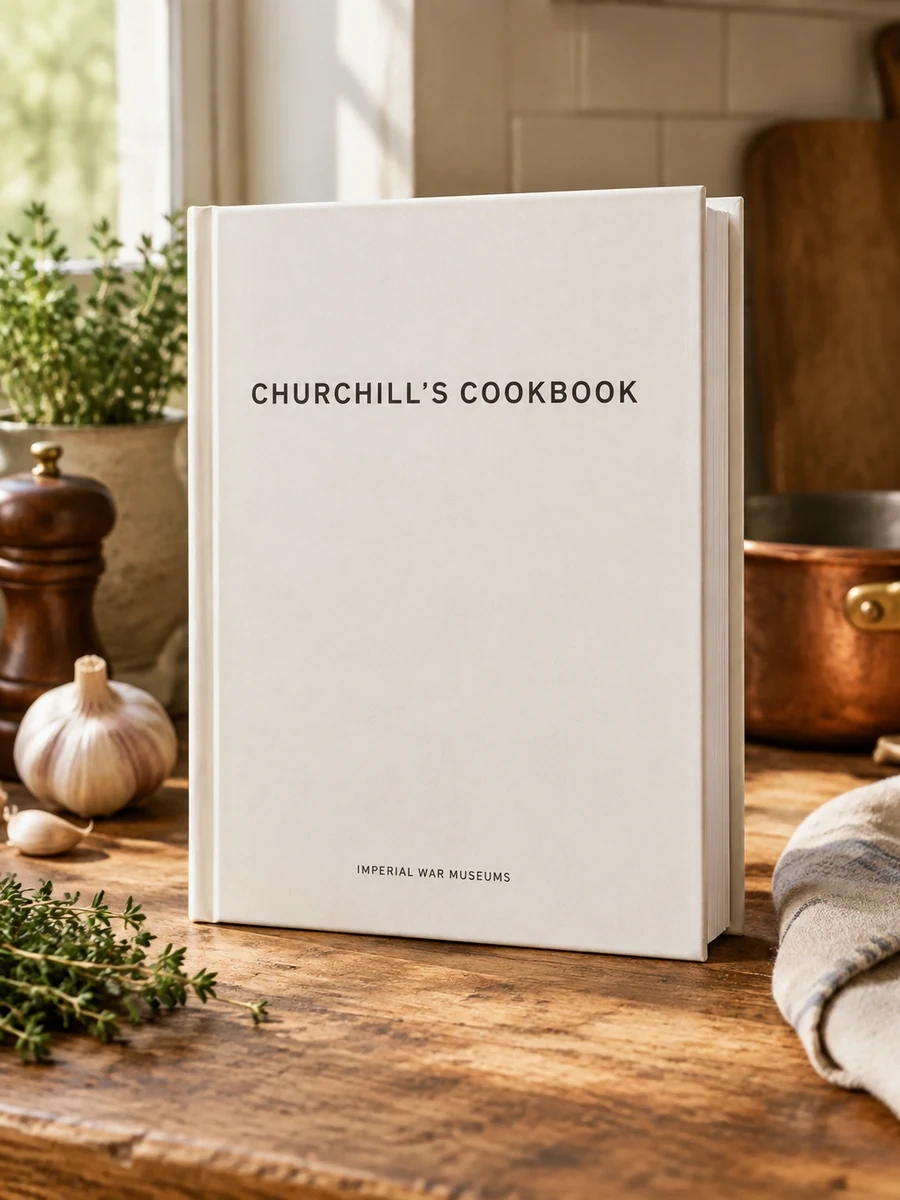
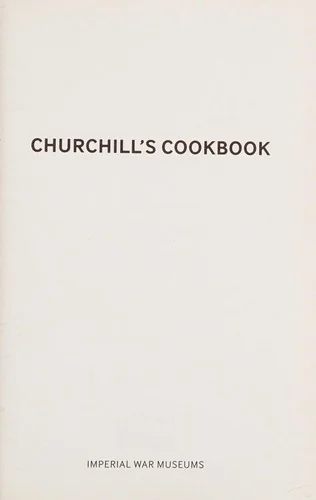
Churchill's Cookbook
✍️ Georgina, LandemareA collection of over three hundred recipes from Winston Churchill's personal cook during the Second World War.
Georgina Landemare, identified by Clementine Churchill as an inspired intuitive cook, shares the specific meals prepared for Winston Churchill. The book focuses on the food that sustained him during his finest hour. It includes both familiar favorites like chocolate cake and curried brains. The recipes reflect a mix of traditional French fare and British classics. This work provides a concrete look at wartime dining through the lens of personal service.
This book sits within the context of British culinary history during the Second World War. It reflects the traditions of English, Scottish, and Welsh cooking alongside French influences. The work is published by the Imperial War Museum, linking it to historical preservation efforts.


📝 Description: Churchill's Cookbook
💎 Expert review
📖 Why choose it
Why this book is worth reading
Readers with an interest in mid-twentieth-century British culinary history will find this volume valuable for its specific recipes and historical context. It suits those who appreciate the intersection of politics and domestic life, offering a concrete look at wartime dining through the lens of personal service. The book revives forgotten British classics and highlights the specific dietary habits of a man known for his hearty appetite. Those seeking a factual record of what was eaten during a critical era will gain insight into the meals that sustained Winston Churchill. It is ideal for enthusiasts of traditional French fare and British classics, providing a tangible connection to the past through dishes like coq au vin and chocolate cake.
⭐ Reader reviews
Reader rating
Georgina Landemare’s collection provides a unique window into the kitchen of No. 10 Downing Street during the Second World War. The text blends comfort foods with the practical needs of wartime leadership, featuring both familiar favorites and unusual items like curried brains. However, individuals seeking modern dietary advice or contemporary chef techniques may find the content less relevant to their current interests. It stands as a historical document rather than a culinary manual for today’s trends. While it lacks modern flair, its value lies in its authenticity and the specific dietary record it preserves for history buffs.
❓ Frequently asked questions
📖 Who should read this
History enthusiasts and culinary students who appreciate the intersection of political legacy and domestic life. This volume suits readers interested in mid-twentieth century British cuisine, specifically wartime rationing adaptations. It appeals to those seeking intimate glimpses into the private habits of major historical figures through their daily sustenance.
📜 Historical context
You might also like
See more →


Have a question about this item?
Ask about the edition, condition, delivery or anything else — we reply by email or phone, usually within a day.
