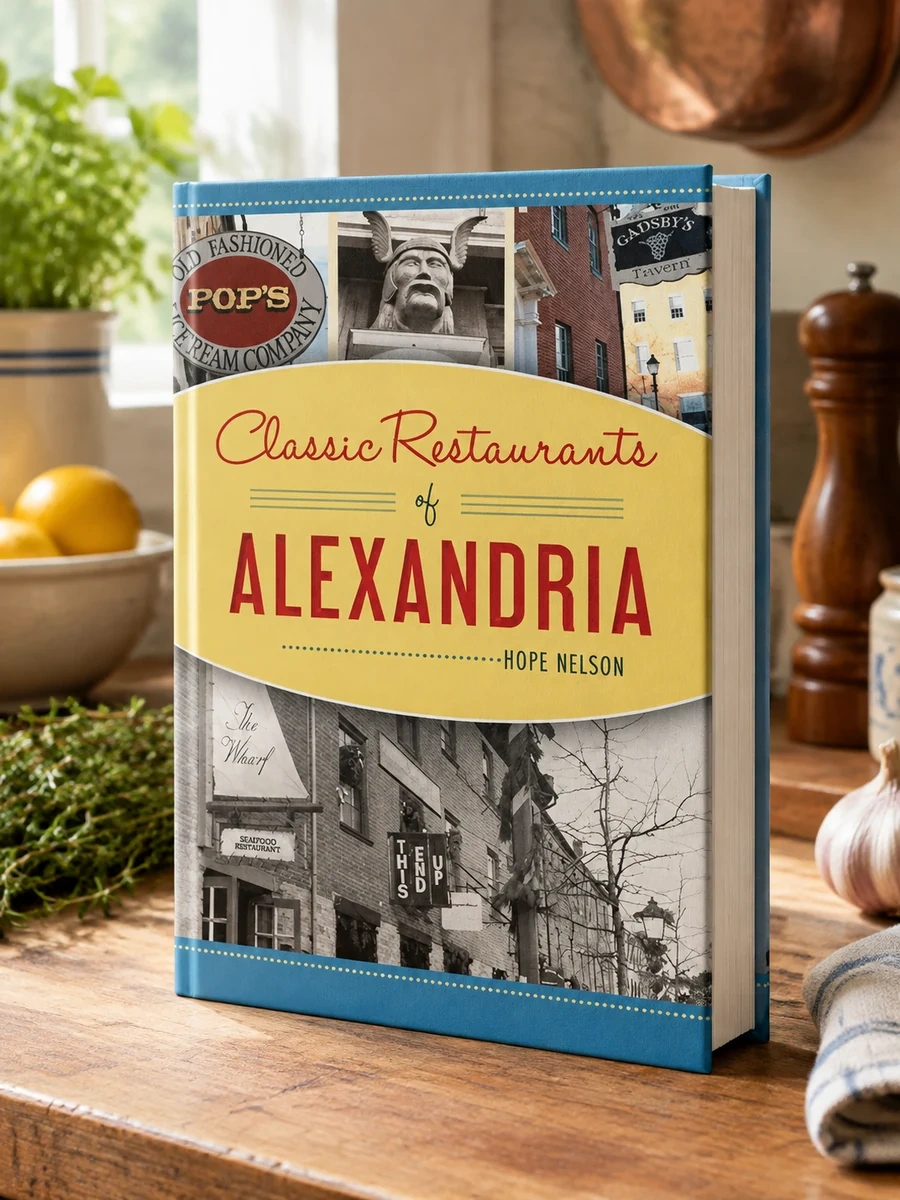
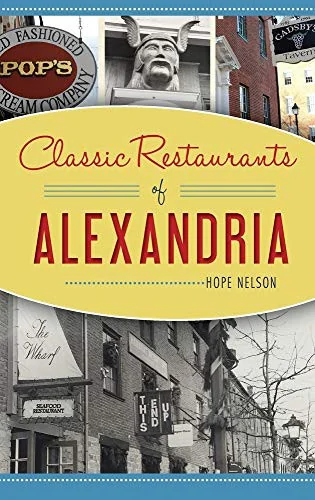
Classic Restaurants of Alexandria
✍️ Nelson, HopeA historical guide to Alexandria's enduring dining landmarks and their stories.
This volume serves as a historical archive for food lovers interested in Alexandria's past. Nelson focuses on the survival and adaptation of key establishments rather than current menus. The text details how venues like Chadwick's withstood natural disasters and how Shuman's Bakery maintained its reputation across generations. It provides context for why certain locations became cultural fixtures. The book is ideal for those studying local history or seeking background on Old Town landmarks. It lacks practical dining information for modern visitors.
Alexandria’s culinary scene evolved from seaport pubs to international cuisine. George Washington frequented Gadsby's Tavern, linking the area to early American history. The Royal Restaurant and Shuman's Bakery mark significant periods in the city's commercial development along the Potomac.


📝 Description: Classic Restaurants of Alexandria
💎 Expert review
📖 Why choose it
Why this book is worth reading
Readers interested in the survival and adaptation of Alexandria's key establishments will find this volume invaluable. Nelson provides a historical archive for food lovers, detailing how venues like Chadwick's withstood floods and fires while maintaining their reputation. It is ideal for those studying local history or seeking background on Old Town landmarks. The book offers a tangible connection to the region's heritage by preserving the memory of closed storefronts and celebrating surviving businesses. It appeals to historians and residents who want to understand how traditional recipes and social spaces evolved from early seaport pubs to modern international cuisine, serving as a curated collection of past watering holes.
⭐ Reader reviews
Reader rating
This hardcover volume functions as a historical guide rather than a practical dining resource. Nelson draws upon records to document how establishments survived challenges, appealing to historians and food enthusiasts interested in Alexandria's heritage. However, it explicitly lacks practical dining information for modern visitors and does not serve as a contemporary recipe collection or general travel guide for other destinations. The narrative structure guides readers through eras of culinary evolution, making it suitable for those valuing context over current menus. It is a specific tool for understanding local culture’s impact on dining experiences, rather than a broad appeal to casual travelers seeking immediate logistical advice.