Food is one of the most revealing ways to understand people. A familiar ingredient can tell a story about migration, trade, agriculture, class, family, technology, and changing tastes. A restaurant kitchen can reveal an entire professional culture, while an old recipe can offer a glimpse into the daily life of someone who cooked centuries before us.
That is what makes food writing and culinary history such rewarding subjects to explore. They bring together storytelling, research, personal experience, and practical curiosity. But the category is broad. Some books read like memoirs, others resemble historical investigations, and some explain the science behind techniques that home cooks use every day. If you are just beginning, choosing a book that matches your interests matters more than starting with the most academically demanding title.
We have selected 12 books from the Eatbook Family catalog to provide a useful introduction. The selection moves from accessible kitchen storytelling to wider historical questions, then into focused studies of ingredients, communities, and the craft of writing about food. You do not need to read them in order. Think of this as a starting shelf rather than a required syllabus.
Start with the people, kitchens, and ideas behind food
If you are new to food writing, begin with books that give you a strong sense of why the subject matters. These selections introduce professional kitchen culture, culinary thinking, and the relationship between food and everyday life. They are especially good choices if you enjoy narrative nonfiction but want something more substantial than restaurant reviews or recipe collections.
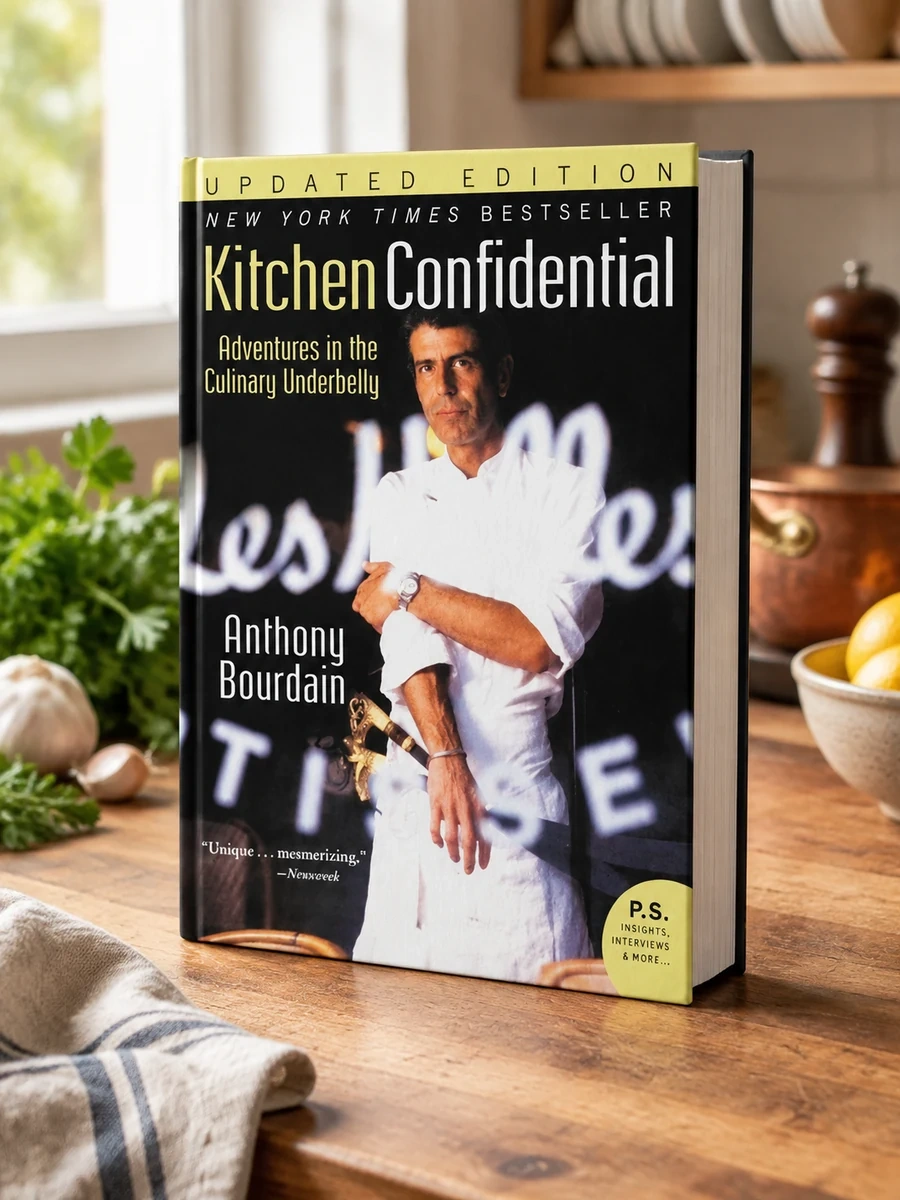
1. Kitchen Confidential: Adventures in the Culinary Underbelly (Updated) — Anthony Bourdain
This is an excellent first stop for anyone curious about what happens before a restaurant meal reaches the table. Anthony Bourdain writes about professional kitchens with an irreverent, candid voice, exposing the pressures, personalities, routines, and contradictions of restaurant work. The appeal is not simply the behind-the-scenes access; it is the way he makes kitchen culture feel like a subject worth examining in its own right.
It is particularly suitable for curious home cooks, aspiring culinary professionals, and readers who appreciate direct, occasionally uncomfortable storytelling. Bourdain does not present restaurant life as a glamorous fantasy, and his perspective is best approached with an appetite for blunt observations. If you want one book that demonstrates how entertaining food writing can be without losing its connection to working life, start here.
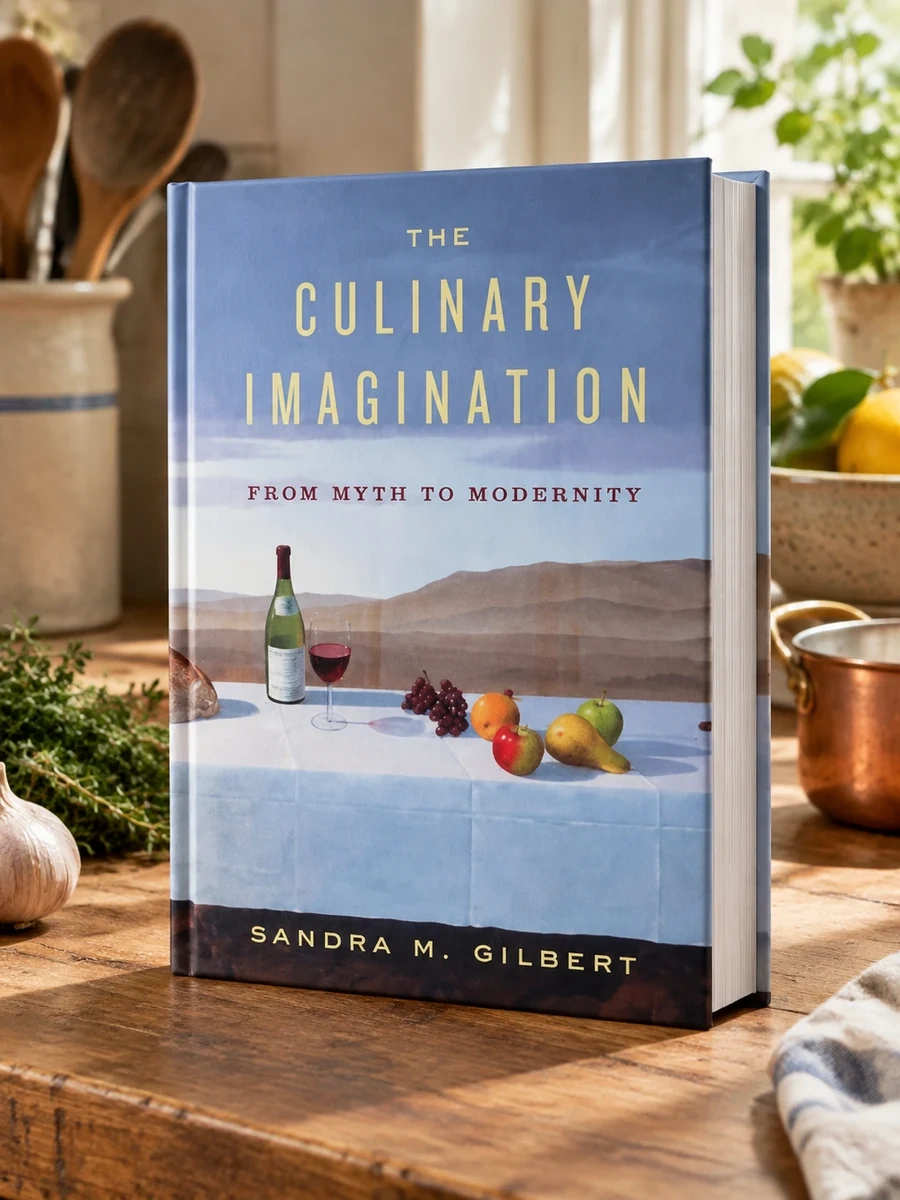
2. The Culinary Imagination: From Myth to Modernity — Sandra M. Gilbert
For readers who want to think about food beyond cooking methods and restaurant experiences, Sandra M. Gilbert offers a more conceptual starting point. The title itself signals the book's wider interests: the relationship between food, imagination, mythology, and modern culture. It belongs to the kind of food writing that asks why particular foods acquire meaning and how eating becomes part of the way societies understand themselves.
This is a better choice for readers who enjoy cultural criticism, literature, and intellectual history than for someone looking for a collection of immediately usable recipes. It also makes a useful companion to more narrative books on this list. After reading a kitchen memoir, a broader examination of culinary ideas can help you see how food operates as a cultural subject.
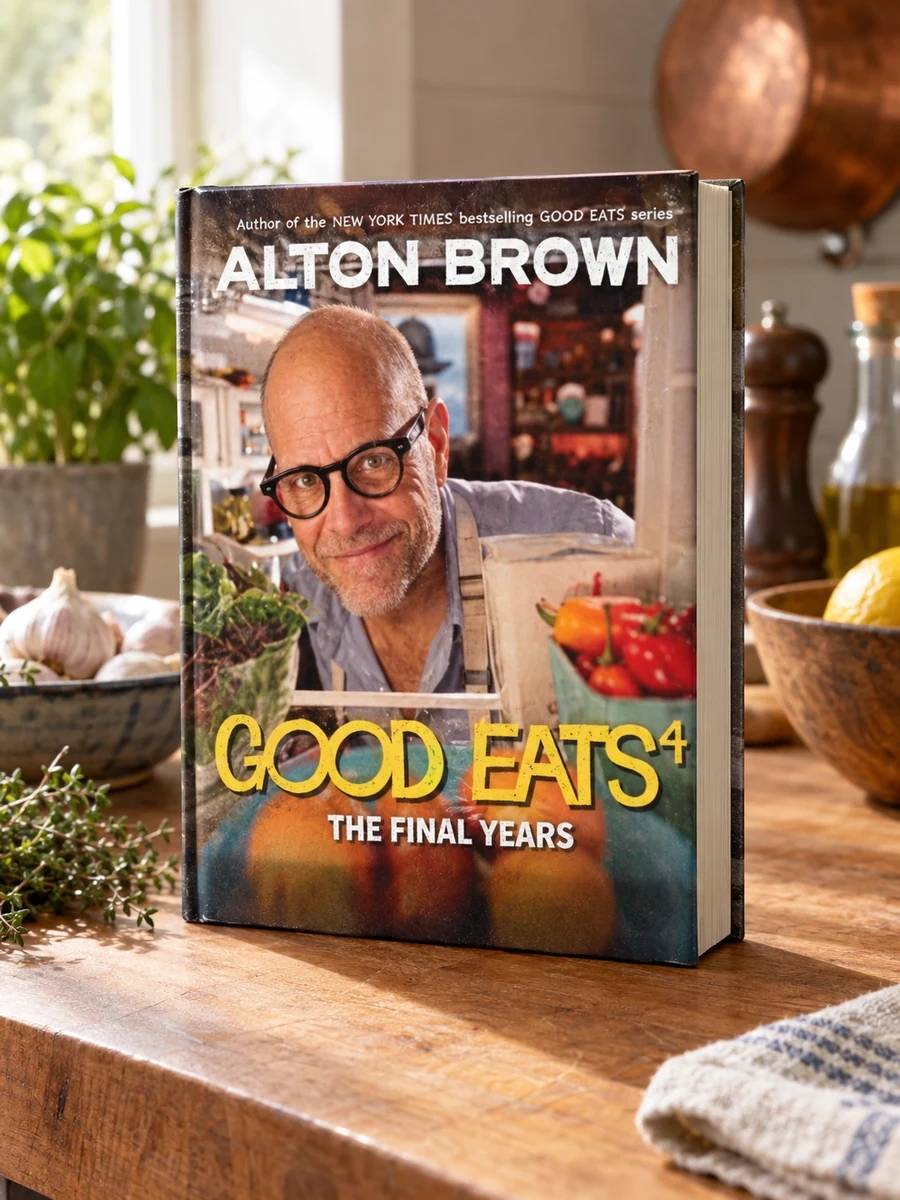
3. Good Eats: The Final Years — Alton Brown
Food science becomes much easier to appreciate when it is connected to familiar kitchen questions. Alton Brown's work is associated with explaining cooking through technique, experimentation, and the reasons behind what happens to ingredients. This volume offers an entry point for readers who enjoy food presented as a combination of practical craft and investigation.
It is a particularly sensible choice for curious cooks who frequently wonder why a recipe works, why a technique matters, or what makes one preparation different from another. Rather than approaching food history through dates and historical figures, this direction starts with the kitchen itself. It broadens your understanding of food by encouraging you to question familiar assumptions.
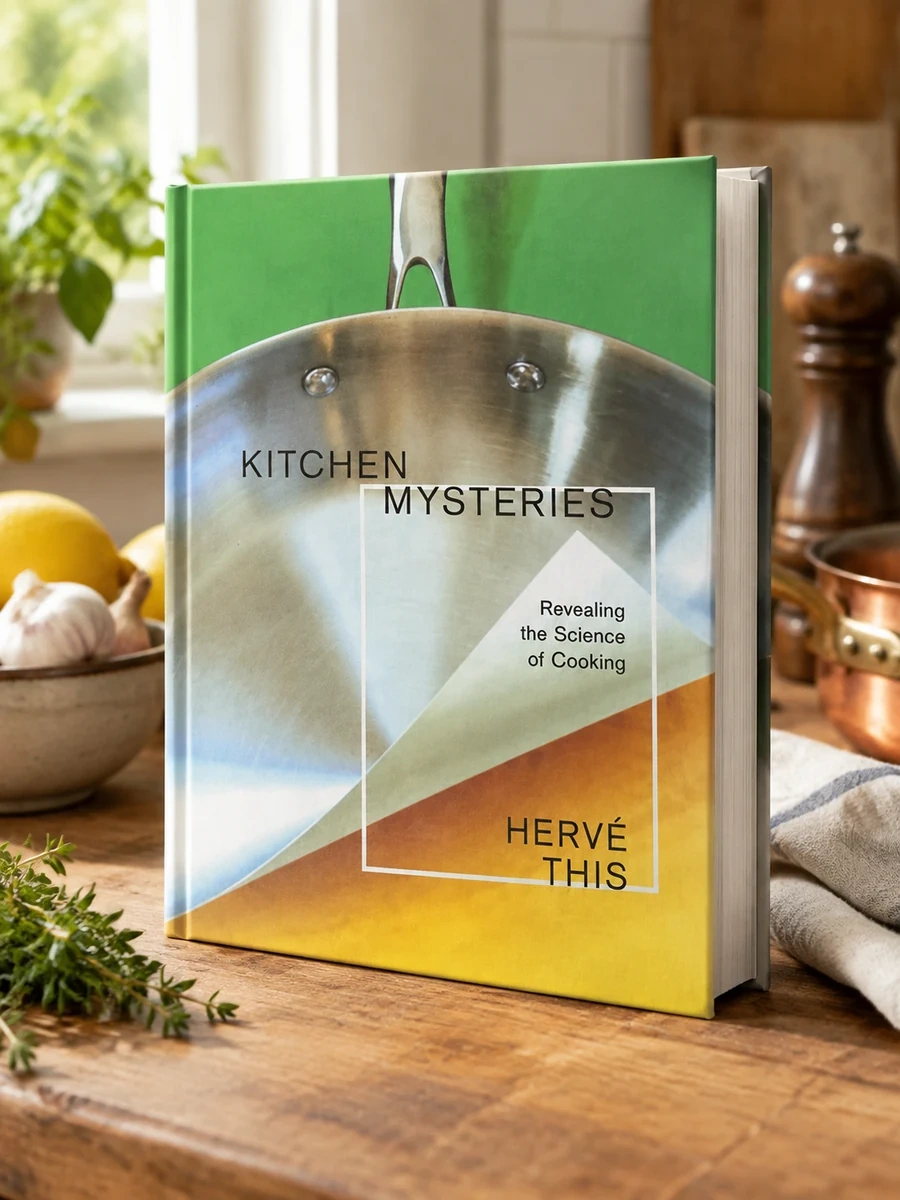
4. Kitchen Mysteries: Revealing the Science of Cooking — Hervé This
Hervé This approaches cooking through the questions that science can help answer. The subject is the relationship between culinary practice and the physical and chemical processes taking place during preparation. That makes this an especially rewarding book for readers who have ever wondered why ingredients behave differently under heat, why certain combinations work, or what is happening beneath the surface of an apparently simple recipe.
Its value for a beginner is the change in perspective it encourages. Cooking stops looking like a collection of inherited instructions and starts looking like a process that can be investigated. Pair it with a practical cookbook and you will have a useful combination: one book to tell you what to do, and another to help explain why it works.
Understand how food shaped history and society
Once you have explored the people and ideas behind modern food, historical books offer a much longer perspective. Food history is not simply a record of famous dishes or the origins of ingredients. It examines the relationship between what people could grow, trade, preserve, prepare, and afford, and how those possibilities shaped everyday life.
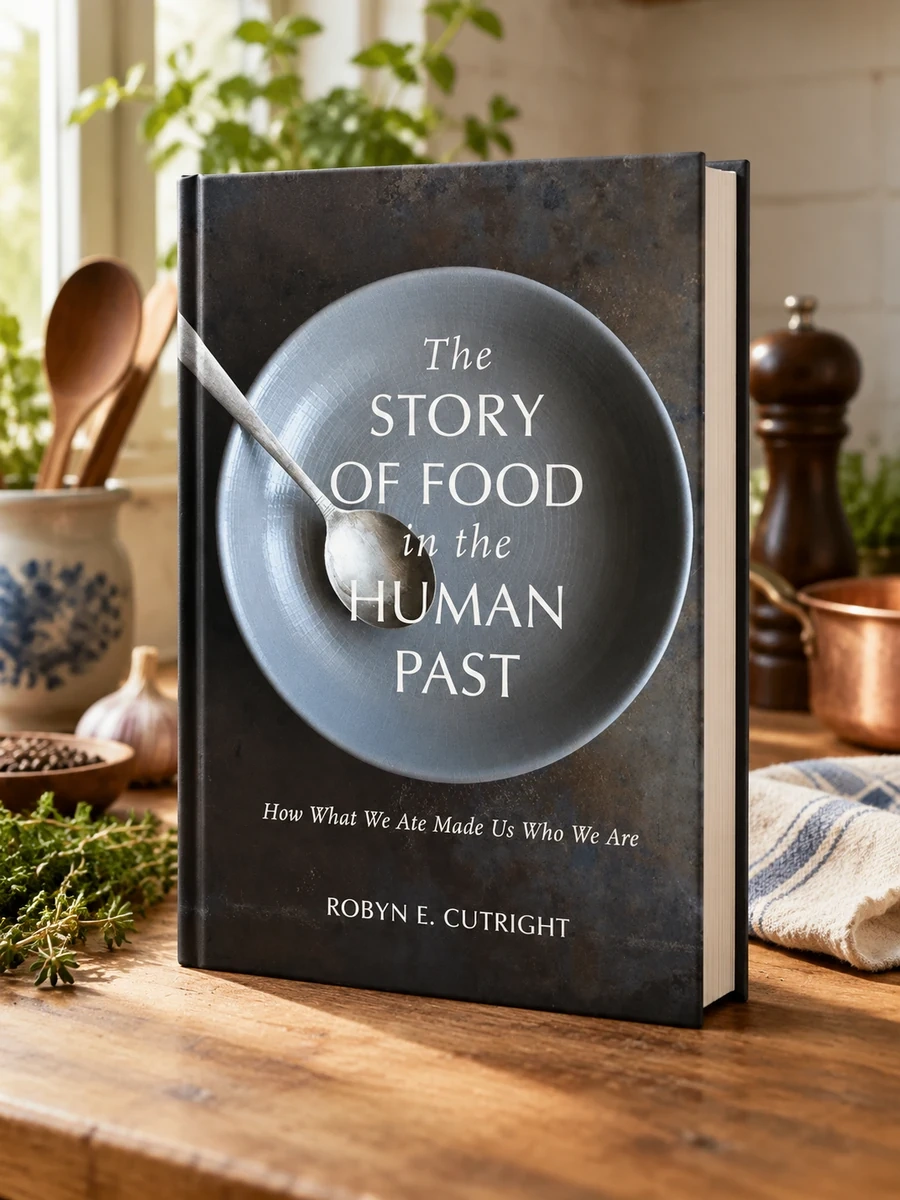
5. The Story of Food in the Human Past: How What We Ate Made Us Who We Are — Robyn E. Cutright
For a reader who wants one broad introduction to the historical importance of food, this is a natural place to begin. The title frames eating as an influence on human development rather than an isolated domestic activity. Its central subject is the connection between food and the larger story of human societies, making it a useful starting point for readers interested in the historical forces behind familiar eating habits.
What makes this perspective valuable is its breadth. Instead of concentrating on a single ingredient, region, or period, it encourages you to consider how food has helped shape the people we have become. Choose this if you want a general foundation before moving into more specialized histories.
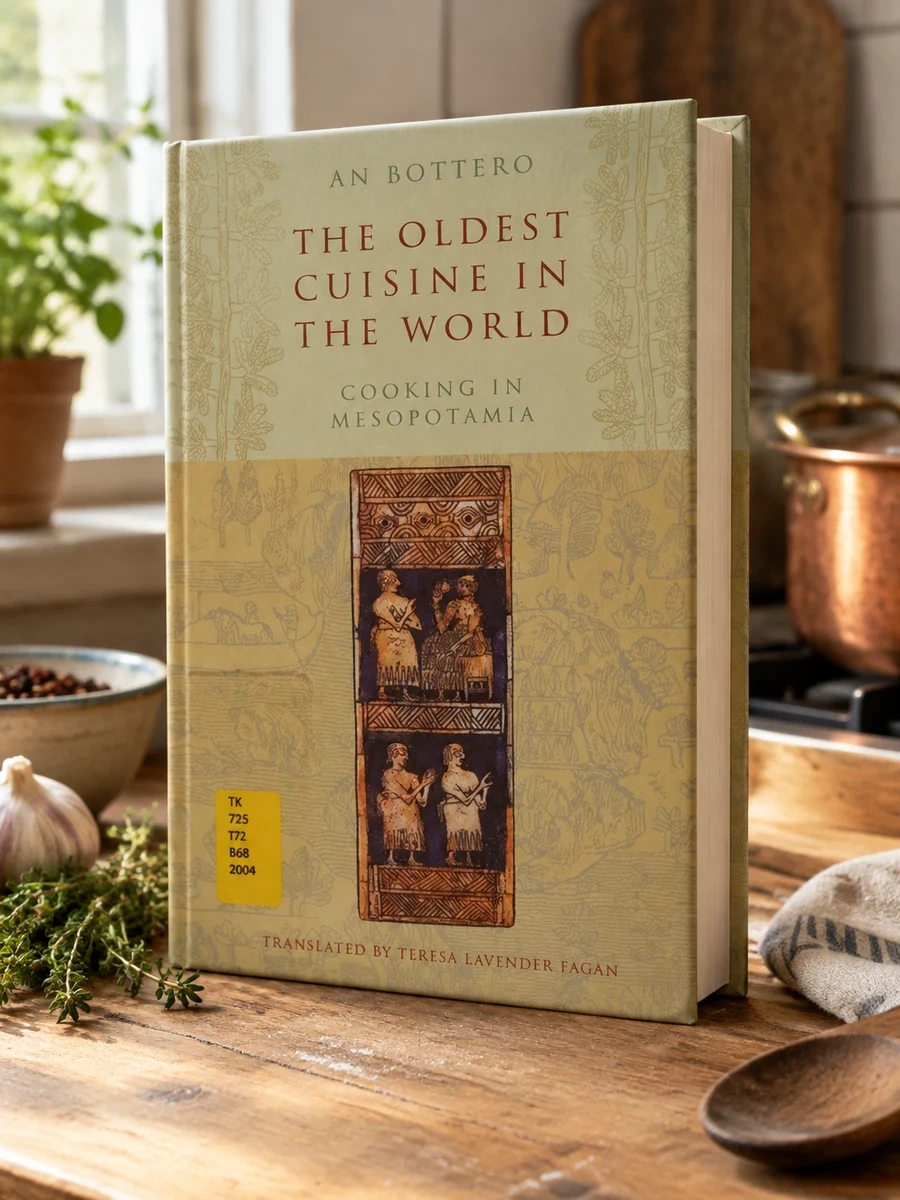
6. The Oldest Cuisine in the World: Cooking in Mesopotamia — Jean Bottéro
Ancient food history becomes particularly fascinating when it moves beyond the familiar cuisines of modern Europe and North America. Jean Bottéro's book takes readers into Mesopotamian cooking, opening a window onto an early culinary tradition. It is an appealing choice for anyone who wants to understand how far back the written and recorded history of food can reach.
The subject makes this book more specialized than a general food-history introduction, but that is also its strength. It gives you a defined historical setting in which to consider ingredients, preparation, and the everyday importance of eating. Readers interested in ancient civilizations, historical recipes, and the origins of culinary traditions will find a compelling direction here.
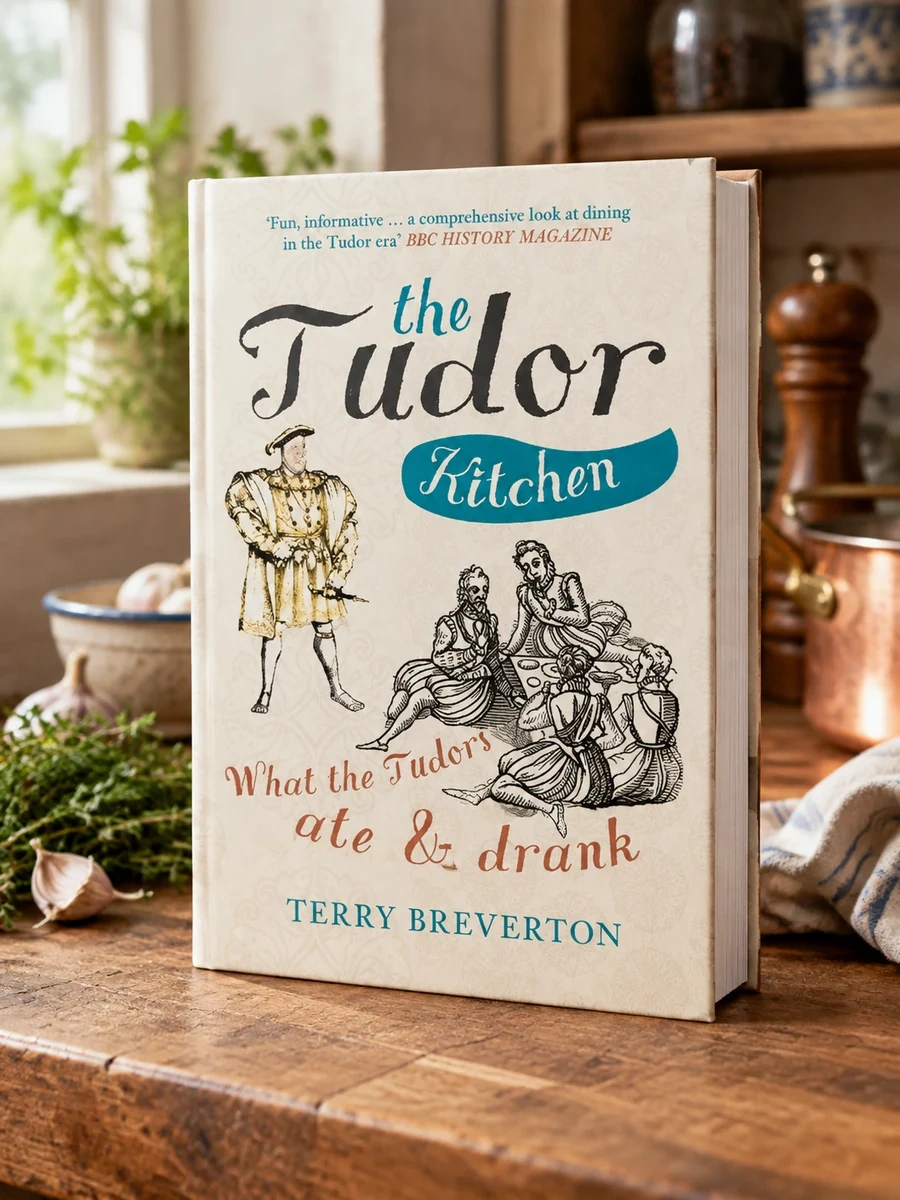
7. The Tudor Kitchen: What the Tudors Ate & Drank — Terry Breverton
The Tudor period offers another distinctive way into culinary history. Rather than approaching the past through kings, political events, and court intrigue alone, this book focuses on what people ate and drank. That domestic perspective can make a historical period feel considerably more immediate, because food connects large historical narratives to everyday habits.
This is a good selection for readers who enjoy British history and want a more tangible sense of historical life. It also makes a useful contrast with the Mesopotamian study: one introduces a much earlier culinary world, while the other concentrates on a recognizable European historical period. Both demonstrate how much a society's food can reveal about its time.
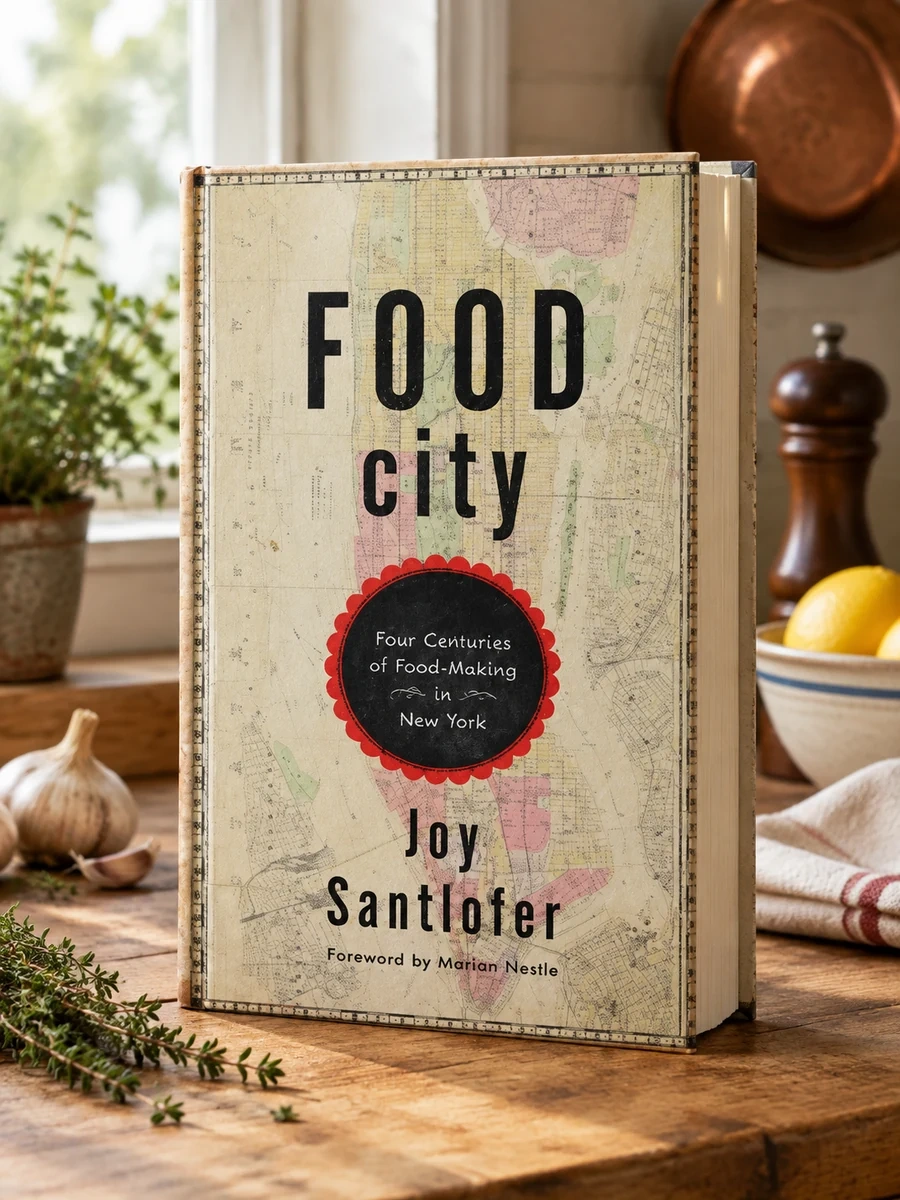
8. Food City: Four Centuries of Food-Making in New York — Joy Santlofer
Regional and urban food histories are often among the easiest to connect with because they link eating habits to recognizable places. Joy Santlofer's book examines four centuries of food-making in New York, giving readers a specific city through which to consider the development of food production and culture. It is a particularly useful choice for people interested in how a major American city develops its culinary identity.
The appeal goes beyond a list of local specialties. Looking at food-making over such an extended period encourages questions about how cities produce, distribute, and define what people eat. If you enjoy local history, urban culture, and the relationship between communities and their food, this is a strong addition to your introductory shelf.
Explore ingredients, communities, and the stories behind everyday eating
Some of the most memorable food books focus on one ingredient or one community and use that narrower subject to reveal something much larger. These books are useful once you have developed an interest in food history because they show how specific products, culinary traditions, and social experiences can become the basis of substantial cultural stories.
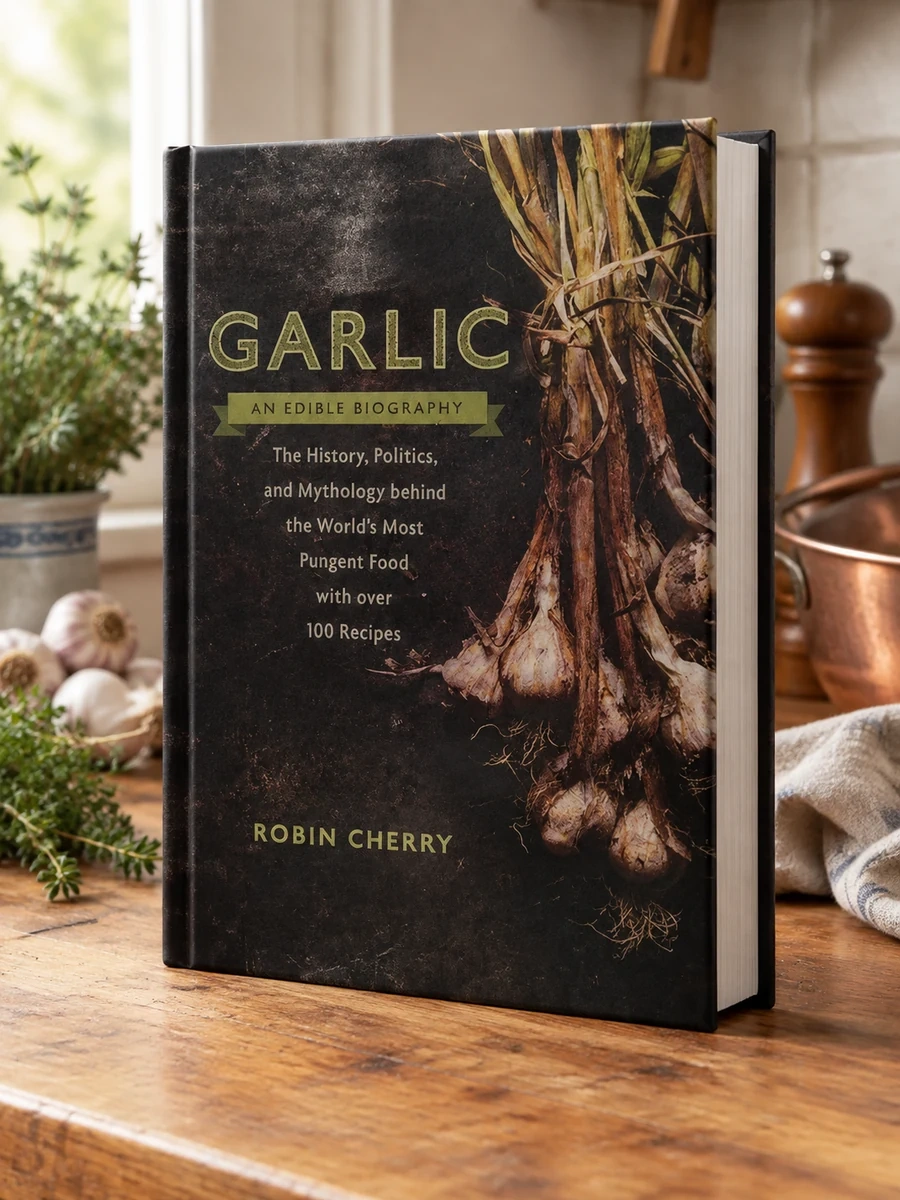
9. Garlic, an Edible Biography: The History, Politics, and Mythology behind the World's Most Pungent Food — Robin Cherry
Garlic is an ordinary kitchen ingredient with an extraordinary amount of cultural significance. Robin Cherry's edible biography looks at its history, politics, and mythology, while also including recipes. This combination makes the book particularly accessible: readers can approach the subject through an ingredient they already recognize and then discover how much history can sit behind something so familiar.
It is a strong choice for anyone who likes ingredient-centered storytelling. The book also demonstrates a useful approach to food writing: start with one recognizable food, investigate its cultural associations, and use that subject to open wider questions about tradition and identity. Readers who enjoy learning the stories behind pantry staples should find this an engaging starting point.
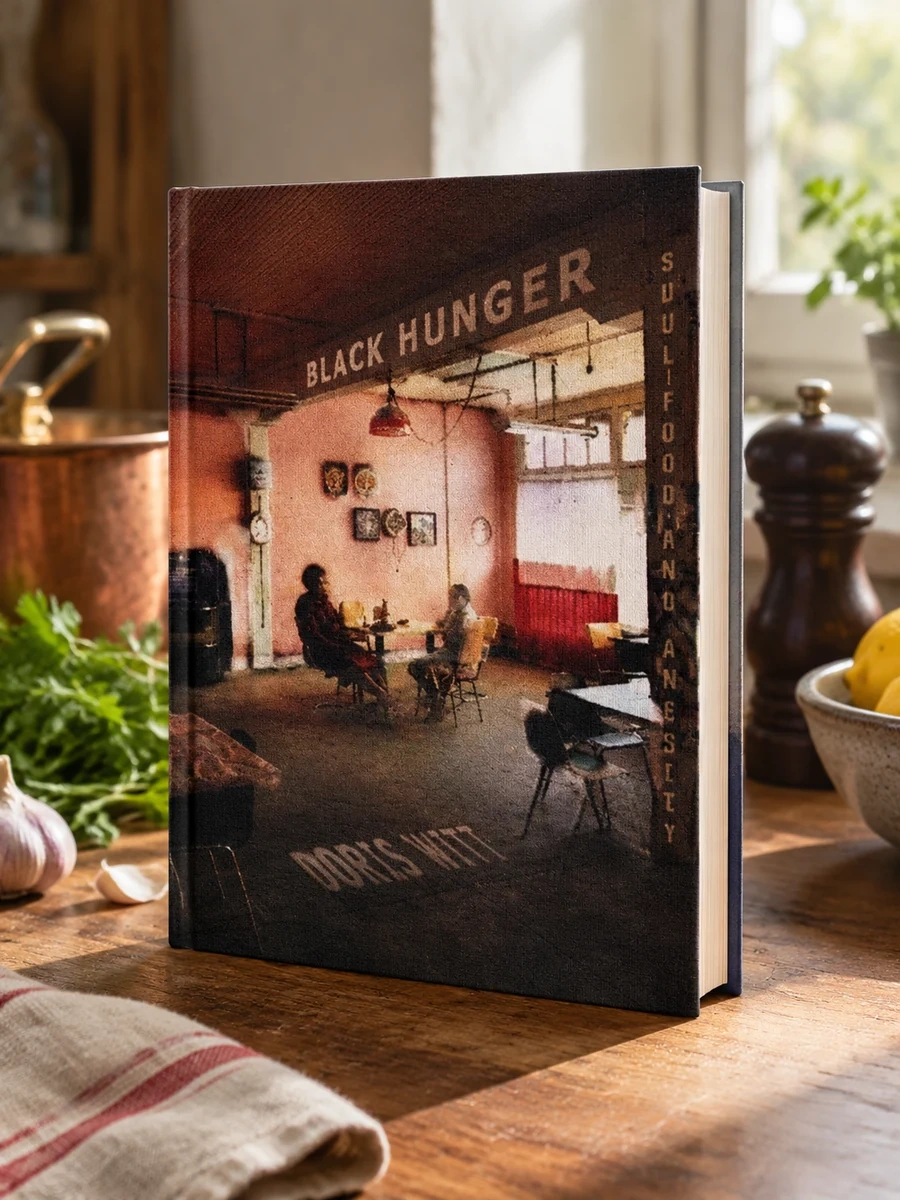
10. Black Hunger: Soul Food and America — Doris Witt
Food history is incomplete without examining the communities whose culinary traditions have shaped American eating. Doris Witt's book places soul food and Black American food culture at the center of its subject, offering a more socially grounded way to approach the history of what Americans eat. It is an important choice for readers who want to think about food in relation to culture, identity, and the meanings attached to particular traditions.
This is not simply an introduction to a style of cooking. Its subject invites readers to consider the wider cultural context surrounding food and the ways culinary traditions become part of American history. It is especially appropriate for anyone looking to broaden a food bookshelf beyond restaurant memoirs and ingredient histories.
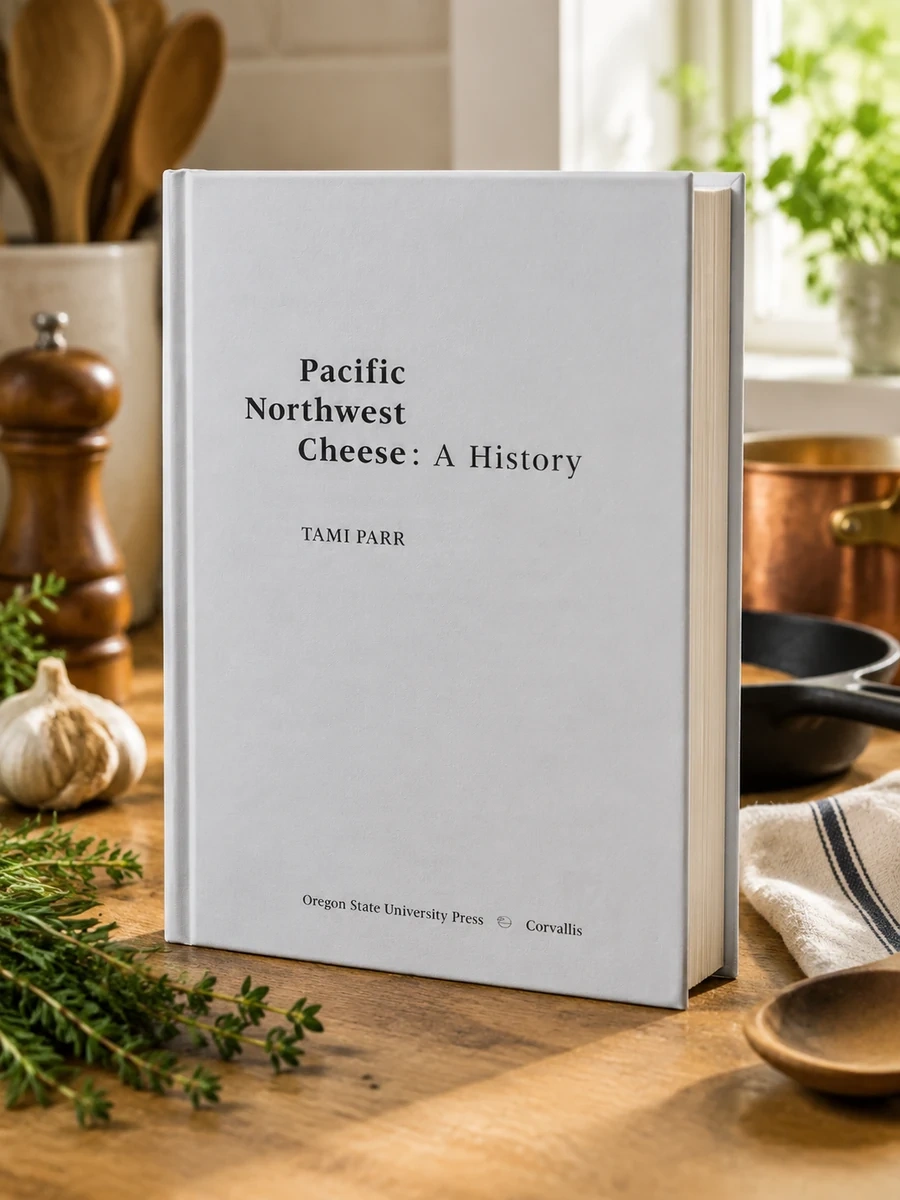
11. Pacific Northwest Cheese: A History — Tami Parr
Cheese is an excellent subject for understanding how regional food traditions develop. Tami Parr's book concentrates on the history of cheese in the Pacific Northwest, making it a focused example of culinary history built around one product and a particular American region. Its specificity is useful: rather than trying to cover every cheese tradition, it gives readers a defined subject to explore.
Consider this book if you enjoy artisan food production, regional specialties, and the people and practices behind local products. It also pairs well with broader American food histories. After reading about a city's food-making culture, a more focused study of regional cheese offers another way to understand how local food identities take shape.
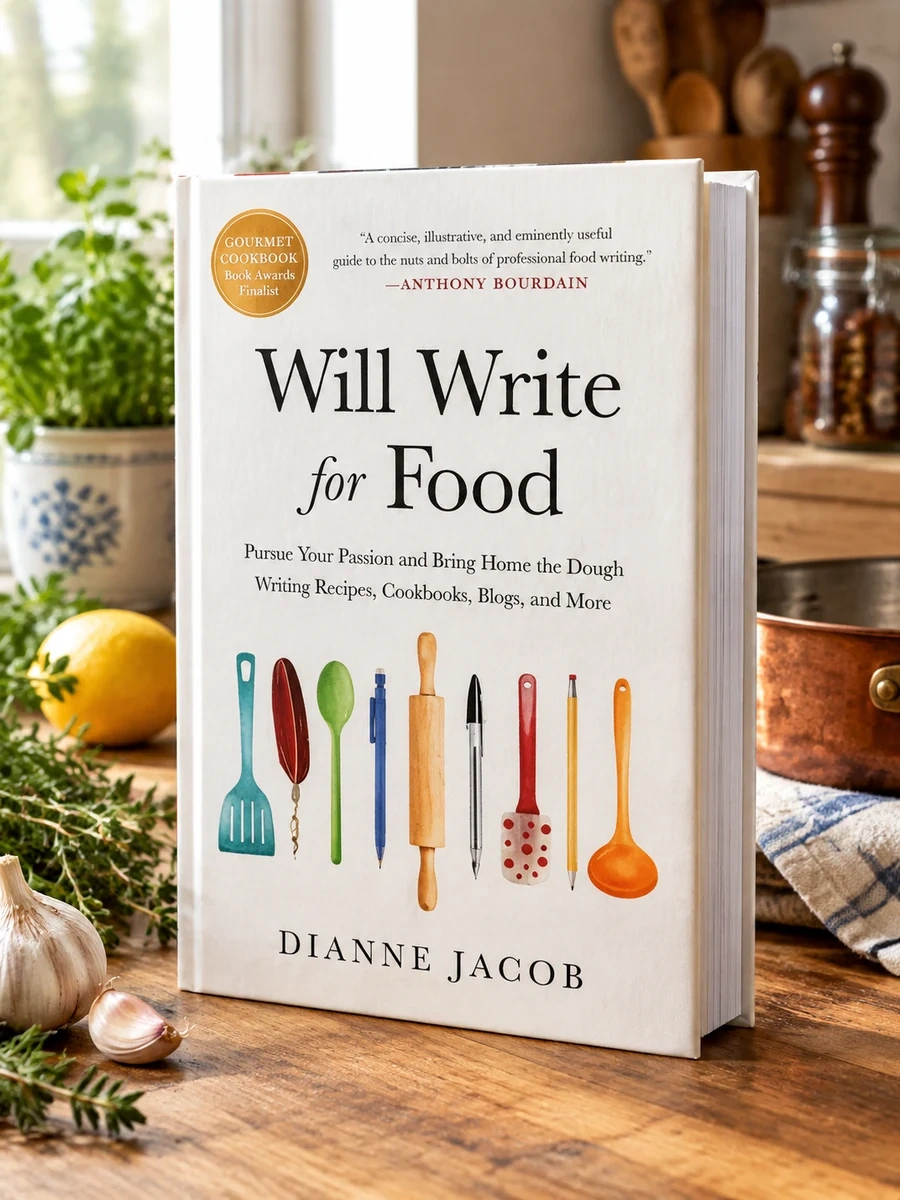
12. Will Write for Food: Pursue Your Passion and Bring Home the Dough Writing Recipes, Cookbooks, Blogs, and More — Dianne Jacob
There is another way to approach food writing: learn how to create it yourself. Dianne Jacob's book is aimed at people interested in writing recipes, cookbooks, blogs, and other food-related work. Rather than focusing on the history of a particular ingredient or cuisine, it addresses the craft of communicating about food and developing a writing practice around it.
This is the most practical choice for aspiring food writers on our list. It makes sense for home cooks who want to write about their experiences, bloggers developing their editorial voice, and anyone considering a career in food publishing. You do not need professional writing experience to appreciate the subject. It is a useful reminder that food writing is a craft as well as a field of reading.
How to choose your first food writing and history book
The best starting book depends on the kind of questions you naturally ask. You do not have to begin with a comprehensive academic history, and you certainly do not need to read every title before deciding which part of food writing interests you most. Use your existing interests as a guide.
- If you love restaurants and professional kitchens: Start with Kitchen Confidential. Its direct voice and focus on working kitchen culture make it an accessible introduction to restaurant life.
- If you want a broad historical foundation: Choose The Story of Food in the Human Past. It gives you a wider perspective before you move into specific historical periods.
- If ancient and historical cooking interests you: Begin with The Oldest Cuisine in the World or The Tudor Kitchen. Choose the historical setting that appeals to you most.
- If you are curious about American food culture: Read Food City alongside Black Hunger. Together, their subjects provide different perspectives on American food history and identity.
- If you enjoy the science of cooking: Pick up Kitchen Mysteries. It is a natural choice for readers who want explanations rather than instructions alone.
- If you want to write about food yourself: Make Will Write for Food your first purchase consideration. It is directly concerned with the practical craft of food writing.
One useful reading strategy is to alternate broad and focused books. Read a general history, then follow it with a study of a particular ingredient, community, or region. That approach makes it easier to connect individual details to larger historical patterns without getting overwhelmed by unfamiliar terminology or long historical timelines.
It is also worth remembering that food writing does not have to be separate from cooking. Keep a notebook of interesting ingredients, unfamiliar culinary terms, historical references, and techniques you encounter. If a book introduces you to an ingredient's history, look for it in your local market. If it discusses a traditional kitchen practice, consider how it relates to the methods you already use. Reading becomes more memorable when it changes how you look at an ordinary meal.
For a first three-book reading list, we would recommend Kitchen Confidential, The Story of Food in the Human Past, and Kitchen Mysteries. Together, they introduce three distinct dimensions of the subject: the people who cook, the historical importance of what we eat, and the science that makes cooking possible. Once you have those perspectives, the more specialized books on this shelf become easier to approach and even more rewarding to explore.