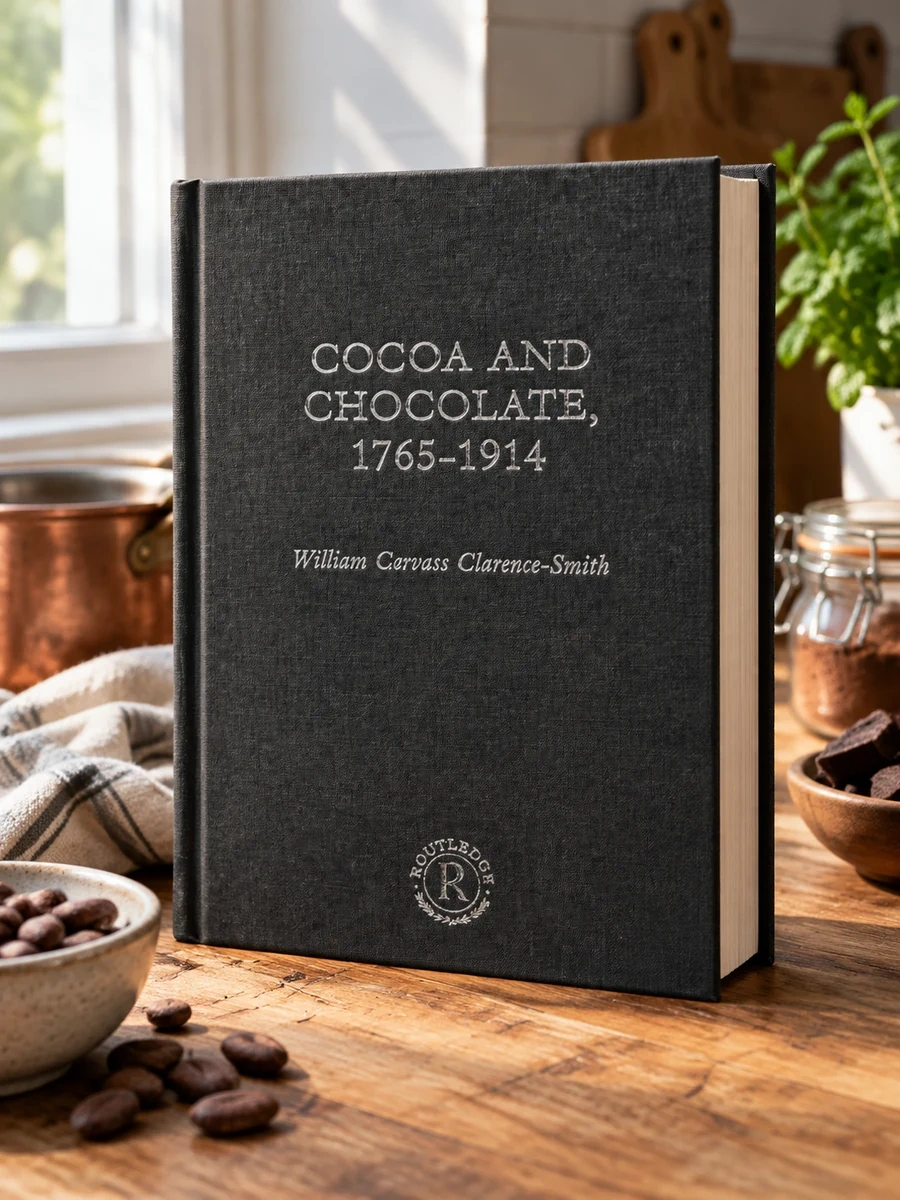
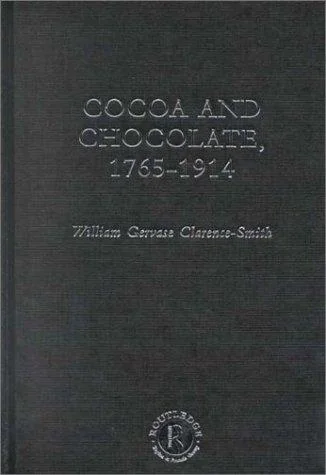
Cocoa and Chocolate, 1765-1914
✍️ Clarence-Smith, William GervaseA historical analysis of cocoa's failure to drive economic development from 1765 to 1914.
Clarence-Smith investigates why cocoa production did not transform economies despite favorable global trends. The author compares the commodity’s trajectory with wool in Australia and tea in Japan. He argues that producers faced significant hurdles despite having certain advantages in the export market. The text dissects the political and social forces that kept development elusive. It covers taxation, land use, and labor coercion as key factors. The analysis extends to ecological impacts on forests and the manufacturing of chocolate products.
This work focuses on the period from the Seven Years War to the First World War. It examines how economic liberalism and globalization influenced cocoa producers during these specific decades.


📝 Description: Cocoa and Chocolate, 1765-1914
💎 Expert review
⭐ Reader reviews
Reader rating
This text provides a rigorous analysis of why cocoa failed to drive economic development despite favorable global trends. Clarence-Smith effectively compares this trajectory with wool in Australia and tea in Japan, highlighting taxation, land use, and labor coercion as key hurdles. The book excels in dissecting political and social forces affecting producers. However, it will not suit readers looking for chocolate recipes or culinary techniques. It is strictly an academic examination of ecological impacts and manufacturing processes during this historical period.
❓ Frequently asked questions
📖 Who should read this
This title is for academic researchers and economic historians specializing in colonial trade networks. It suits scholars analyzing commodity markets rather than home cooks seeking culinary inspiration. Readers interested in the socio-political mechanics of early modern agriculture will find this volume essential for their professional library or advanced study collection.


![The River Cottage Meat Book: [A Cookbook]](/img/the-river-cottage-meat-book-a-cookbook-88435-scene.webp)