“Grab this if you are endlessly curious about culinary history and cultural traditions, whether you cook every day or just love reading about food. If you are looking for a fast weeknight dinner manual stuffed with quick baking steps, you will be disappointed.
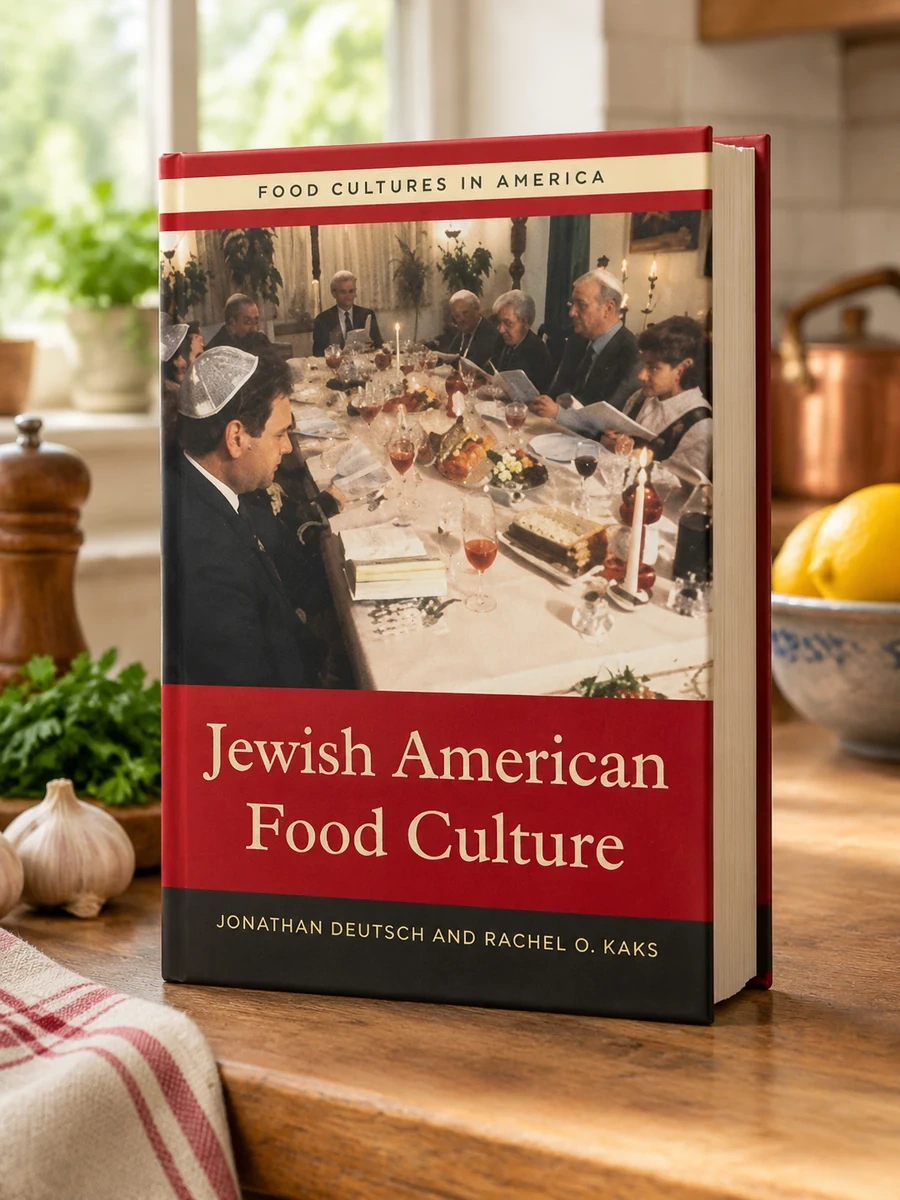
Many Jewish foods are beloved in American culture. Everyone eats bagels, and the delicatessen is ubiquitous from Midtown Manhattan to Los Angeles. Jewish American Food Culture offers readers an in-depth look at the well-known and unfamiliar Jewish dishes and the practices and culture of a diverse group. This is the source to find out what parve on packaging means, the symbolism of particular foods that are essential to holiday celebrations, what keeping kosher entails, how meals and food rituals are approached differently depending on how religious one is and the land of one's ancestors, and much more. An historical overview puts contemporary American Jews and their cuisine into context. Next, the main foods and ingredients of Jewish cuisine are explained. An interesting chapter on cooking practices follows. Chapters on holiday celebrations, eating out, and diet and health complete the overview. A chronology, glossary, resource guide, and selected bibliography make this an essential one-stop resource for every library.
💎 Expert review
“
🍳
Eatbook Family editorial team
Cookbook desk
This work functions primarily as an encyclopedic resource rather than a standard recipe collection. It excels at contextualizing Jewish cuisine within American society, offering historical overviews and explanations of rituals that are often opaque to outsiders. However, it may disappoint readers looking for immediate, step-by-step instructions to prepare specific dishes. The tone is academic and informative, making it less suitable for casual cooks seeking inspiration in the kitchen. Instead, it appeals to students, librarians, and food historians interested in the sociological dimensions of eating rather than the mechanical act of cooking.
✓ EDITOR'S REVIEW
⭐ Reader reviews
The starting rating comes from the team Eatbook Family —
Grab this if you are endlessly curious about culinary history and cultural traditions, whether you cook every day or just love reading about food. If you are looking for a fast weeknight dinner manual stuffed with quick baking steps, you will be disappointed.
Reader rating
4.5
Based on 1 reviews
5
0
4
1
3
0
2
0
1
0
E
Eatbook Family editorial team
This work functions primarily as an encyclopedic resource rather than a standard recipe collection. It excels at contextualizing Jewish cuisine within American society, offering historical overviews and explanations of rituals that are often opaque to outsiders. However, it may disappoint readers looking for immediate, step-by-step instructions to prepare specific dishes. The tone is academic and informative, making it less suitable for casual cooks seeking inspiration in the kitchen. Instead, it appeals to students, librarians, and food historians interested in the sociological dimensions of eating rather than the mechanical act of cooking.
❓ Frequently asked questions
This is a cultural and historical guide rather than a traditional baking book, focusing on traditions, ingredients, and food practices instead of standard recipe measurement conversions.
The publisher highlights a comprehensive overview featuring a chronology, glossary, and resource guide, but does not heavily emphasize a visual spread of step-by-step photography.
📖 Who should read this
Grab this if you are endlessly curious about culinary history and cultural traditions, whether you cook every day or just love reading about food. If you are looking for a fast weeknight dinner manual stuffed with quick baking steps, you will be disappointed.
📜 Historical context
Rooted deeply in the diverse traditions of American Jewish communities, this volume explores how culinary practices traveled across borders and adapted to a new landscape. It examines the deep-seated cultural meanings behind everyday ingredients, sacred holiday tables, and changing dietary laws over generations.


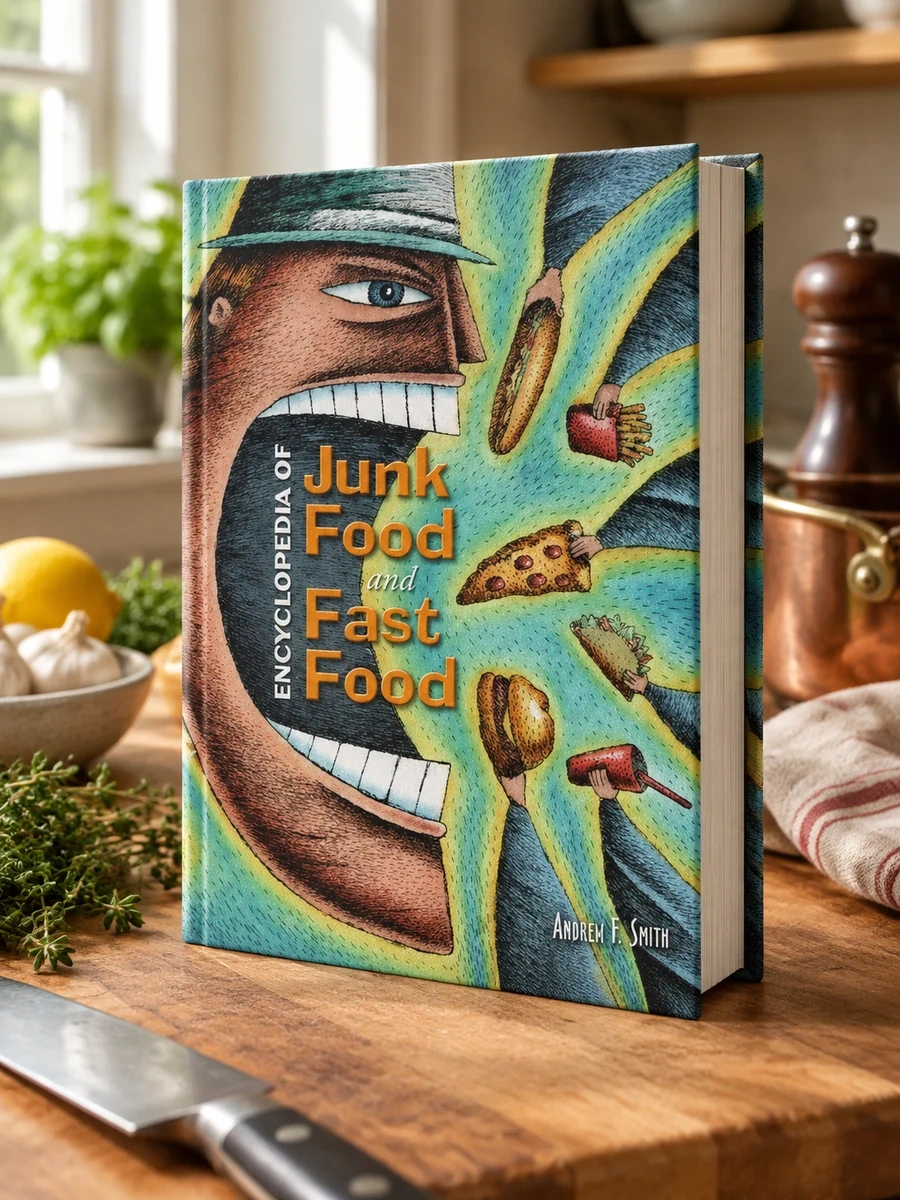
![Fast Food and Junk Food: An Encyclopedia of What We Love to Eat [2 Volumes]](/img/fast-food-and-junk-food-an-encyclopedia-of-what-we-love-to-eat-2-volum-93938-scene.webp)


![The World Cookbook: The Greatest Recipes from Around the Globe [4 Volumes] (Revised)](/img/the-world-cookbook-the-greatest-recipes-from-around-the-globe-4-volume-94681.webp)