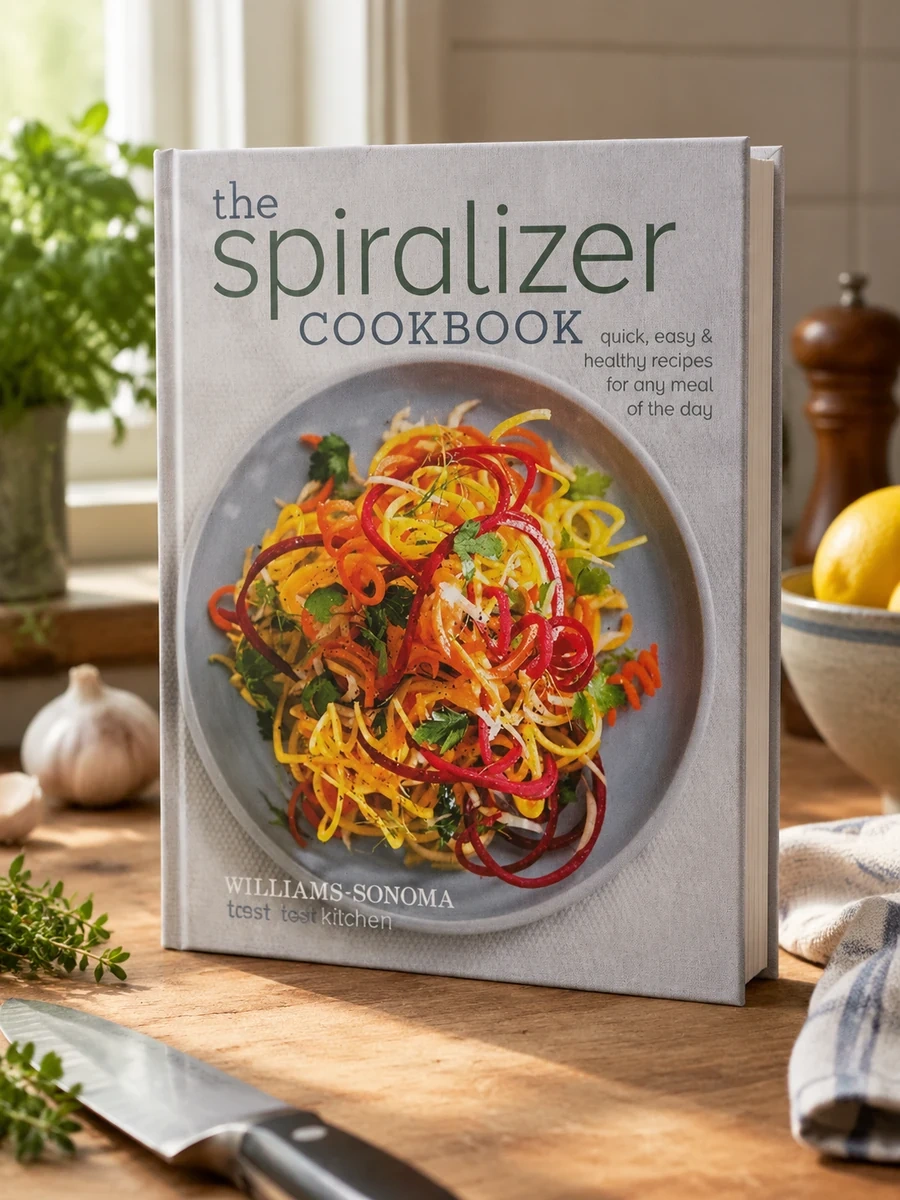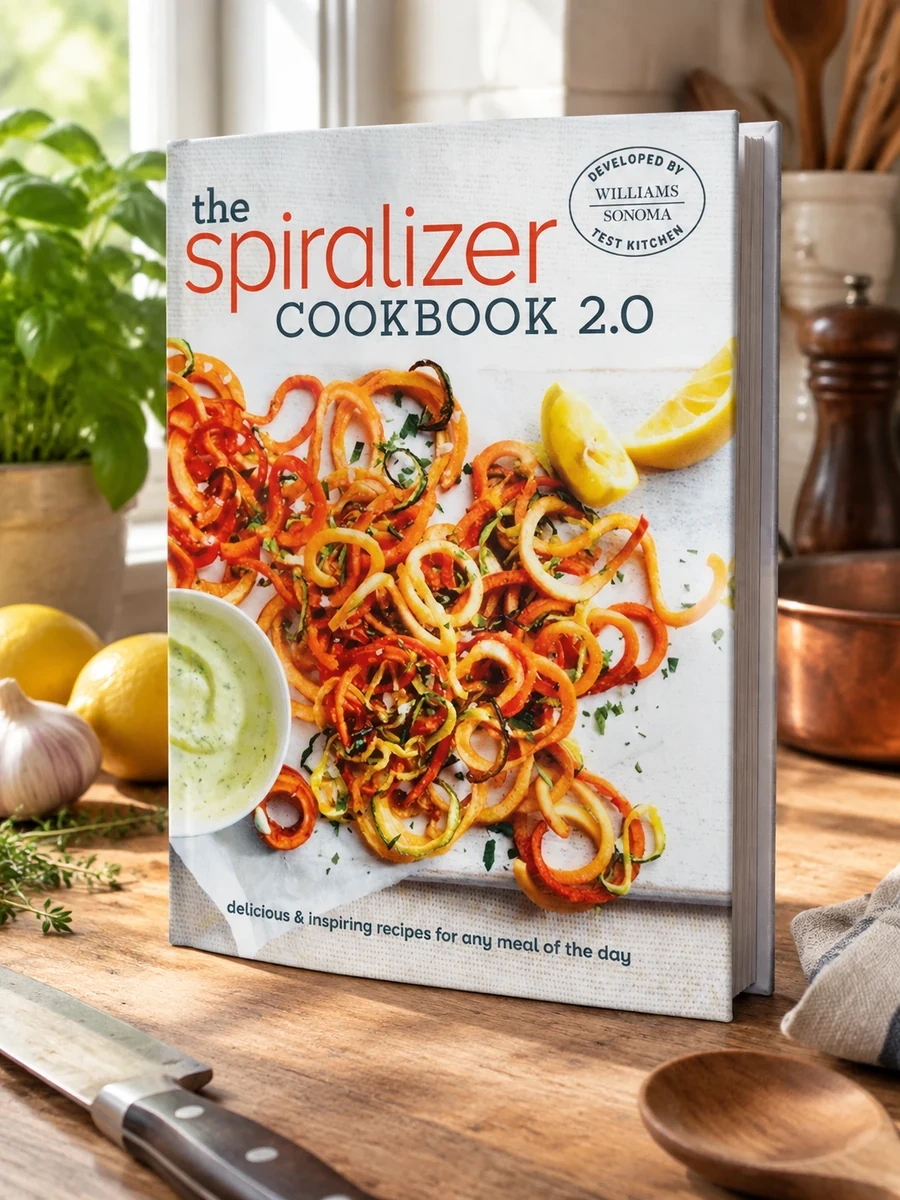
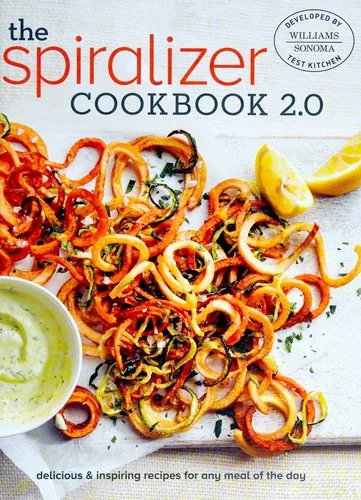
Spiralizer Cookbook 2.0
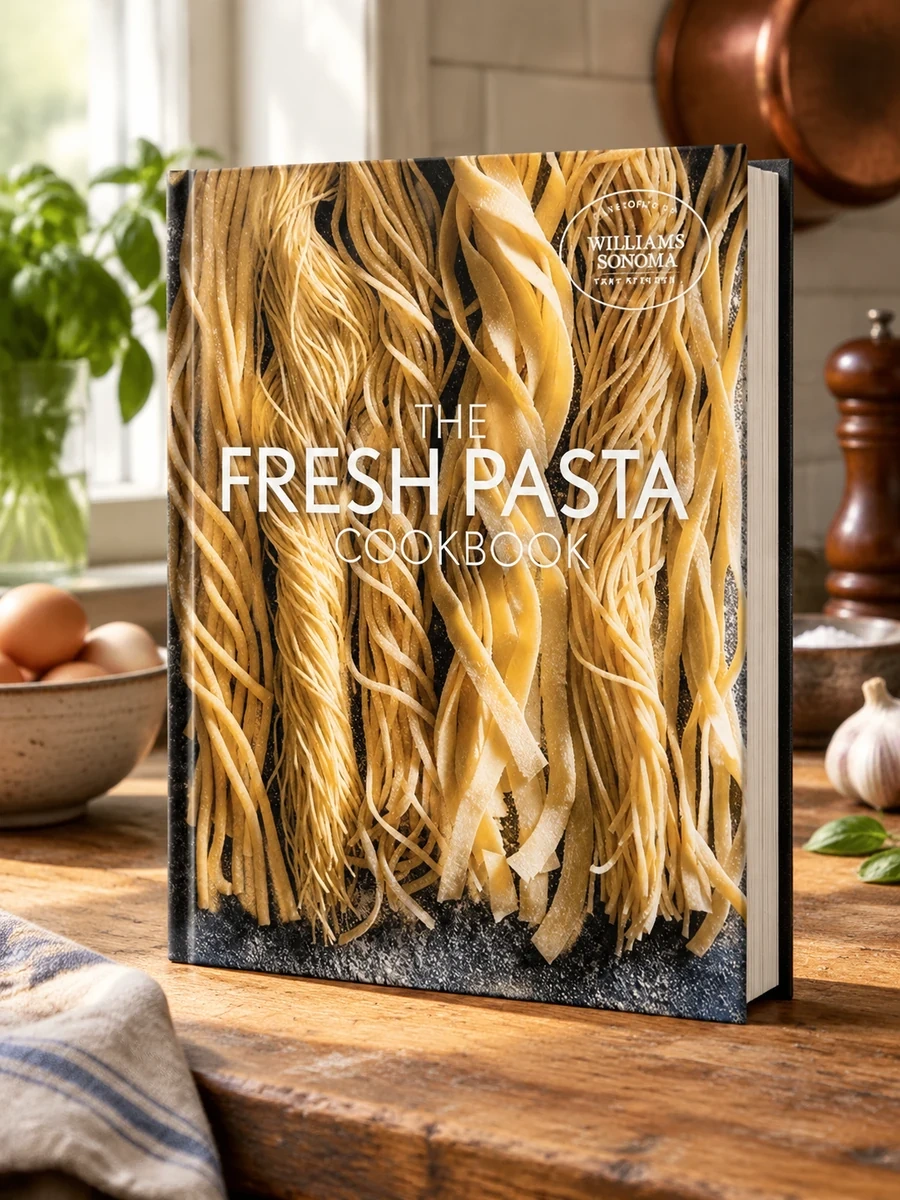
✍️ Williams - Sonoma Test KitchenA compact guide to using spiralizers for low-carb meals and vegetable noodles.
This publication focuses on the mechanical use of spiralizers to transform produce into various shapes. It provides assembly instructions and blade explanations from the Williams-Sonoma Test Kitchen. The recipes range from savory mains like Shrimp Spring Rolls to sweet options such as Apple Pancakes. The text emphasizes practical application for creating noodles, shoestrings, and thin shreds. It addresses specific dietary preferences by highlighting low-carb meal possibilities. The content is organized around immediate utility rather than culinary history.
Published in 2016, this book reflects the mid-2010s trend toward specialized kitchen gadgets and health-conscious eating. It caters to American consumers interested in vegetable-based diets and innovative cooking tools. The focus on low-carb meals aligns with contemporary dietary shifts during that period.


📝 Description: Spiralizer Cookbook 2.0
💎 Expert review
📖 Why choose it
Why this book is worth reading
Home cooks seeking a practical, compact reference for vegetable spiralizers will find this volume highly useful. It offers clear assembly instructions and blade explanations from an expert test kitchen, ensuring safe and efficient tool use. The fifty-four-page format provides immediate utility with over twenty recipes spanning savory mains, snacks, and desserts. Readers interested in low-carb meal preparation or creating noodle-like strands from fresh produce will appreciate the straightforward techniques. It serves those who prioritize simple, mechanical food transformation over complex culinary theory, making it an ideal addition for kitchens focused on quick, healthy vegetable-based dishes.
⭐ Reader reviews
Reader rating
This guide is strictly utilitarian, focusing entirely on the mechanics of spiralizing rather than culinary artistry. It suits beginners needing basic assembly tips and simple recipe applications like zucchini noodles or apple slices. However, it does not suit serious chefs seeking historical context, advanced technique, or complex flavor profiles. The text avoids traditional cooking methods outside of spiralizing, limiting its scope significantly. Readers expecting detailed nutritional analysis or cultural exploration will find the content sparse. It is best viewed as a quick-reference manual for gadget owners rather than a comprehensive cookbook, offering limited value beyond its specific niche.
❓ Frequently asked questions
📖 Who should read this
Home cooks seeking compact guidance for low-carb meals using spiralizers. Ideal for those wanting quick vegetable noodle recipes and clear assembly instructions without culinary history. Perfect for kitchens focused on practical utility and immediate meal preparation with special appliances.