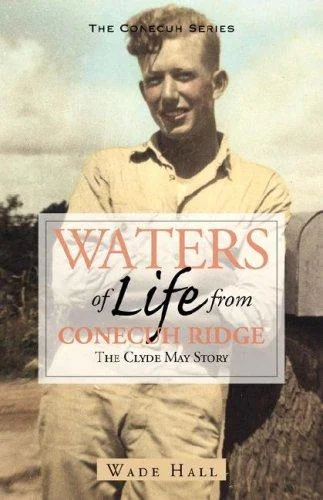
Waters of Life from the Conecuh Ridge: The Clyde May Story
✍️ Hall, WadeA memoir about a moonshiner's life and his family's legal distillery.
This work traces the evolution of a single family’s relationship with whiskey production in rural Alabama. It begins with Clyde May, who practiced moonshining while maintaining a conventional life as a veteran and church member. The text uses interviews with his son Kenny to preserve these stories. Later chapters cover the establishment of a legal distillery by the siblings, applying their father's methods to create a commercially available product. This shift represents a significant change in the family’s history and the local industry.
The book sits within the context of rural Bullock County, Alabama, during the period when moonshining was common. It addresses Southern regional history, specifically the intersection of criminal activity and family tradition in the state's alcohol production landscape.


📝 Description: Waters of Life from the Conecuh Ridge: The Clyde May Story
💎 Expert review
📖 Why choose it
Why this book is worth reading
Readers fascinated by the intersection of rural Southern culture, family legacy, and the history of American spirits will find this memoir compelling. It offers a unique perspective on how a family navigated the tension between legal prohibition and traditional livelihoods in Bullock County, Alabama. By focusing on Clyde May’s dual life as a veteran and churchgoer alongside his moonshining activities, the book humanizes a figure often romanticized or criminalized in popular media. It is particularly valuable for those interested in the transition from illegal distillation to legitimate commercial enterprise, providing insight into the preservation of regional craft techniques through oral history rather than technical manuals.
⭐ Reader reviews
Reader rating
This title is not for readers seeking technical distillation instructions or broad national historical surveys unrelated to Alabama. It is a niche memoir relying heavily on family interviews, making it best suited for those with a specific interest in Southern heritage and the personal stories behind legal craft distilleries. While it lacks the breadth of a comprehensive industry history, it succeeds as an intimate portrait of rural life and resilience. The focus remains tightly on the May family’s journey, offering depth over width. Readers looking for dry academic analysis may find it too anecdotal, but fans of regional folklore and spirit history will appreciate its authenticity.
❓ Frequently asked questions
📖 Who should read this
Readers interested in rural Alabama history and the transition from illegal moonshining to legal distilling. Ideal for those who enjoy family memoirs, craft spirits culture, and oral histories that preserve local heritage through personal narrative rather than technical instruction.