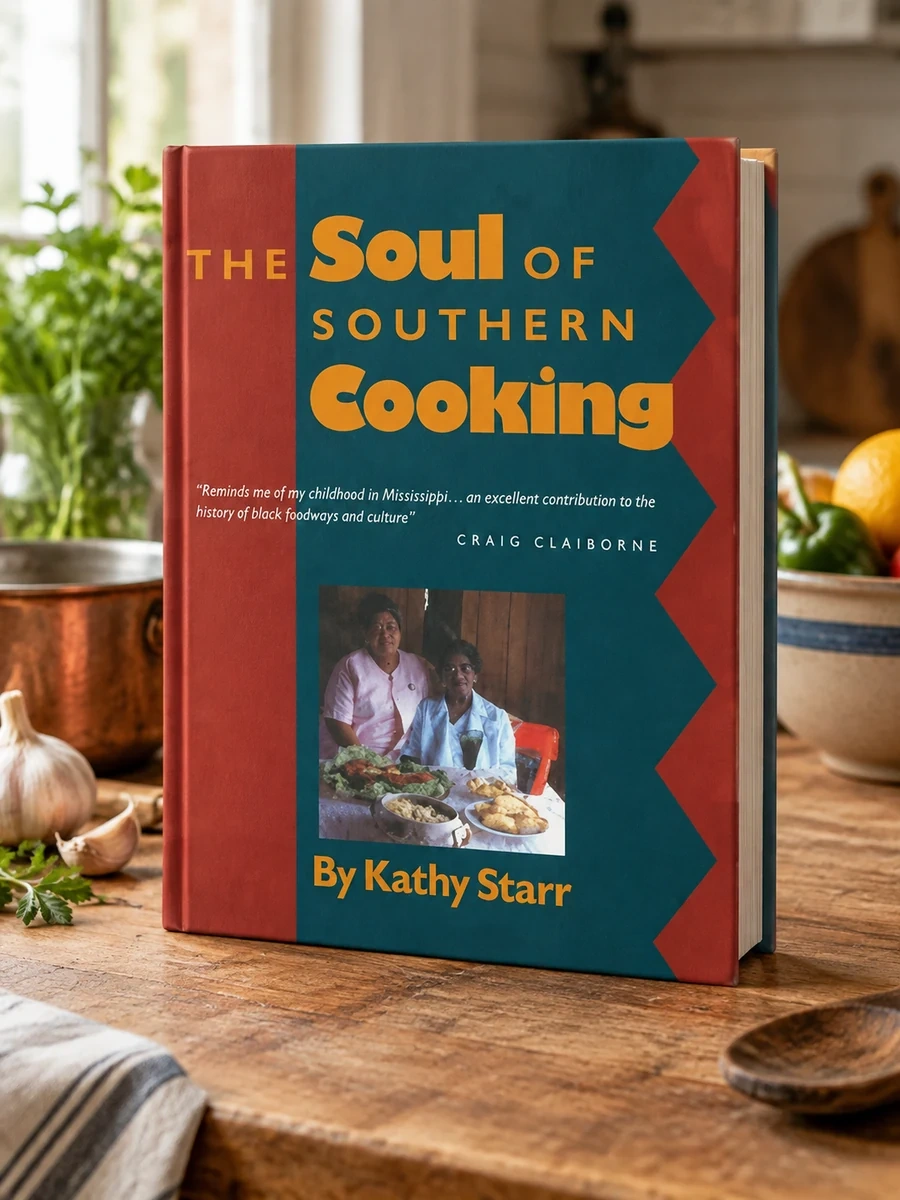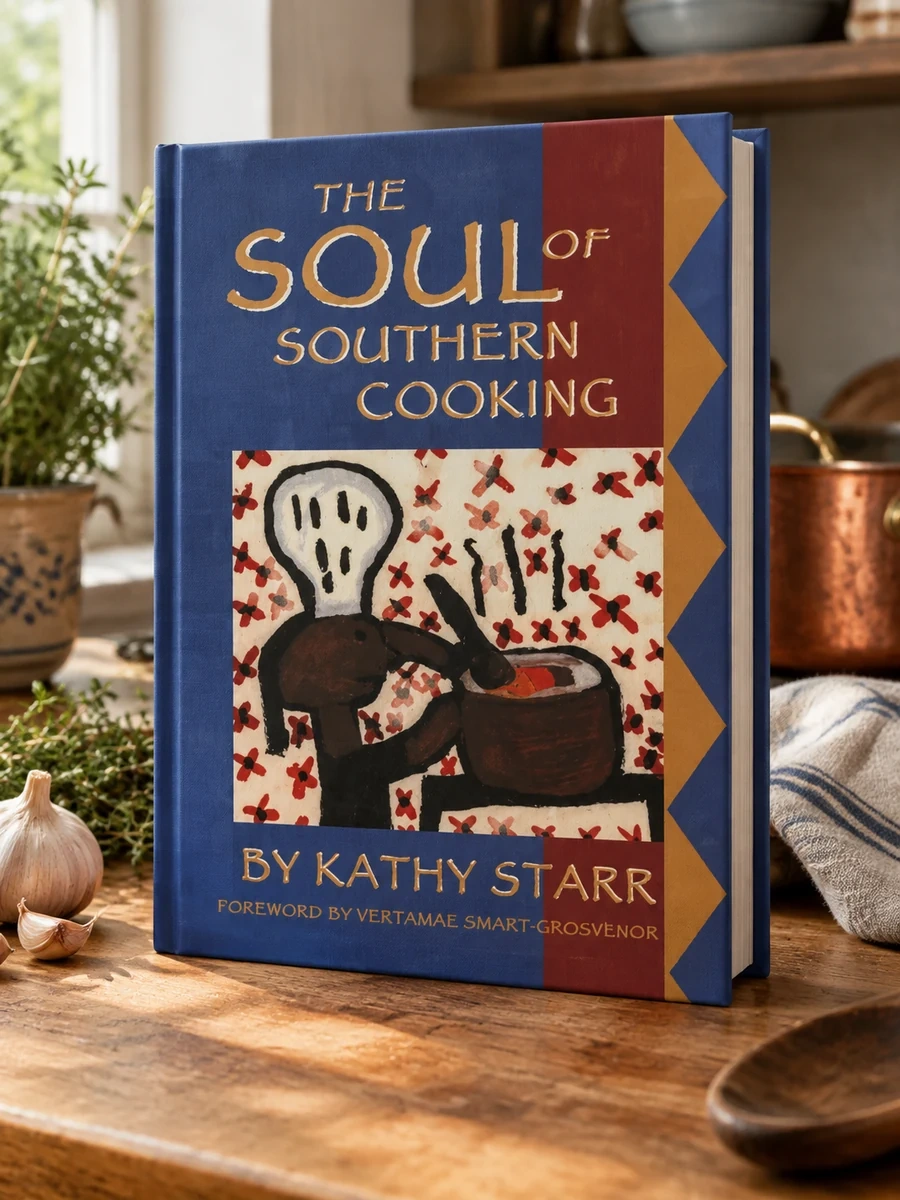
The Soul of Southern Cooking
✍️ Starr, KathyA collection of Deep South Black recipes blending folklore with practical cooking advice.
Starr focuses on the intersection of survival and celebration in Southern food culture. The book documents how limited resources shaped a unique culinary identity among Black communities in the American South. It emphasizes the emotional weight of family gatherings and the technical importance of slow cooking methods. The essays provide necessary background for the recipes, ensuring the cultural significance is never lost. This approach creates a narrative that is both instructional and historical.
This book documents the distinctive cooking style established by Black communities in the Deep South. It highlights how common experiences and limited ingredients shaped a unique regional cuisine. The work preserves the essence of these traditions through recipes, folklore, and personal essays from the author's perspective.


📝 Description: The Soul of Southern Cooking
💎 Expert review
📖 Why choose it
Why this book is worth reading
Readers interested in regional American history and the evolution of authentic Southern cuisine will find immense value in this perspective. The book serves as a vital record of survival and joy within Black communities across the American South, blending practical cooking instructions with brief essays that explore family ties and cultural tradition. Those seeking to understand the deep historical context of Black cooking traditions—rather than just a straightforward list of instructions—will gain a profound appreciation for how limited resources and the art of simmering shaped a unique culinary identity.
⭐ Reader reviews
Reader rating
Kathy Starr presents a deeply grounded exploration of Deep South culinary heritage, successfully weaving personal history and folklore into every recipe. The inclusion of essays ensures that the cultural significance and emotional weight of family gatherings are never lost, honoring the past while providing clear guidance on traditional techniques. However, the text remains strictly focused on regional history and traditional methods, meaning it may not appeal to readers looking for modern fusion techniques or international recipes. It is best suited for traditionalists and history enthusiasts who appreciate a strong narrative backing up their kitchen instruction.
❓ Frequently asked questions
📖 Who should read this
Home cooks interested in Deep South Black cuisine seeking practical advice rooted in folklore. Ideal for those who value historical context alongside instruction. Perfect for readers wanting to understand how limited resources shaped culinary identity through slow cooking and family gatherings.