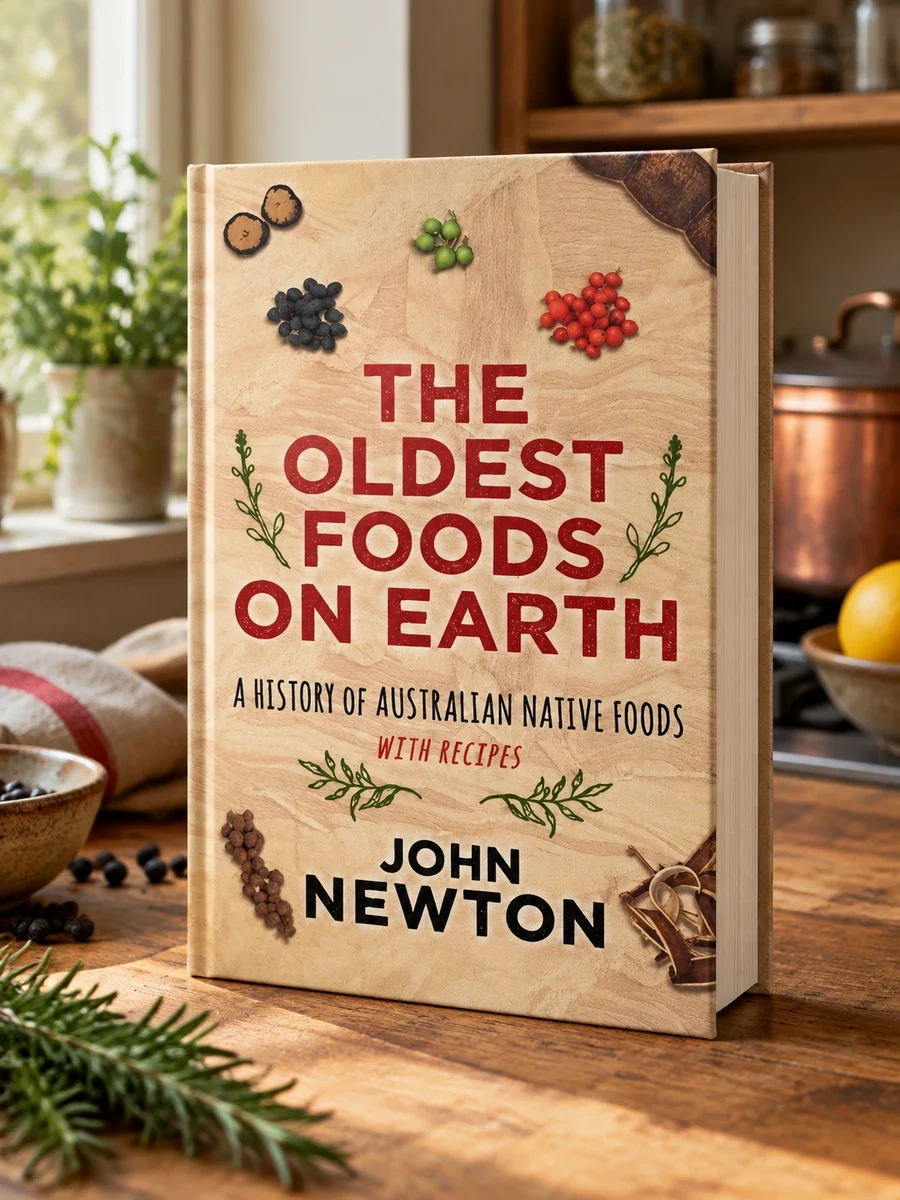
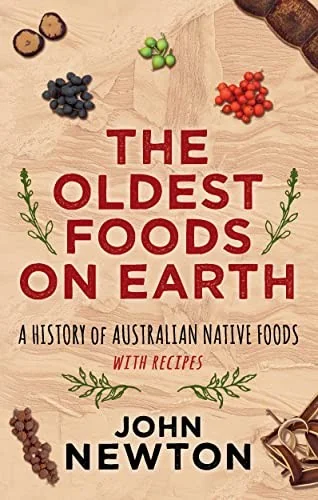
The Oldest Foods on Earth: A History of Australian Native Foods with Recipes
✍️ Newton, JohnA short book exploring Australian native foods and their cultural history
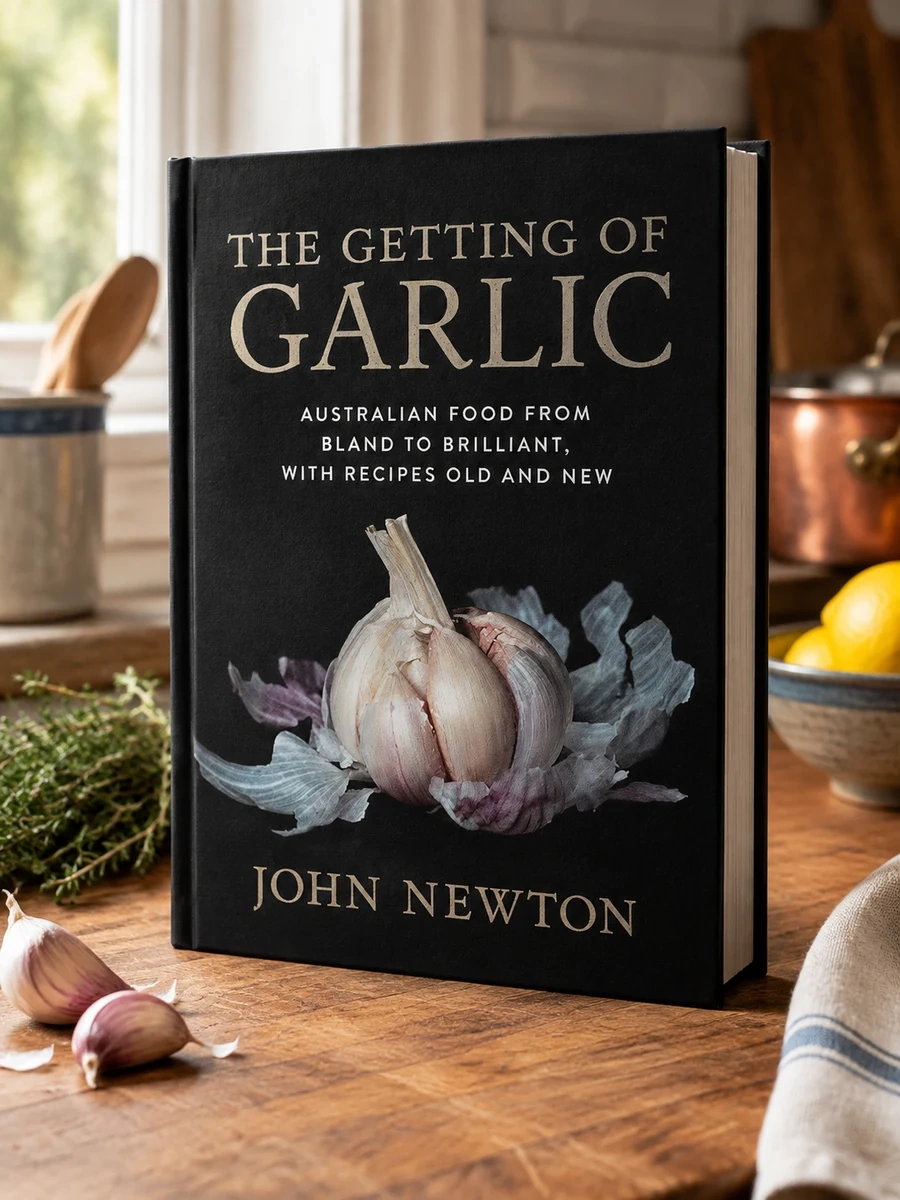
Newton critiques the modern preference for exotic superfoods over local ingredients. He points out that European Australians have largely ignored native edible plants for two hundred years. This neglect has created a disconnect between people and the land. The author proposes that eating these traditional foods can restore a sense of belonging. The text does not offer extensive recipes but rather argues for a shift in perspective regarding what is considered valuable food. It connects dietary choices to broader social reconciliation efforts.
The book was published in 2016 by NewSouth Books. It focuses on the fifty thousand years of Aboriginal food history prior to European settlement. The work addresses the specific context of Australian culinary identity and the gap left by colonial dietary habits.


📝 Description: The Oldest Foods on Earth: A History of Australian Native Foods with Recipes
💎 Expert review
📖 Why choose it
Why this book is worth reading
Readers interested in food history, Australian identity, and the sociology of diet will gain valuable perspective from this compact volume. John Newton bridges culinary history and social commentary, critiquing the preference for global superfoods over local ingredients. He examines how two hundred years of European neglect created a disconnect between people and the land, proposing that consuming traditional indigenous flora and fauna can restore a sense of belonging. The work connects everyday dietary choices to broader social reconciliation efforts, challenging readers to consider how diet shapes cultural identity and connection to place. It offers a vital critical reflection on pre-colonial foodways and what has been left out of the national food narrative.
⭐ Reader reviews
Reader rating
John Newton offers a thoughtful critique on Australian native foods and cultural history, placing indigenous ingredients at the center of national identity and ecological reconciliation. Organized around historical and ecological themes, the book excels as a social commentary on pre-colonial culinary heritage. This title will not suit home cooks seeking immediate step-by-step cooking instructions or readers looking for detailed nutritional guides. Instead, its strength lies in broad food-history reflection, making it ideal for those interested in the cultural implications of eating native plants.
❓ Frequently asked questions
📖 Who should read this
Readers interested in Australian cultural history and native ingredients will appreciate this concise guide. It suits home cooks seeking to understand local food heritage rather than those looking for complex culinary techniques or extensive recipe collections for immediate meal planning.