“Ideal for home cooks seeking authentic French foundations without restaurant pretension. The recipes demand patience and technique, not speed. If you prefer quick microwave meals or lack interest in mastering classic butter sauces and rustic regional preparations, this memoir-heavy text will likely feel too slow and traditional for your needs.
📝 Description: When French Women Cook: A Gastronomic Memoir with Over 250 Recipes
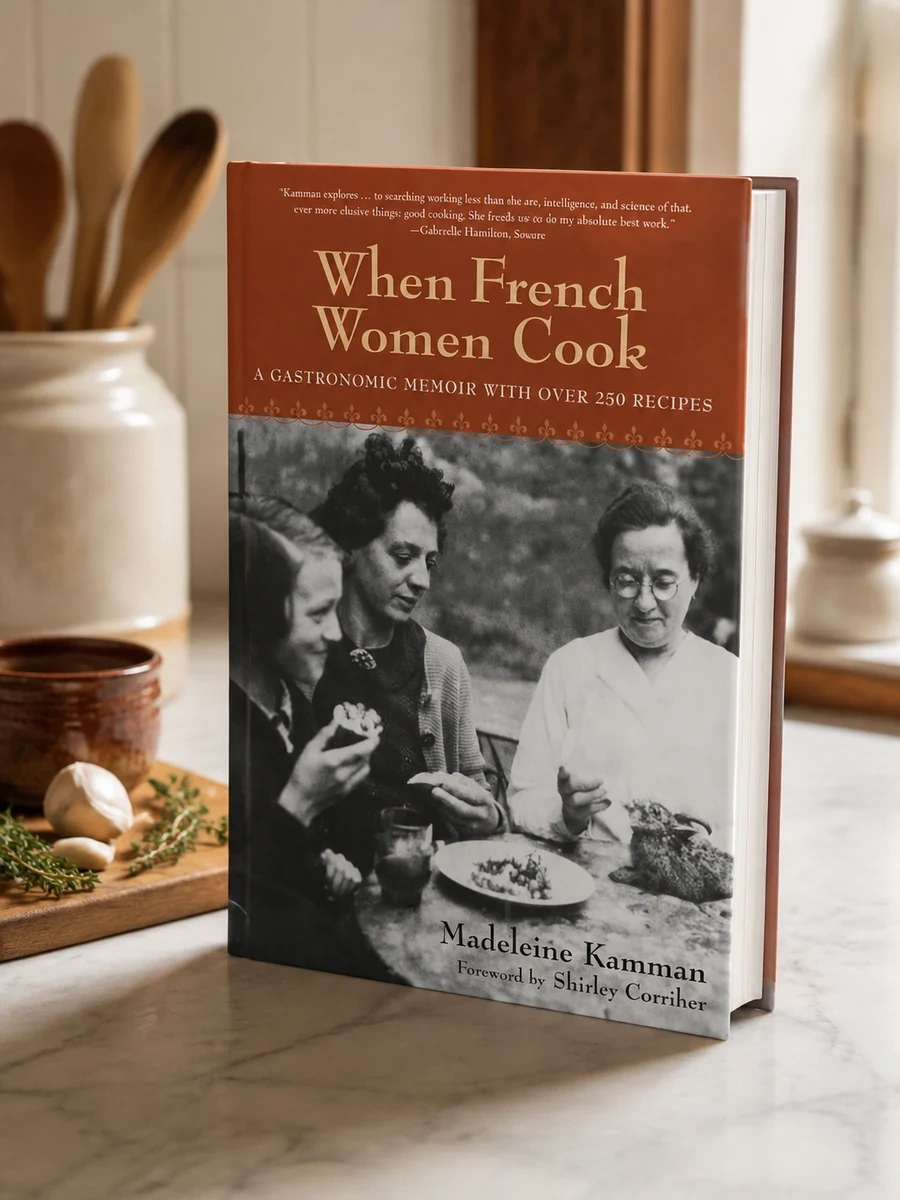
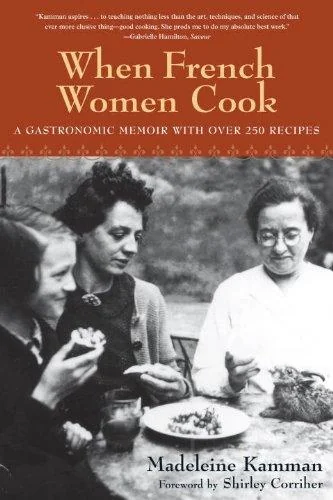
Part memoir, part cookbook, this classic of food literature is an immersion course in authentic, regional French home cooking from a world-renowned culinary authority. As a young woman, Madeleine Kamman developed her passion for food by working in the kitchens of France's most respected regional cooks. She dedicates one chapter to each of these remarkable women, who nourished her appetite for the tradition, rigor, and deeply personal nature of cooking. Her exuberant memoir--originally published over 30 years ago--tells of collecting mussels at the shore, churning butter from the milk of village cows, gathering mushrooms in nearby woods, and then transforming them into glorious meals under the tutelage of her beloved mentors. Over 250 recipes for the simple dishes Kamman learned at their sides accompany her evocative reminiscences of a bygone era in rural France. Now in paperback, this classic is required reading for anyone who wants to know more about la cuisine francaise and the life, times, and tastes of a woman who helped to shape American cooking.
💎 Expert review
“
🍳
Eatbook Family editorial team
Cookbook desk
Part memoir and part instruction manual, this classic delivers a rich immersion into French culinary traditions that feels both personal and authoritative. Madeleine Kamman’s exuberant storytelling vividly brings her mentors and their regional kitchens to life. It may not suit casual cooks looking for fast weeknight meals or streamlined contemporary recipes, as it demands an appreciation for tradition and narrative depth.
✓ EDITOR'S REVIEW
⭐ Reader reviews
The starting rating comes from the team Eatbook Family —
Ideal for home cooks seeking authentic French foundations without restaurant pretension. The recipes demand patience and technique, not speed. If you prefer quick microwave meals or lack interest in mastering classic butter sauces and rustic regional preparations, this memoir-heavy text will likely…
Reader rating
4.6
Based on 1 reviews
5
0
4
1
3
0
2
0
1
0
E
Eatbook Family editorial team
Part memoir and part instruction manual, this classic delivers a rich immersion into French culinary traditions that feels both personal and authoritative. Madeleine Kamman’s exuberant storytelling vividly brings her mentors and their regional kitchens to life. It may not suit casual cooks looking for fast weeknight meals or streamlined contemporary recipes, as it demands an appreciation for tradition and narrative depth.
❓ Frequently asked questions
No photographs are included. The text relies on evocative writing and over 250 written recipes to guide you, so you must trust your senses and the author’s detailed instructions rather than visual cues.
The ingredients reflect rural French pantry staples like fresh mussels and village butter, which may require specialty shops. Measurements follow traditional French standards; while convertible, they assume you are comfortable with weight and volume translations common in classic culinary texts.
📖 Who should read this
Ideal for home cooks seeking authentic French foundations without restaurant pretension. The recipes demand patience and technique, not speed. If you prefer quick microwave meals or lack interest in mastering classic butter sauces and rustic regional preparations, this memoir-heavy text will likely feel too slow and traditional for your needs.
📜 Historical context
This work immerses readers in the rural heart of France, capturing a vanishing era before industrialization standardized our pantries. Kamman’s narrative is rooted in the specific traditions of regional home cooking, where ingredients were sourced directly from the land—mussels from the shore, butter from village cows, and mushrooms from local woods. It reflects a time when cooking was an intimate, rigorous practice passed down through mentorship rather than modern convenience.


![Kitchen Simple: Essential Recipes for Everyday Cooking [A Cookbook]](/img/kitchen-simple-essential-recipes-for-everyday-cooking-a-cookbook-83188-scene.webp)


![Essential Ottolenghi [Special Edition, Two-Book Boxed Set]: Plenty More and Ottolenghi Simple](/img/essential-ottolenghi-special-edition-two-book-boxed-set-plenty-more-an-58337-scene.webp)
![College Cooking: Feed Yourself and Your Friends [A Cookbook]](/img/college-cooking-feed-yourself-and-your-friends-a-cookbook-88268-scene.webp)
![Mixt Salads: A Chef's Bold Creations [A Cookbook]](/img/mixt-salads-a-chef-s-bold-creations-a-cookbook-80576-scene.webp)
![In the Charcuterie: The Fatted Calf's Guide to Making Sausage, Salumi, Pates, Roasts, Confits, and Other Meaty Goods [A Cookbook]](/img/in-the-charcuterie-the-fatted-calf-s-guide-to-making-sausage-salumi-pa-43439-scene.webp)
![Tender: A Cook and His Vegetable Patch [A Cookbook]](/img/tender-a-cook-and-his-vegetable-patch-a-cookbook-40377-scene.webp)
![Donabe: Classic and Modern Japanese Clay Pot Cooking [A One-Pot Cookbook]](/img/donabe-classic-and-modern-japanese-clay-pot-cooking-a-one-pot-cookbook-46997-scene.webp)
![Secrets of a Jewish Baker: Recipes for 125 Breads from Around the World [A Baking Book] (Revised)](/img/secrets-of-a-jewish-baker-recipes-for-125-breads-from-around-the-world-88442-scene.webp)
![Asian Dumplings: Mastering Gyoza, Spring Rolls, Samosas, and More [A Cookbook]](/img/asian-dumplings-mastering-gyoza-spring-rolls-samosas-and-more-a-cookbo-89753-scene.webp)
![Japanese Soul Cooking: Ramen, Tonkatsu, Tempura, and More from the Streets and Kitchens of Tokyo and Beyond [A Cookbook]](/img/japanese-soul-cooking-ramen-tonkatsu-tempura-and-more-from-the-streets-43521-scene.webp)