If you're wondering where to start with Donna Hay, the answer depends less on how many cookbooks she's written and more on what you want to get out of one. Some readers want dependable dinners that don't consume an entire evening. Others are drawn to baking, want to become more confident with basic techniques, or simply love the look of beautifully presented seasonal food. Those are different reasons to open a cookbook, and they call for different starting points.
Hay's cooking has a distinctive appeal: an approachable, contemporary style that makes home cooking feel considered without necessarily making it complicated. But choosing an author by reputation alone can lead to a mismatch. A baker may be happier starting with a dedicated baking collection than with a book focused on everyday meals, while someone looking for a practical dinner rotation might get more use from a streamlined weeknight title.
For this guide, we've arranged six Donna Hay cookbooks into a practical progression rather than attempting a chronological bibliography. Start with the book closest to your immediate needs, then move into the areas where you want to develop. You don't need to own all six, and the best first purchase is the one you'll actually use.
The best Donna Hay cookbooks for everyday cooking
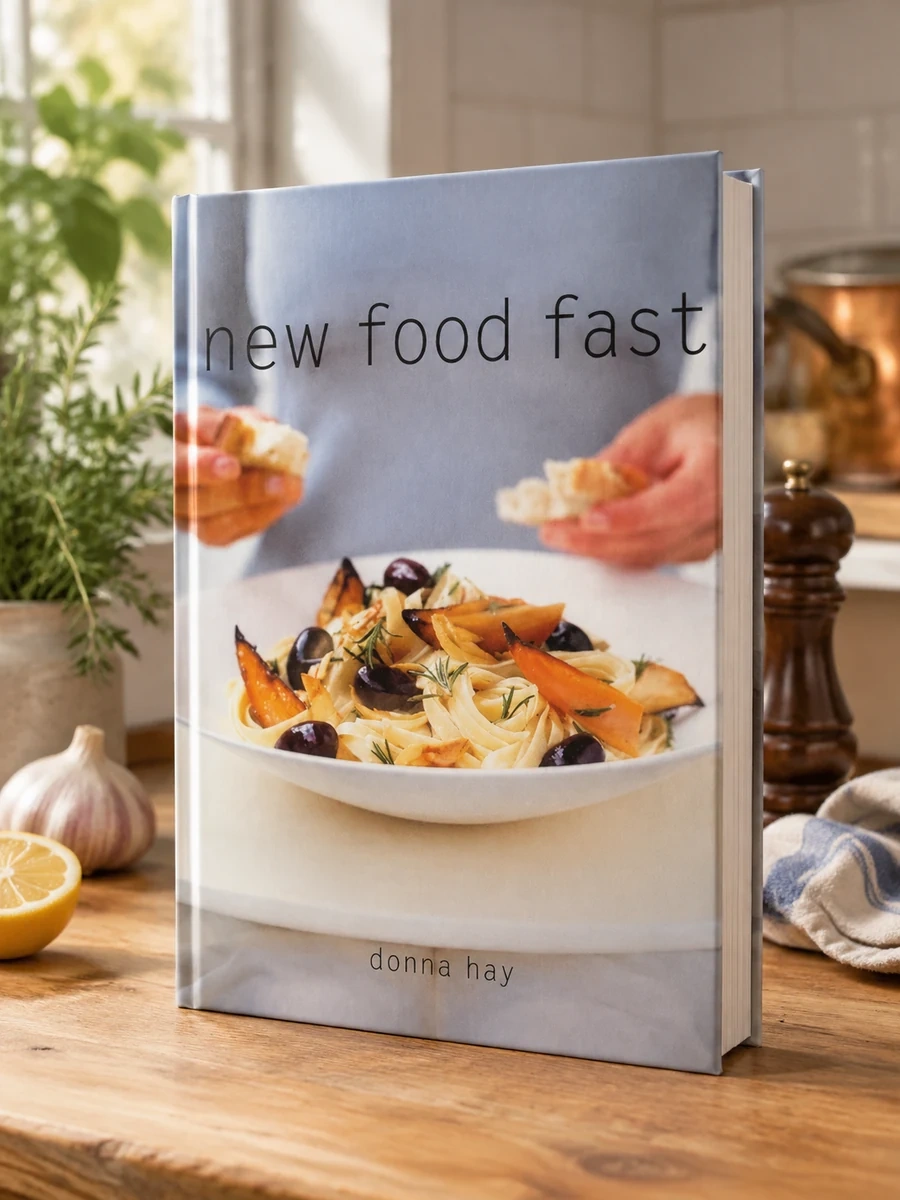
1. New Food Fast — Donna Hay
For most people, this is the strongest place to begin. The title makes its purpose clear: contemporary food with an emphasis on speed, making it a natural fit for cooks who want inspiration for ordinary weekdays rather than a collection reserved for special occasions. If your main question is how to make everyday cooking feel more interesting without turning dinner into a lengthy project, this is the most direct entry point in the selection.
It's also a useful way to get acquainted with Hay's approach before committing to more specialized books. Think of it as the everyday starting point: the book to reach for when you want to build a more varied home-cooking routine. Choose this edition if convenience and a broad introduction to her style matter more than focusing on a single cooking method.
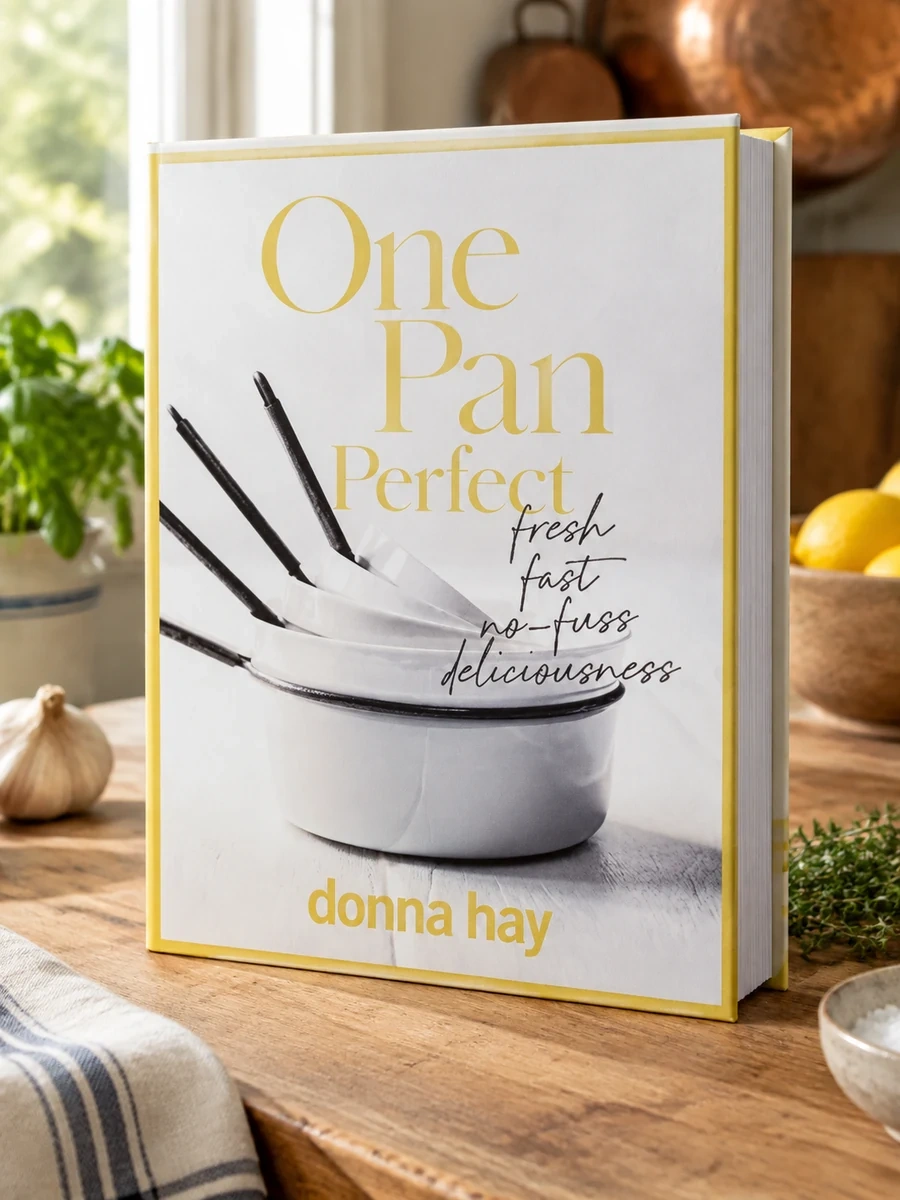
2. One Pan Perfect — Donna Hay
If you like the idea of cooking but dislike the pile of dishes that follows, make this your first choice instead. One Pan Perfect has a particularly practical premise, centering the cooking experience on one-pan preparation. That focus makes it appealing to busy households, smaller kitchens, and anyone who prefers a more contained approach to preparing a meal.
There is a meaningful difference between a general quick-cooking cookbook and one organized around a particular method. New Food Fast is the broader everyday introduction; One Pan Perfect gives you a more specific framework for approaching meals. It is the better opening purchase if minimizing equipment and cleanup is a priority. Readers who already own a general collection of dinner recipes may also find its narrower focus a useful addition rather than a repetition.
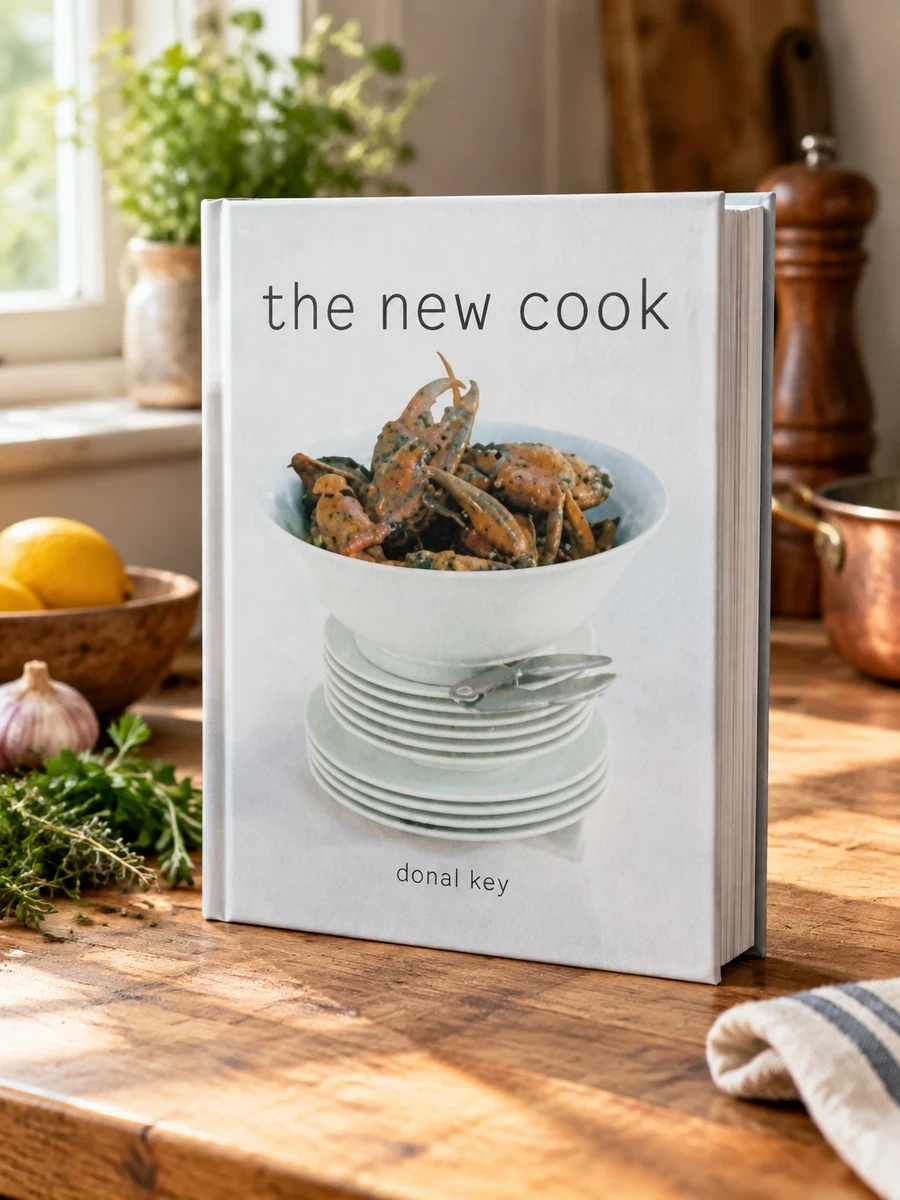
3. The New Cook — Donna Hay
Once you've established what you want from everyday recipes, The New Cook offers another route into Hay's cooking. It belongs in the middle of this pathway because it provides a general cookbook option for someone who wants to explore beyond a narrowly defined weeknight or one-pan approach. Its appeal is the opportunity to broaden your everyday cooking interests without immediately moving into a specialized subject such as baking.
This is a sensible choice for readers who want another broad entry into contemporary home cooking, particularly if they are building a small collection rather than buying every title from one author. We would put it behind New Food Fast for someone whose immediate priority is speed, and behind One Pan Perfect for someone specifically interested in one-pan meals. For everyone else, it is a reasonable next step into Hay's wider cookbook range.
For cooks who want stronger foundations and baking skills
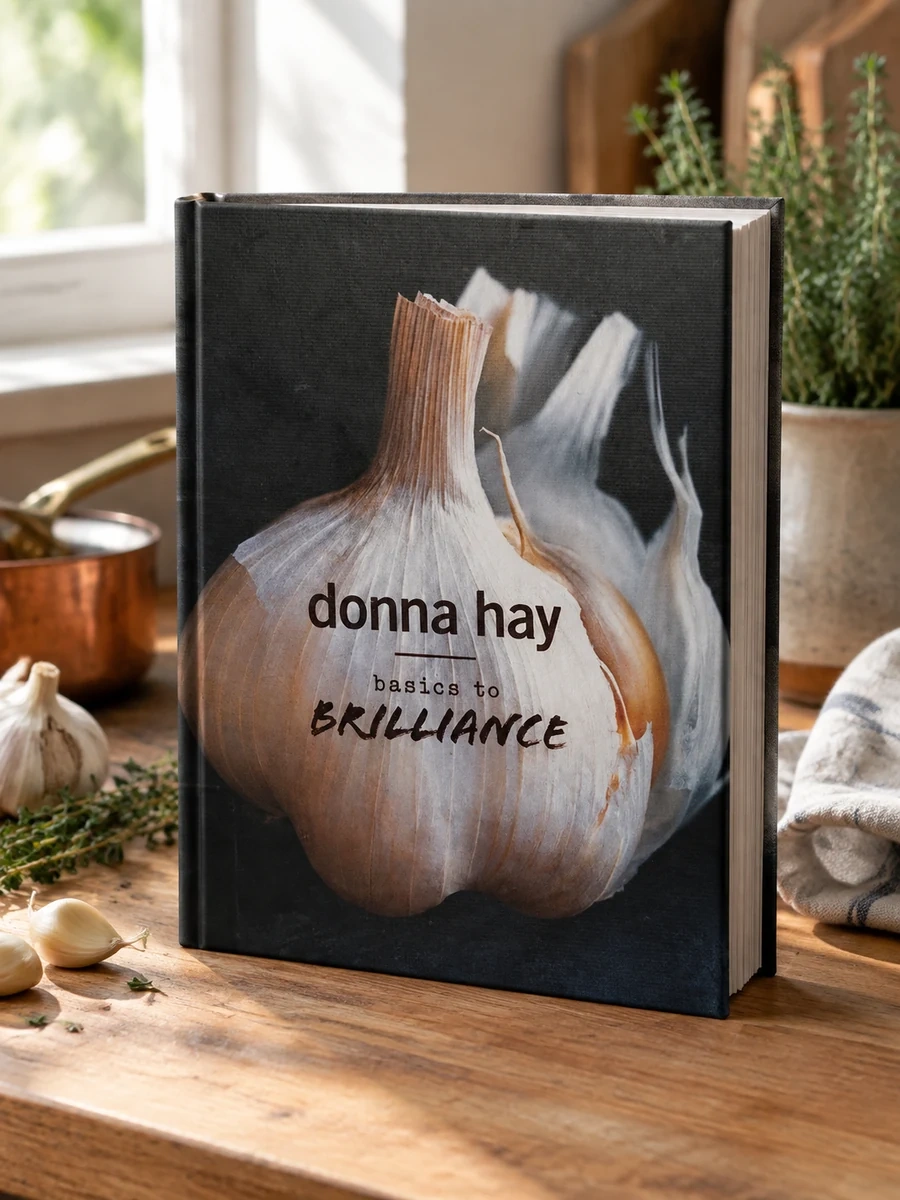
4. Basics to Brilliance — Donna Hay
Not every cookbook needs to provide another batch of recipes to add to your weekly rotation. Sometimes the more valuable purchase is a book that helps you understand what you're doing in the kitchen and become more confident with foundational techniques. Basics to Brilliance is particularly well suited to that purpose, making it one of the most useful choices for home cooks who want to develop their skills rather than simply collect new meal ideas.
Its defining appeal is the emphasis on core methods and cooking confidence. That makes it a good companion to a more immediately practical book such as New Food Fast. Instead of treating every recipe as an isolated set of instructions, you can approach your cooking with a stronger sense of the techniques involved. If you're relatively inexperienced, or if you have been cooking for years but still feel uncertain about the fundamentals, this is arguably the most worthwhile developmental step in the selection.
We would also recommend it to readers who want a cookbook with lasting reference value. A quick-dinner collection can be useful when you're deciding what to eat tonight; a foundations-oriented book has a different role, helping you build the confidence to approach a wider range of recipes. It is the strongest choice here for anyone who wants to improve as a cook rather than simply expand their recipe shelf.
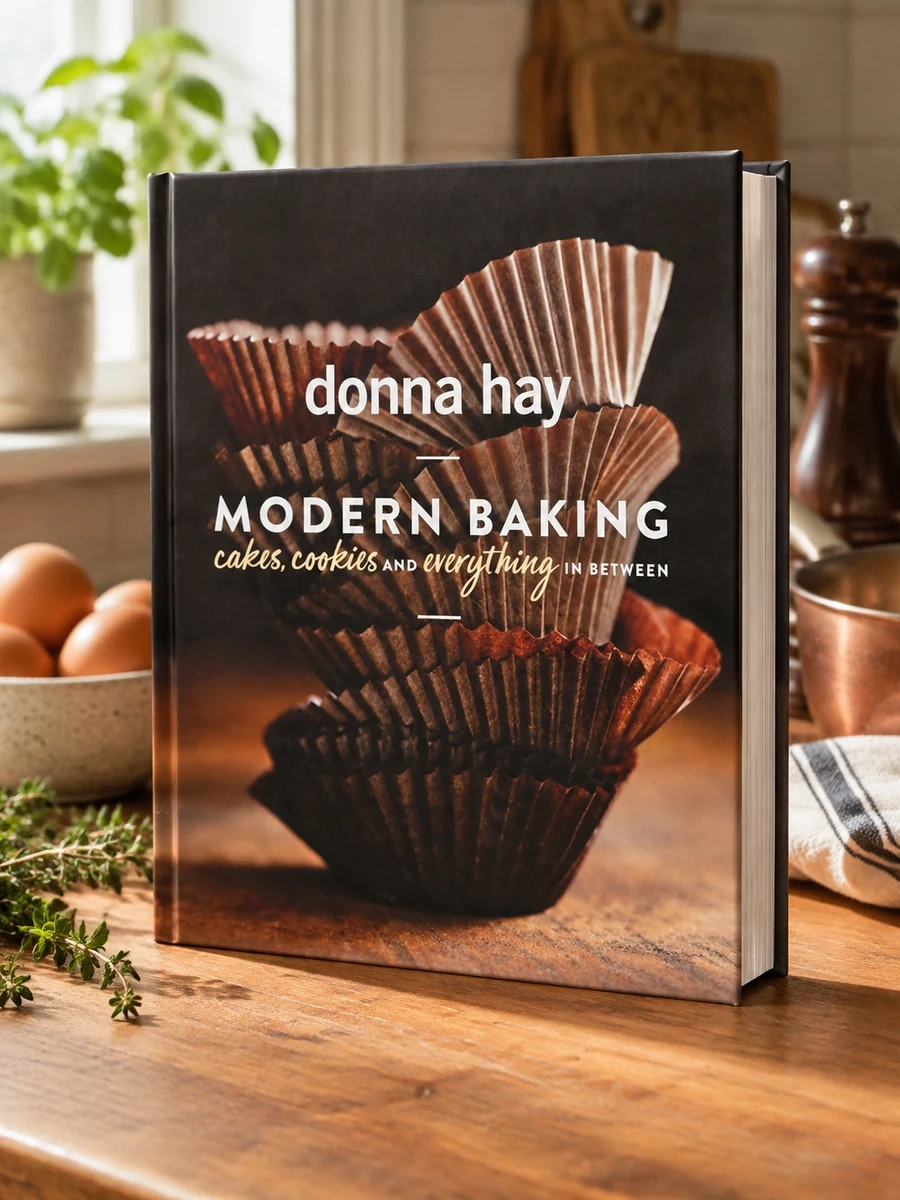
5. Modern Baking — Donna Hay
If baking is the reason you're interested in Donna Hay, skip the general cooking titles and start here. Modern Baking is the dedicated baking choice in this group, giving it a clear role that none of the other books can replace. It is the natural recommendation for readers whose interests center on cakes, baked treats, and developing a baking-focused cookbook collection.
There is a good reason to separate baking from everyday savory cooking when choosing your first book. Baking has its own demands, and someone looking for inspiration at the mixing bowl is unlikely to get the same satisfaction from a general dinner cookbook. Modern Baking makes more sense as a first purchase for an enthusiastic baker than any of the everyday cooking options above.
It is also the most obvious choice if you enjoy the visual side of cookbooks. Baking lends itself to an inviting presentation, and a dedicated collection gives you a more coherent subject to explore. If you are building a shelf around different aspects of Hay's work, this is the title to add after establishing whether your primary interest is everyday cooking or baking. You don't need Basics to Brilliance first to enjoy it, either; the two books serve different purposes.
For a lighter approach to everyday meals
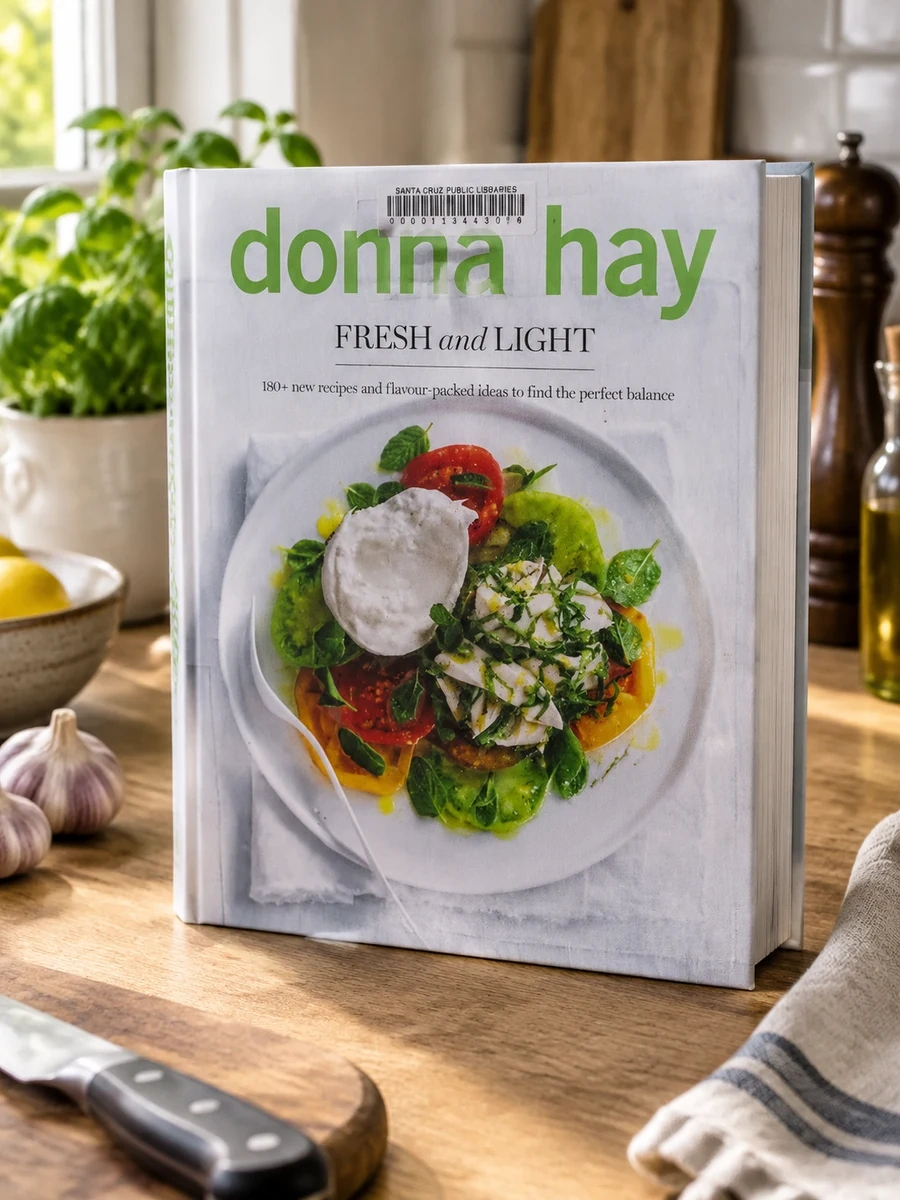
6. Fresh and Light — Donna Hay
Fresh and Light rounds out the collection for readers who want their cooking interests to lean toward lighter meals. Its position at the end of this suggested order doesn't mean it is less useful. Rather, it is a more specific direction for readers who already know that lighter cooking is the area they want to explore.
Unlike a broad introductory cookbook, this title gives you a clearer reason to choose it: an interest in fresh, lighter food. That makes it particularly appropriate for someone who wants to organize their cookbook shelf around a particular style of eating, or who has already found their everyday cooking foundations and wants a different source of inspiration.
It is worth being realistic about what you want from this purchase. If you're looking for a general introduction to Hay, New Food Fast is a more flexible first choice. If your main priority is building confidence in the kitchen, Basics to Brilliance is more directly suited to that aim. But if lighter meals are already central to your cooking preferences, there is no reason to wait until you've read the other books. Start with Fresh and Light and let your interests determine what comes next.
Which Donna Hay cookbook should you choose first?
The six-book order above is a useful progression, but it isn't a requirement to purchase or read every title. In fact, choosing one book according to your cooking habits is a better way to begin. Here's how we'd narrow the decision:
- For the best general starting point: Choose New Food Fast. It is the clearest introduction for someone interested in practical, contemporary everyday cooking.
- For busy weeknight cooking and less cleanup: Choose One Pan Perfect. Its focused approach makes it especially appealing when simplicity is a priority.
- For a broader everyday cookbook: Choose The New Cook. It is a sensible alternative if you want a general cooking title rather than a book built around one particular method.
- For improving your kitchen skills: Choose Basics to Brilliance. This is the strongest option when learning foundational techniques is more important than adding another collection of recipes.
- For dedicated baking inspiration: Choose Modern Baking. It is the obvious starting point for someone whose primary interest is baking.
- For lighter everyday food: Choose Fresh and Light. Its focused subject makes it a better match for readers who already know what kind of cooking they want.
There is one additional consideration for anyone drawn to Hay's beautifully presented food and the visual appeal of seasonal cooking. A cookbook can be enjoyable as an object of inspiration as well as a practical kitchen reference. However, this particular selection is strongest when it comes to everyday meals, techniques, baking, and lighter food. It does not provide a clearly defined, dedicated entertaining or seasonal-cooking pathway, so we would not recommend choosing one of these titles solely on the assumption that it is a comprehensive guide to hosting or cooking through the seasons.
For a first purchase, our recommendation remains New Food Fast if you want versatility, One Pan Perfect if you want practical simplicity, and Modern Baking if you are primarily interested in baking. If you already cook regularly, Basics to Brilliance may offer more lasting value by helping you strengthen the foundations behind the recipes you already enjoy. The right Donna Hay cookbook isn't necessarily the one with the broadest appeal; it is the one that fits the way you want to spend time in your kitchen.