For many home cooks, the question is not whether to cook from Julia Child, but where to begin. Her books span foundational French cooking instruction, practical kitchen advice, baking methods, collaborations, and works that explore her influence on food culture.
The challenge is that Julia Child’s bibliography does not follow a simple beginner-to-advanced structure. Some books work best as complete cooking references, while others become more meaningful after you understand her approach. The right starting point depends on what you want from her work: learning classic methods, building confidence, improving specific skills, or understanding the person behind the recipes.
This reading order treats Julia Child’s books as a long-term cooking education. Begin with the foundation, add focused guides as your interests develop, and return to the larger works whenever you want to strengthen your understanding of French cuisine.
The foundation: start with Julia Child’s approach to French cooking
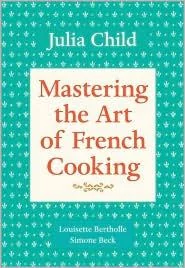
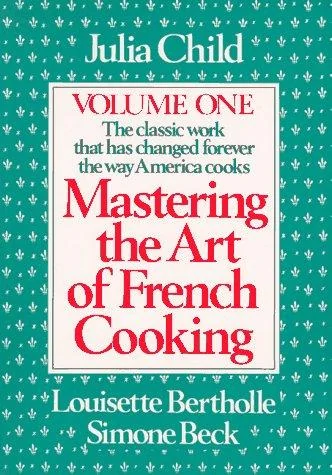
1. Mastering the Art of French Cooking, Volume 1: A Cookbook (Updated) — Child, Julia
This is the strongest first step for most cooks discovering Julia Child. Volume 1 introduces the principles that shaped her teaching style, with an emphasis on careful preparation, classic methods, and understanding how techniques affect the final result.
Rather than presenting cooking as a collection of disconnected recipes, the book encourages cooks to learn the processes behind dishes. It is suited to people who want a lasting reference that explains the thinking behind French cooking traditions.
Starting here gives readers a clear sense of Julia Child’s priorities: patience, precision, and confidence gained through practice. It is the foundation that makes her later works easier to appreciate.
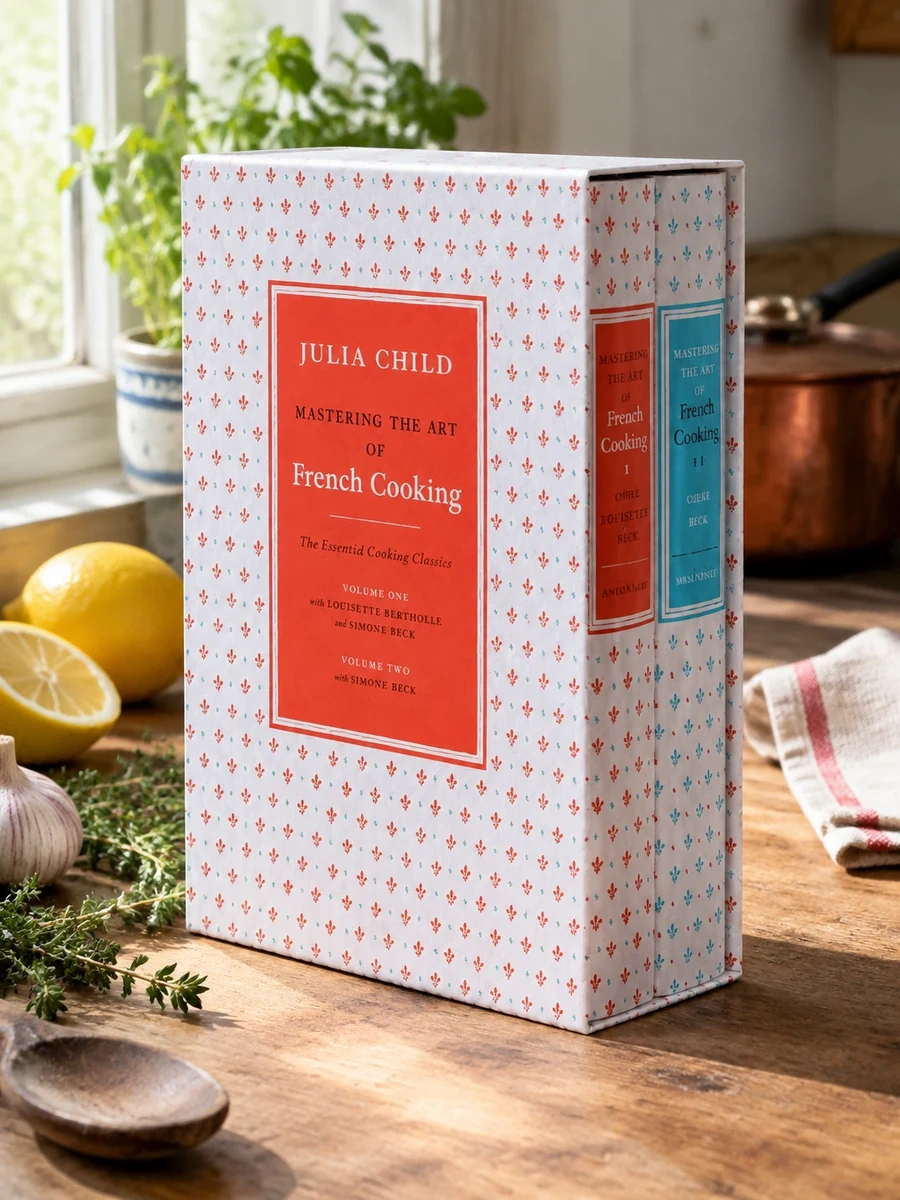
2. Mastering the Art of French Cooking Volumes 1 & 2. — Child, Julia
This combined edition is a natural choice for cooks who want the complete central work of Julia Child’s cookbook collection. Having both volumes together creates a broad reference for continued learning after the first recipes become familiar.
This option works well for dedicated home cooks who want to build a permanent cookbook shelf. It provides more room to explore the range of classic French cooking methods covered across the two volumes.
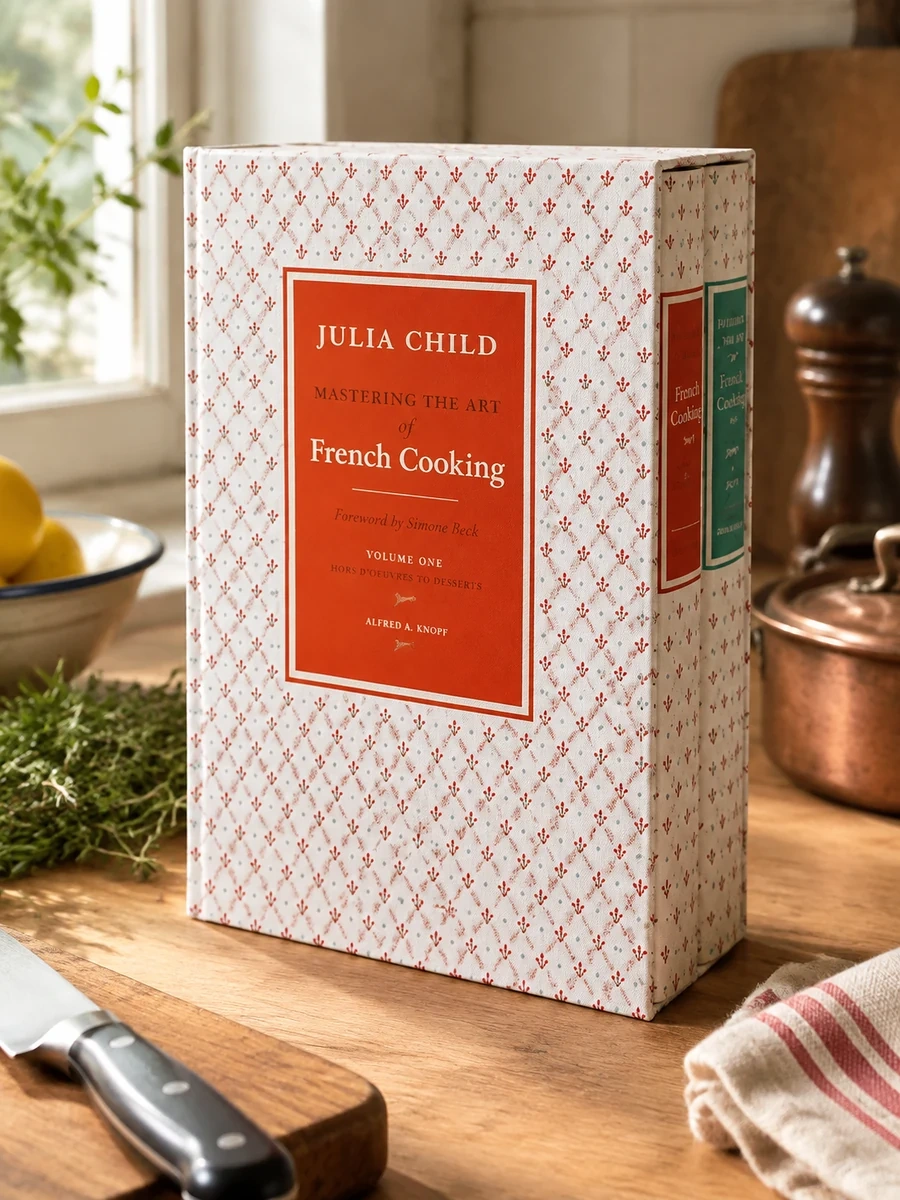
3. Mastering the Art of French Cooking (2 Volume Box Set): A Cookbook — Child, Julia
The two-volume box set offers another way to own the complete Mastering the Art of French Cooking collection. It belongs near the beginning of a Julia Child reading order because these books represent the core of her culinary teaching.
For someone starting a serious collection of classic cookbooks, this set provides a complete base. It is less about quick inspiration and more about developing a deeper relationship with ingredients, preparation, and technique.
Build practical skills and expand your kitchen confidence
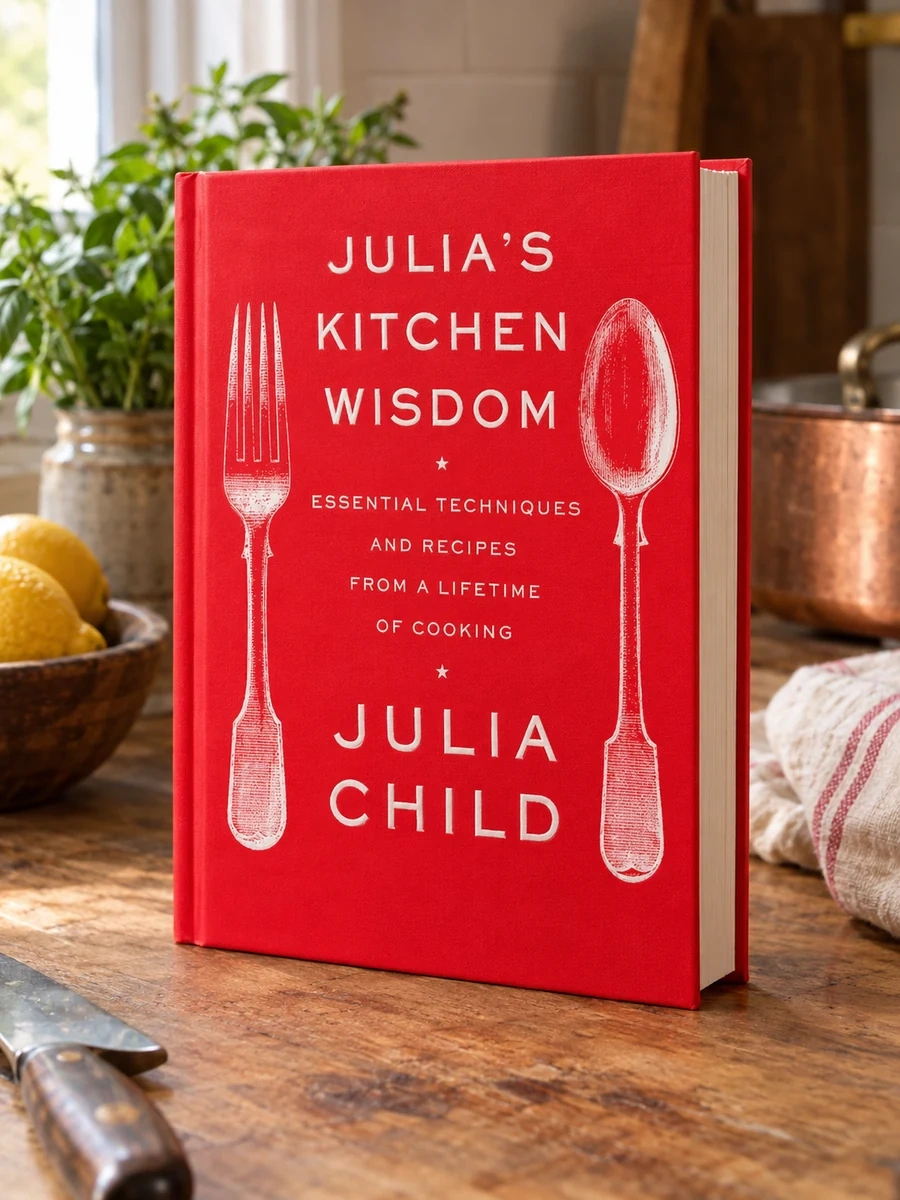
4. Julia's Kitchen Wisdom: Essential Techniques and Recipes from a Lifetime of Cooking: A Cookbook — Child, Julia
After exploring the larger Mastering the Art of French Cooking books, this shorter guide offers a more compact way to revisit Julia Child’s knowledge. It collects essential techniques and recipes from her years of cooking and teaching.
This book fits cooks who want a practical reference they can return to regularly. Its shorter format makes it approachable while still reflecting the methods and confidence that define Julia Child’s work.
It is a useful companion to the larger volumes because it focuses on the skills that help home cooks make better decisions in the kitchen.
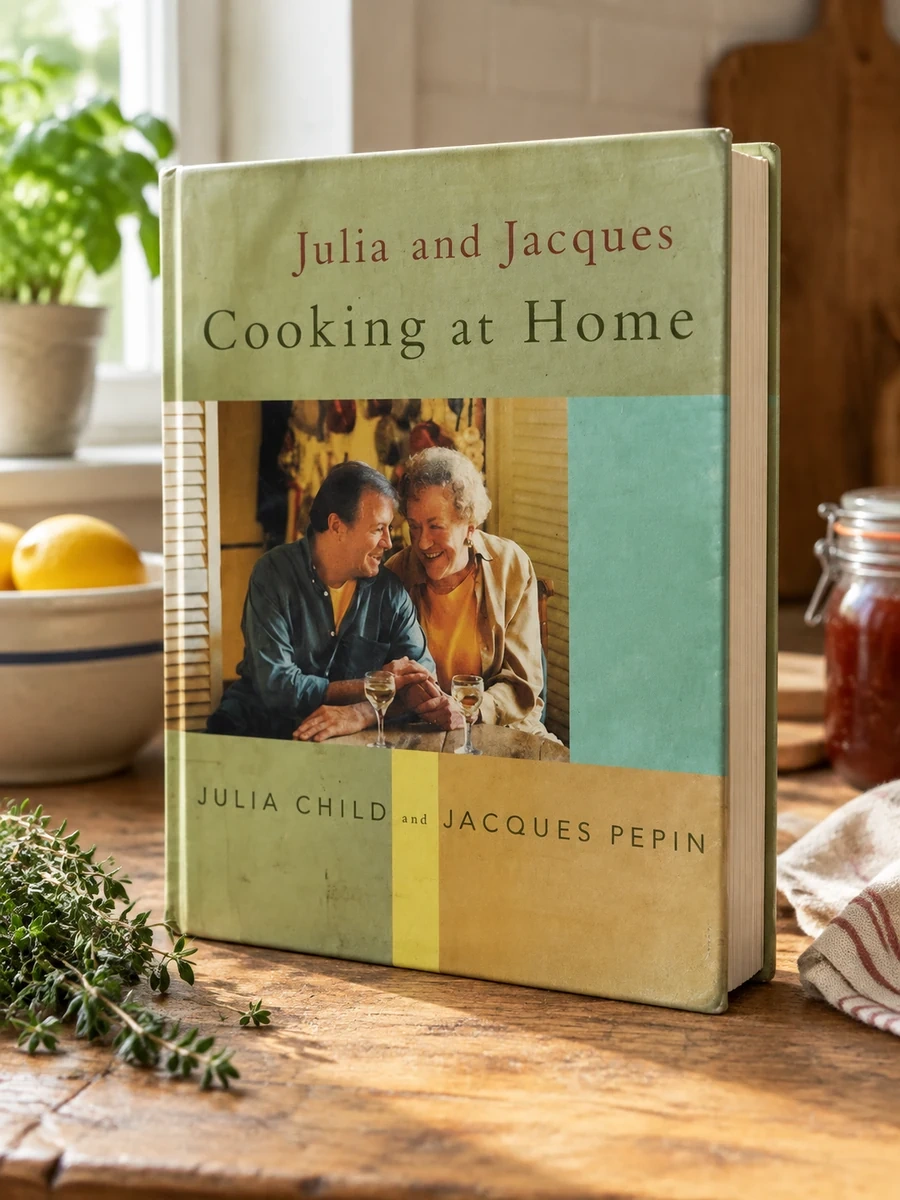
5. Julia and Jacques Cooking at Home — Child, Julia
This book provides a different view of Julia Child’s teaching style by showing cooking as a process of discussion, comparison, and hands-on learning. It is a good next choice for cooks who enjoy seeing how experienced chefs approach decisions.
The focus on cooking at home makes it a helpful bridge between formal instruction and everyday meals. It encourages readers to think about methods rather than simply copying finished dishes.
For those who have started with the foundational books, this adds another perspective on how Julia Child communicated culinary ideas.
6. Mastering the Art of French Cooking, Volume 2: A Cookbook (Updated) — Child, Julia
Volume 2 is best approached after spending time with the first volume. It continues the Mastering the Art of French Cooking collection and gives cooks more opportunity to explore Julia Child’s broader approach.
This book is especially suitable for readers who have enjoyed the structure of Volume 1 and want to continue building their skills. It works as a continuation of the same cooking philosophy rather than a separate introduction.
Focus on specialized skills and Julia Child’s wider influence
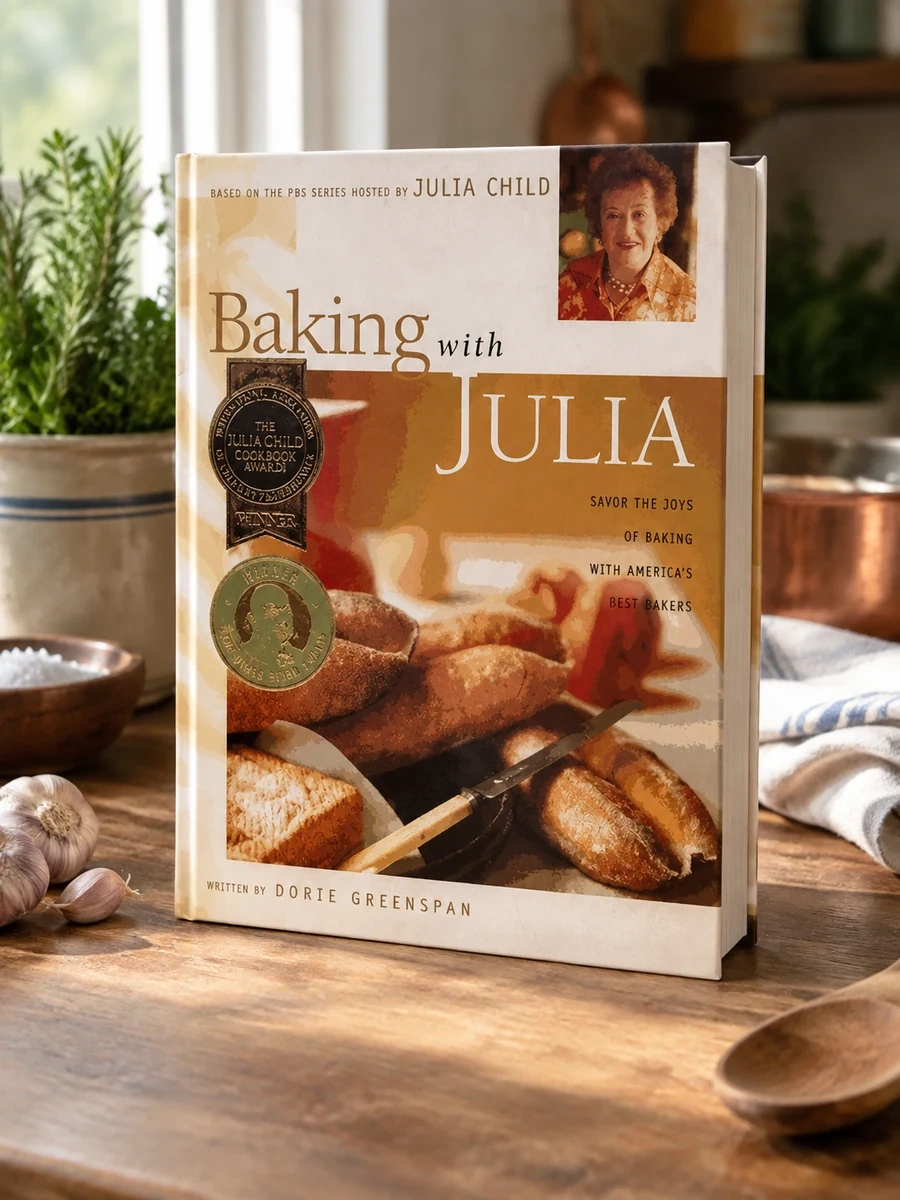
7. Baking with Julia: Sift, Knead, Flute, Flour, and Savor... — Child, Julia
Once a cook has experience with general techniques, Baking with Julia offers a focused look at baking. It is designed for home bakers who want detailed instruction and stronger control over foundational baking skills.
Baking requires a different kind of attention from many other cooking styles, and this book suits people who prefer clear methods and structured guidance. It belongs later in the reading order because the patience developed through earlier books supports better results.
For readers whose main interest is bread, pastries, and baking techniques, this may become one of the most frequently used books in the collection.
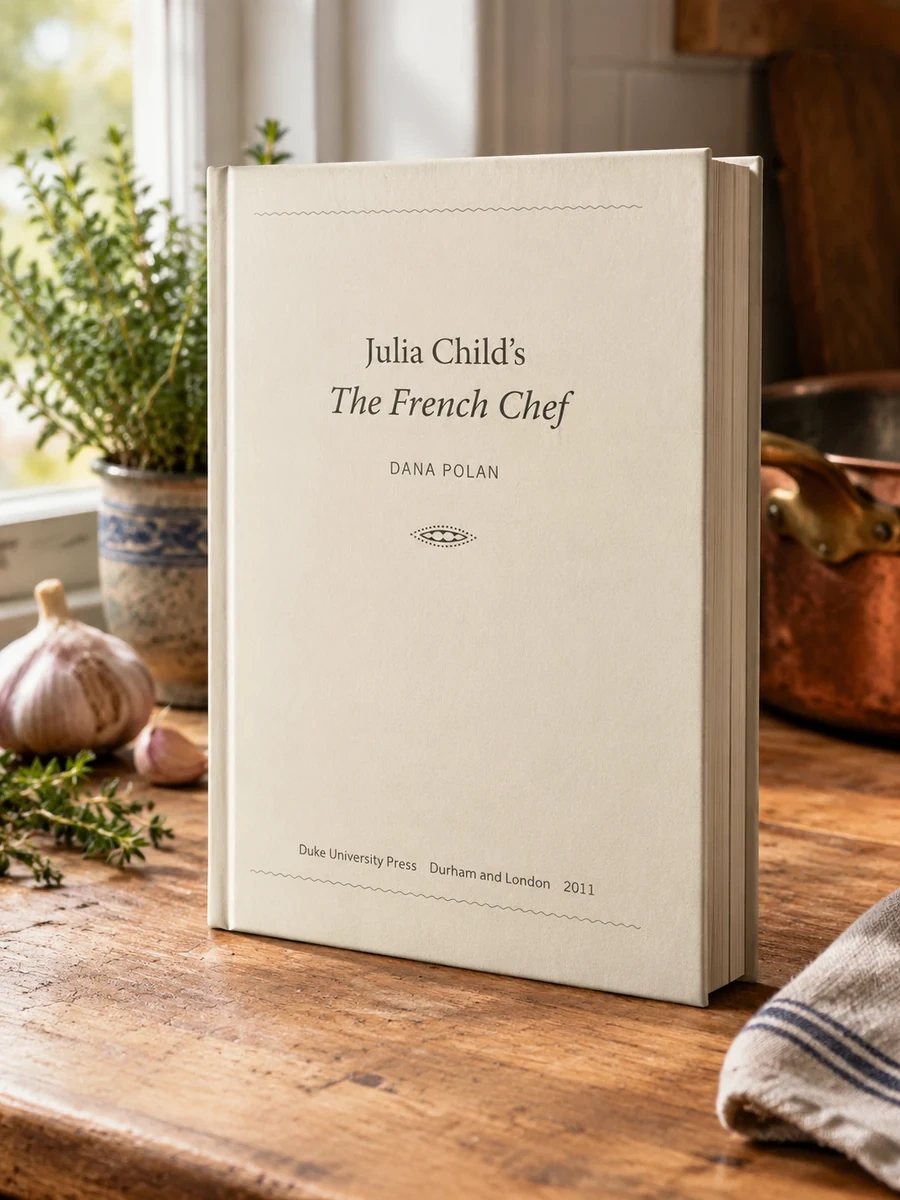
8. Julia Child's The French Chef — Polan, Dana
This book approaches Julia Child from the perspective of her television work and the role of The French Chef in food education. It adds historical context for readers who want to understand how her teaching reached audiences beyond the printed page.
It works best after reading at least one of her major cookbooks. The combination of her recipes and this broader view of her public work creates a fuller picture of her impact on cooking culture.
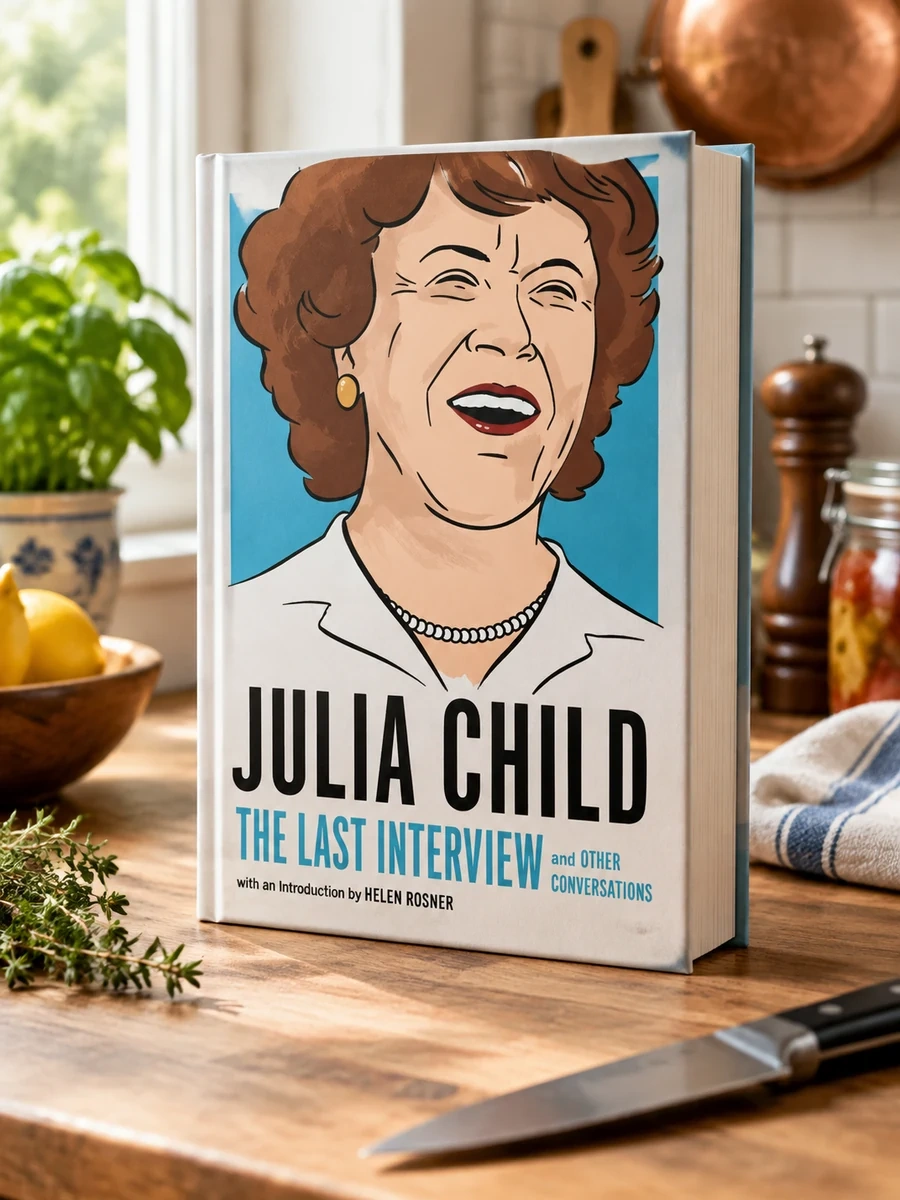
9. Julia Child: The Last Interview: And Other Conversations — Child, Julia
This collection is a fitting later read for anyone interested in Julia Child’s voice, ideas, and reflections. Instead of focusing only on recipes, it gives attention to conversations and perspectives connected to her life in food.
Readers who enjoy culinary history and the personalities behind important cookbooks will find this a meaningful addition after exploring her main cooking works. It provides another way to appreciate the person behind the techniques.
How to choose your first Julia Child book
If you are buying only one Julia Child cookbook, begin with Mastering the Art of French Cooking, Volume 1: A Cookbook (Updated). It gives the clearest introduction to her teaching style and provides the base for understanding her later books.
If you want a complete long-term reference, consider Mastering the Art of French Cooking (2 Volume Box Set): A Cookbook or Mastering the Art of French Cooking Volumes 1 & 2. Cooks interested in a shorter skills guide can choose Julia's Kitchen Wisdom: Essential Techniques and Recipes from a Lifetime of Cooking: A Cookbook, while dedicated bakers may prefer Baking with Julia: Sift, Knead, Flute, Flour, and Savor....
The best way to read Julia Child is to let the books become working companions. You do not need to complete every recipe in sequence. A single technique learned from her pages can influence how you approach cooking for years.