Ken Albala is an unusually rewarding author to approach through a reading list because his books serve several different appetites. Some are about familiar ingredients and the stories behind them. Others examine how people cooked, ate, and thought about food in earlier centuries. A few are much closer to specialist historical research than to the cookbooks most people keep beside the stove.
That range is precisely why choosing a first book can be difficult. Someone looking for interesting food stories might not want to begin with an academic examination of Renaissance dietary advice, while a reader hoping to recreate historical dishes will probably want something more hands-on than a broad meditation on food traditions. The best starting point depends on what you want from Albala's writing.
For this guide, we've arranged six books in a progression from accessible food writing to more focused culinary history and scholarly reading. The order is a recommended introduction, not a publication chronology or a claim that every reader must work through all six. You can also jump directly to the section that matches your interests.
Start with approachable food writing and ingredient history
These first two books are the easiest ways to understand Albala's approach. They begin with subjects that are familiar to most cooks and use them to open up larger questions about agriculture, culture, tradition, and everyday eating.
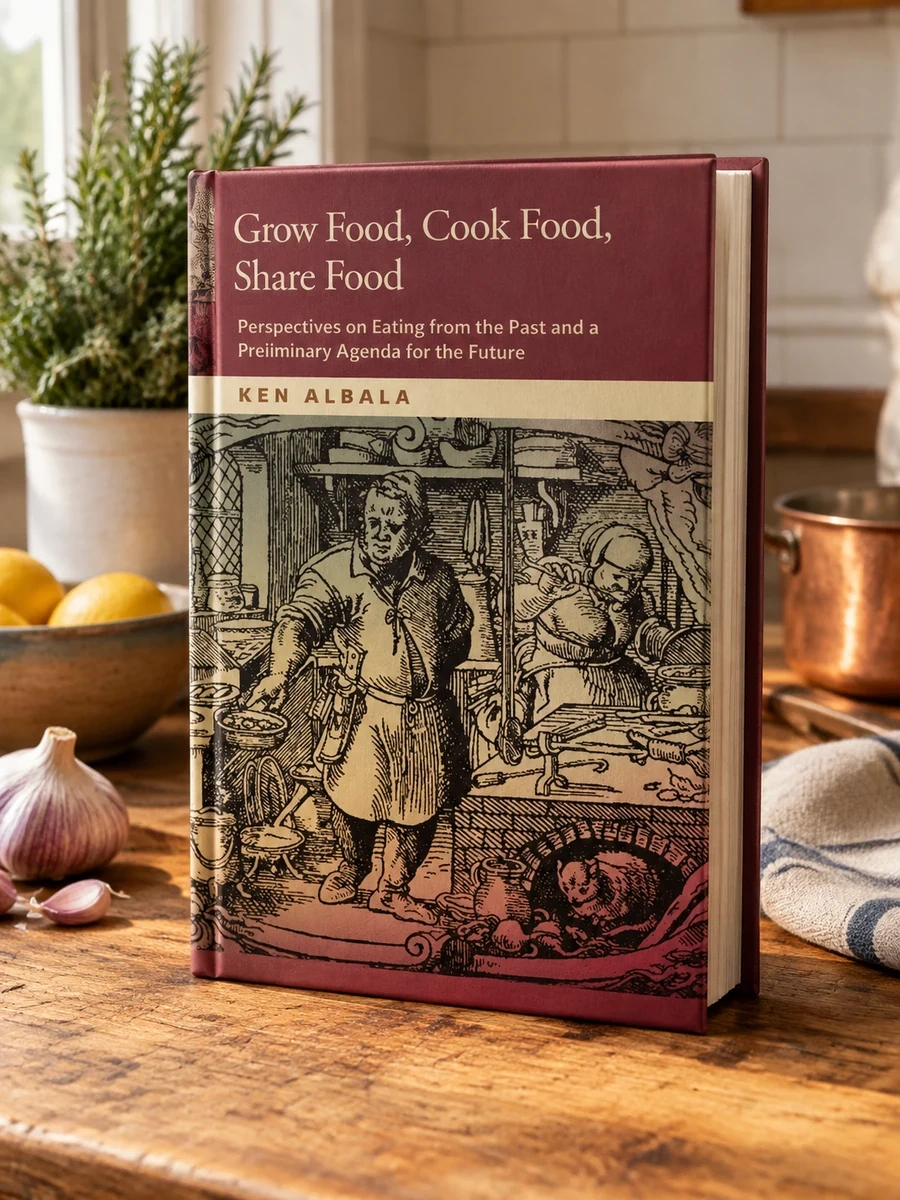
1. Grow Food, Cook Food, Share Food: Perspectives on Eating from the Past and a Preliminary Agenda for the Future — Ken Albala
Best for: Readers who want an accessible introduction to Albala's food philosophy and the relationship between historical traditions and contemporary cooking.
This is our recommended first purchase if you want to understand what makes Albala interesting beyond his academic credentials. Rather than concentrating on one ingredient or historical period, the book brings together food history, personal reflection, and a practical interest in growing, preparing, and sharing food. Its central concern is what earlier food traditions can teach us about the way we eat now.
The three-part idea in the title gives the book its organizing spirit. Growing, cooking, and sharing are treated as connected activities rather than isolated steps in a commercial food system. Albala draws lessons from historical examples, including early modern Italian food traditions and older approaches to food production and preparation.
That combination makes this a particularly welcoming introduction. It is food writing with historical substance, but it does not require readers to arrive with specialist knowledge of European history. It also makes a useful choice for people who are more interested in the meaning of cooking and eating than in collecting recipes. If you want one book that explains the broader outlook behind Albala's work, begin here.
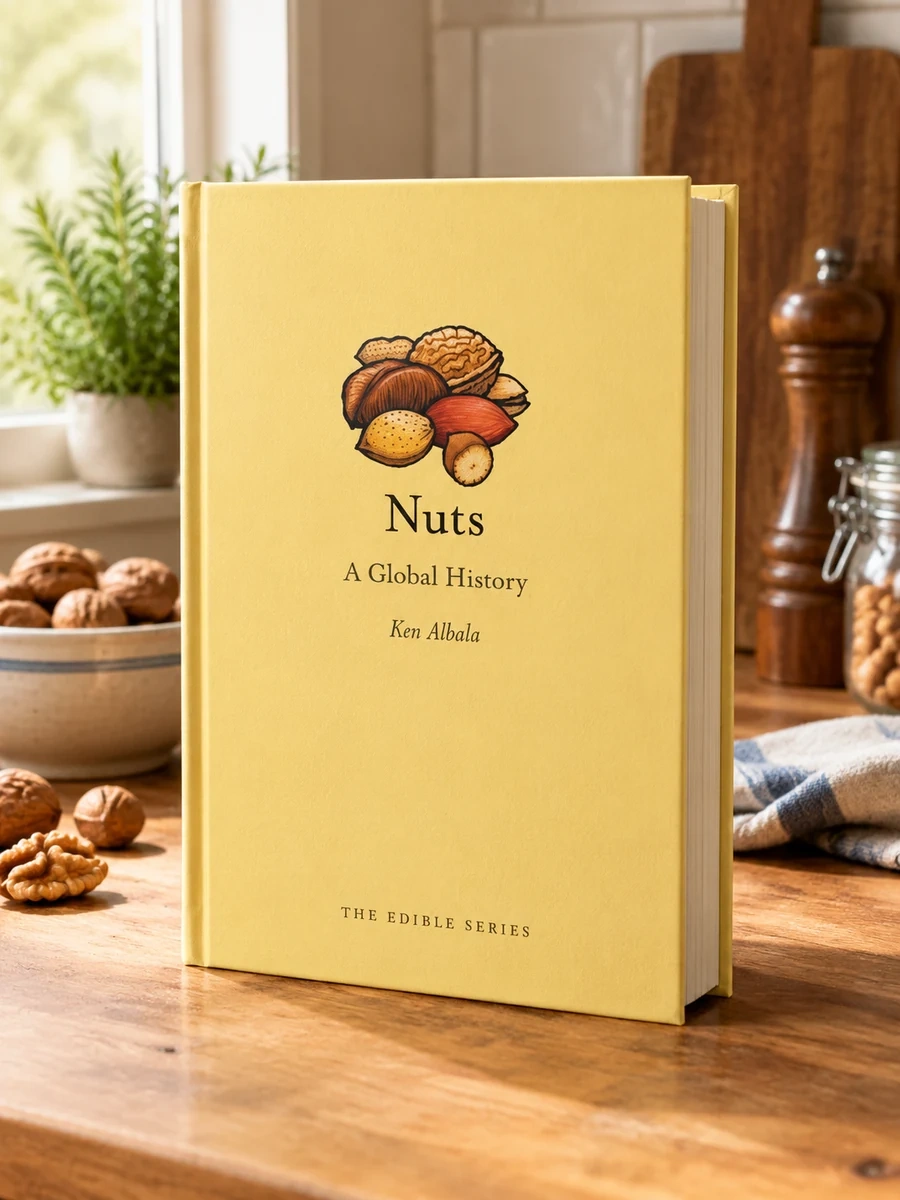
2. Nuts: A Global History — Ken Albala
Best for: Curious home cooks, ingredient enthusiasts, and readers who enjoy discovering the cultural stories behind everyday foods.
After the broad perspective of Grow Food, Cook Food, Share Food, Nuts offers a more focused and entertaining way into food history. Its subject is wonderfully familiar: almonds, pecans, pistachios, cashews, hazelnuts, and other nuts that appear in kitchens around the world. Albala uses this apparently simple ingredient category to explore cultivation, harvesting, processing, cooking, and consumption.
The appeal is the change of scale. A handful of nuts can lead to questions about botanical classification, agricultural history, trade, industrial food production, and cultural preferences. The book also considers how nuts move between different culinary roles, from ordinary cooking ingredients to sweets, snacks, and manufactured foods.
Unlike a conventional recipe collection, this is primarily an ingredient history, although recipes are included. That makes it a particularly good choice for readers who enjoy understanding why an ingredient became important and how its uses changed over time. Its compact format and recognizable subject also make it a less demanding first encounter with Albala than his longer historical studies.
Move into food history through individual ingredients and dining culture
Once you've experienced Albala's approach to connecting food with society, two more focused books make excellent next steps. One examines the history of a staple ingredient across cultures; the other moves into the elaborate dining traditions of Renaissance European courts.
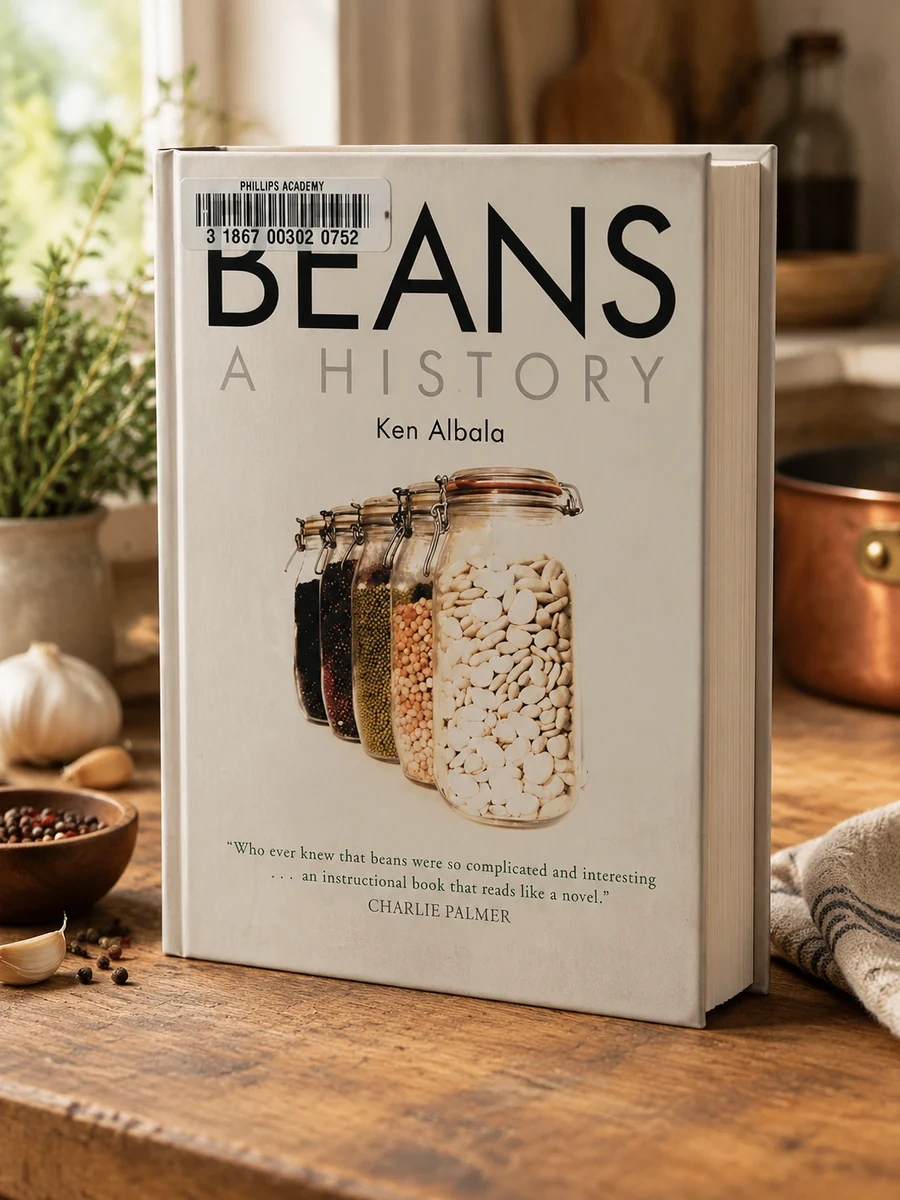
3. Beans: A History — Ken Albala
Best for: Food-history enthusiasts interested in agriculture, cultural anthropology, traditional diets, and the social significance of everyday ingredients.
Beans might seem like an unlikely subject for an extended historical study, but that is exactly what makes this book interesting. Albala treats the bean as a food with an exceptionally long human history, examining the different varieties cultivated across civilizations and the changing attitudes attached to them.
The story reaches beyond recipes and farming. Beans have been associated with nourishment, poverty, health, religious beliefs, and even ideas about the human body. Albala explores the contrasting reputations of these foods, including their treatment as inexpensive sustenance and their recognition as valuable dietary staples. The book's historical scope makes an ordinary pantry ingredient a revealing subject for understanding different societies.
There is a clear connection with Nuts: both books show how much cultural history can be recovered by studying one food category carefully. However, Beans is the more specialized choice for readers interested in the historical and anthropological dimensions of food. It is less suited to someone simply looking for new weeknight recipes, but excellent for anyone who likes asking how familiar ingredients acquired their place in different cuisines.
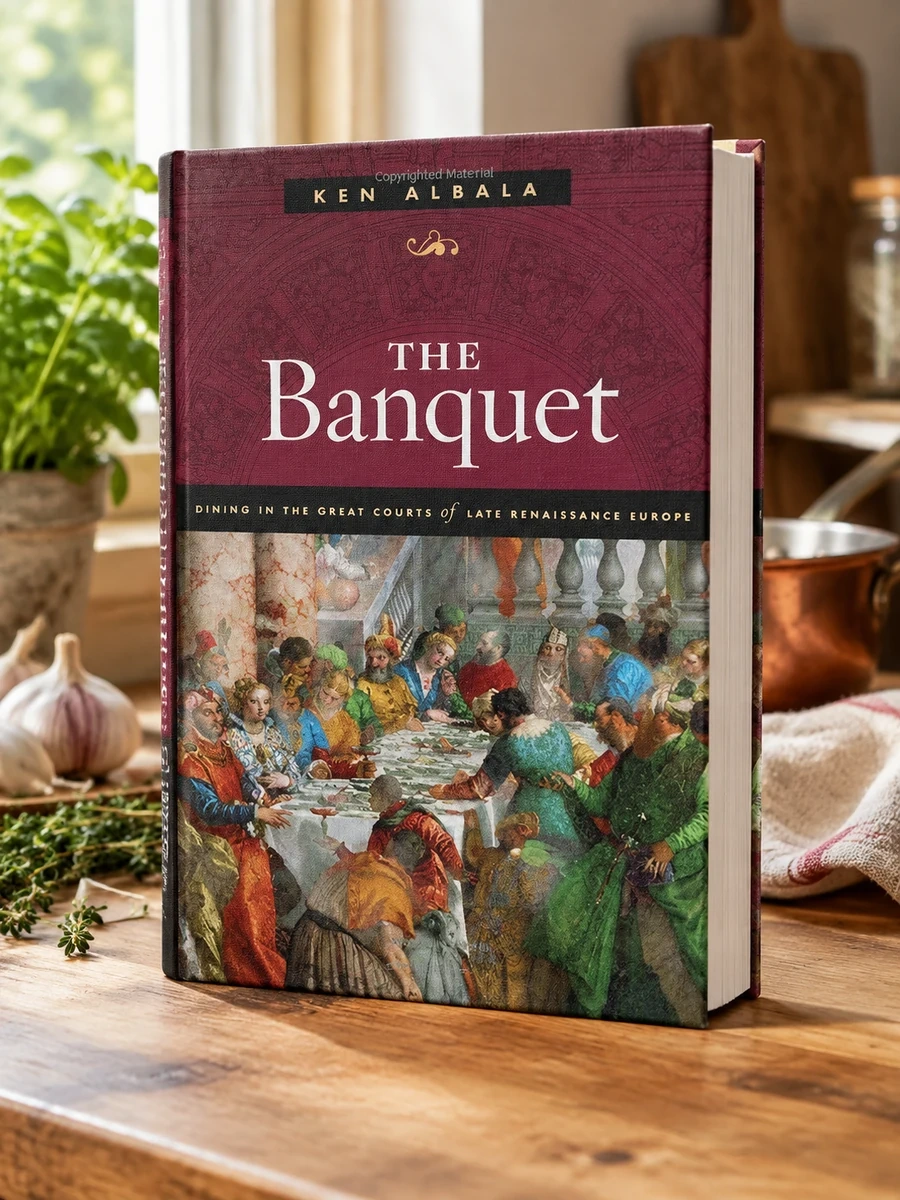
4. The Banquet: Dining in the Great Courts of Late Renaissance Europe — Ken Albala
Best for: Readers fascinated by Renaissance Europe, historical dining, aristocratic food culture, and the social meaning of elaborate meals.
This is where Albala's writing becomes more firmly rooted in a particular historical world. The Banquet examines cooking and fine dining in Western Europe between 1520 and 1660, focusing on the great courts and the people responsible for feeding their wealthy and influential guests.
The banquet was never simply a large meal. It could demonstrate wealth, communicate political authority, bring important people together, and display the sophistication of a court. Albala considers what these occasions involved and how their food reflected changing tastes and social expectations.
One particularly interesting aspect is the transition between medieval culinary traditions and the emergence of classical French haute cuisine. The period saw changes in ingredients, flavors, presentation, and the identification of national food customs. Albala places dining within that larger transformation rather than treating historical dishes as isolated curiosities.
This is a natural next purchase after Beans if you enjoy food history but want to move from the story of an ingredient to the culture surrounding an entire meal. It is also an excellent starting point for readers whose primary interest is Renaissance dining rather than practical modern cooking. Expect historical context and cultural analysis, not a collection of contemporary dinner ideas.
For readers ready to explore historical recipes and academic food scholarship
The final two books are for readers who want to spend more time with the details of earlier European food culture. One is a historically grounded collection of recipes that can be explored in the kitchen; the other examines the intellectual and medical ideas that shaped Renaissance eating.
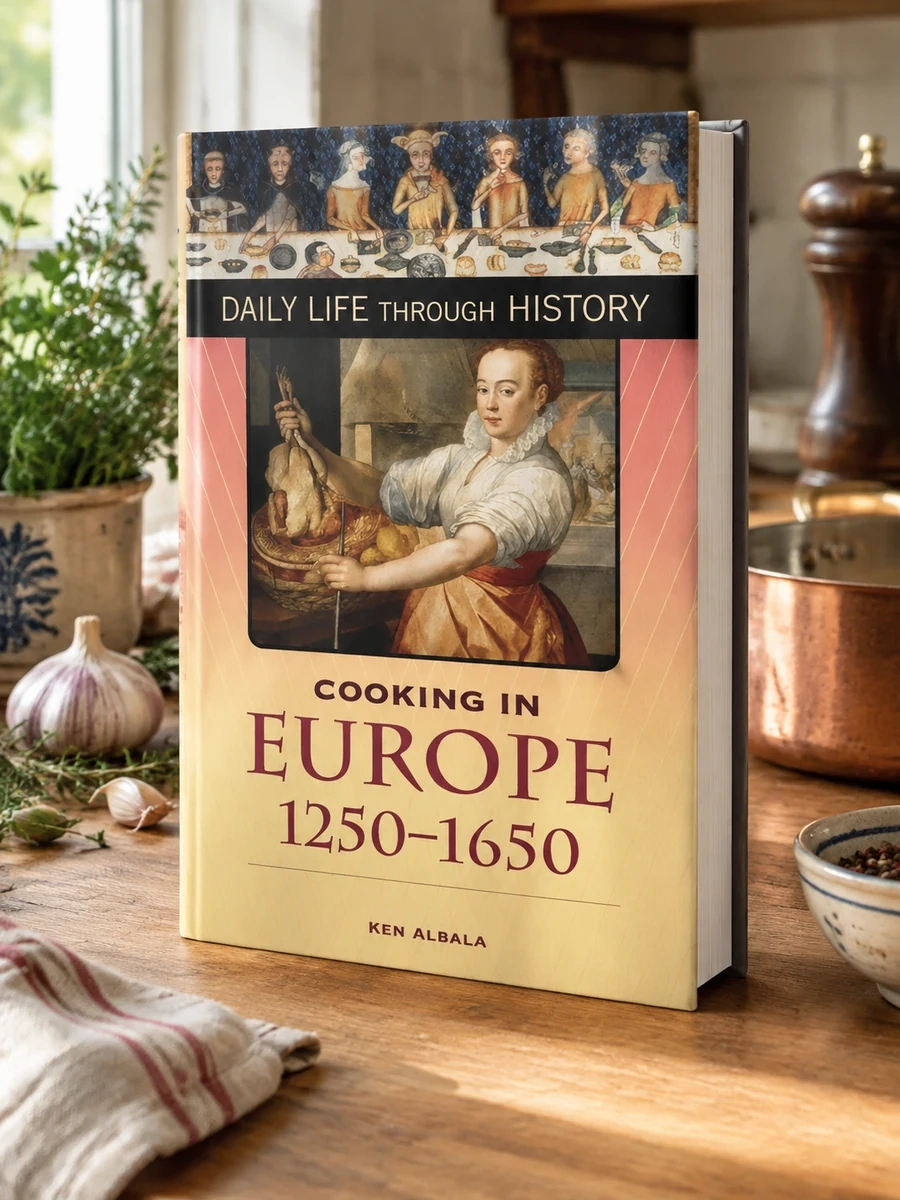
5. Cooking in Europe, 1250-1650 — Ken Albala
Best for: Historical cooking enthusiasts, experimental home cooks, reenactors, and readers interested in medieval and Renaissance culinary practices.
If your main reason for exploring Albala is that you want to cook food from earlier centuries, this is arguably the most directly practical book in the six-title list. Cooking in Europe, 1250-1650 brings together historical recipes from the Middle Ages, Renaissance, and Elizabethan period, making it a different experience from the ingredient histories and cultural studies that come before it.
The collection includes recipes from European culinary traditions, with material translated from French, Italian, and Spanish sources. It is not simply a modern cookbook with historical inspiration. Its emphasis is on working with historical recipes and understanding the culinary practices behind them.
That distinction matters when approaching the book. Historical instructions do not always resemble modern recipe writing, and unfamiliar ingredients, measurements, equipment, and techniques can require patience. Albala provides contextual commentary and guidance intended to help readers interpret and reproduce the dishes. The result is particularly appealing to cooks who enjoy experimentation and are comfortable with the occasional unexpected historical preparation.
It is also a useful companion to The Banquet. The latter helps explain the dining culture of the period, while this book offers a more direct encounter with the recipes themselves. If you are interested in the relationship between food history and actual cooking practice, this is the title to prioritize.
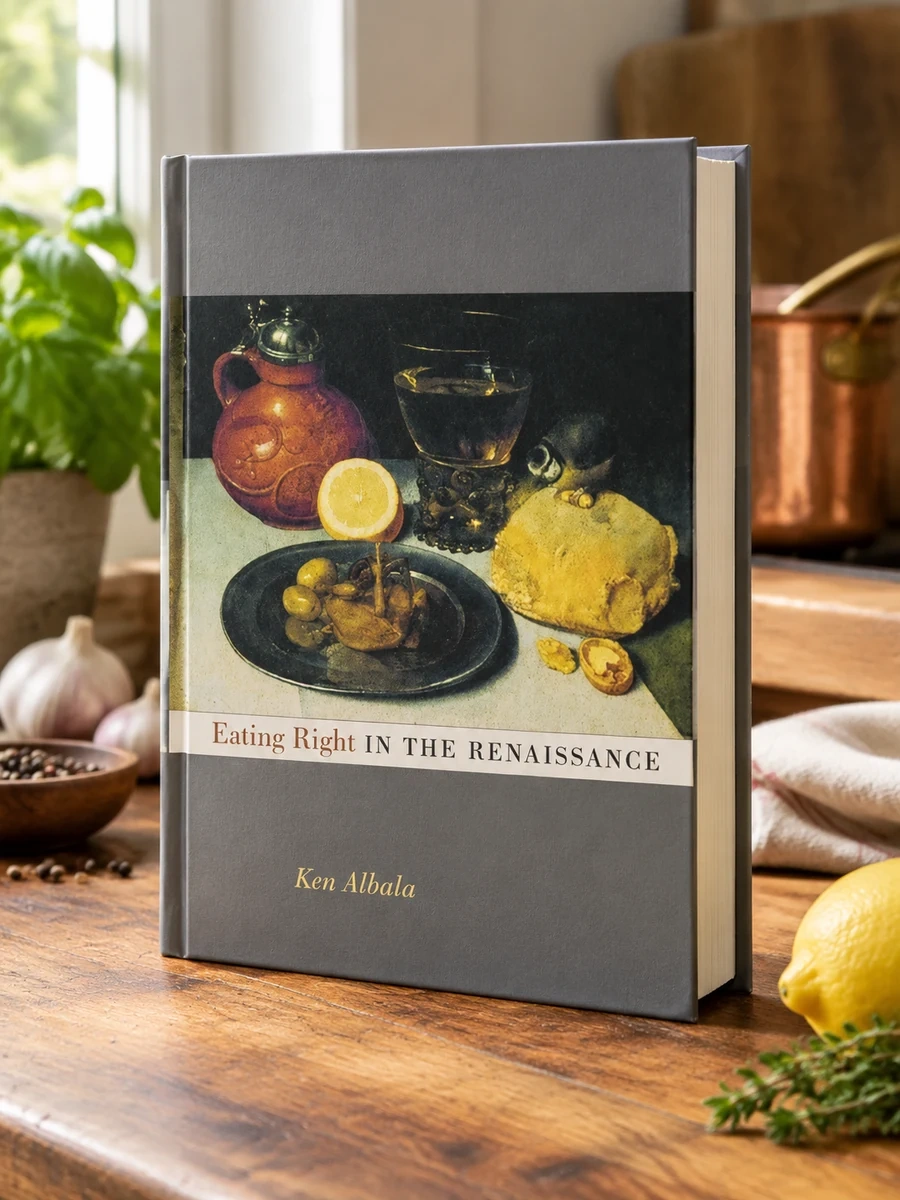
6. Eating Right in the Renaissance: Volume 2 — Ken Albala
Best for: Food historians, academic researchers, advanced culinary-history readers, and adventurous readers interested in historical medicine and dietary ideas.
This is the most specialized entry in our recommended reading order. Despite its contemporary-sounding title, Eating Right in the Renaissance is not a modern healthy-eating guide or a practical nutrition manual. It examines the extensive body of dietary advice produced in Renaissance Europe and the assumptions about food, health, and the human body behind it.
Albala investigates a historical world in which physicians, dietary writers, and other authorities offered advice about what people should eat and how food affected the body. The book explores the relationship between food and individual identity, social class, national customs, medicine, and prevailing ideas about nutrition. In doing so, it reveals how dietary recommendations reflected the intellectual and cultural beliefs of their time.
What makes this subject especially compelling is its relevance to the continuing history of food advice. People have long looked to experts for guidance about eating correctly, and Renaissance dietary literature offers a fascinating earlier example of that impulse. The similarities and differences between historical and modern nutritional thinking are part of the book's appeal.
This is not the title we would hand to someone who simply wants an enjoyable introduction to Albala. It is a much better choice for readers who already have an interest in Renaissance history, historical medicine, or the development of food culture as an academic subject. Our catalog listing is specifically Volume 2, so readers should pay attention to that edition detail when selecting the book.
Which Ken Albala book should you read first?
You do not need to read all six titles to get something worthwhile from Ken Albala. The best choice depends on whether you approach food primarily as a cook, a history enthusiast, or a researcher.
- If you want the most accessible introduction: Start with Grow Food, Cook Food, Share Food. Its combination of food writing, historical examples, and practical reflection provides a useful introduction to Albala's interests.
- If you enjoy ingredient stories: Choose Nuts: A Global History first, then move to Beans: A History. Both show how familiar foods can reveal much larger cultural patterns.
- If Renaissance dining interests you: Begin with The Banquet. It provides the historical and social context for understanding elite European dining traditions.
- If you want to cook historical dishes: Go directly to Cooking in Europe, 1250-1650. It offers a more hands-on engagement with historical food than the other titles in this guide.
- If you prefer academic food history: Choose Eating Right in the Renaissance: Volume 2. It is the most specialized option and particularly suitable for readers interested in historical dietary thought.
There is one important distinction to keep in mind: Albala's historical cookbooks and food-history books are not interchangeable with everyday modern recipe collections. Even when recipes are present, the purpose is often to explain how people ate in a different period, rather than to provide a quick solution for tonight's dinner.
For a first purchase, we would lean toward Grow Food, Cook Food, Share Food if you are unfamiliar with Albala, or Nuts: A Global History if you prefer a focused subject with an accessible entry point. From there, the route through Beans and The Banquet builds a broader appreciation of his historical approach. The final two books reward readers who want to move beyond general interest and spend time with historical cooking and scholarly interpretation.
Ultimately, the pleasure of reading Ken Albala comes from discovering how much history is hiding in ordinary food. Whether you are interested in a bowl of beans, an elaborate Renaissance banquet, or the dietary advice of a sixteenth-century physician, his books offer different ways to understand the relationship between what people eat and the societies they create.