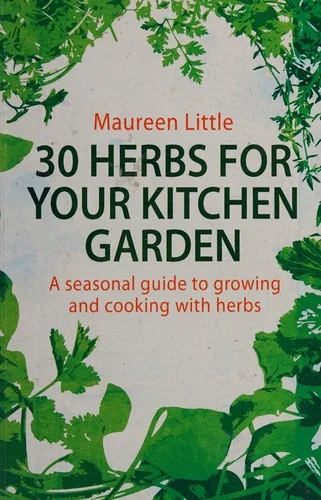
30 Herbs for Your Kitchen Garden
✍️ Little, MaureenA seasonal guide to growing thirty culinary herbs and using them in sixty recipes.
Little organizes this work around the dual needs of cultivation and consumption. She covers planning a garden layout and maintaining plant health over time. The text moves beyond simple planting advice by detailing how to extend the life of fresh ingredients. Readers learn to create flavored butters, sugars, and jellies using their harvest. The sixty included recipes demonstrate direct usage in diverse dishes. This approach bridges the gap between the garden bed and the kitchen table, offering concrete steps for both growing and cooking with thirty specific herb varieties.
First published in Great Britain in 2012 as The Kitchen herb garden, this work reflects a British tradition of practical gardening literature. It was reissued by Constable & Robinson in 2016, adapting the content for a wider audience while retaining its original focus on accessible home cultivation and cooking.


📝 Description: 30 Herbs for Your Kitchen Garden
💎 Expert review
📖 Why choose it
Why this book is worth reading
Home gardeners seeking a direct bridge between cultivation and consumption will find this guide invaluable for its dual focus on growing thirty specific herbs and utilizing them in sixty diverse recipes. It is particularly suited for those with limited outdoor space, offering container gardening solutions alongside seed propagation techniques. Readers who enjoy preserving harvests through infusions of oils, vinegars, butters, sugars, and jellies will appreciate the practical advice on maintaining flavor. The book serves as a seasonal manual, helping enthusiasts manage plant health across growth stages while immediately applying their produce to soups, sauces, mains, and puddings.
⭐ Reader reviews
Reader rating
Maureen Little delivers a functional, no-nonsense resource for the pragmatic cook-gardener. Its strength lies in concrete steps for growing and cooking, effectively bridging the gap between garden bed and kitchen table. However, it explicitly does not suit readers seeking historical herb lore or complex botanical science. The tone is instructional rather than narrative, focusing on immediate culinary application and practical management. While the paperback edition may feel sparse compared to more expansive texts, it succeeds as a targeted manual for those wanting to integrate fresh produce directly into their meals without unnecessary theoretical digressions.
❓ Frequently asked questions
📖 Who should read this
Home gardeners seeking a practical guide to cultivating thirty specific culinary herbs. Ideal for cooks who want to bridge the gap between their garden bed and kitchen table. Perfect for those interested in extending ingredient life through flavored butters, sugars, and jellies rather than just fresh usage.