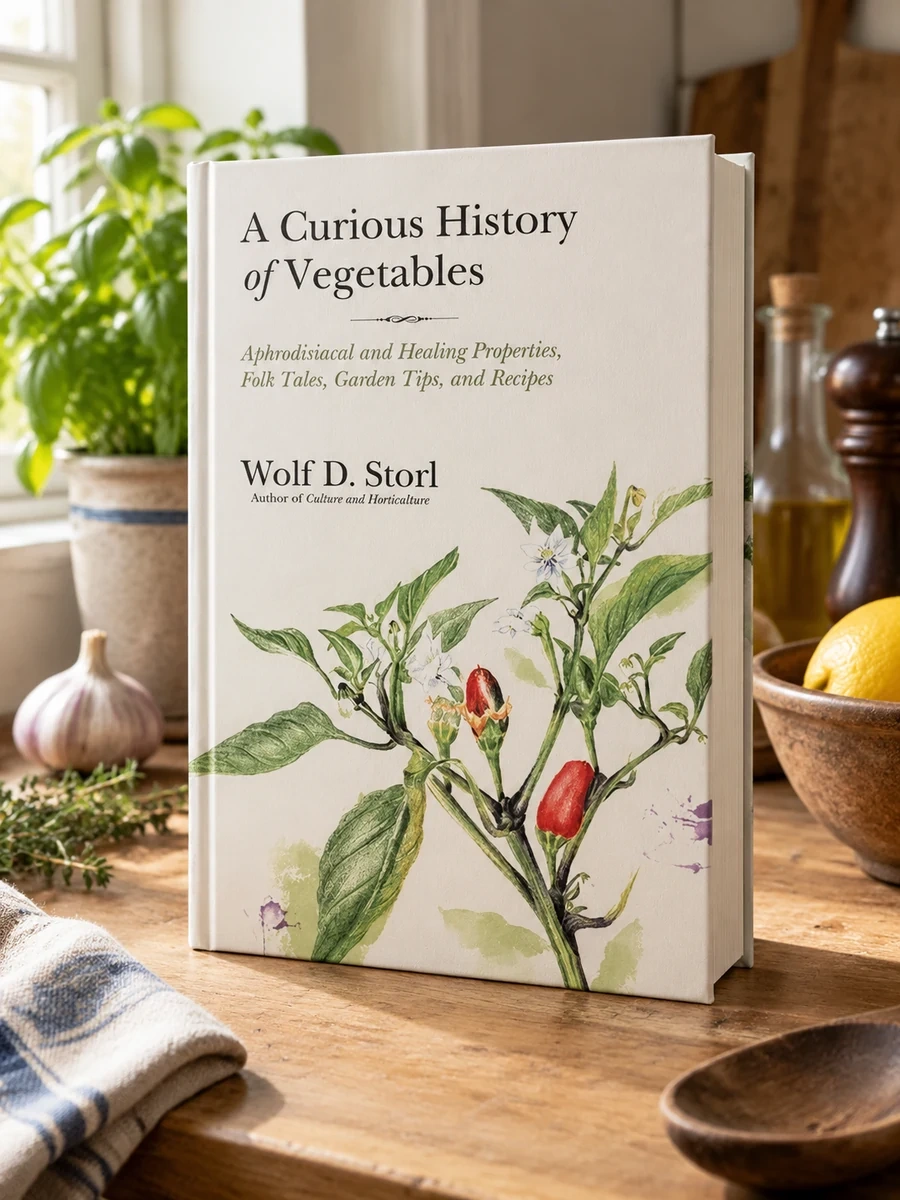
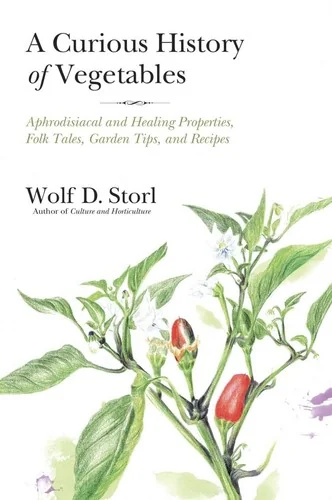
A Curious History of Vegetables: Aphrodisiacal and Healing Properties, Folk Tales, Garden Tips, and Recipes
✍️ Storl, Wolf DA guide to forty-eight vegetables blending biodynamic gardening, history, and folklore.
Storl combines botanical knowledge with cultural anthropology in this unique reference work. He examines the character of each vegetable through its astrological links and symbolic meaning. The book provides historical recipes that reflect past culinary traditions. Gardeners will find specific tips on soil preparation and plant companionship derived from biodynamic principles. The inclusion of pencil illustrations adds visual detail to the textual descriptions. This approach connects the physical act of growing food with its broader mythological background.
Originally published in German as Bekannte und vergessene Gemeuse, this work translates traditional European folk knowledge for an American audience. It situates vegetable cultivation within historical and cosmological contexts rather than modern industrial farming models.


📝 Description: A Curious History of Vegetables: Aphrodisiacal and Healing Properties, Folk Tales, Garden Tips, and Recipes
💎 Expert review
⭐ Reader reviews
Reader rating
Storl offers a unique synthesis of biodynamic gardening and cultural anthropology. The pencil illustrations enhance the textual descriptions of forty-eight vegetables, linking their physical growth to mythological backgrounds. This approach appeals to readers who view cooking as part of a broader ecological narrative. However, those seeking quick, modern dinner ideas or standard nutritional data will find this volume too esoteric. It is a niche reference for enthusiasts of folk tales and astrological gardening rather than a practical daily cookbook.
❓ Frequently asked questions
📖 Who should read this
Gardeners seeking biodynamic planting advice and history buffs interested in vegetable folklore will appreciate this guide. It suits those who enjoy connecting culinary traditions with astrological symbolism and cultural anthropology in their kitchen research.