12,300+ cookbooks Ships from the US · 30-day returns
👤 My Account

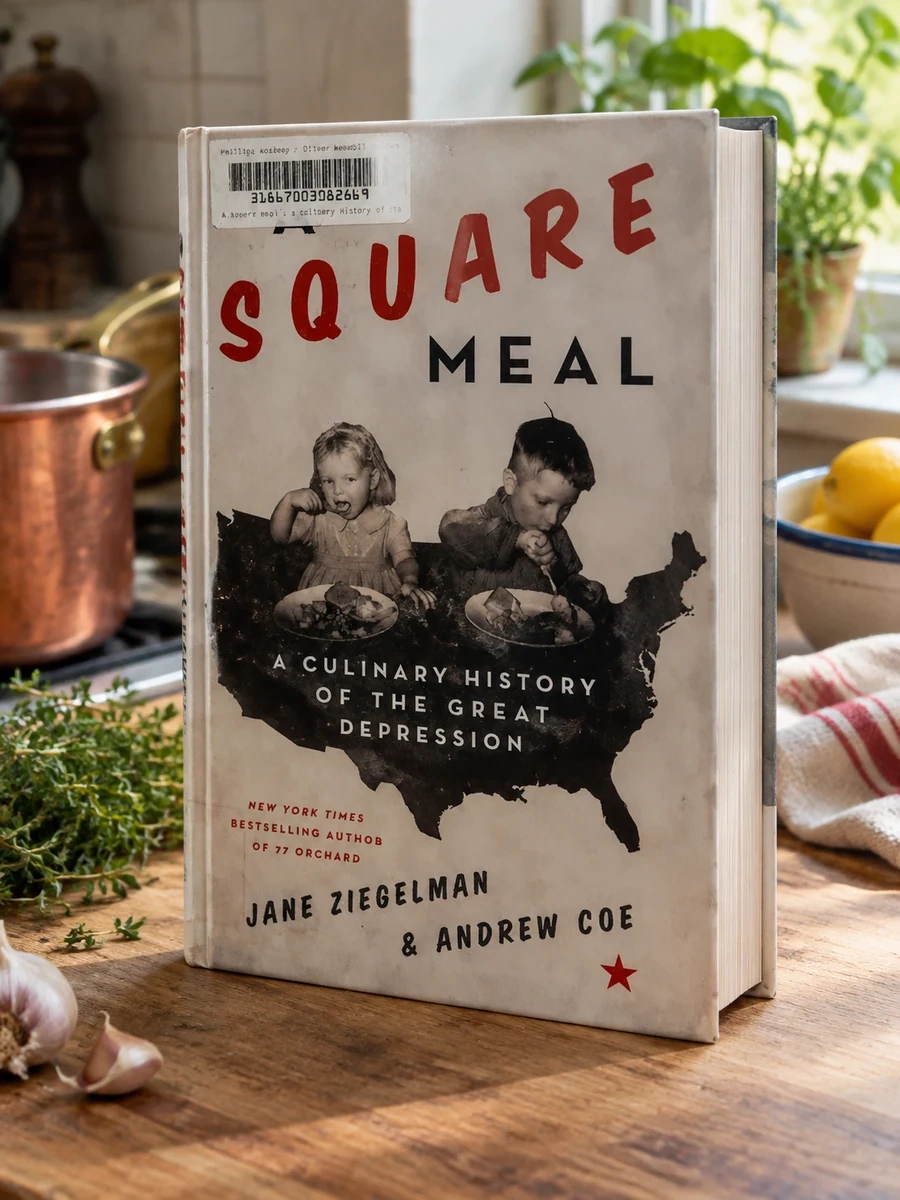
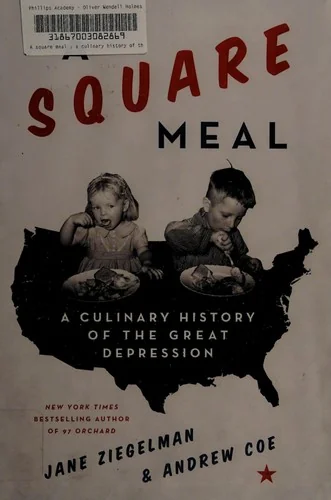
A Square Meal

✍️ Ziegelman, Jane
Reader Score
4.4
(1 review)
$18.99
In stock — ready to ship Ships in 1–2 business days
📚 WHAT THE BOOK IS ABOUT

A historical account of how the Great Depression reshaped American food policy and cuisine.

The authors argue that the decade-long economic downturn shattered assumptions about limitless national resources. They show how federal involvement in feeding citizens created new institutional frameworks for nutrition. The text details the professional elevation of home economists who promoted utilitarian cooking over culinary enjoyment. It also tracks the parallel growth of packaged food industries and the subsequent revival of regional dishes. This dual movement established the complex dynamic between standardized dietary science and local food traditions that defines American cuisine today.

Key Themes
Great Depression history home economics science regional cooking revival
Literary Context

This volume covers the twentieth century in the United States, specifically focusing on the political and social landscape of the 1930s. It addresses subjects within cooking history, American regional culture, and social science perspectives on agriculture and food policy.


Difficulty
●● Medium
Recommended For Fans Of
Michael Pollan · Karen Hess · The Omnivore's Dilemma · Salt Sugar Fat
📜
Food Writing & History
🏛 Harper Paperbacks 📅 2017 📔 Paperback ISBN: 9780062216427

📝 Description: A Square Meal

Jane Ziegelman, co-author of the acclaimed 97 Orchard, and culinary historian Andrew Coe examine the Great Depression as America’s most severe food crisis. This work traces how economic collapse shifted the national relationship with food from one of assumed abundance to one of scarcity and government intervention. The authors detail how President Roosevelt reversed long-standing biases against federal food aid in 1933, placing responsibility for citizen nourishment directly into the hands of the state. The narrative highlights the rise of home economists who brought scientific rigor to domestic cooking. Championed by Eleanor Roosevelt, these women led campaigns through the Bureau of Home Economics to establish dietary standards that prefigure modern guidelines. Simultaneously, food conglomerates introduced processed items focused on speed and convenience. This push for a homogenized national cuisine triggered a counter-movement reviving regional American cooking traditions. This study explores the enduring tension between culinary science and local heritage. It analyzes how environmental disaster and economic contraction reshaped eating habits during the twentieth century. The book suits readers interested in the political history of food, agricultural policy, and social shifts in American culture. It may not satisfy those seeking immediate recipes or contemporary dietary advice.

💎 Expert review

“
🍳
Eatbook Family editorial team
Cookbook desk
This scholarly approach to food history appeals to readers seeking context rather than instruction. The authors effectively trace the institutional frameworks that define current dietary guidelines, highlighting the pivotal role of home economists and federal agencies. However, it is not a cookbook. Those expecting immediate recipes or contemporary diet advice will find this edition sparse in practical utility. It serves best as an academic supplement to culinary studies, offering deep cultural context for why American food systems look the way they do today. It is a compelling narrative of policy and industry, but strictly for those willing to engage with historical analysis over kitchen guidance.
✓ EDITOR'S REVIEW

📖 Why choose it

📖

Why this book is worth reading

Readers interested in the political underpinnings of American cuisine will find this work essential for understanding how the Great Depression permanently altered the relationship between citizens and food. Jane Ziegelman and Andrew Coe provide a rigorous examination of federal policy shifts, revealing how scarcity replaced assumed abundance as the national norm. The book is particularly valuable for those studying the professionalization of home economics and the rise of processed food industries. It offers insight into the tension between standardized dietary science and regional culinary traditions, making it ideal for historians, nutrition students, and anyone curious about the origins of modern American eating habits and government welfare programs.

⭐ Reader reviews

The starting rating comes from the team Eatbook Family —
⭐ eatbookfamily.com editorial review Editorial rating 4.5/5
★★★★★
Readers interested in the historical intersection of economics and cuisine will appreciate this text. It suits those who prefer understanding the cultural roots of their meals over following step-by-step instructions for immediate dinner preparation.

Reader rating

4.4
Based on 1 reviews
5
0
4
1
3
0
2
0
1
0
E
Eatbook Family editorial team

This scholarly approach to food history appeals to readers seeking context rather than instruction. The authors effectively trace the institutional frameworks that define current dietary guidelines, highlighting the pivotal role of home economists and federal agencies. However, it is not a cookbook. Those expecting immediate recipes or contemporary diet advice will find this edition sparse in practical utility. It serves best as an academic supplement to culinary studies, offering deep cultural context for why American food systems look the way they do today. It is a compelling narrative of policy and industry, but strictly for those willing to engage with historical analysis over kitchen guidance.

❓ Frequently asked questions

No, it focuses on historical policy and cultural shifts rather than providing cooking instructions or meal plans.
Published in 2017 by Harper Paperbacks.
Orders ship from a US warehouse. The shipping cost is shown before you pay, and returns are accepted within 30 days.

📖 Who should read this

Readers interested in the historical intersection of economics and cuisine will appreciate this text. It suits those who prefer understanding the cultural roots of their meals over following step-by-step instructions for immediate dinner preparation.

📜 Historical context

This work stands apart from standard culinary guides by focusing on policy rather than technique. It examines how federal interventions during economic hardship reshaped American food systems, elevating home economists and influencing the packaged food industry to define modern dietary habits.

🏛 Books from this publisher Harper Paperbacks

All books from this publisher →
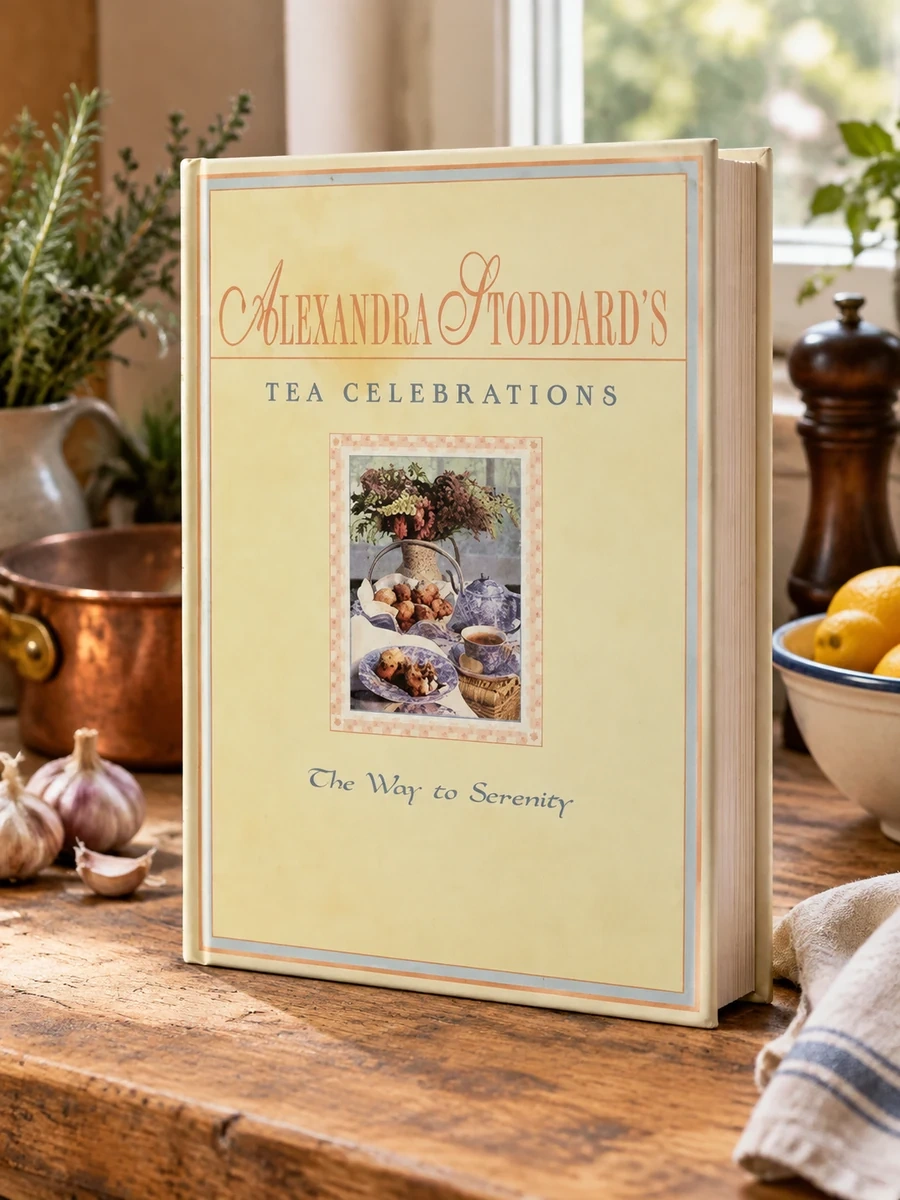
Tea Celebrations Co
★★★★★
★★★★★
4.3
Stoddard, Alexandra
Tea Celebrations Co
$13.99
69

You might also like

See more →
Tea Celebrations Co
★★★★★
★★★★★
4.2
1
Stoddard, Alexandra
Tea Celebrations Co
$13.99
69
Kitchen Confidential: Adventures in the Culinary Underbelly (Updated)
★★★★★
★★★★★
4.8
1
Bourdain, Anthony
Kitchen Confidential: Adventures in the Culinary Underbelly (Updated)
$18.99
92
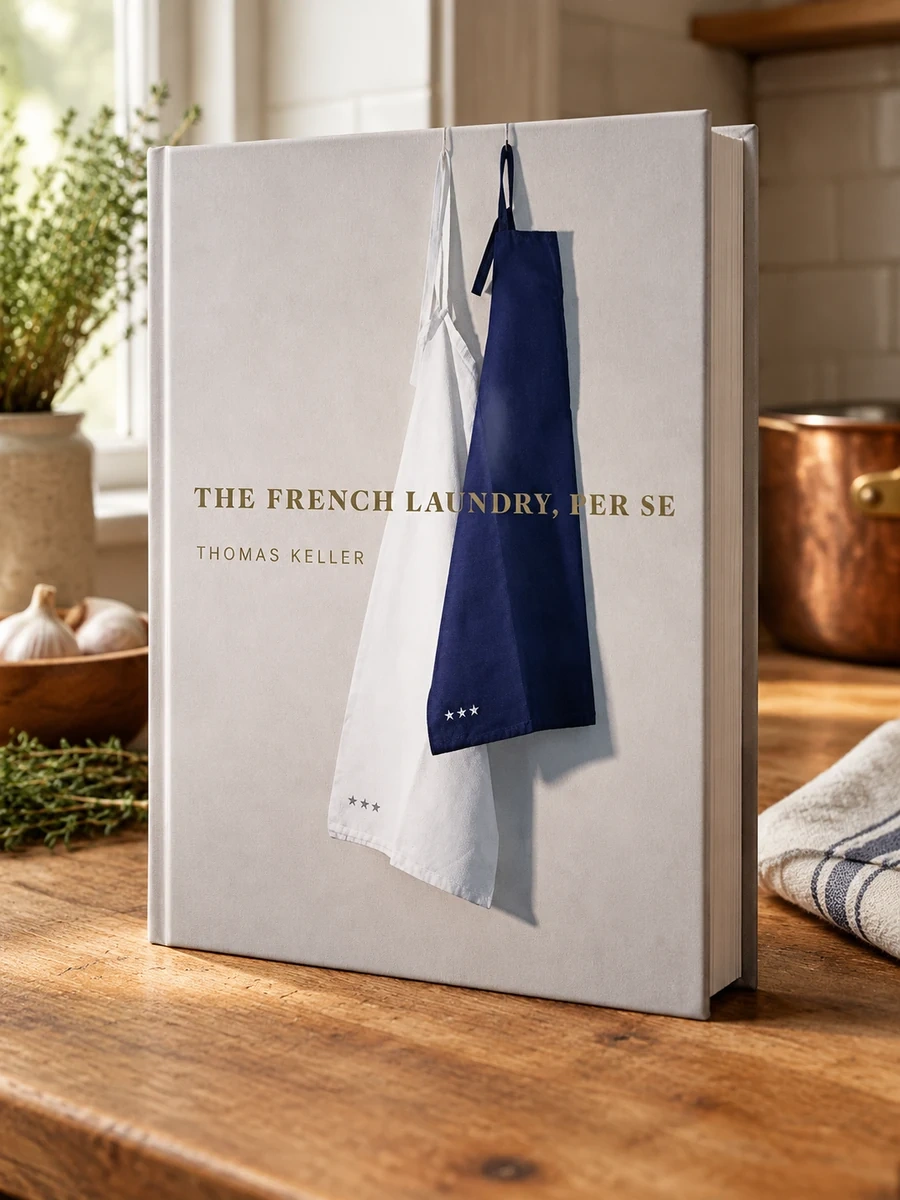
The French Laundry, Per Se
★★★★★
★★★★★
4.8
1
Keller, Thomas
The French Laundry, Per Se
$75.00
92
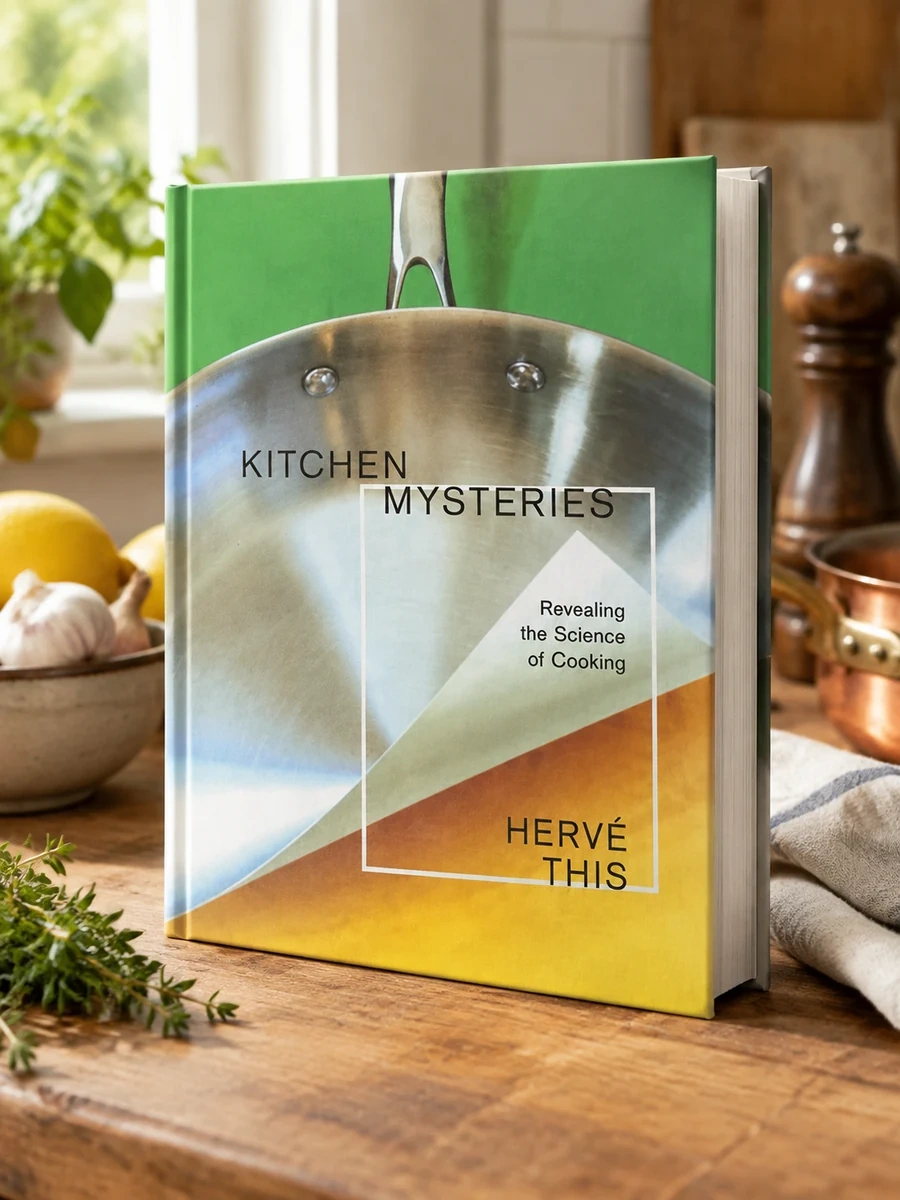
Kitchen Mysteries: Revealing the Science of Cooking
★★★★★
★★★★★
4.8
This, Herve
Kitchen Mysteries: Revealing the Science of Cooking
$16.95
91
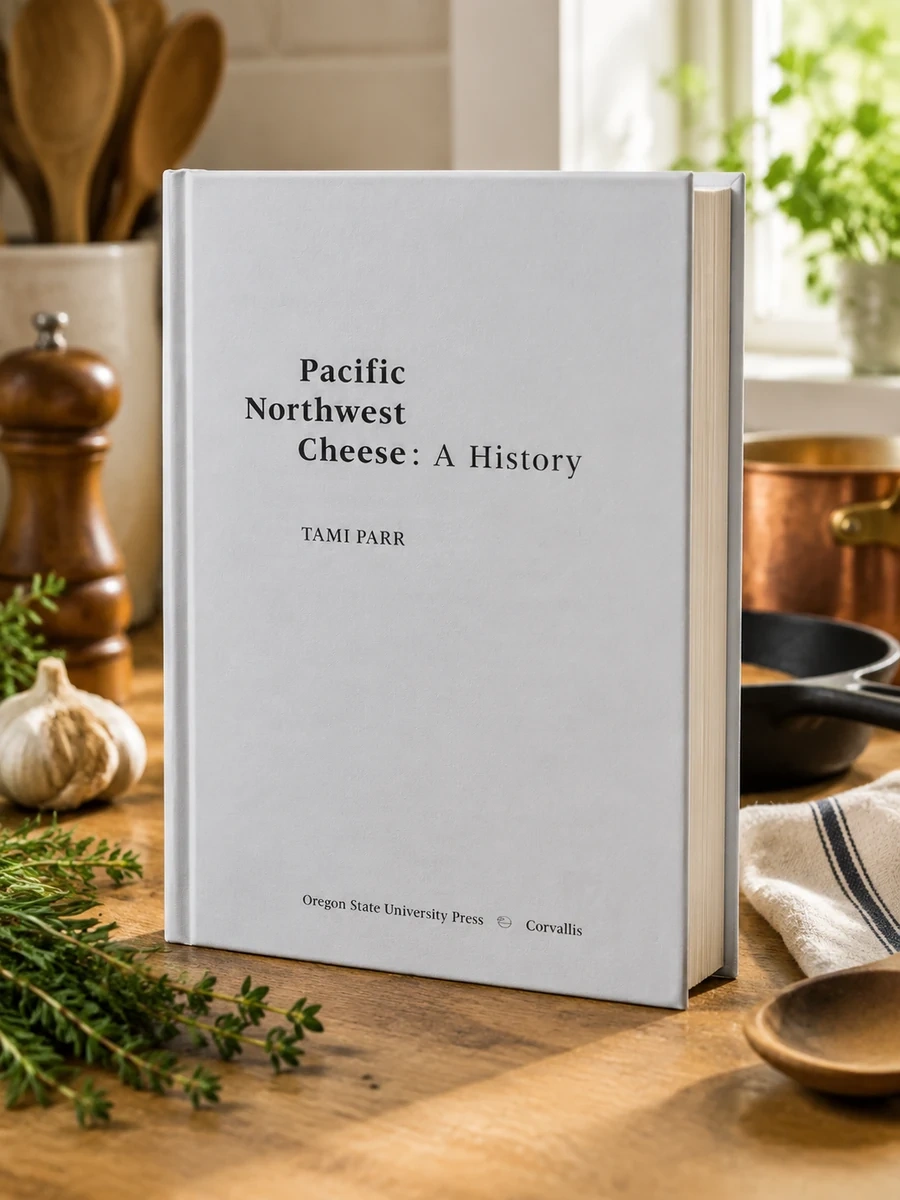
Pacific Northwest Cheese: A History
★★★★★
★★★★★
4.8
Parr, Tami
Pacific Northwest Cheese: A History
$22.95
91
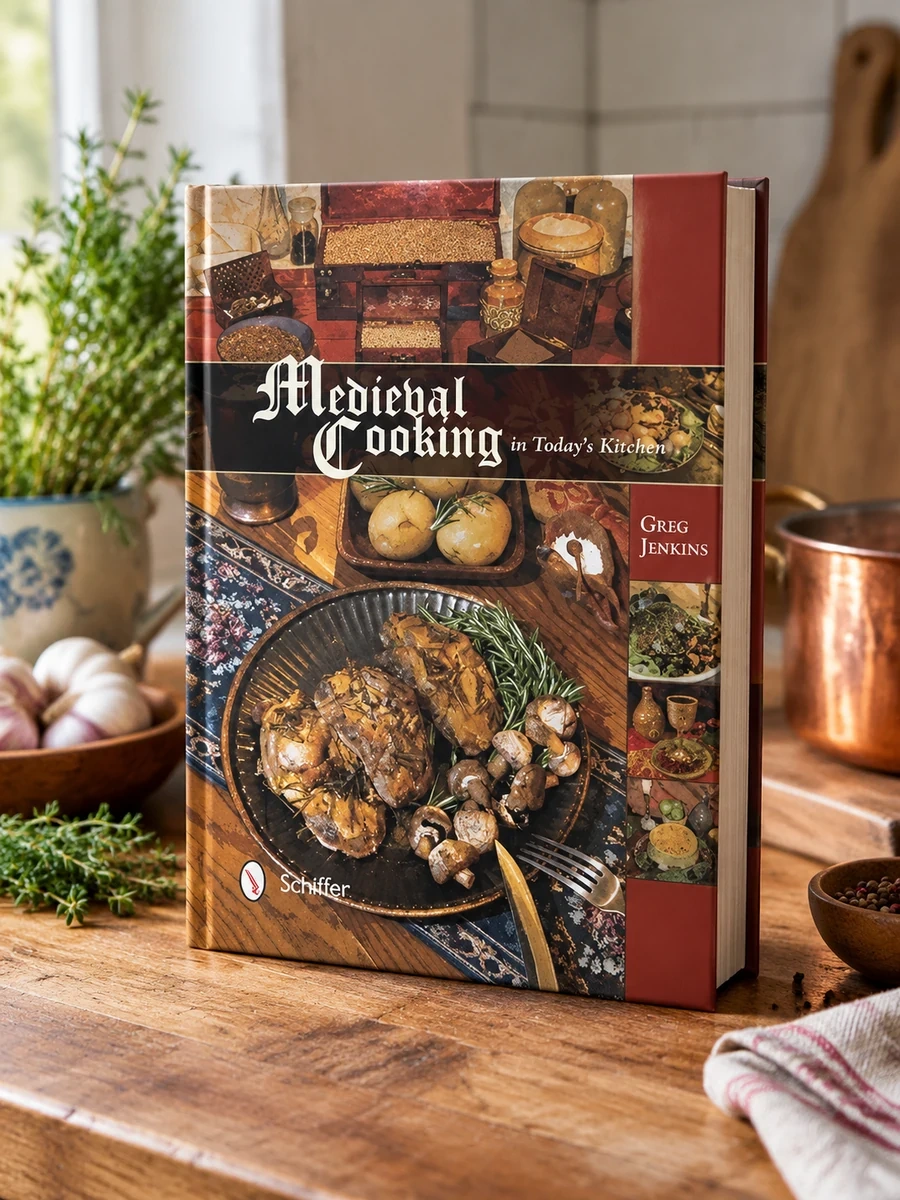
Medieval Cooking in Today's Kitchen
★★★★★
★★★★★
4.8
Jenkins, Greg
Medieval Cooking in Today's Kitchen
$24.99
91
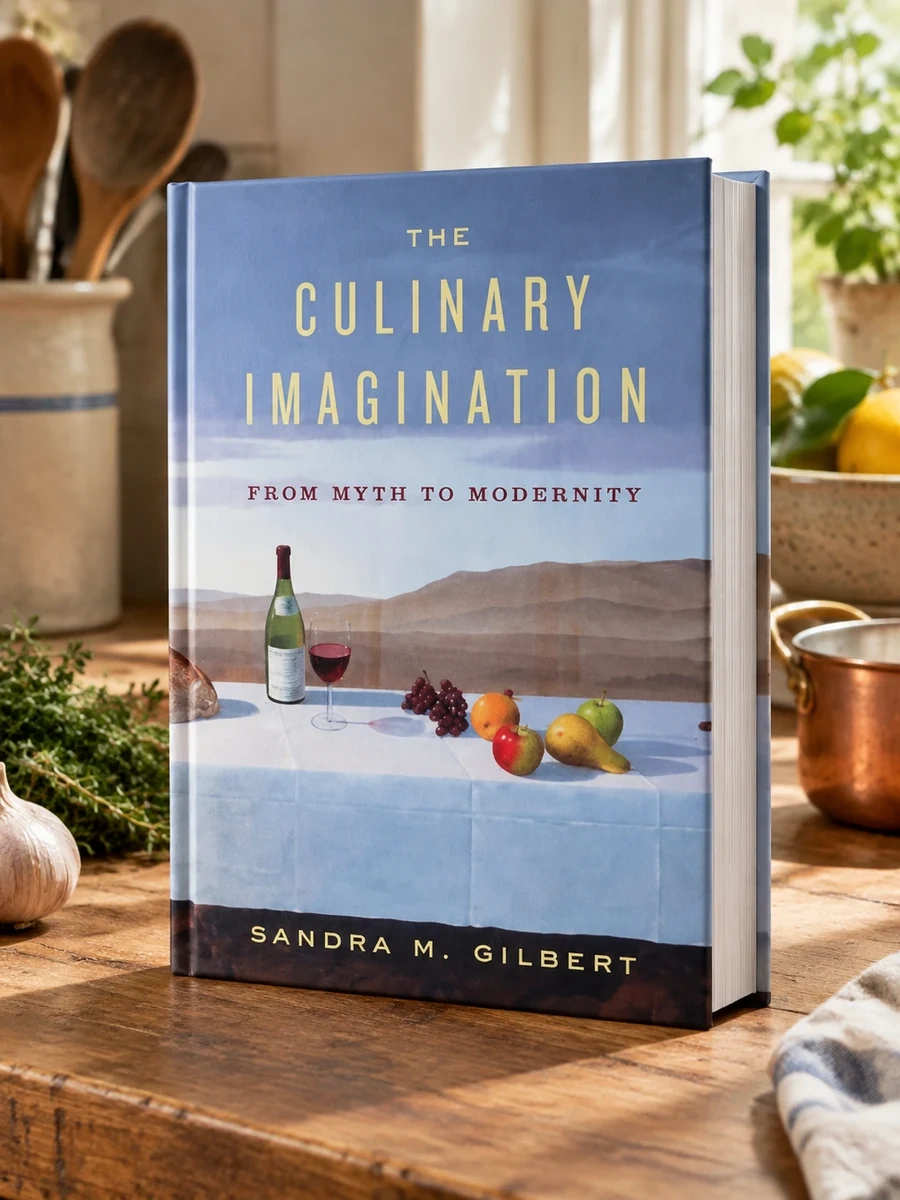
The Culinary Imagination: From Myth to Modernity
★★★★★
★★★★★
4.8
Gilbert, Sandra M
The Culinary Imagination: From Myth to Modernity
$29.95
91
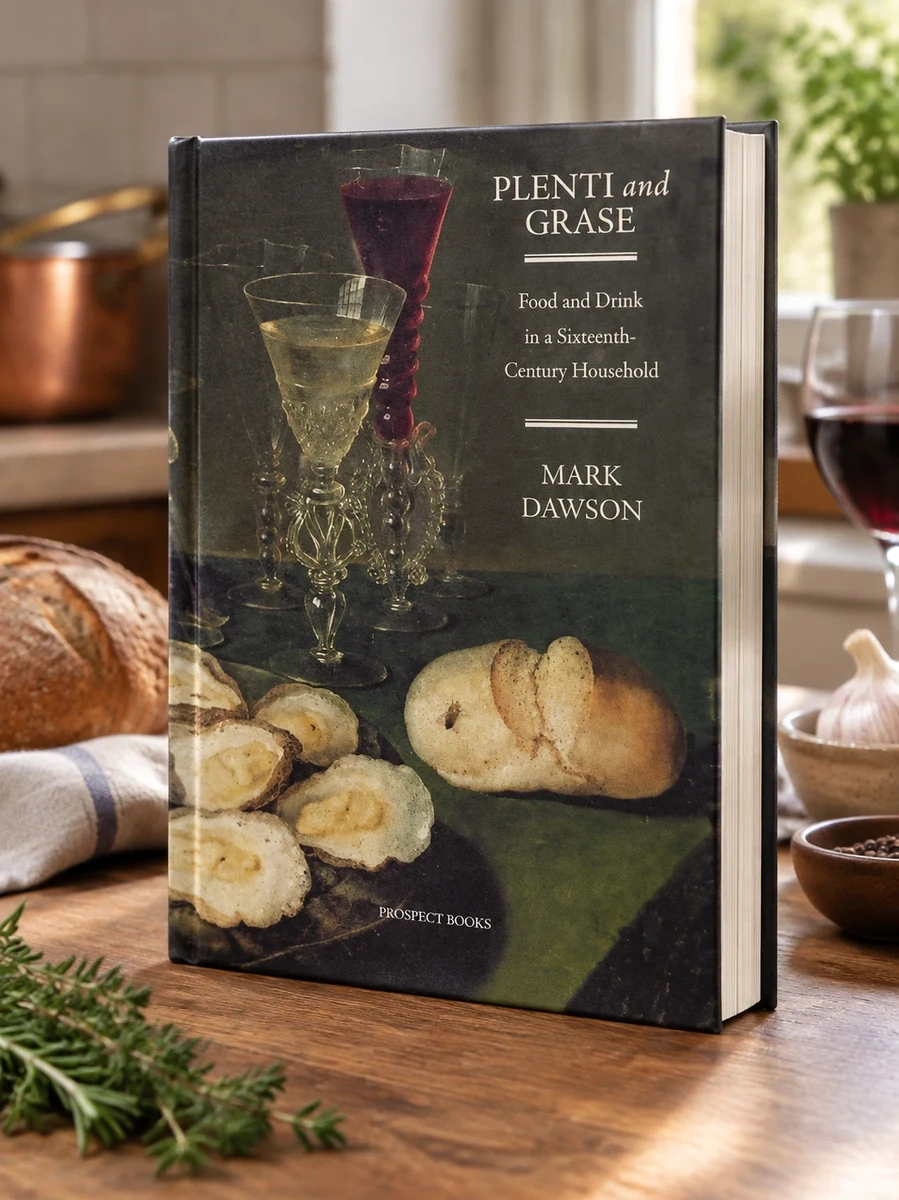
Plenti and Grase: Food and Drink in a Sixteenth-Century Household
★★★★★
★★★★★
4.8
Dawson, Mark
Plenti and Grase: Food and Drink in a Sixteenth-Century Household
$60.00
91
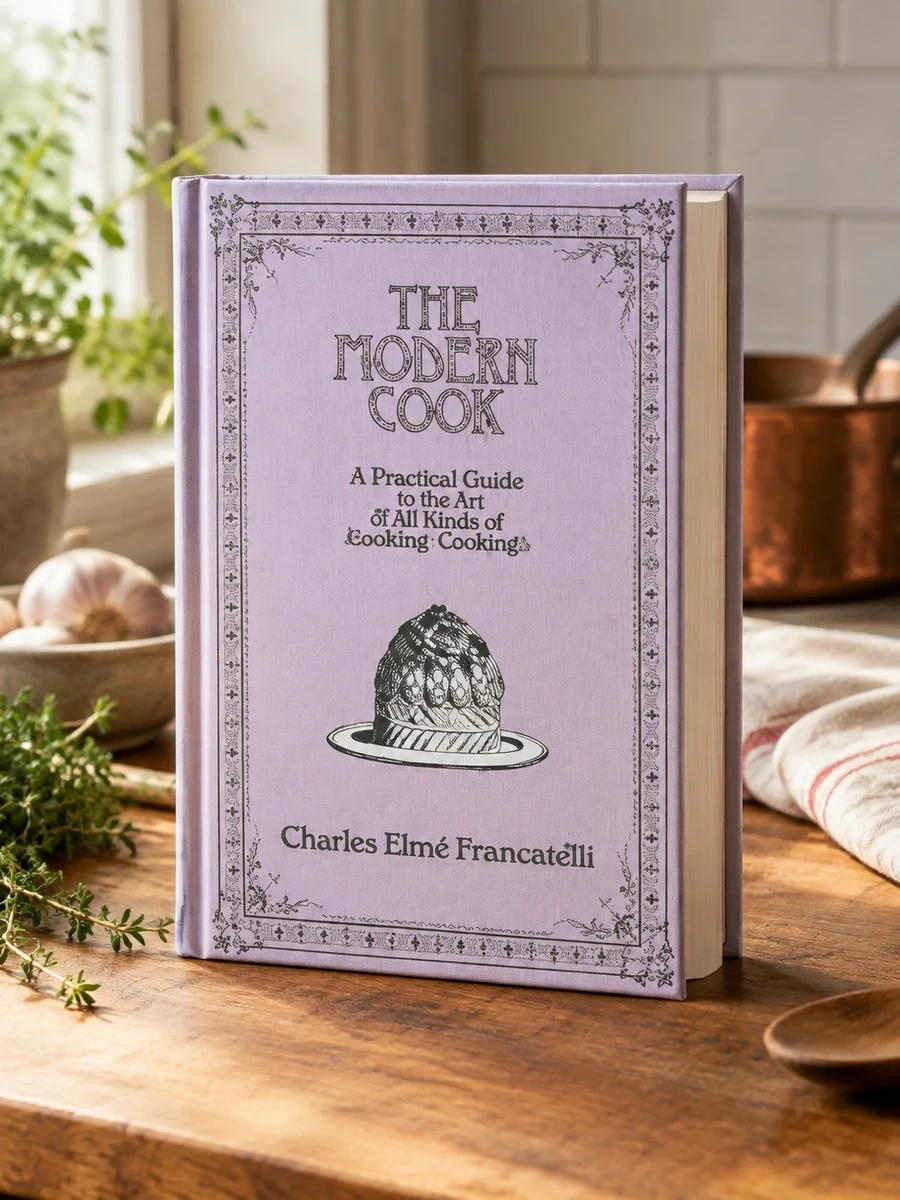
The Modern Cook: A Practical Guide to the Culinary Art in All Its Branches
★★★★★
★★★★★
4.8
Francatelli, Charles Elme
The Modern Cook: A Practical Guide to the Culinary Art in All Its Branches
$233.99
91
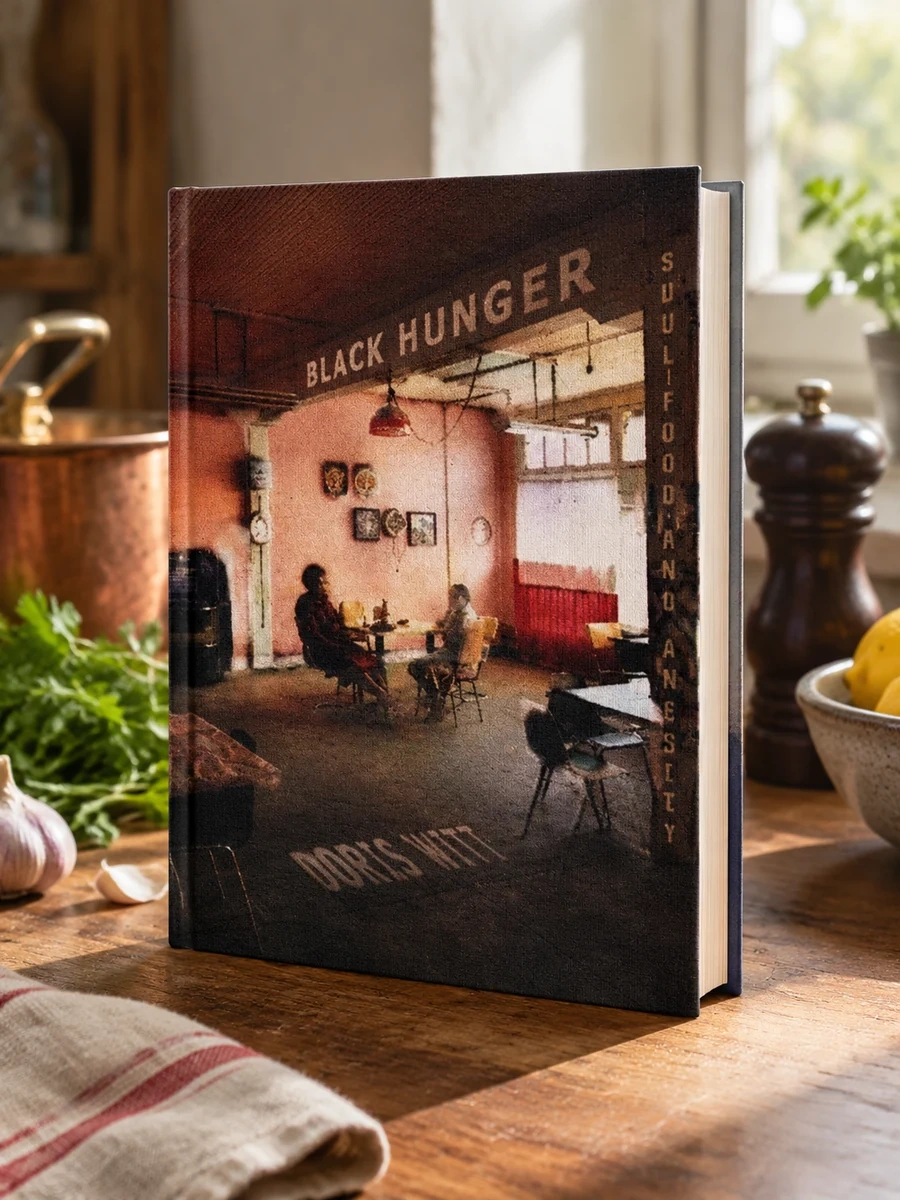
Black Hunger: Soul Food and America
★★★★★
★★★★★
4.7
Witt, Doris
Black Hunger: Soul Food and America
$18.95
90

Have a question about this item?

Ask about the edition, condition, delivery or anything else — we reply by email or phone, usually within a day.

Home Genres
Cart
Wishlist