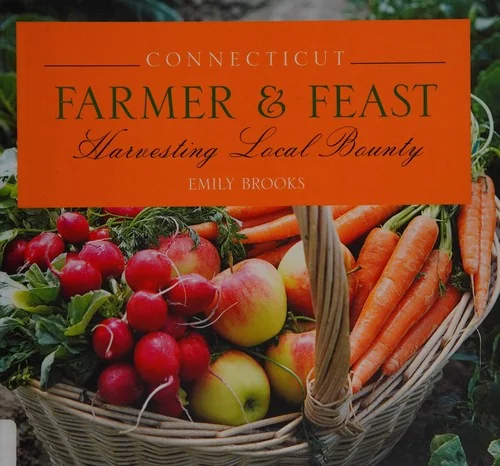
Connecticut Farmer & Feast: Harvesting Local Bounty
✍️ Brooks, EmilyA guide to understanding Connecticut's local food sources and farming traditions.
The book functions as a practical reference for identifying food origins in New England. It bridges the gap between consumers and producers by highlighting specific regional harvests. Readers gain insight into how local bounty is cultivated and distributed. The text addresses both permanent residents and temporary visitors to the area. It offers a clear view of the agricultural landscape without unnecessary complexity. This focus on transparency helps buyers make informed decisions about their groceries.
Published in 2011 by Globe Pequot Publishing, this paperback addresses New England regional cooking. It targets Nutmeggers and visitors interested in the specific agricultural bounty of Connecticut.


📝 Description: Connecticut Farmer & Feast: Harvesting Local Bounty
💎 Expert review
📖 Why choose it
Why this book is worth reading
Permanent residents, expatriated Nutmeggers, and temporary visitors gain a straightforward, practical reference for identifying local New England food origins and understanding production methods. Shoppers and home cooks interested in regional food provenance benefit from a transparent look at the agricultural landscape, allowing them to visualize the people behind their groceries and trace ingredients directly to their source. By focusing on tangible aspects of farming rather than abstract theory, the text empowers buyers to make informed decisions about their food supply and deepens their connection to Connecticut's specific seasonal bounty.
⭐ Reader reviews
Reader rating
Emily Brooks delivers a friendly, accessible introduction to regional farming practices that prioritizes transparency and consumer awareness. It functions wonderfully as a practical reference for identifying meal origins and appreciating the hard work of local producers. However, readers must note its strict geographical and conceptual limitations. It will not suit those searching for complex culinary techniques, advanced cooking methodologies, or international recipes. Because the content focuses tightly on the Connecticut agricultural context, anyone looking for a broad, multi-regional cookbook or high-end kitchen instruction should look elsewhere. Yet for its intended audience of local-food enthusiasts, it remains a grounded guide.
❓ Frequently asked questions
📖 Who should read this
This guide suits New England residents and visitors seeking to understand local food sources. It targets home cooks who want to identify origins of their groceries. The text is ideal for those interested in regional farming traditions without complex culinary skills or advanced techniques.