12,300+ cookbooks Ships from the US · 30-day returns
👤 My Account

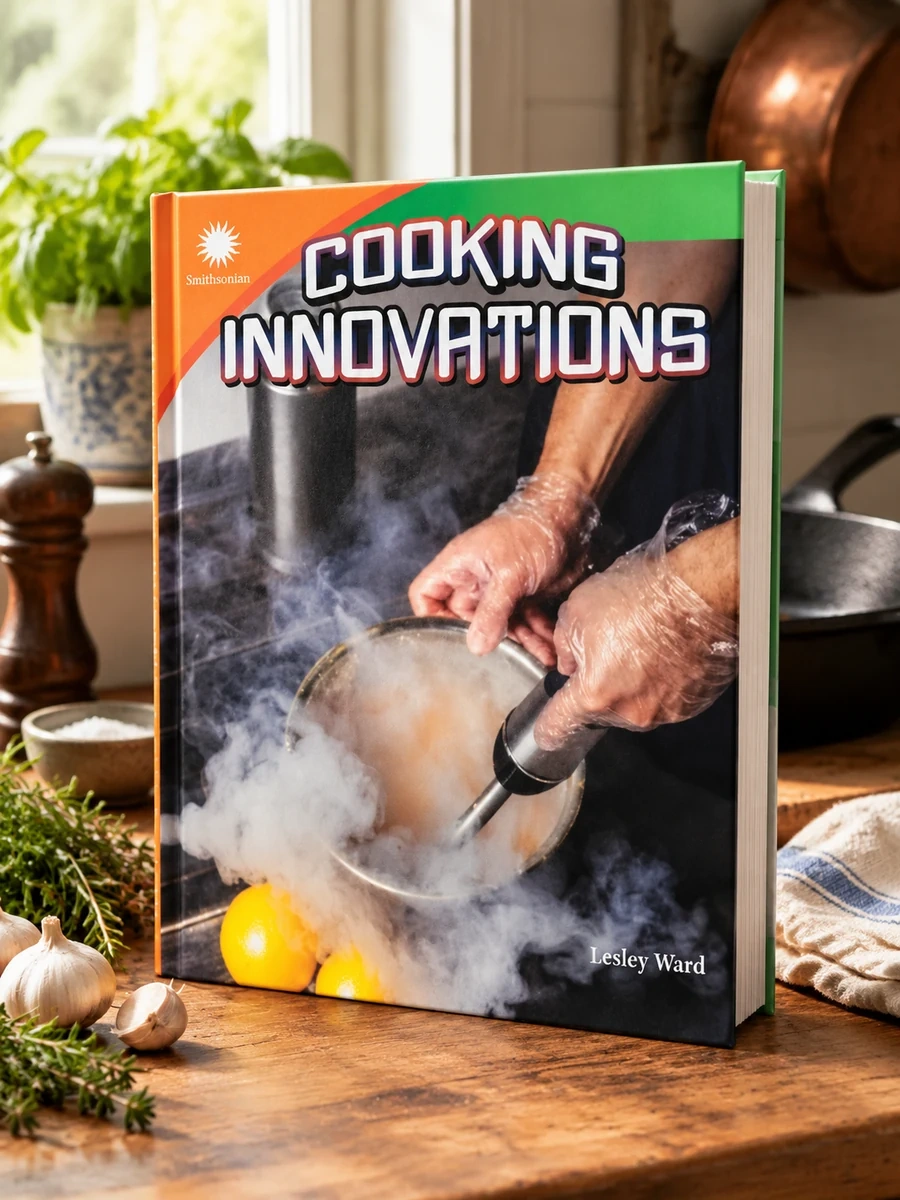
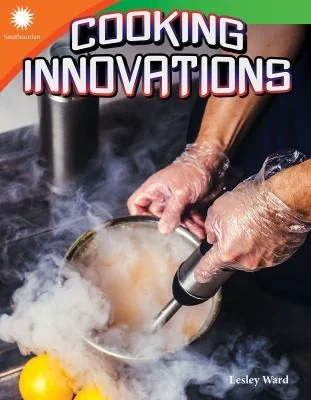
Cooking Innovations

✍️ Ward, Lesley
Reader Score
4.4
(1 review)
$11.99
In stock — ready to ship Ships in 1–2 business days
📚 WHAT THE BOOK IS ABOUT

A Smithsonian-aligned guide to the science behind cooking for young learners.

Ward bridges the gap between culinary arts and engineering for early readers. The text uses real-world examples to show how technology drives innovation in the kitchen. Students engage with a practical challenge that mirrors professional design processes. Career insights from Smithsonian staff provide context for future paths in STEAM fields. This approach transforms cooking history into an accessible lesson on problem-solving and scientific application.

Key Themes
Cooking innovations Engineering design process Smithsonian collaboration
Literary Context

This book sits within the juvenile nonfiction market, specifically targeting the intersection of education and culinary arts. Published in 2019 by Teacher Created Materials, it reflects a growing trend in educational publishing to integrate STEM principles into traditional subjects like cooking for young American students.


Difficulty
● Easy
Recommended For Fans Of
Gail Gibbons · National Geographic Kids · Smithsonian Institution publications
📜
Food Writing & History
🏛 Teacher Created Materials 📅 2019 📔 Paperback ISBN: 9781493866717

📝 Description: Cooking Innovations

Lesley Ward’s Cooking Innovations examines the scientific principles underlying culinary arts for young readers. Published by Teacher Created Materials, this thirty-five page paperback aligns with Smithsonian Institution standards to explain how engineering design solves kitchen problems. The text moves beyond simple recipes to explore the technology and innovations that define modern cooking practices. The book targets students aged six to eight who are interested in STEAM careers. It guides readers through a hands-on challenge suitable for makerspaces, illustrating the step-by-step engineering process using real-world examples. Ward includes career advice from Smithsonian employees working in these fields to help students connect their learning to potential professional paths. This structure supports school reports and appeals to reluctant readers by framing culinary history as applied science. The content focuses on juvenile nonfiction regarding cooking history and techniques. By integrating actual scientific concepts with practical applications, the volume provides a clear view of how chefs utilize science alongside traditional skills like knife work and palate development. The material is organized to encourage curiosity about engineering topics through direct observation of cooking technologies rather than abstract theory. This title suits educators seeking STEAM resources and students interested in the technical side of food preparation. It does not suit readers looking for standard recipes or adult-level culinary history.

💎 Expert review

“
🍳
Eatbook Family editorial team
Cookbook desk
Ward’s work serves a specific niche: young learners interested in the mechanics of cooking rather than recipes. It does not suit professional chefs or adults seeking advanced culinary theory. The tone is instructional and aligns with Smithsonian standards, making it best for classroom use. While the content is sparse on plot, it effectively uses real-world examples to illustrate engineering design. Readers expecting narrative depth may find it dry, but those needing a clear introduction to kitchen technology will appreciate its directness.
✓ EDITOR'S REVIEW

📖 Why choose it

📖

Why this book is worth reading

Educators and parents seeking to introduce STEAM concepts to early readers will find this book valuable for its practical approach. It suits students aged six to eight who enjoy hands-on learning and makerspace activities. The text helps reluctant readers engage with science by framing it as culinary problem-solving. Career insights from Smithsonian staff provide context for future paths, making abstract engineering concepts tangible. It is ideal for school reports or library collections focusing on food history and applied science.

⭐ Reader reviews

The starting rating comes from the team Eatbook Family —
⭐ eatbookfamily.com editorial review Editorial rating 4.5/5
★★★★★
This book suits young learners in elementary school who enjoy hands-on science projects. It is ideal for students exploring early engineering concepts through culinary arts. The content fits well in a classroom setting or for curious kids interested in how technology shapes food preparation and…

Reader rating

4.4
Based on 1 reviews
5
0
4
1
3
0
2
0
1
0
E
Eatbook Family editorial team

Ward’s work serves a specific niche: young learners interested in the mechanics of cooking rather than recipes. It does not suit professional chefs or adults seeking advanced culinary theory. The tone is instructional and aligns with Smithsonian standards, making it best for classroom use. While the content is sparse on plot, it effectively uses real-world examples to illustrate engineering design. Readers expecting narrative depth may find it dry, but those needing a clear introduction to kitchen technology will appreciate its directness.

❓ Frequently asked questions

No, it focuses on the science and history of cooking rather than providing instructions for preparing food.
35 pages, paperback.
Published in 2019 by Teacher Created Materials.
Orders ship from a US warehouse. The shipping cost is shown before you pay, and returns are accepted within 30 days.

📖 Who should read this

This book suits young learners in elementary school who enjoy hands-on science projects. It is ideal for students exploring early engineering concepts through culinary arts. The content fits well in a classroom setting or for curious kids interested in how technology shapes food preparation and design processes.

📜 Historical context

Cooking Innovations distinguishes itself from standard recipe books by examining the scientific principles and historical background of food preparation. Released by Teacher Created Materials, it merges culinary arts with engineering for young audiences. The narrative employs tangible examples to show how technological advancements influence kitchen innovation, meeting Smithsonian educational benchmarks.

You might also like

See more →
Couscous and Other Good Food from Morocco 👑 Masterpiece
★★★★★
★★★★★
4.8
1
Wolfert, Paula
Couscous and Other Good Food from Morocco
$22.99
95
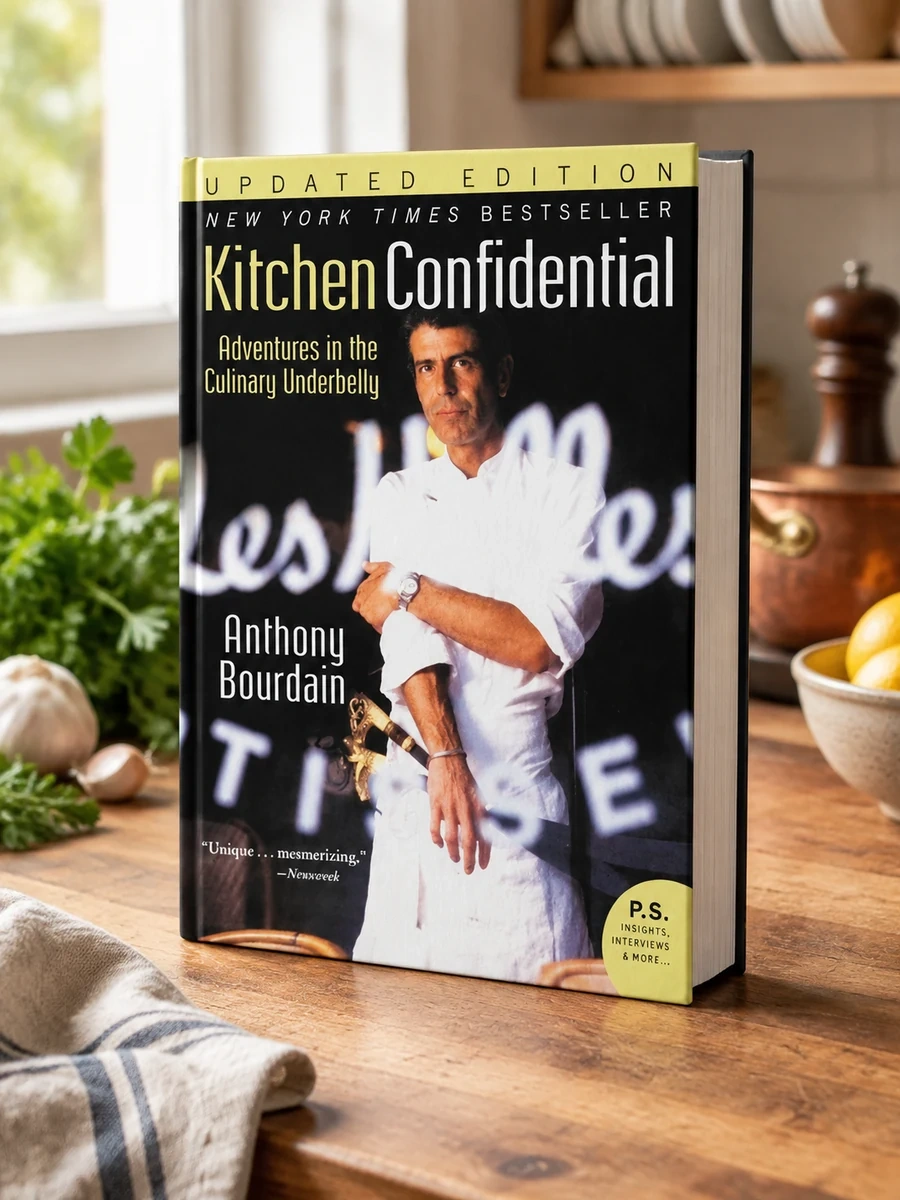
Kitchen Confidential: Adventures in the Culinary Underbelly (Updated)
★★★★★
★★★★★
4.8
1
Bourdain, Anthony
Kitchen Confidential: Adventures in the Culinary Underbelly (Updated)
$18.99
92
The French Laundry, Per Se
★★★★★
★★★★★
4.8
1
Keller, Thomas
The French Laundry, Per Se
$75.00
92
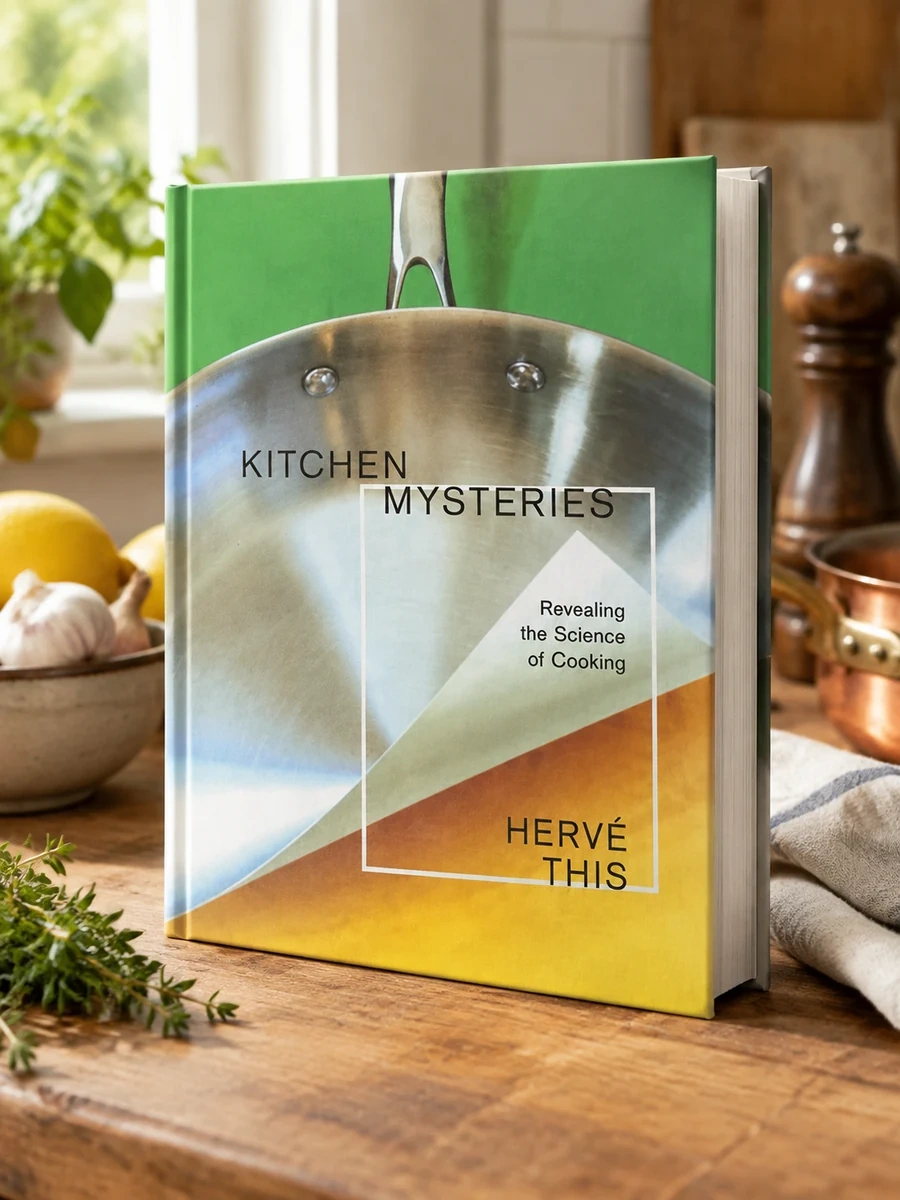
Kitchen Mysteries: Revealing the Science of Cooking
★★★★★
★★★★★
4.8
This, Herve
Kitchen Mysteries: Revealing the Science of Cooking
$16.95
91
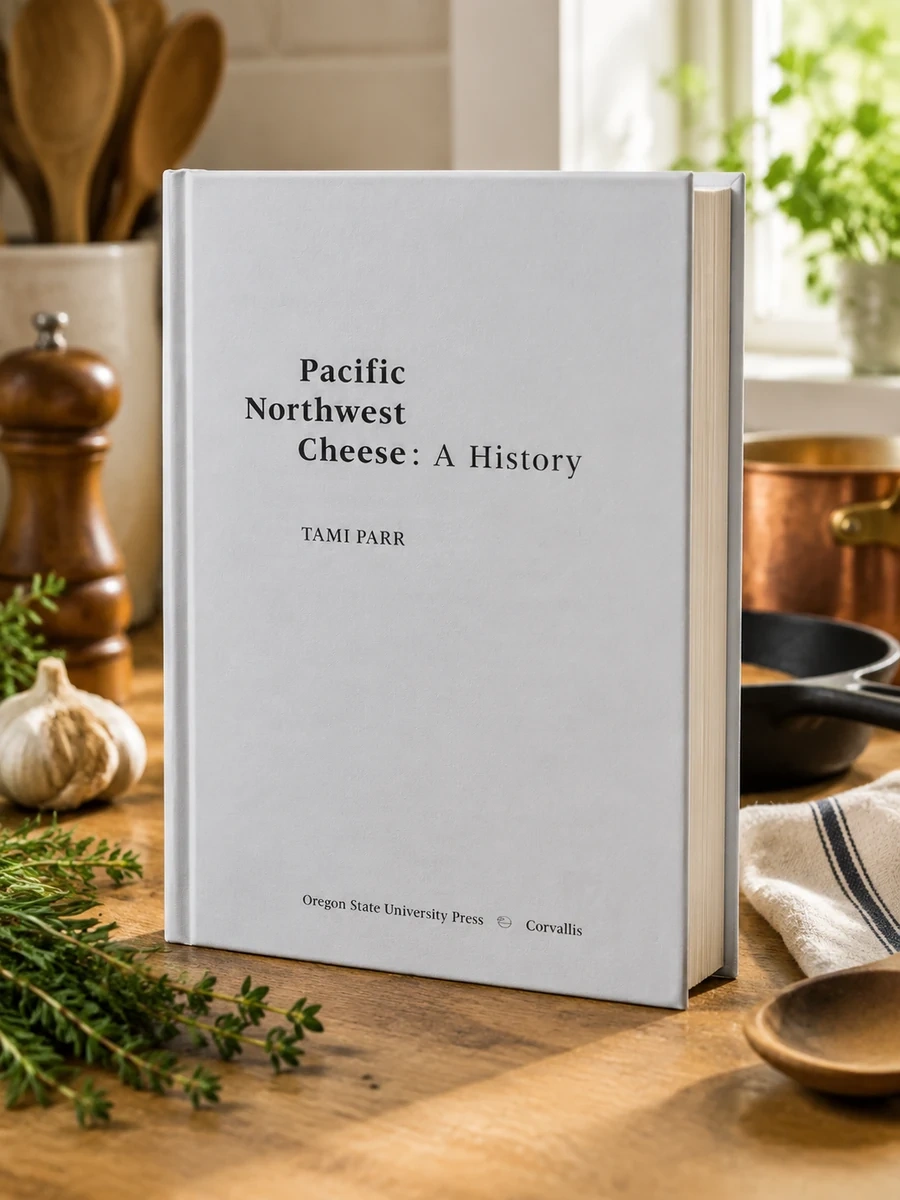
Pacific Northwest Cheese: A History
★★★★★
★★★★★
4.8
Parr, Tami
Pacific Northwest Cheese: A History
$22.95
91
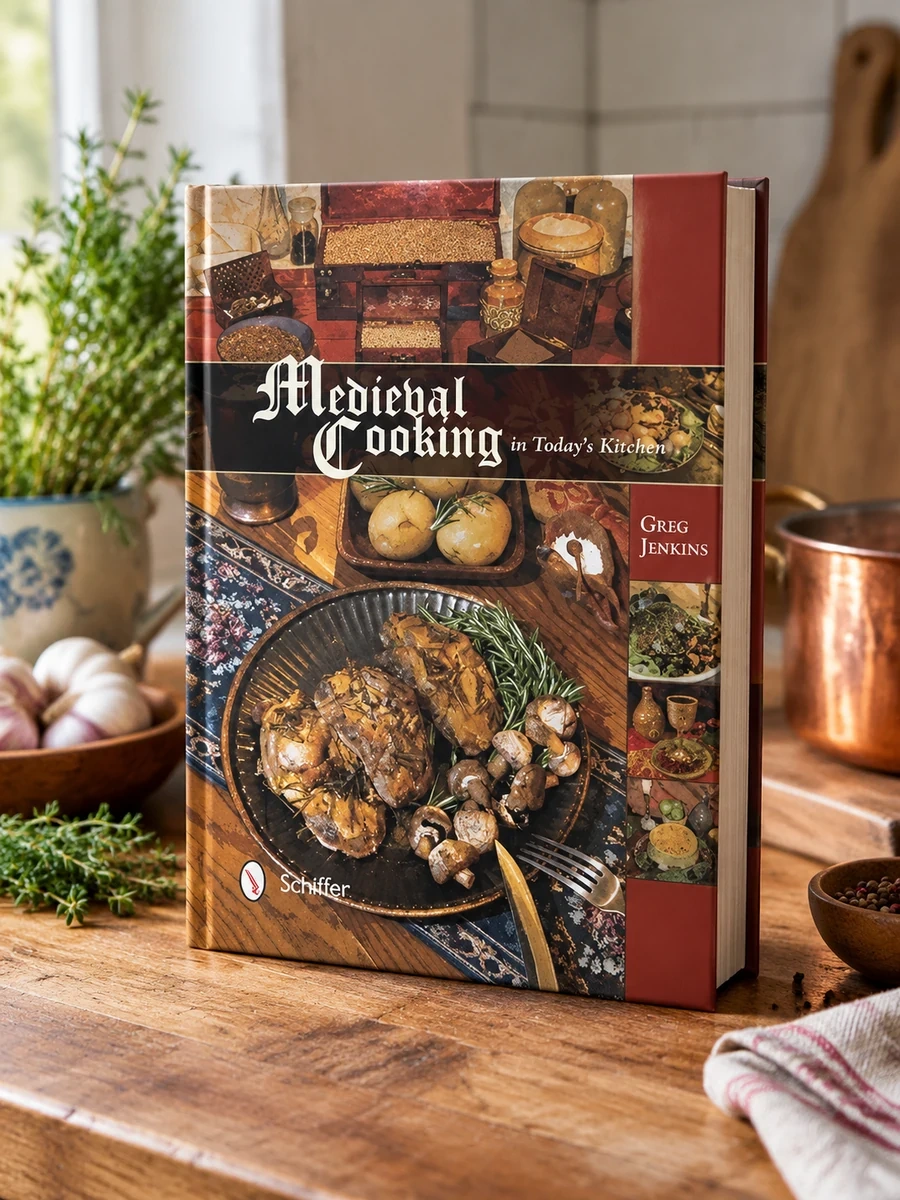
Medieval Cooking in Today's Kitchen
★★★★★
★★★★★
4.8
Jenkins, Greg
Medieval Cooking in Today's Kitchen
$24.99
91
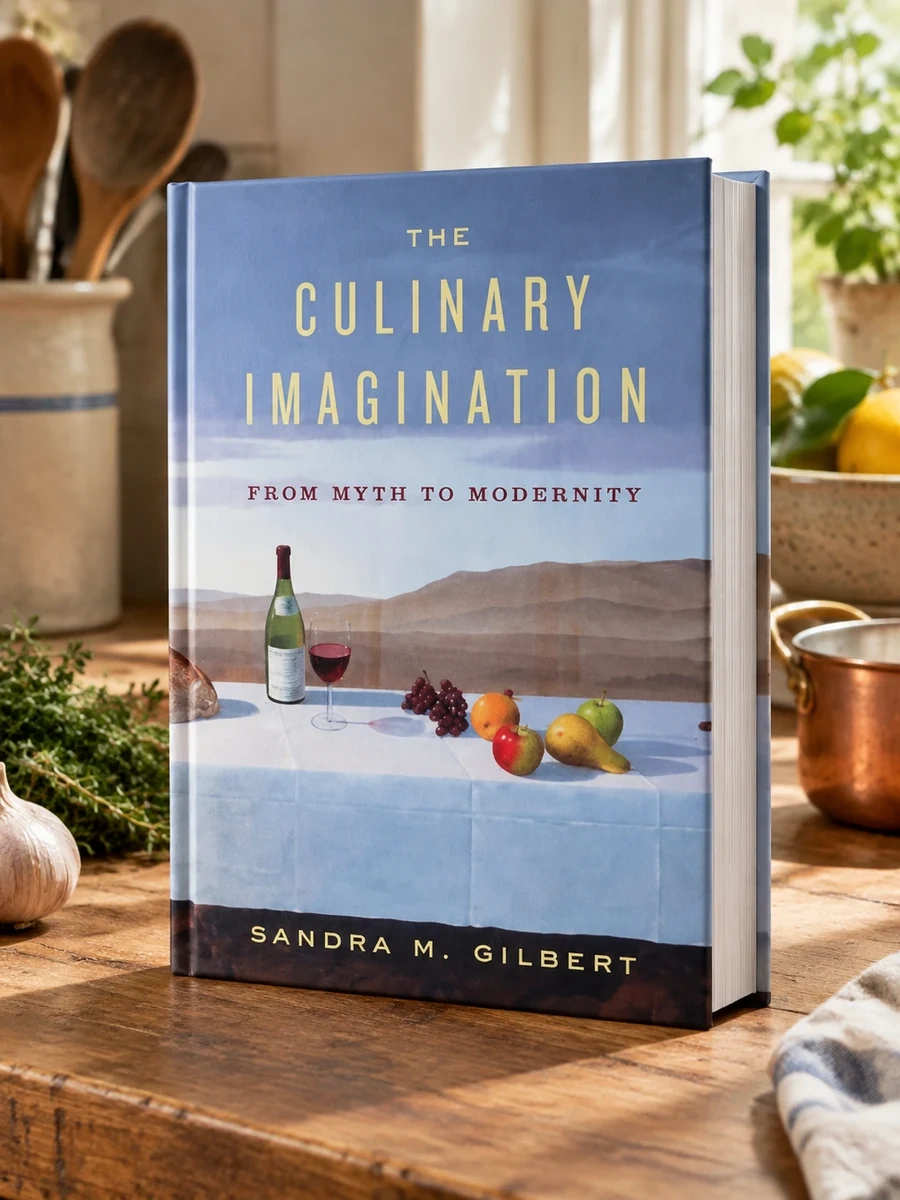
The Culinary Imagination: From Myth to Modernity
★★★★★
★★★★★
4.8
Gilbert, Sandra M
The Culinary Imagination: From Myth to Modernity
$29.95
91
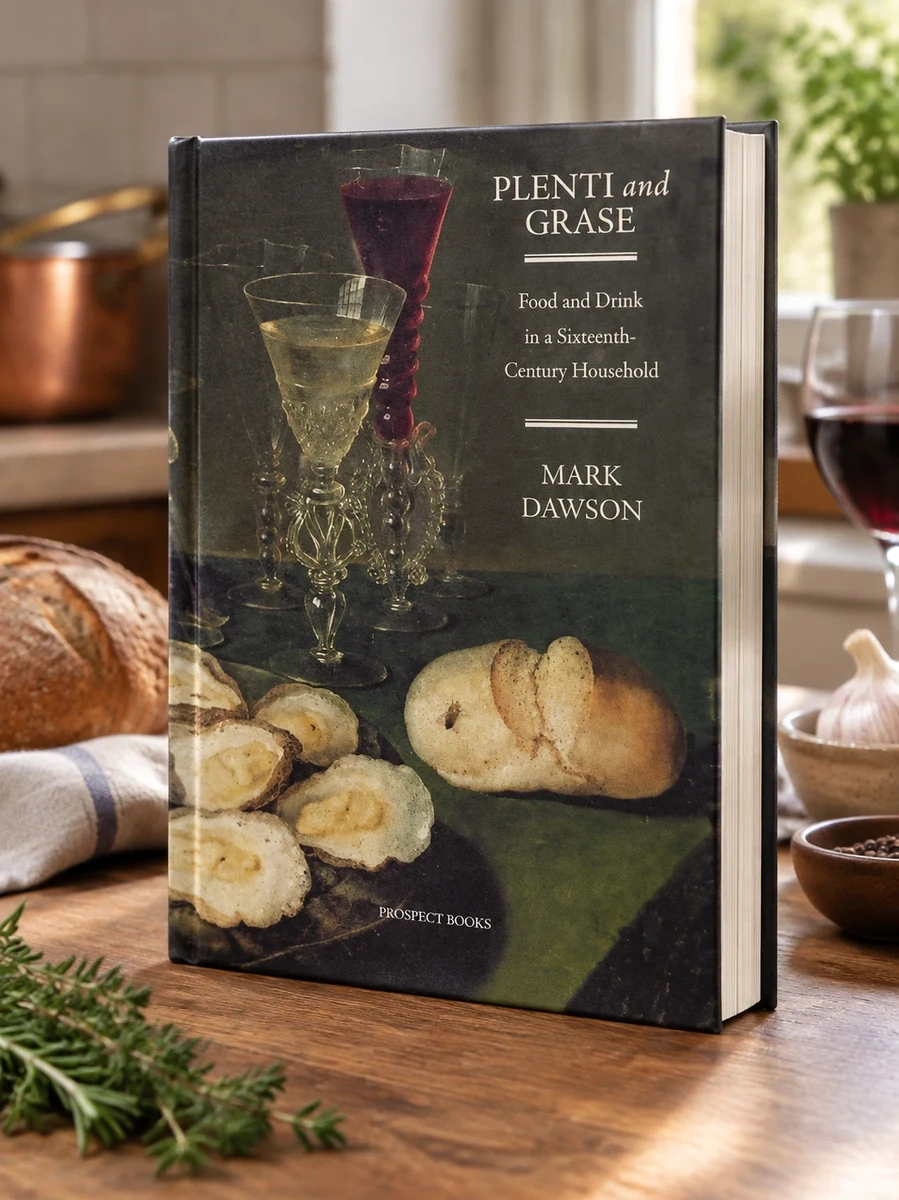
Plenti and Grase: Food and Drink in a Sixteenth-Century Household
★★★★★
★★★★★
4.8
Dawson, Mark
Plenti and Grase: Food and Drink in a Sixteenth-Century Household
$60.00
91
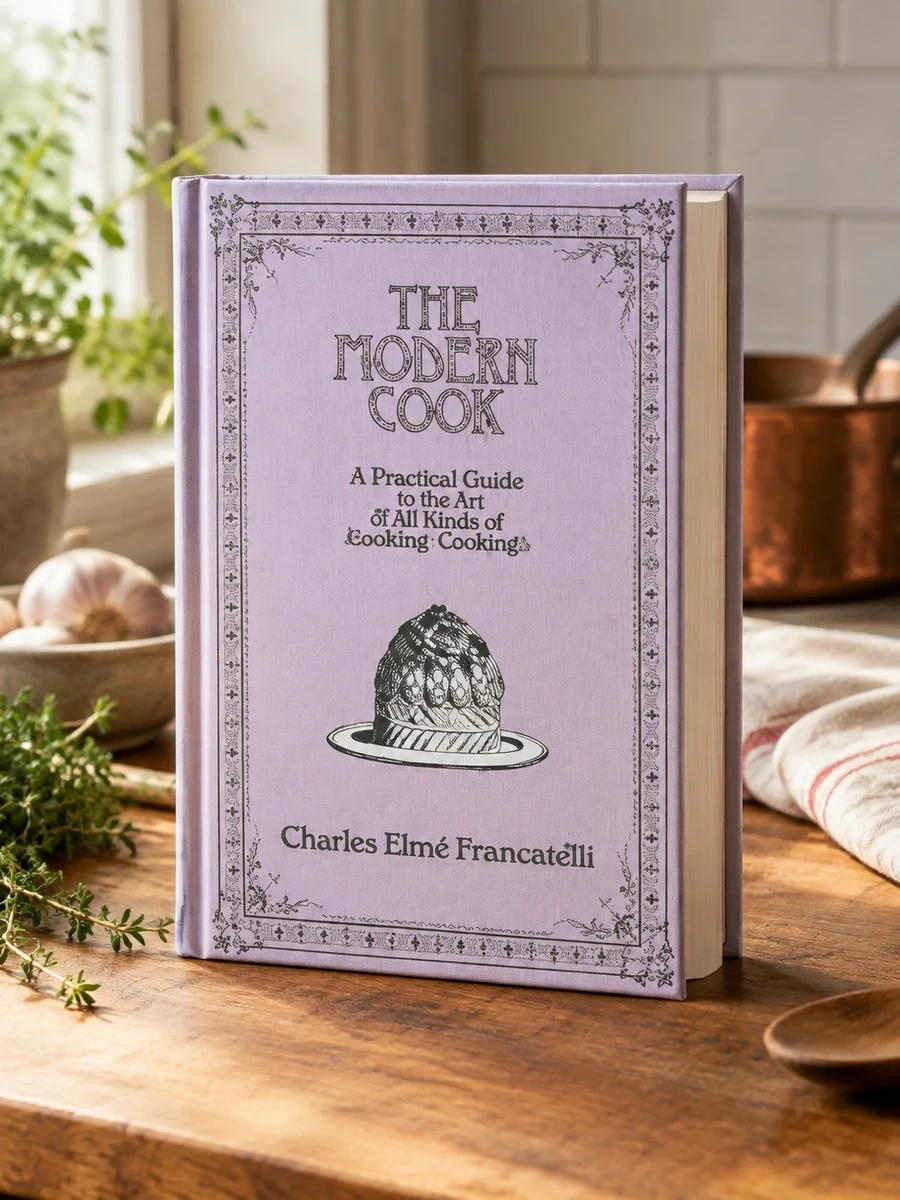
The Modern Cook: A Practical Guide to the Culinary Art in All Its Branches
★★★★★
★★★★★
4.8
Francatelli, Charles Elme
The Modern Cook: A Practical Guide to the Culinary Art in All Its Branches
$233.99
91
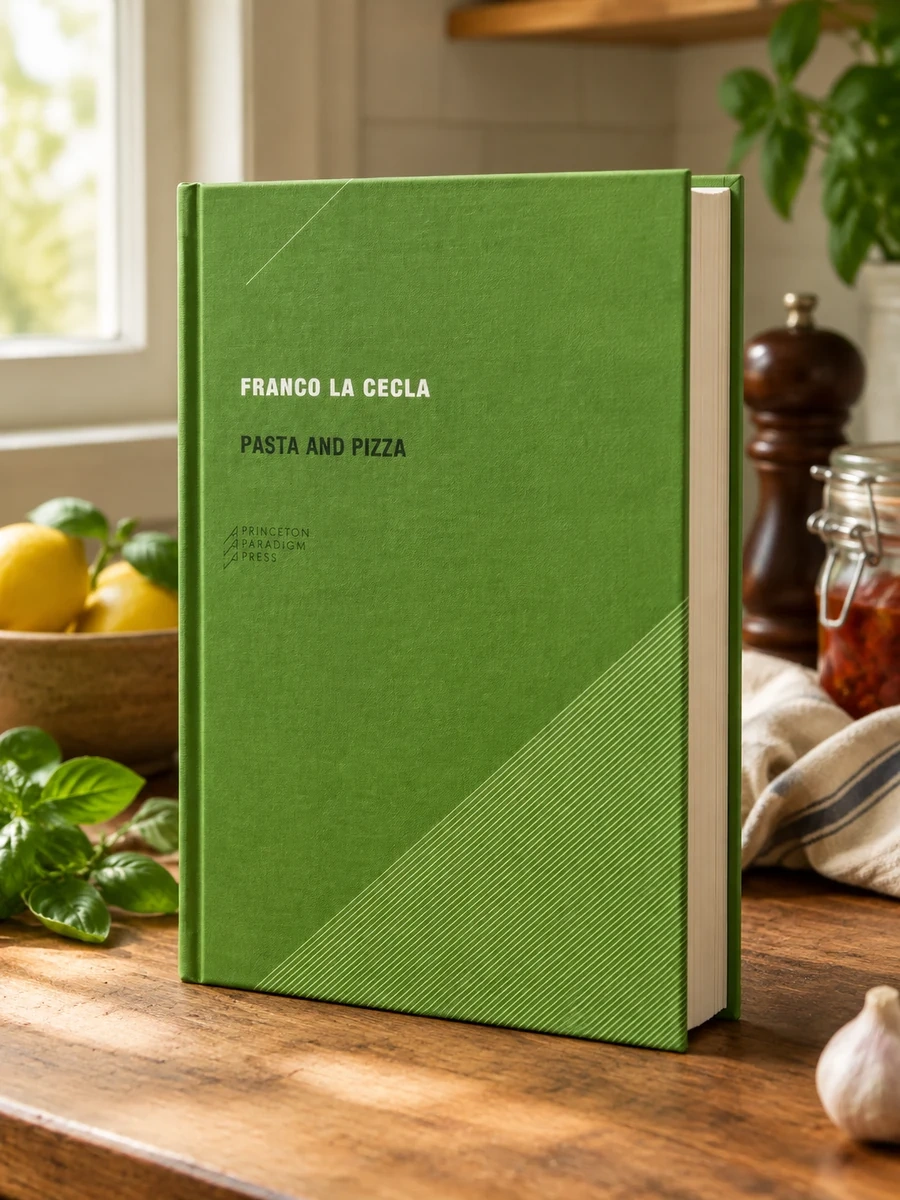
Pasta and Pizza
★★★★★
★★★★★
4.7
La Cecla, Franco
Pasta and Pizza
$12.95
90

Have a question about this item?

Ask about the edition, condition, delivery or anything else — we reply by email or phone, usually within a day.

Home Genres
Cart
Wishlist