“If you love food history and want to understand how global empires shaped what is on our plates, this book is for you. It requires a lot of reading time, not active kitchen time. Anyone looking for quick weeknight dinner recipes or step-by-step baking guides will be disappointed.
📝 Description: Cuisine and Empire: Cooking in World History Volume 43
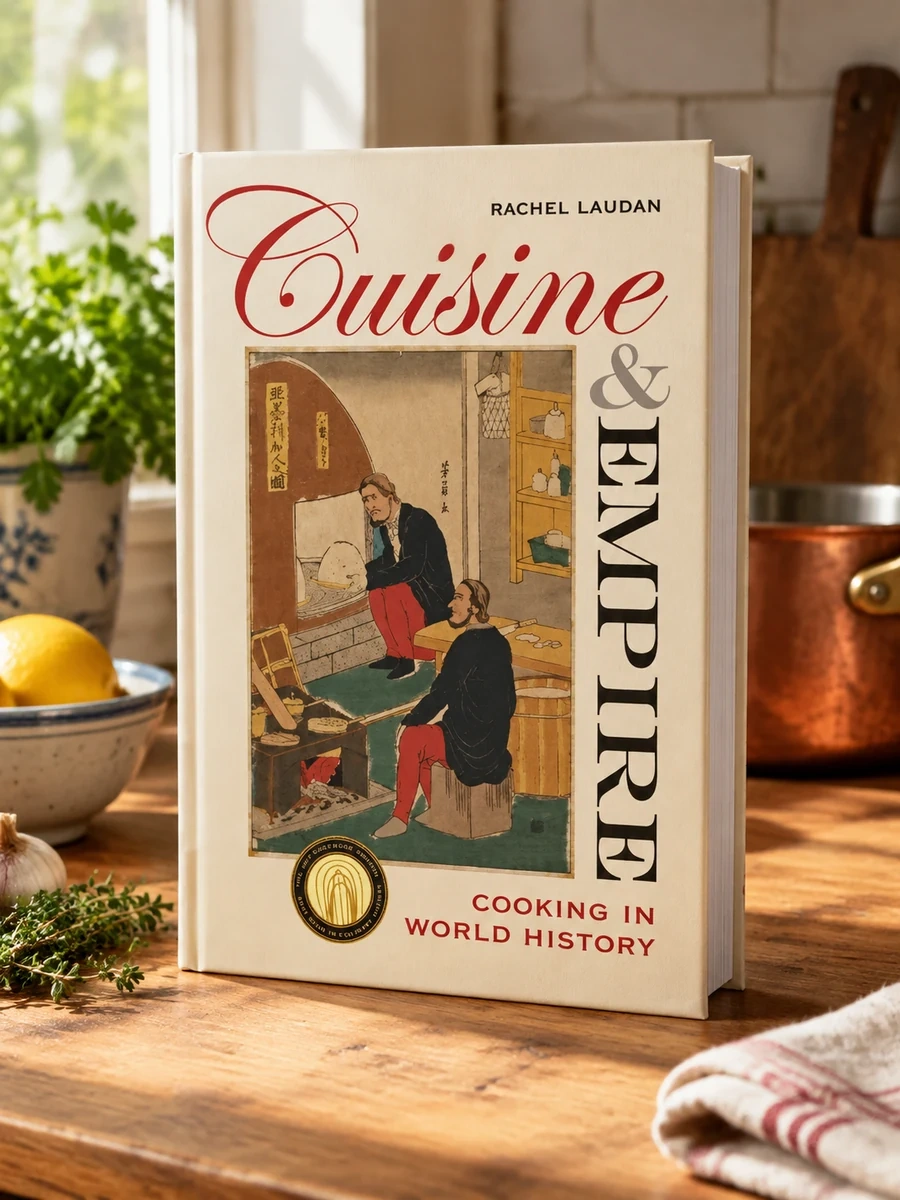
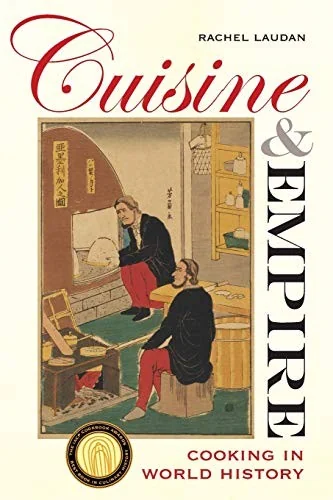
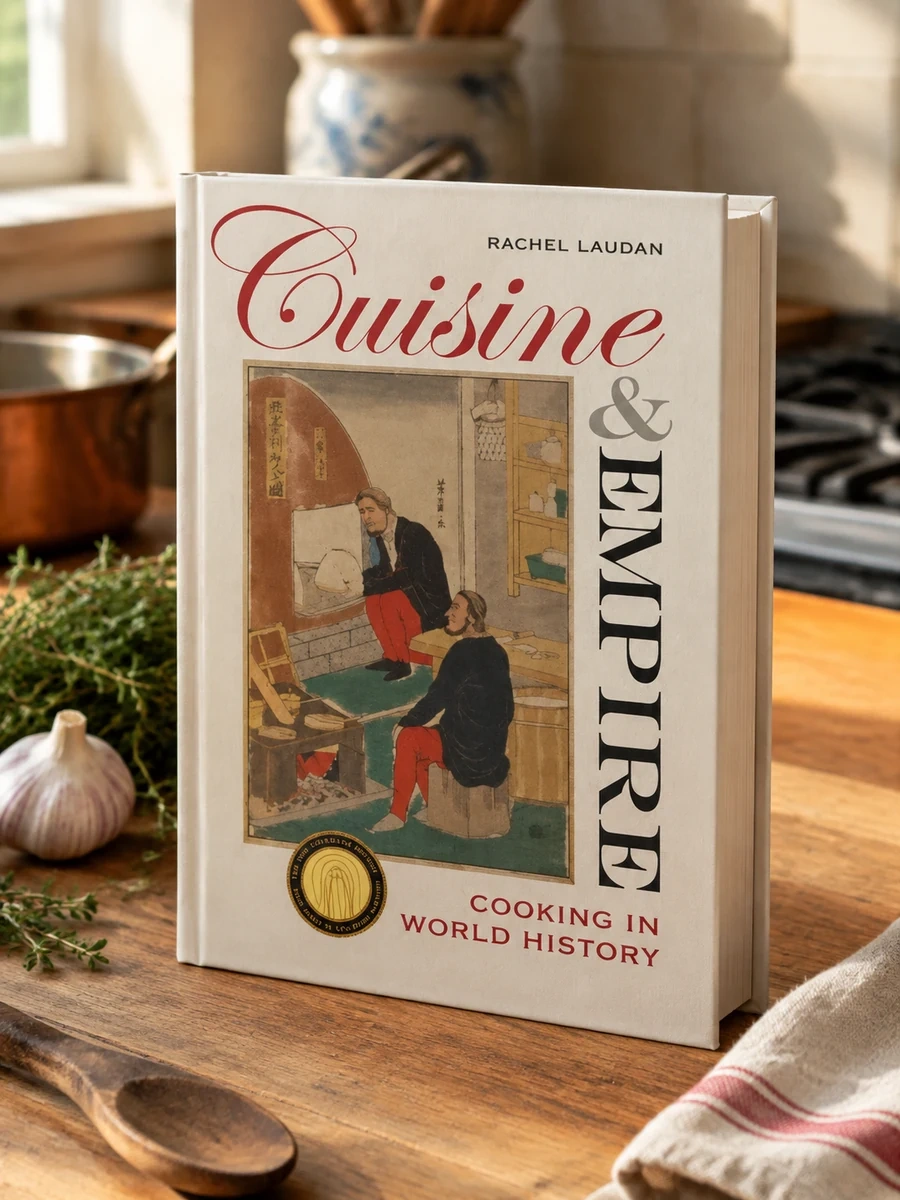
Rachel Laudan tells the remarkable story of the rise and fall of the world's great cuisines--from the mastery of grain cooking some twenty thousand years ago, to the present--in this superbly researched book. Probing beneath the apparent confusion of dozens of cuisines to reveal the underlying simplicity of the culinary family tree, she shows how periodic seismic shifts in "culinary philosophy"--beliefs about health, the economy, politics, society and the gods--prompted the construction of new cuisines, a handful of which, chosen as the cuisines of empires, came to dominate the globe. Cuisine and Empire shows how merchants, missionaries, and the military took cuisines over mountains, oceans, deserts, and across political frontiers. Laudan's innovative narrative treats cuisine, like language, clothing, or architecture, as something constructed by humans. By emphasizing how cooking turns farm products into food and by taking the globe rather than the nation as the stage, she challenges the agrarian, romantic, and nationalistic myths that underlie the contemporary food movement.
💎 Expert review
“
🍳
Eatbook Family editorial team
Cookbook desk
This book offers a rigorous intellectual framework for understanding how political and economic forces shaped global eating habits. Laudan successfully argues that cuisines are human constructions, much like language or architecture. However, it is not a practical guide for home cooks. Readers seeking step-by-step recipes or ingredient lists will be disappointed. It is strictly an academic exploration of culinary history and philosophy, best appreciated by those willing to engage with dense theoretical arguments about the rise of empires.
✓ EDITOR'S REVIEW
⭐ Reader reviews
The starting rating comes from the team Eatbook Family —
If you love food history and want to understand how global empires shaped what is on our plates, this book is for you. It requires a lot of reading time, not active kitchen time. Anyone looking for quick weeknight dinner recipes or step-by-step baking guides will be disappointed.
Reader rating
4.6
Based on 1 reviews
5
0
4
1
3
0
2
0
1
0
E
Eatbook Family editorial team
This book offers a rigorous intellectual framework for understanding how political and economic forces shaped global eating habits. Laudan successfully argues that cuisines are human constructions, much like language or architecture. However, it is not a practical guide for home cooks. Readers seeking step-by-step recipes or ingredient lists will be disappointed. It is strictly an academic exploration of culinary history and philosophy, best appreciated by those willing to engage with dense theoretical arguments about the rise of empires.
❓ Frequently asked questions
No, this is a deep historical and cultural analysis of world cuisines rather than a traditional illustrated recipe book.
You do not need any professional culinary skills or specialized kitchen equipment, just a curious mind and an interest in food history and anthropology.
📖 Who should read this
If you love food history and want to understand how global empires shaped what is on our plates, this book is for you. It requires a lot of reading time, not active kitchen time. Anyone looking for quick weeknight dinner recipes or step-by-step baking guides will be disappointed.
📜 Historical context
This sweeping study explores how human cooking evolved globally across thousands of years, moving from ancient grain preparation to modern food systems. Rather than focusing on a single regional kitchen, the author traces how political philosophies, health beliefs, and global trade routes built the major culinary traditions that dominate our world today.