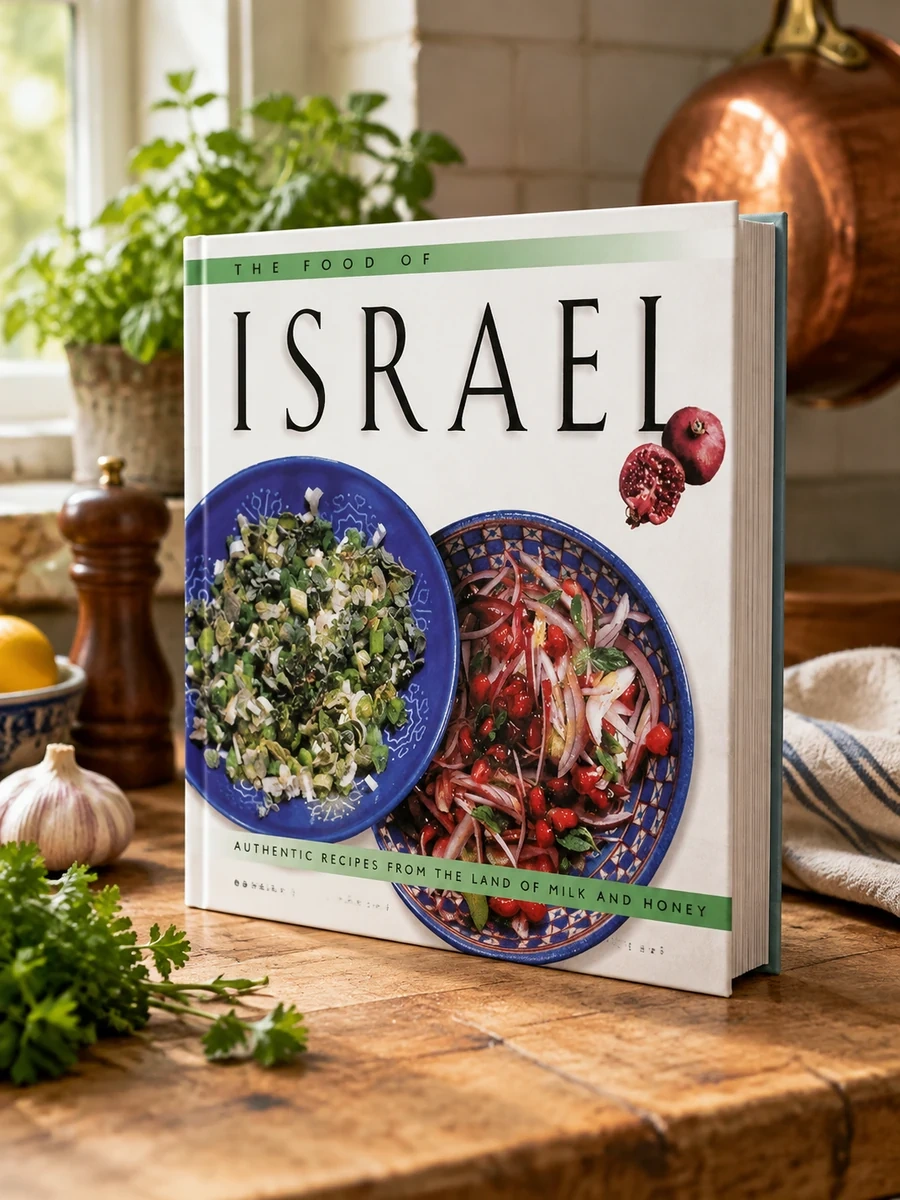
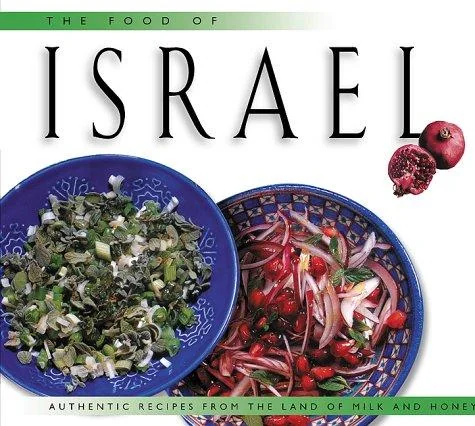
Food of Israel: Authentic Recipes from the Land of Milk and Honey
✍️ Ansky, SherryA guide to Israeli cuisine blending recipes with cultural history
This volume examines how agricultural bounty and religious diversity created a unique food culture. Ansky traces flavors from grains and citrus to olive oil and pomegranates. The text explains how each community added distinct tastes, resulting in a medley of colors and aromas. It offers practical guidance for recreating these dishes at home. The inclusion of ninety color photos supports the written instructions. The approach remains grounded in the specific ingredients and methods of the region.
The book reflects the agricultural bounty and religious diversity of Israel, blending Middle Eastern and traditional kosher influences from various cultural groups.


📝 Description: Food of Israel: Authentic Recipes from the Land of Milk and Honey
💎 Expert review
📖 Why choose it
Why this book is worth reading
Readers seeking a deep dive into the authentic flavors of Israel will find this volume an essential resource. Sherry Ansky effectively blends cultural history with practical instruction, tracing the origins of dishes from grains and citrus to olive oil and pomegranates. The inclusion of ninety color photos enhances the understanding of traditional preparations, while the focus on specific regional ingredients ensures accuracy. Those interested in kosher cooking styles or the historical contributions of Yemenite, Ashkenazi, and Sephardic communities will appreciate the detailed exploration of staples like falafel and hummus. It offers a grounded approach to recreating these dishes at home, providing context that elevates simple recipes into cultural narratives.
⭐ Reader reviews
Reader rating
Ansky’s guide is a solid entry for those committed to understanding the roots of Israeli cuisine through its diverse historical influences. The text clearly explains how agricultural bounty and religious groups shaped the modern palate, supported by seventy-five recipes and color photography. However, readers seeking only modern fusion or non-regional international cuisine may find the scope too narrow. The book is grounded in specific ingredients and methods, making it less suitable for those looking for contemporary twists. It is best judged by its place on the regional cooking shelf, offering a respectful and informative look at Middle Eastern traditions rather than a broad survey of global trends.
![The Complete Book of Asian Stir-Fries: [asian Cookbook, Techniques, 100 Recipes]](/img/the-complete-book-of-asian-stir-fries-asian-cookbook-techniques-100-re-50360-scene.webp)


![Saha: A Chef's Journey Through Lebanon and Syria [Middle Eastern Cookbook, 150 Recipes]](/img/saha-a-chef-s-journey-through-lebanon-and-syria-middle-eastern-cookboo-04905-scene.webp)
![The Food of New Orleans: Authentic Recipes from the Big Easy [Cajun & Creole Cookbook, Over 80 Recipes]](/img/the-food-of-new-orleans-authentic-recipes-from-the-big-easy-cajun-creo-31005-scene.webp)
![Authentic Recipes from Jamaica: [Jamaican Cookbook, Over 80 Recipes]](/img/authentic-recipes-from-jamaica-jamaican-cookbook-over-80-recipes-03243-scene.webp)