“If you care deeply about where your food comes from beyond just food miles, this is a must-read. Home cooks and conscious eaters seeking a rigorous, eye-opening look at farm labor will love it. Casual foodies wanting easy recipes will be disappointed.
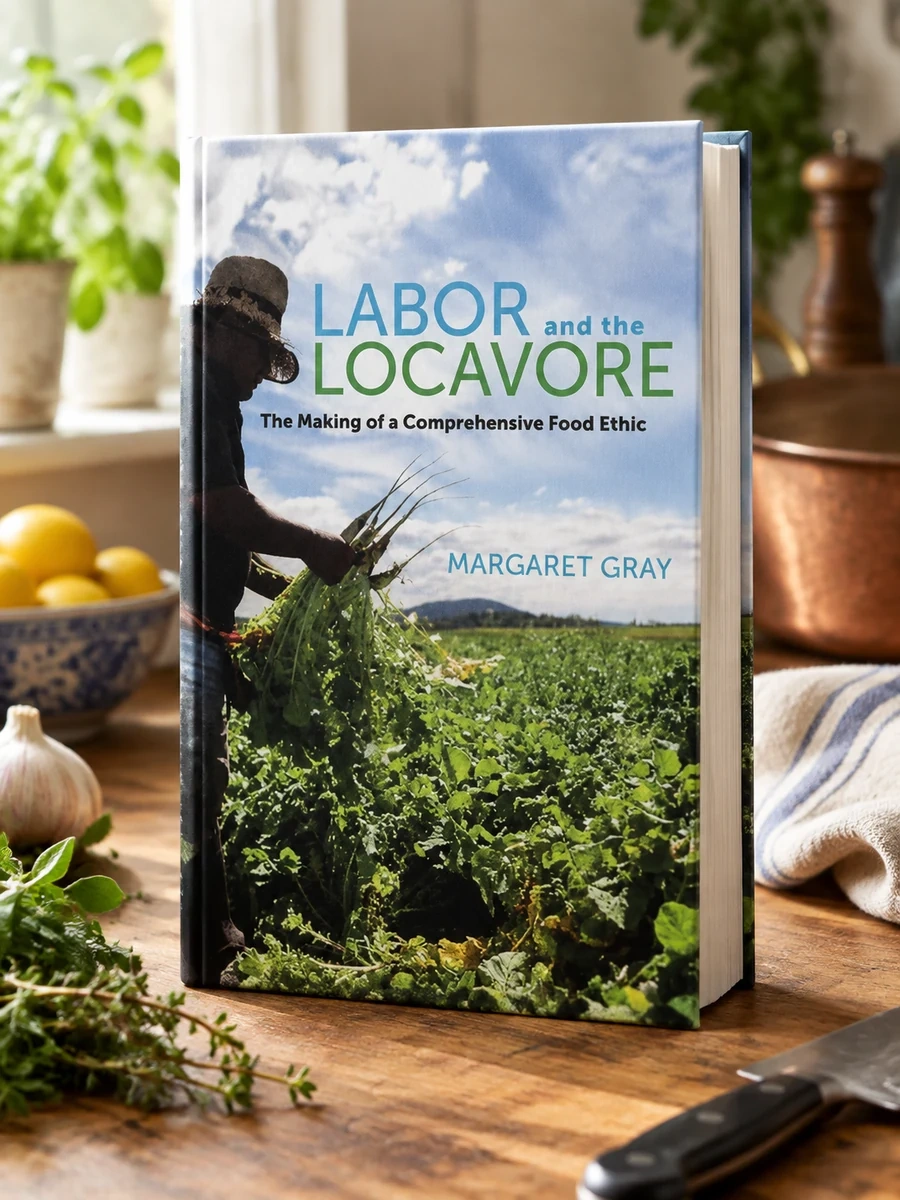
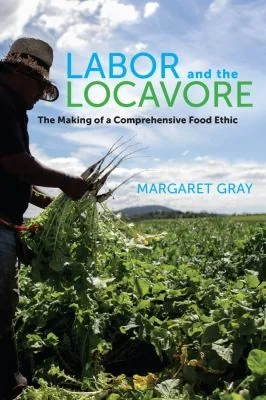
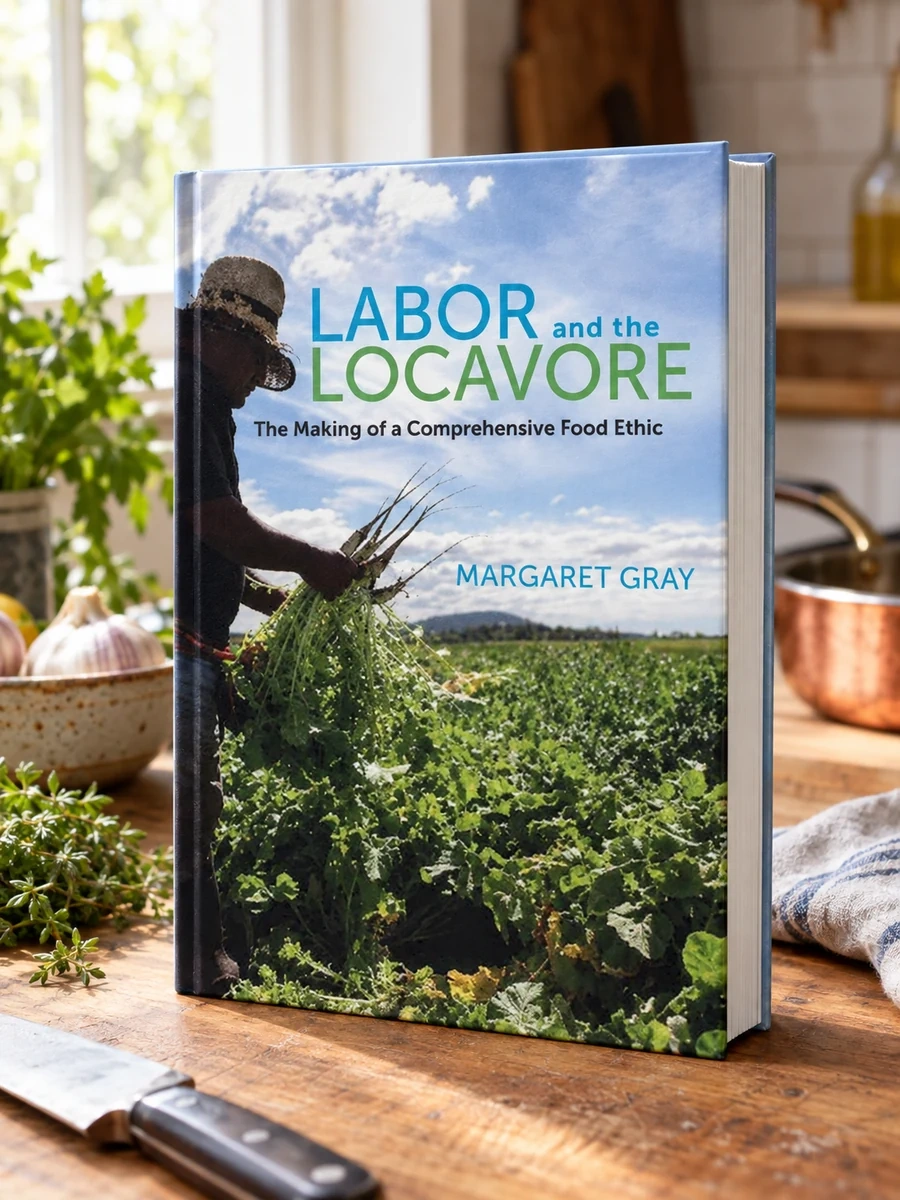
📝 Description: Labor and the Locavore: The Making of a Comprehensive Food Ethic
In the blizzard of attention around the virtues of local food production, food writers and activists place environmental protection, animal welfare, and saving small farms at the forefront of their attention. Yet amid this turn to wholesome and responsible food choices, the lives and working conditions of farmworkers are often an afterthought. Labor and the Locavore focuses on one of the most vibrant local food economies in the country, the Hudson Valley that supplies New York restaurants and farmers markets. Based on more than a decade's in-depth interviews with workers, farmers, and others, Gray's examination clearly shows how the currency of agrarian values serves to mask the labor concerns of an already hidden workforce. She also explores the historical roots of farmworkers' predicaments and examines the ethnic shift from Black to Latino workers. With an analysis that can be applied to local food concerns around the country, this book challenges the reader to consider how the mentality of the alternative food movements implies a comprehensive food ethic that addresses workers' concerns.
💎 Expert review
“
🍳
Eatbook Family editorial team
Cookbook desk
This title is a serious academic critique rather than a culinary guide or narrative memoir. It will not suit readers seeking recipes, cooking techniques, or lighthearted anecdotes about farm life. The text demands engagement with complex socio-economic arguments regarding ethnic shifts and labor history. While intellectually stimulating for those committed to food justice, it lacks the practical utility of standard cookbooks. It is best suited for university libraries and dedicated researchers in food studies rather than casual home cooks looking for inspiration or instruction.
✓ EDITOR'S REVIEW
⭐ Reader reviews
The starting rating comes from the team Eatbook Family —
If you care deeply about where your food comes from beyond just food miles, this is a must-read. Home cooks and conscious eaters seeking a rigorous, eye-opening look at farm labor will love it. Casual foodies wanting easy recipes will be disappointed.
Reader rating
4.4
Based on 1 reviews
5
0
4
1
3
0
2
0
1
0
E
Eatbook Family editorial team
This title is a serious academic critique rather than a culinary guide or narrative memoir. It will not suit readers seeking recipes, cooking techniques, or lighthearted anecdotes about farm life. The text demands engagement with complex socio-economic arguments regarding ethnic shifts and labor history. While intellectually stimulating for those committed to food justice, it lacks the practical utility of standard cookbooks. It is best suited for university libraries and dedicated researchers in food studies rather than casual home cooks looking for inspiration or instruction.
❓ Frequently asked questions
No, this is a critical sociological examination of the local food movement and labor ethics rather than a traditional cookbook with recipes.
No specialized background is required, but it is written for readers interested in food politics, sustainable agriculture, and ethical consumer choices.
📖 Who should read this
If you care deeply about where your food comes from beyond just food miles, this is a must-read. Home cooks and conscious eaters seeking a rigorous, eye-opening look at farm labor will love it. Casual foodies wanting easy recipes will be disappointed.
📜 Historical context
Rooted in the vibrant local food economy of the Hudson Valley supplying New York restaurants and markets, this study draws on over a decade of interviews. It explores the historical roots of farmworker challenges and the ethnic shift from Black to Latino labor within alternative food systems.