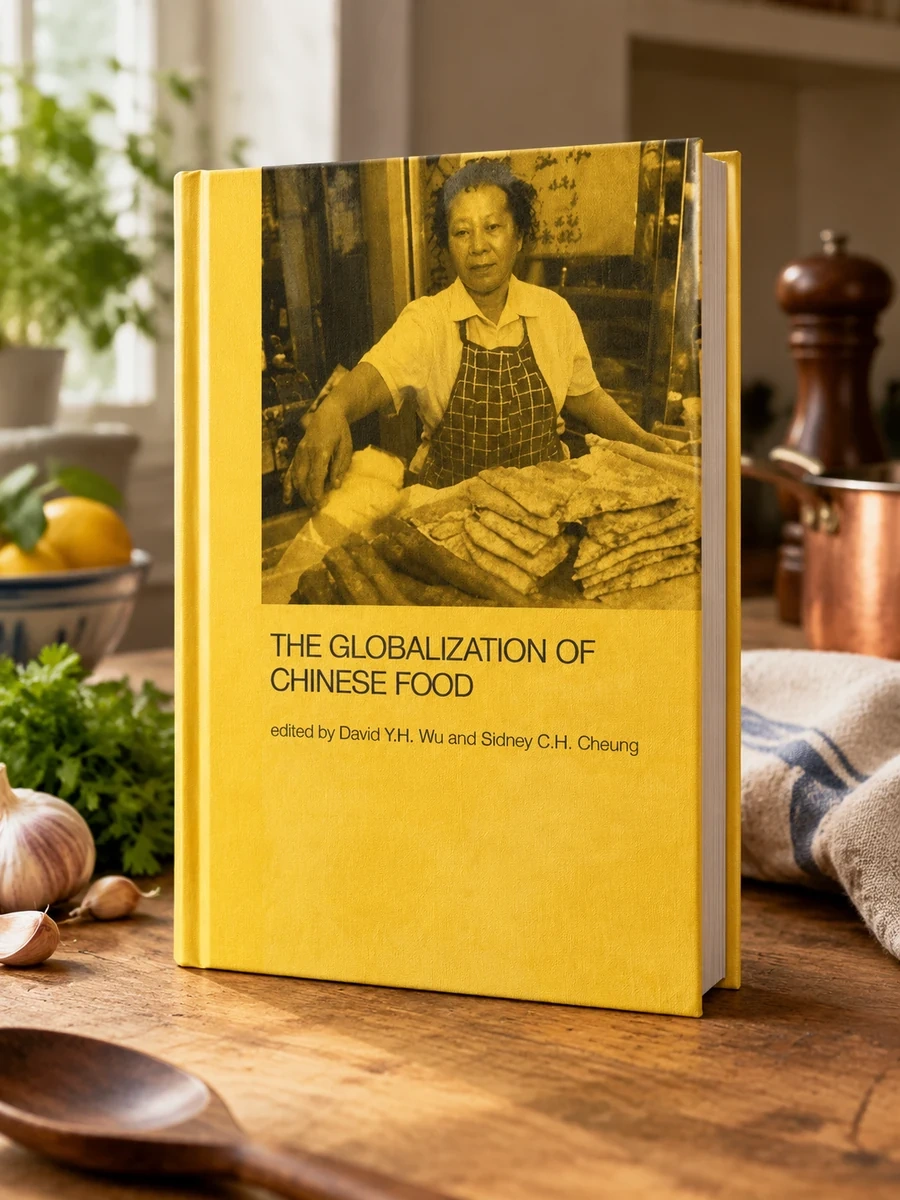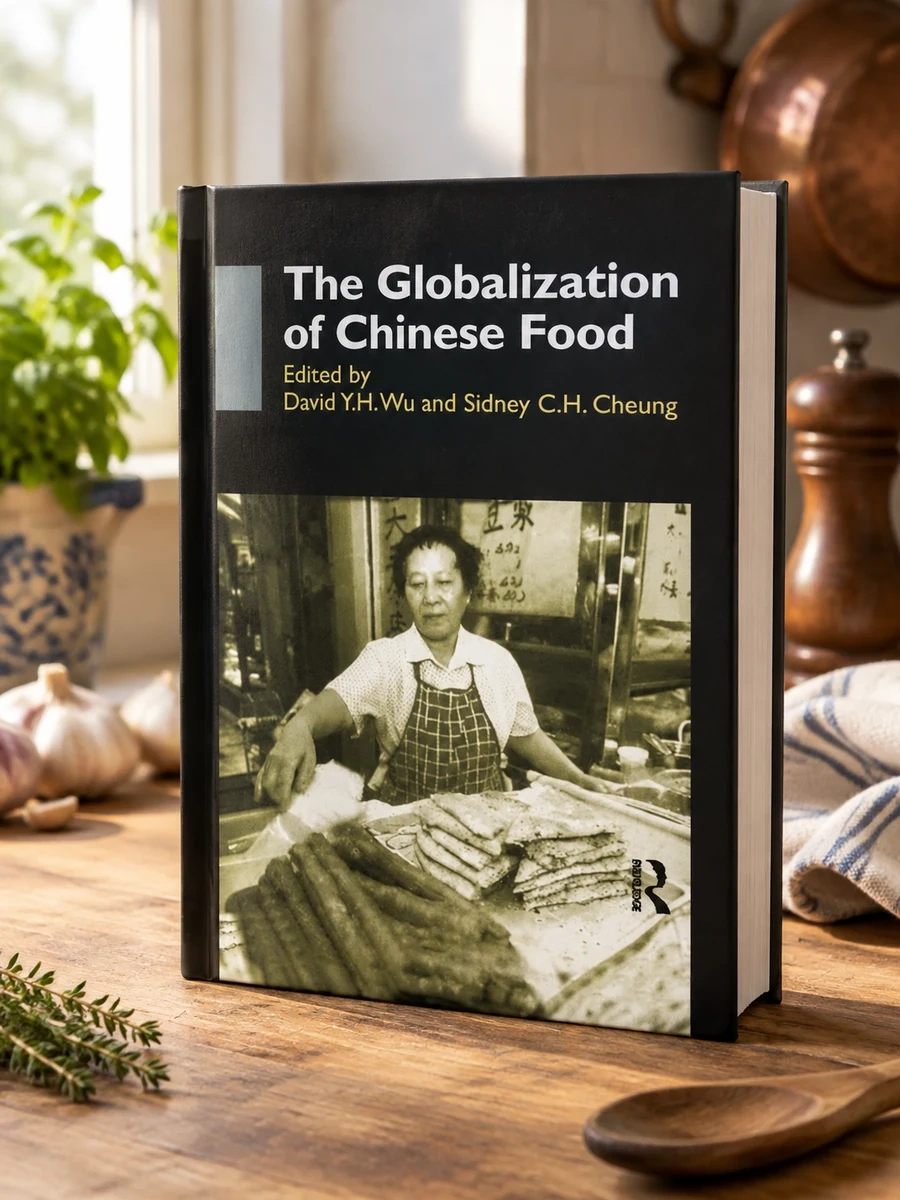
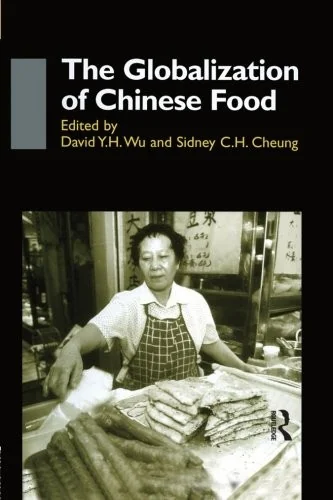
The Globalisation of Chinese Food
✍️ Cheung, SidneyAn academic look at how Chinese food evolved globally through social science.
The book analyzes the intersection of food habits and identity formation within Chinese communities worldwide. Cheung uses anthropological essays to trace how globalization influenced dietary changes in regions like Hong Kong, Taiwan, and Peking. The text highlights the adoption and adaptation of Western foods alongside traditional practices. It provides a framework for understanding how social tastes drive culinary innovation across different continents during the late twentieth century.
This volume addresses the late twentieth-century period, focusing on the global spread of Chinese cuisine. It examines specific regions including mainland China, Taiwan, Hong Kong, Macau, and various Asian countries with large Chinese populations, as well as Australia, Indonesia, the Philippines, and Japan.


📝 Description: The Globalisation of Chinese Food
💎 Expert review
📖 Why choose it
Why this book is worth reading
Readers interested in the sociological impacts of food culture and the historical shifts within Asian diasporas gain profound insight from this academic collection. It provides a robust framework for understanding how social tastes drive culinary innovation across different continents. Scholars, researchers, and food historians benefit from its rigorous examination of how Chinese culinary traditions adapt, localize, and reinvent themselves in response to changing lifestyles and global interactions. By focusing on the intersection of food habits and identity, the book broadens classic social science theories concerning ethnic identity formation, making it an essential resource for those studying the complex relationships between globalization and regional cuisine.
⭐ Reader reviews
Reader rating
This academic collection offers a rigorous social science exploration of how Chinese culinary traditions have shifted globally across mainland China, Taiwan, Hong Kong, Macau, and various diasporic communities. It thoughtfully investigates the adoption of Western foods and local cultures, providing valuable theoretical frameworks for food historians and sociology enthusiasts. However, prospective buyers should note that this is strictly a work of academic analysis rather than a practical cooking guide. It does not contain simple recipes, practical culinary techniques, or contemporary restaurant reviews, meaning it will likely disappoint readers seeking hands-on kitchen inspiration. Those approaching it as an anthropological study, nonetheless, will find a thorough and enlightening examination of identity through food.
❓ Frequently asked questions
📖 Who should read this
This title suits academic researchers and sociology students interested in cultural identity rather than home cooks seeking recipes. It appeals to readers who prefer theoretical analysis of food systems over practical culinary instruction for their daily kitchen routines.