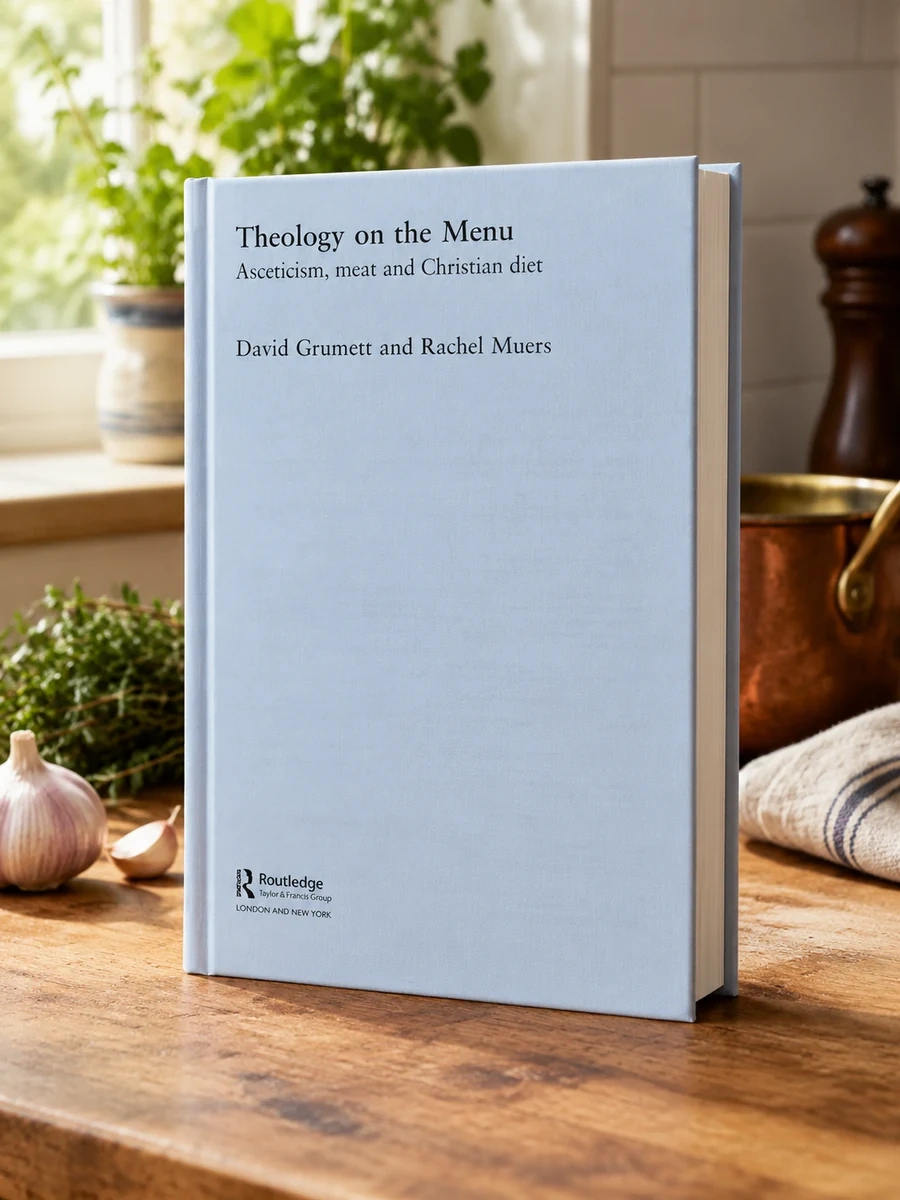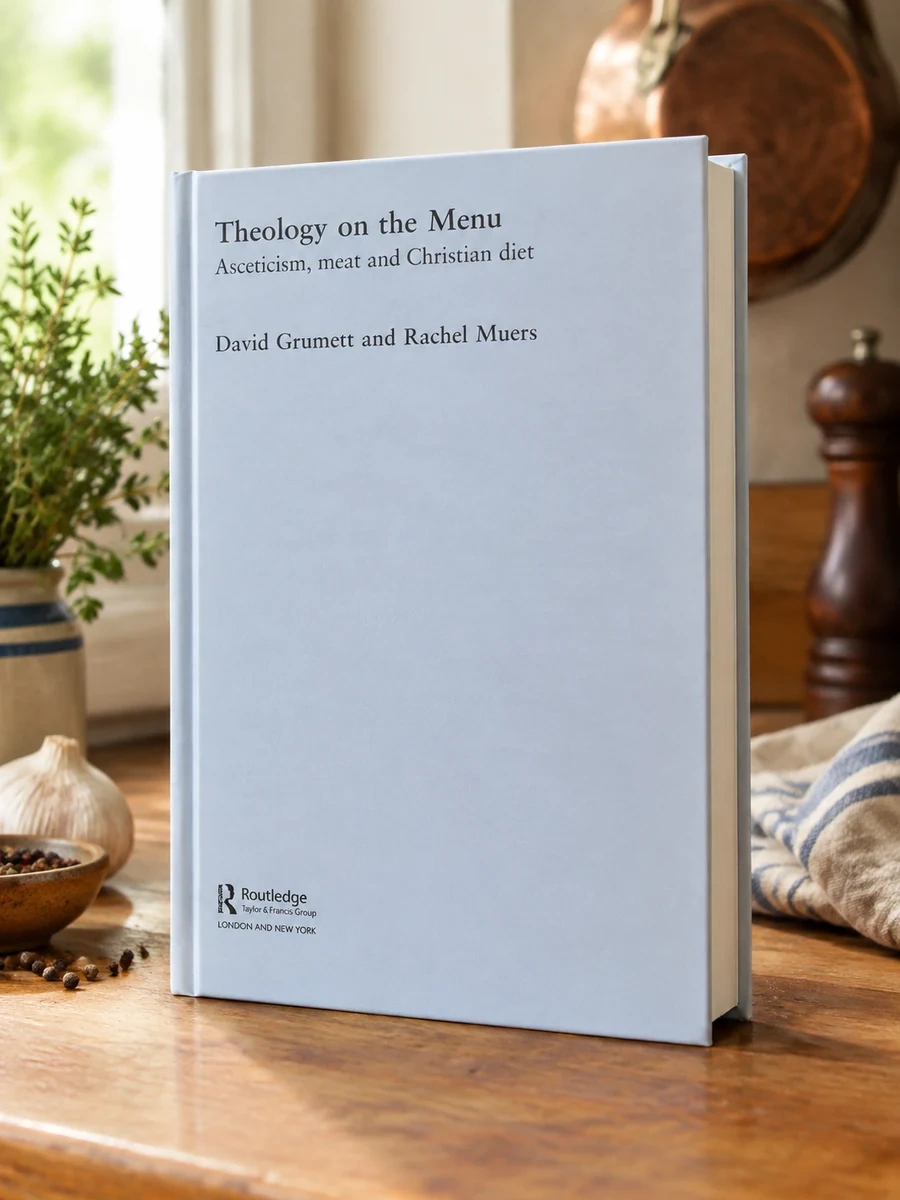
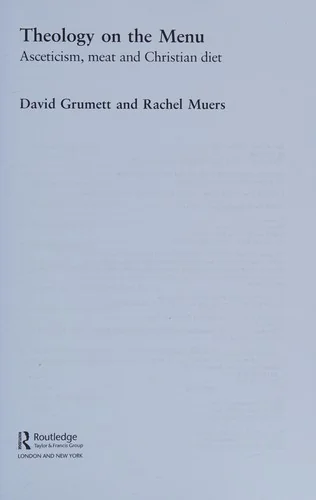
Theology on the Menu: Asceticism, Meat and Christian Diet
✍️ Grumett, DavidA historical analysis of Christian dietary practices and their theological impact
Grumett investigates the relationship between diet and doctrine in Christian history. The text covers topics such as eating in the wilderness, food in the ordered city, and secularizing diet. It discusses fasting by choice and the classification of clean and unclean animals. The author examines how these dietary rules define community, heresy, and orthodoxy. Sacrifice and slaughter receive specific attention alongside the contrast between Christian, heavenly, and worldly food. This approach reveals how food shapes inter-religious encounters and personal identity. The book serves as a resource for those studying religious ethics and ritual history.
Published in 2010 by Routledge, this work situates Christian food attitudes within historical theology. It addresses the cultural and ecological significance of food for scholars and general readers interested in religious ethics and ritual practice.


📝 Description: Theology on the Menu: Asceticism, Meat and Christian Diet
💎 Expert review
📖 Why choose it
Why this book is worth reading
Scholars of Christian ritual, theology, and ethics will gain deep insight into how everyday eating habits reflect profound doctrinal convictions. The book provides a clear framework for understanding asceticism, the choice to fast, and the classification of clean versus unclean animals. By examining sacrifice, slaughter, and the contrast between Christian, heavenly, and worldly food, readers explore how dietary rules define community boundaries, orthodoxy, and heresy. It serves as an essential resource for those investigating the intersection of religious history, ethical practice, and food symbolism.
⭐ Reader reviews
Reader rating
David Grumett offers a systematic historical assessment of Christian attitudes toward food, charting how ancient traditions shape personal identity and inter-religious encounters. However, prospective readers must note that this volume is firmly grounded in historical theology rather than contemporary lifestyle trends. It does not appeal to those seeking practical recipes or modern nutritional advice. Instead, it targets academics and researchers interested in the theoretical and historical dimensions of religious dietary practices. If you approach it as a rigorous exploration of doctrine rather than a culinary guide, it delivers a compelling analysis.
❓ Frequently asked questions
📖 Who should read this
Scholars of religious ethics and theology students seeking historical context for dietary laws. Readers interested in the intersection of faith and food history will find this hardcover volume essential for understanding how ascetic practices shaped Christian identity and community boundaries over time.