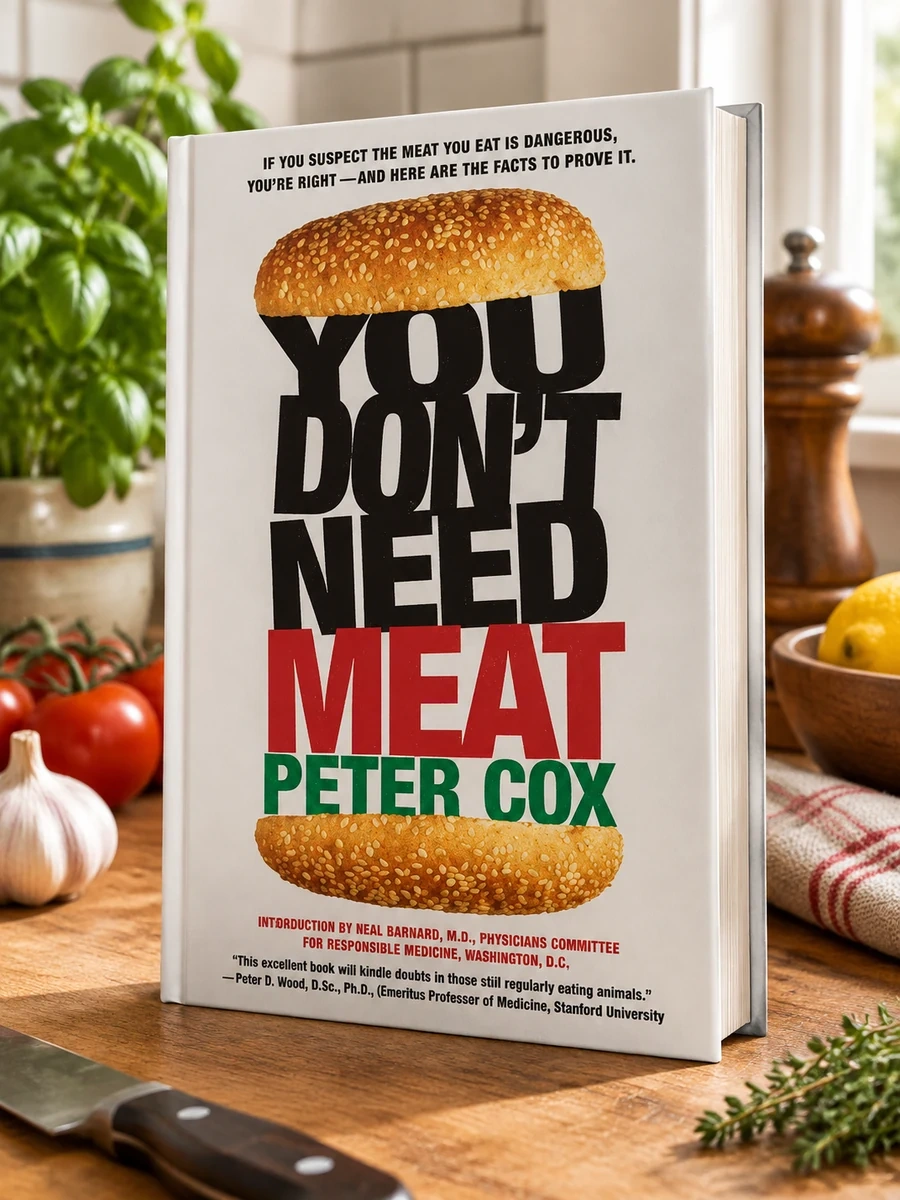
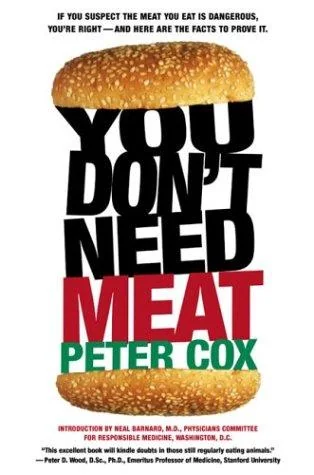
You Don't Need Meat
✍️ Cox, PeterA science-based guide to eliminating meat from your diet
Cox challenges the necessity of animal products by combining ethical reasoning with nutritional facts. The narrative moves beyond simple advocacy to examine the chemical and health implications of eating meat. By updating the content for an American audience, the author addresses specific dietary concerns relevant to US consumers. The work serves as a comprehensive resource for understanding the physical and moral dimensions of food choices.
Published in 2003 by St. Martin's Griffin, this paperback edition updates a British bestseller for American readers. It addresses early twenty-first-century concerns about food safety and animal welfare within the context of US consumer health trends.


📝 Description: You Don't Need Meat
💎 Expert review
📖 Why choose it
Why this book is worth reading
Readers looking to transition away from animal products or better understand the health implications of their current diet will gain a clear, evidence-based roadmap from this book. Peter Cox bridges the gap between personal moral choices and hard science by systematically examining meat's chemical composition, standard protein requirements, and modern agricultural practices. By updating his analysis specifically for US dietary concerns, Cox provides practical knowledge and factual clarity for anyone striving to make informed nutrition decisions for their families. It is an essential resource for individuals who value logical reasoning and scientific data over purely sentimental or ideological arguments when considering a major lifestyle change.
⭐ Reader reviews
Reader rating
This edition offers a persuasive, fact-driven case for vegetarianism, balancing personal humor with clear nutritional analysis and historical context. Cox successfully demystifies protein myths and health concerns surrounding meat consumption. However, the volume's distinct reliance on scientific data, chemical analysis, and ethical reasoning means it does not suit readers seeking a culinary instruction manual, a simple collection of everyday recipes, or purely spiritual food writing. The publisher's provided overview remains somewhat sparse regarding specific recipe inclusions or meal planning tools, suggesting the work's primary value sits on the shelf as a foundational health and ethics guide rather than a practical kitchen cookbook. It earns a solid recommendation for analytical minds questioning meat's role in modern diets.
❓ Frequently asked questions
📖 Who should read this
This guide suits American home cooks seeking science-based reasons to reduce meat intake. It is ideal for readers interested in the chemical and health implications of dietary choices rather than just ethical arguments. The content addresses specific nutritional concerns relevant to US consumers looking for a comprehensive resource on food morality.